

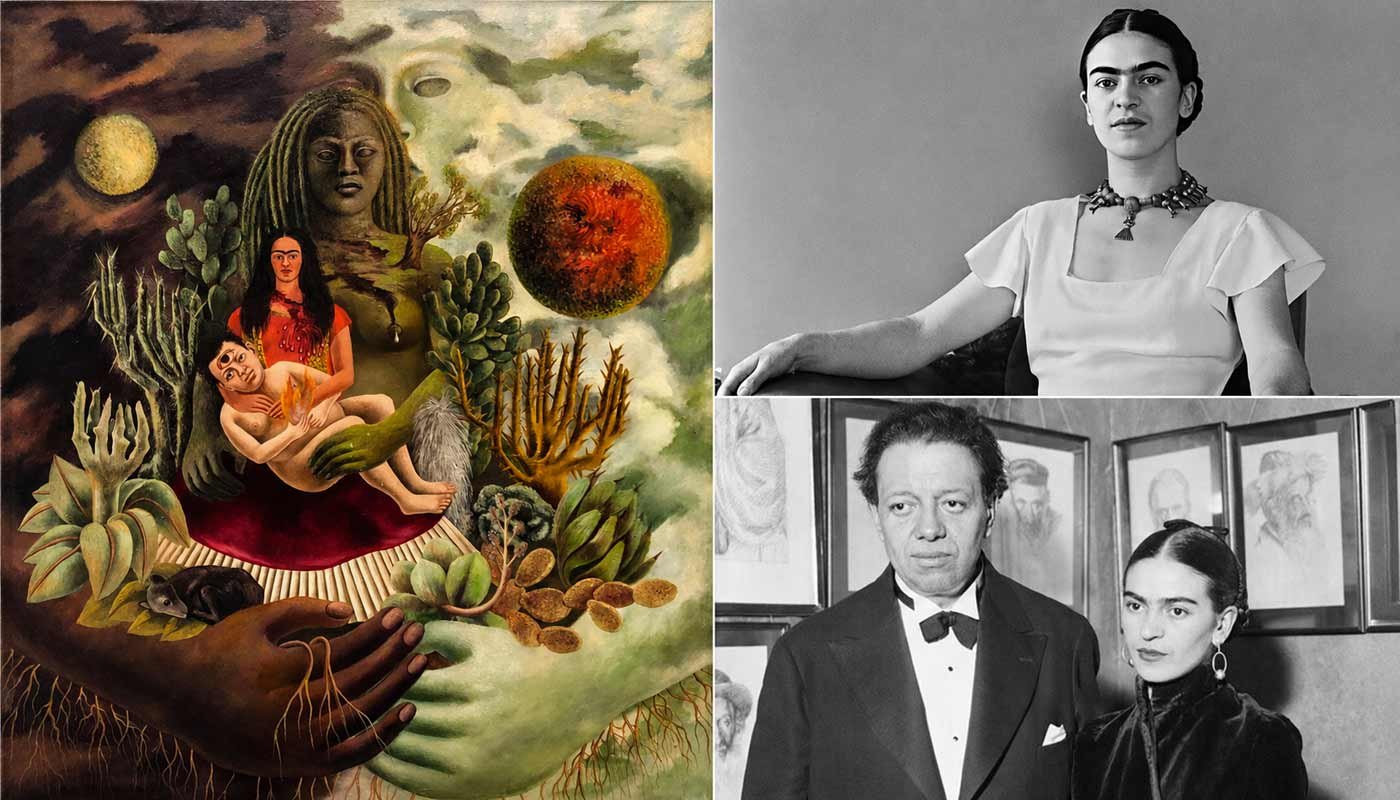
More than a century after her birth, Frida Kahlo continues to resonate with millions across the world. While she is celebrated as one of history’s greatest artists, her legacy extends far beyond the canvas. Frida became a symbol of resilience, individuality, and unapologetic self-expression long before these ideas became part of mainstream conversations. At a time when women were expected to remain quiet, obedient, and confined to traditional roles, Frida chose a radically different path. Nearly 120 years later, she remains a powerful feminist icon whose influence continues to inspire women, artists, and the LGBTQ+ community alike.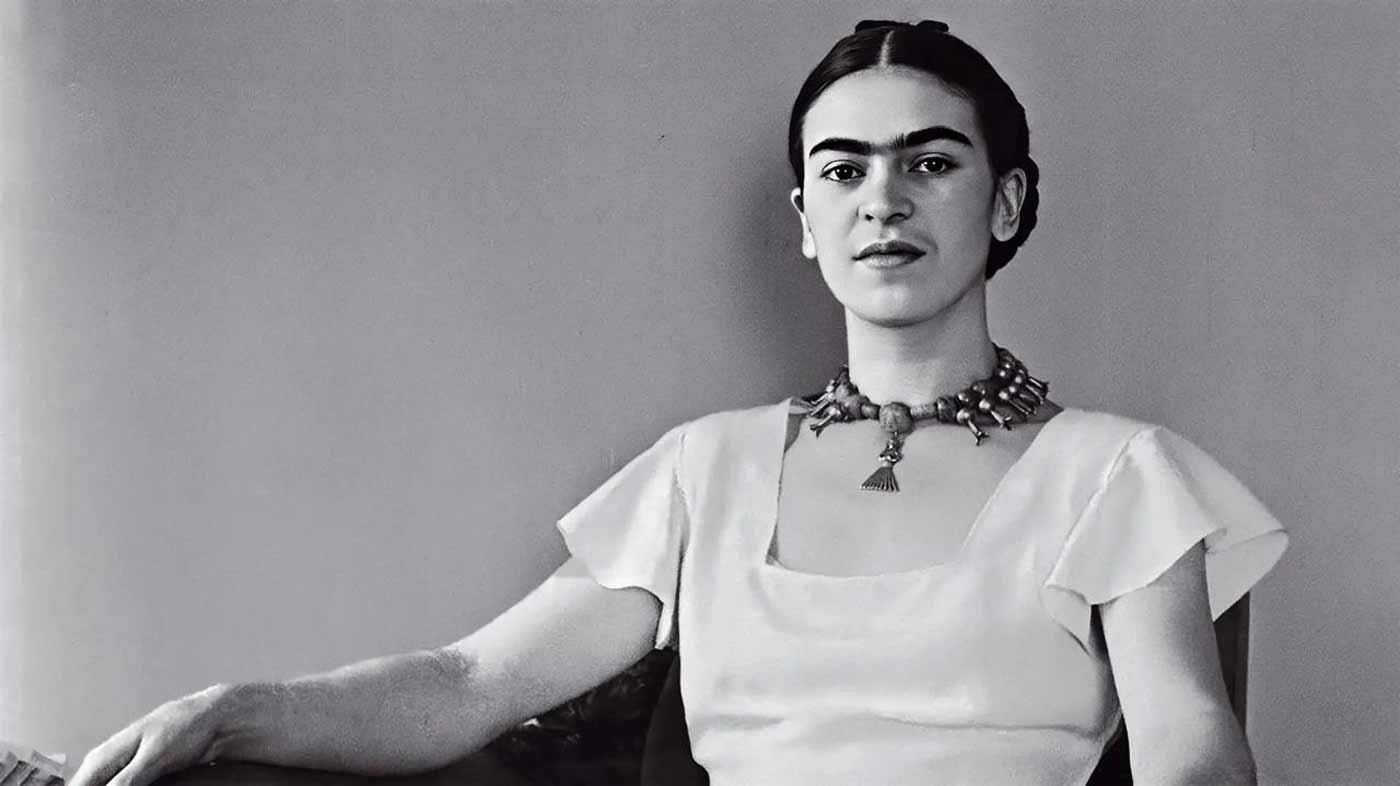
She Refused to Be Defined by Her Marriage
Frida Kahlo was married to the renowned Mexican muralist Diego Rivera, one of the most celebrated artists of his generation. Yet she refused to exist merely as “Diego Rivera’s wife.” While Rivera’s fame often overshadowed her during their marriage, Frida built an artistic identity entirely her own.
She maintained her own studio, exhibited her work independently, travelled without relying on her husband, and pursued her own political beliefs and creative ambitions. Today, her paintings are recognised worldwide, proving that her legacy stands independently of anyone else’s.
She Lived Authentically, Regardless of Society’s Expectations
Frida openly embraced her sexuality during an era when doing so invited harsh judgement. She had relationships with both men and women and has long been recognised as a bisexual icon.
Historical accounts link her romantically to several remarkable women, including legendary Mexican singer Chavela Vargas, entertainer Josephine Baker, and American artist Georgia O’Keeffe. Rather than hiding these relationships, Frida lived with remarkable honesty about who she was, making her an enduring figure of representation within LGBTQ+ history.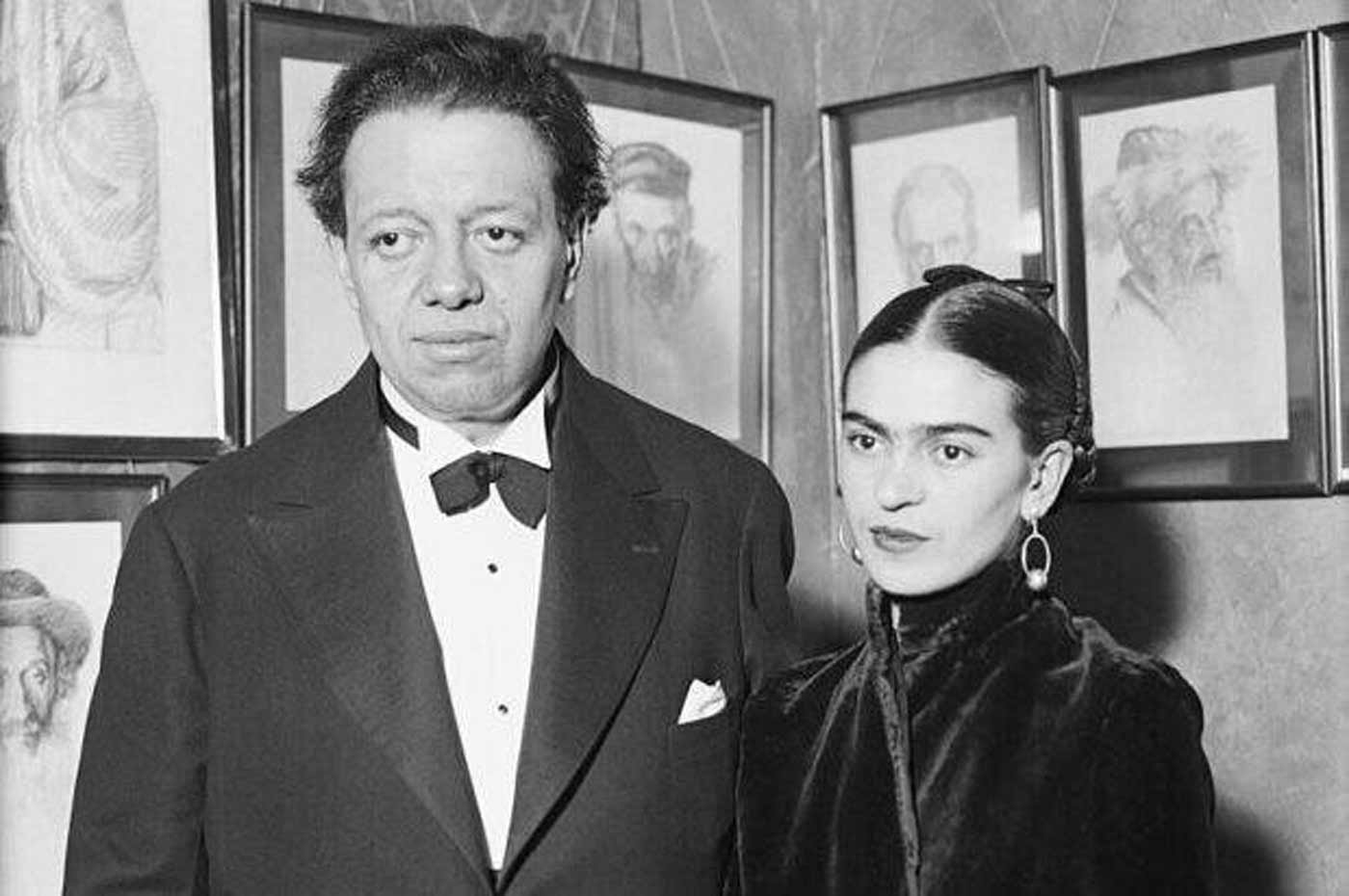
She Challenged Gender Norms
Long before conversations around gender expression entered public discourse, Frida questioned the rigid expectations placed upon women. She frequently blended traditionally masculine and feminine clothing, famously wearing tailored suits in some photographs while embracing elaborate Tehuana dresses in others. Her appearance became another form of artistic expression, rejecting the notion that femininity had to follow a single definition.
She also openly smoked, drank alcohol, spoke her mind, and participated in political activism, activities widely considered “unladylike” during her lifetime. Simply by existing as herself, Frida challenged deeply rooted stereotypes.
She Painted the Realities of Womanhood
One of Frida Kahlo’s greatest contributions to feminist art lies in her willingness to portray experiences that society preferred to keep hidden. Her paintings explored miscarriage, infertility, abortion, childbirth, chronic pain, disability, motherhood, and the emotional complexities of being a woman. Works such as Henry Ford Hospital and My Birth confronted physical and emotional suffering with remarkable honesty.
Rather than presenting idealised images of women, Frida painted the realities of female existence, the pain, vulnerability, resilience, and complexity that had rarely appeared in fine art before.
She Turned Pain into Art
At just eighteen years old, Frida survived a devastating bus accident that left her with multiple fractures, spinal injuries, and lifelong chronic pain. She underwent more than thirty surgeries throughout her life and often painted while confined to bed, using a specially designed easel and mirror suspended above her.
Instead of allowing suffering to silence her, she transformed it into creativity. Many of her self-portraits document not only physical pain but also emotional resilience, making them some of the most personal works in modern art.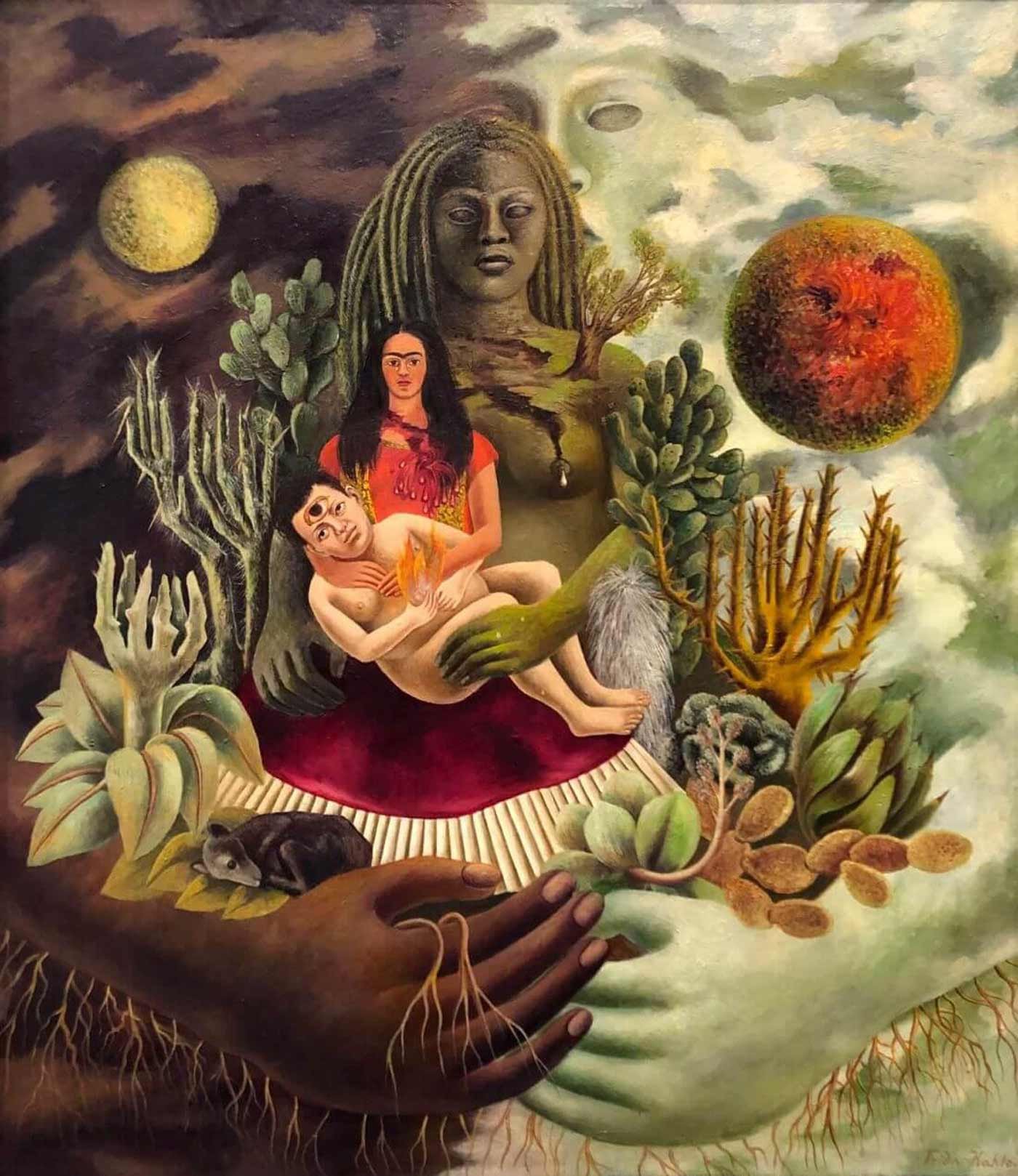
She Challenged Beauty Standards
Frida never attempted to conform to conventional ideals of beauty. She proudly retained her distinctive unibrow and visible facial hair, incorporating both into many of her self-portraits. At a time when women were expected to erase anything considered “imperfect,” Frida chose visibility instead of conformity.
Today, her embrace of natural body hair is often viewed as an early statement of body positivity and self-acceptance. Decades before these movements gained global attention, Frida reminded women that beauty does not require changing oneself to satisfy society’s expectations.
She Was Politically Fearless
Frida believed that art and politics could not be separated. A committed communist throughout much of her life, she used her paintings and public life to reflect her political convictions. She welcomed political refugees, including Russian revolutionary Leon Trotsky, and remained actively engaged in social causes despite deteriorating health.
Her activism reflected her belief that artists should not simply observe society but actively participate in shaping it.
A Legacy That Continues to Inspire
Frida Kahlo’s influence extends far beyond museums. She has become a global symbol of feminism, disability rights, LGBTQ+ visibility, artistic freedom, and body acceptance.
Her story reminds us that feminism is not simply about demanding equality, it is also about claiming the right to exist authentically, to express oneself without apology, and to transform vulnerability into strength.
Nearly 120 years after her birth, Frida Kahlo remains more than an artist. She remains a movement, proving that true individuality can outlive generations and continue inspiring those determined to challenge the world around them.