

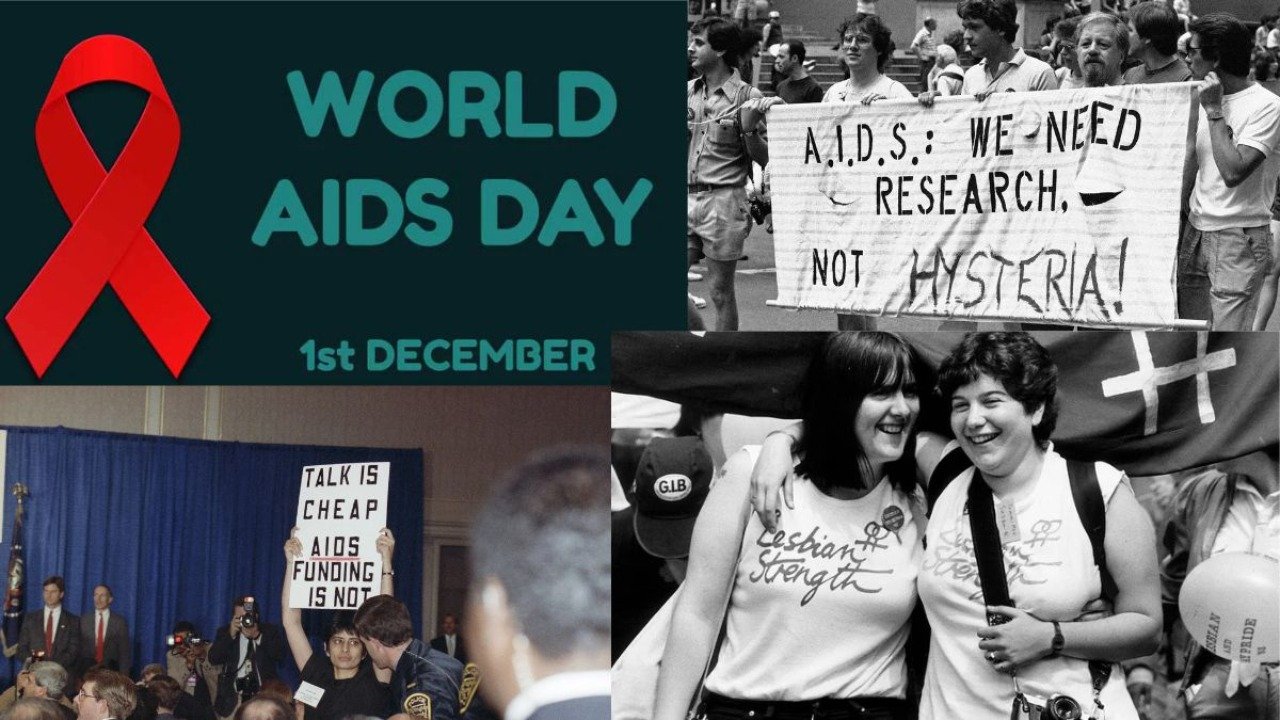
Why ‘L’ comes first in LGBTQ: Honouring lesbians’ role in the fight against AIDS
Every year on 1 December, the world observes World AIDS Day to raise awareness about HIV/AIDS, remember those who have lost their lives, and recognise the ongoing fight against the epidemic. While the focus is often on gay men, it is important to acknowledge the crucial role lesbians played during the AIDS crisis, which also explains why the ‘L’ comes first in the acronym LGBTQ.
During the 1980s and 1990s, HIV/AIDS disproportionately affected gay men. Stigma, discrimination, and widespread ignorance meant that many patients were left without care or support. In response, lesbian activists stepped in to provide medical, donated blood, emotional, and community support. They volunteered in hospitals, delivered home care to the sick, organised fundraising drives, and advocated for research and better healthcare policies.
This activism was ground-breaking because it crossed traditional social boundaries. Many of these women risked personal and professional backlash to care for men who were often ignored or marginalised by society. Their dedication saved countless lives and ensured that HIV/AIDS patients received compassion and attention at a time when resources were scarce.
The prominence of the letter ‘L’ in LGBTQ is, in part, a recognition of this leadership. By placing lesbians first, the community honours their contributions, both in supporting gay men during the AIDS epidemic and in fighting for women’s representation and equality within the broader LGBTQ movement. Lesbians were not just allies; they were central figures in advocacy, activism, and the push for inclusivity.
World AIDS Day is also a reminder that HIV/AIDS affects all communities, and that solidarity is essential. The historical contributions of lesbians during the crisis show the power of intersectional activism, where gender, sexuality, and compassion intersect to fight a public health emergency.
Today, the LGBTQ community continues to fight HIV/AIDS while promoting awareness, prevention, and treatment. Remembering the role lesbians played in this struggle is crucial, it highlights the ongoing need for solidarity, recognition, and inclusivity within advocacy movements.
In conclusion, the ‘L’ in LGBTQ is not arbitrary. It symbolises the bravery, compassion, and leadership of lesbians, particularly during the AIDS crisis. As World AIDS Day reminds us, the fight against HIV/AIDS is deeply tied to community, activism, and the recognition of those who worked tirelessly behind the scenes to save lives.