
After BAFTA Triumph, Boong Emerges as a Beacon of Culture, Hope and Global Indian Cinema
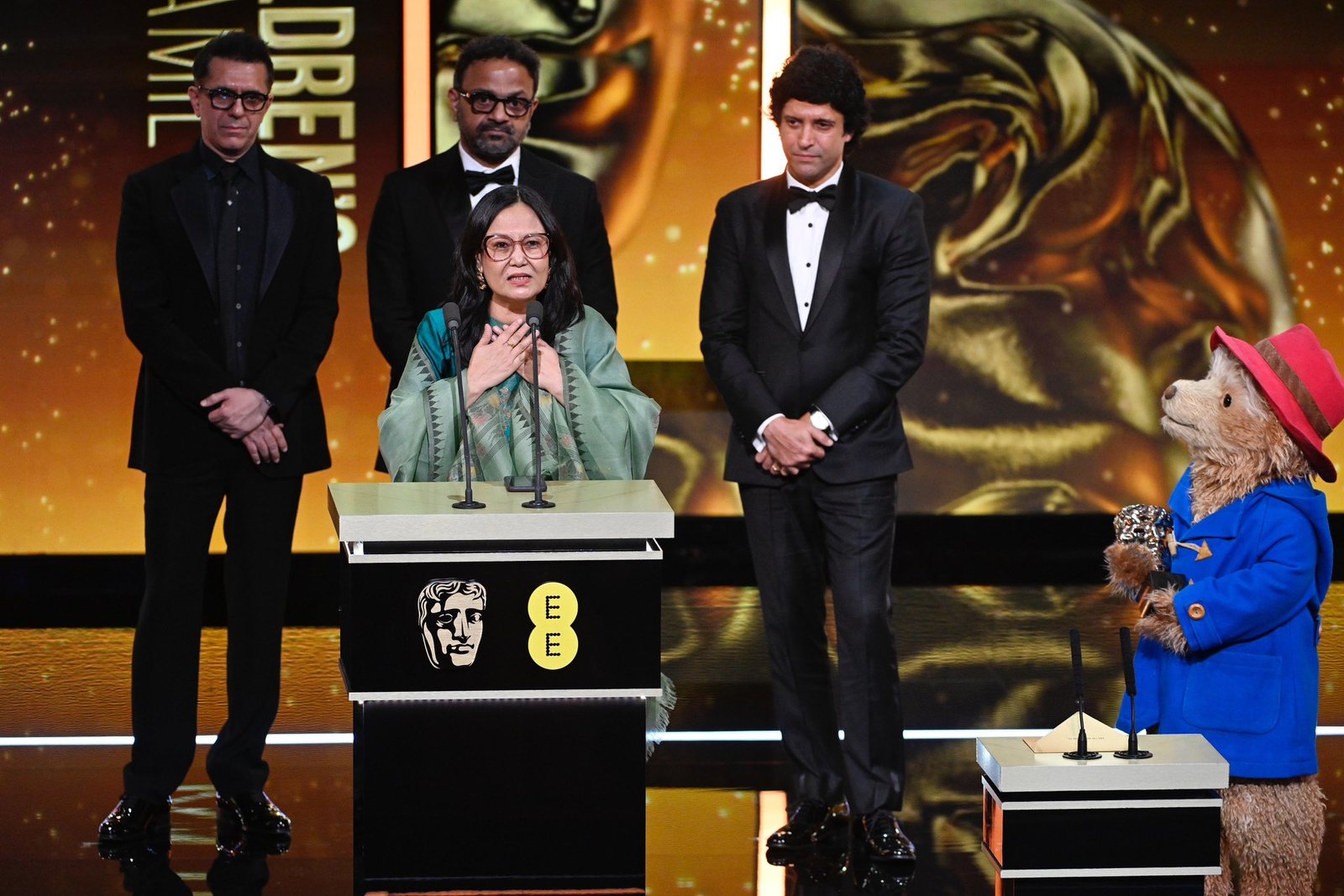
The global film stage witnessed a historic moment on February 22, 2026, as Boong, a regional Manipuri movie backed by Farhan Akhtar’s production house, clinched the Best Children’s & Family Film award at the 79th British Academy of Film and Television Arts (BAFTA) Awards held in London’s Royal Festival Hall. In a remarkable achievement, the film not only stood tall among strong international contenders like Zootopia 2 and Lilo & Stitch, but also became the first Indian film to ever win in this prestigious category.
This triumph represents more than an accolade on the world stage, it is a cultural milestone that places Indian regional cinema, particularly from the Northeast, firmly on the global cinematic map. For a film told in the Manipuri language, rooted deeply in its own landscapes and authentic narratives, to receive such international acclaim is both an artistic and emotional victory.
A Heartfelt Story With Universal Resonance
Boong is a coming-of-age story directed by Lakshmipriya Devi in her feature film debut. The narrative centres on a young boy, Boong, who embarks on a heartfelt journey to reunite his fractured family by finding his missing father, a mission he believes will bring joy to his mother. The story, while simple at surface, unfolds with rich emotional depth, touching on themes of innocence, resilience, identity, and unwavering love.
Set against the backdrop of Manipur’s serene hills and the border town of Moreh, with scenes crossing into Myanmar, Boong blends local colour with universal emotion. The film features compelling performances by child actor Gugun Kipgen as the title character, Bala Hijam Ningthoujam as his mother Mandakini, and Angom Sanamatum as his best friend Raju.
From Regional Beginnings to Global Recognition
Before its BAFTA success, Boong had already garnered notice on the international film festival circuit. It premiered in the Discovery section of the 2024 Toronto International Film Festival and went on to be screened at festivals in Melbourne, Mumbai, Warsaw, and elsewhere, winning awards along the way. This steady momentum demonstrated the film’s emotional reach and universal appeal.
Production was completed just weeks before ethnic violence escalated in Manipur, making the film’s release and journey to international acclaim an even more poignant testament to artistic determination under challenging circumstances.
Voices on the International Stage
On receiving the BAFTA, director Lakshmipriya Devi used the global platform not only to celebrate her team but also to advocate for her homeland. In her acceptance speech, she made an earnest appeal for peace to return to Manipur, calling on international audiences to recognize that conflict should never overpower humanity’s power to forgive. This emotional plea resonated widely, making the moment as much about hope and humanity as about cinematic success.
Producers Farhan Akhtar and Ritesh Sidhwani also shared their pride in the project, highlighting that Boong represents stories from regions that are seldom featured on the global stage. Akhtar noted his long personal connection with Devi and emphasized that the film’s authenticity and heart made it worthy of international recognition.
National and Regional Reactions
Back home, responses to Boong’s BAFTA win have been effusive. Narendra Modi, India’s Prime Minister, took to social media to extend congratulations to the cast and crew, calling the achievement “a moment of immense joy, especially for Manipur” and highlighting the immense creative talent within the nation.
In Manipur itself, Chief Minister Yumnam Khemchand Singh described the win as a proud moment that elevates the cultural and artistic stature of the state and India. He underscored how a regional story, rooted in specific local experiences, has now become a global conversation starter about compassion, resilience, and cultural diversity.
A New Chapter for Indian Regional Cinema
The BAFTA victory for Boong is more than just a film award; it’s a cultural statement. It highlights the power of regional stories to transcend borders and connect with audiences across the world. It also serves as an inspiration to filmmakers from underrepresented regions, emphasizing that authentic voices, when given the opportunity, can resonate on the grandest global platforms. Boong’s success is a testament to the growing diversity and richness of Indian cinema in the 21st century.