
A life in art and nationhood
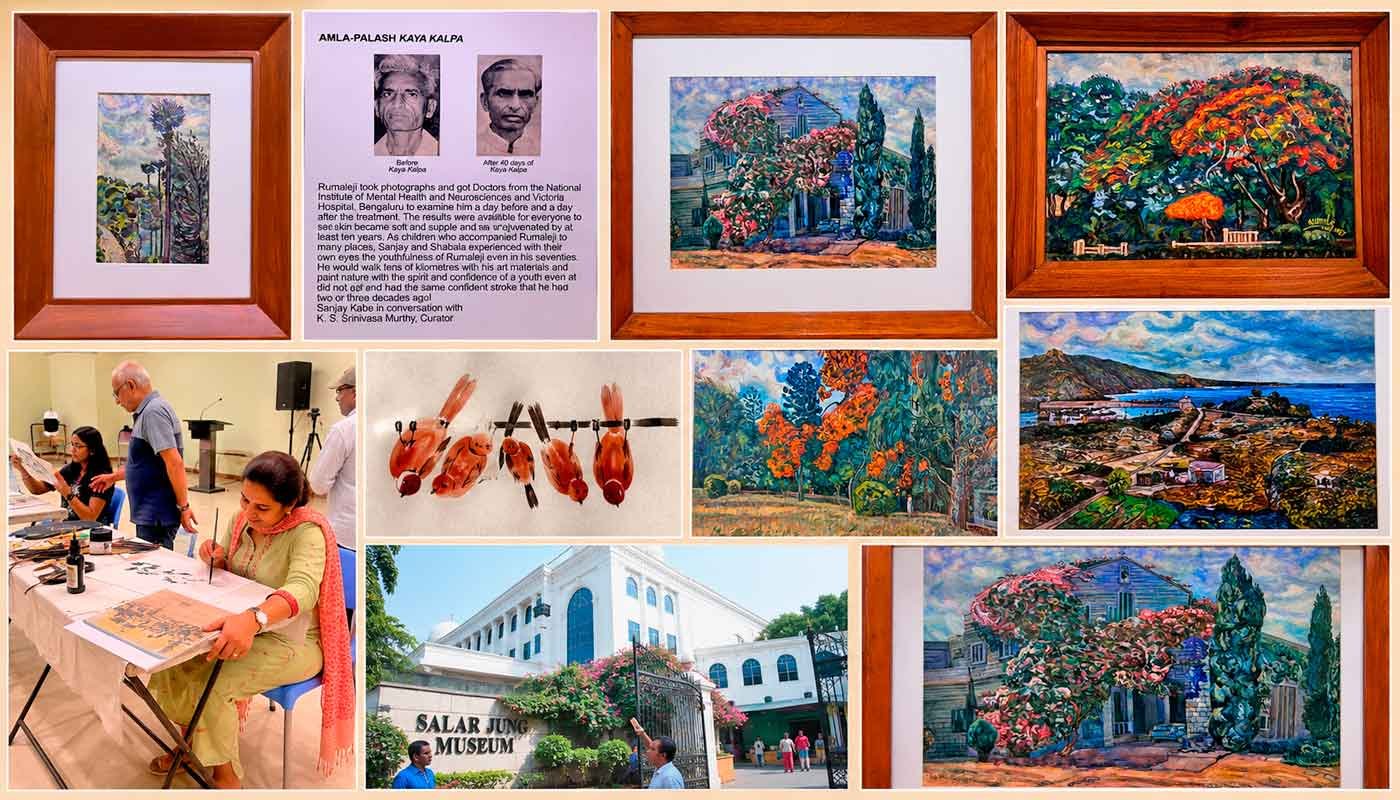
At the Salar Jung Museum in Hyderabad, the current exhibition on Rumale Chennabasaviah, feels less like a display of paintings and more like a meeting with a life lived at full intensity. Curated by Srinivas Murthy, the show presents Romale not only as an artist, but also as a freedom fighter, public servant, and visionary whose watercolours capture the discipline, energy, and historical memory of a changing India.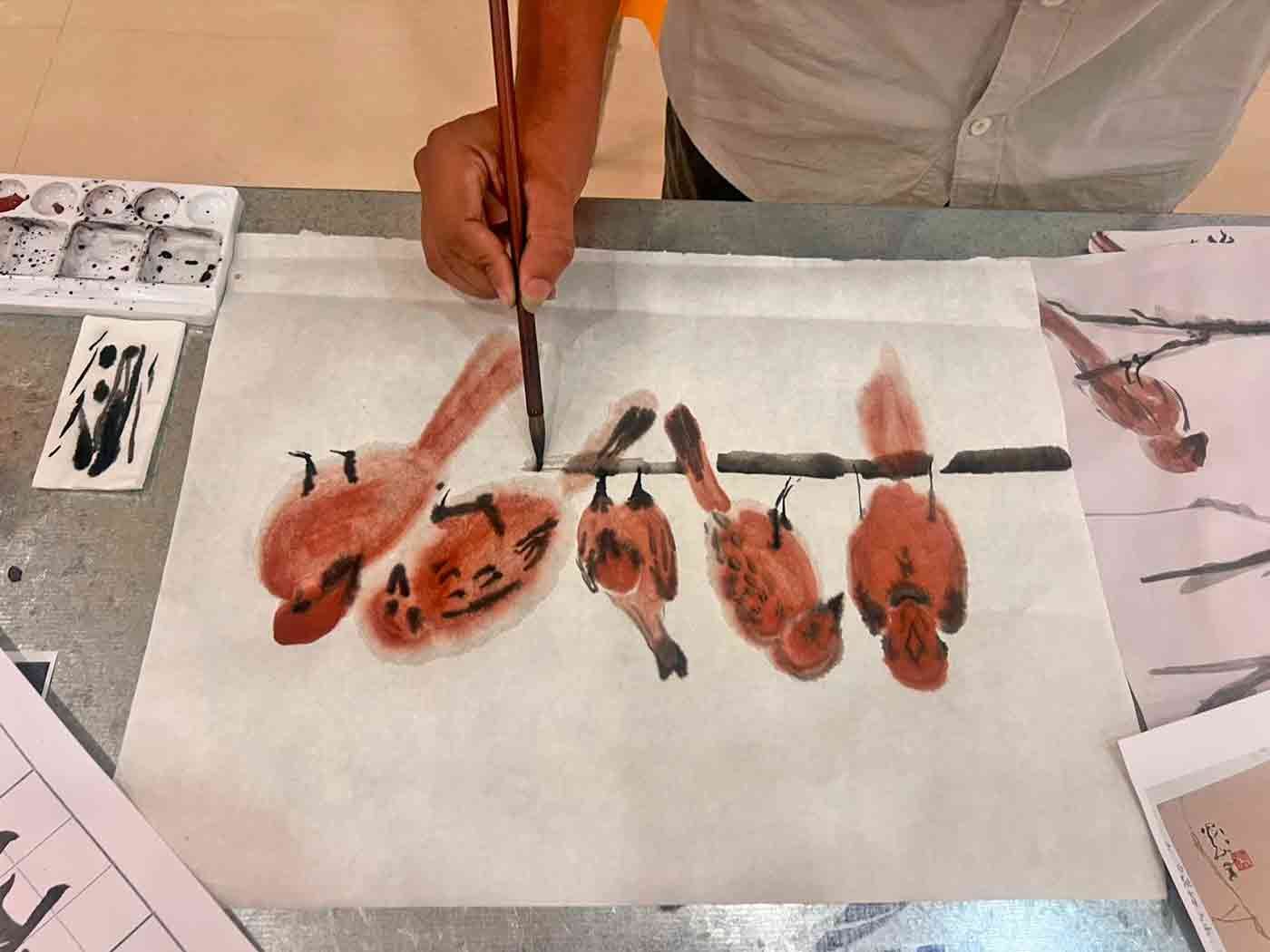
From Bengaluru to the freedom struggle
His story begins in 1910, in the outskirts of Bengaluru, where he was born into a world that would soon be transformed by the independence movement. As a young man, he trained at Kalamandir and prepared to take art seriously as a profession. But when Gandhiji called the youth to join the freedom struggle, Romale made a decisive choice: he put art aside and dedicated himself to the nation’s political awakening.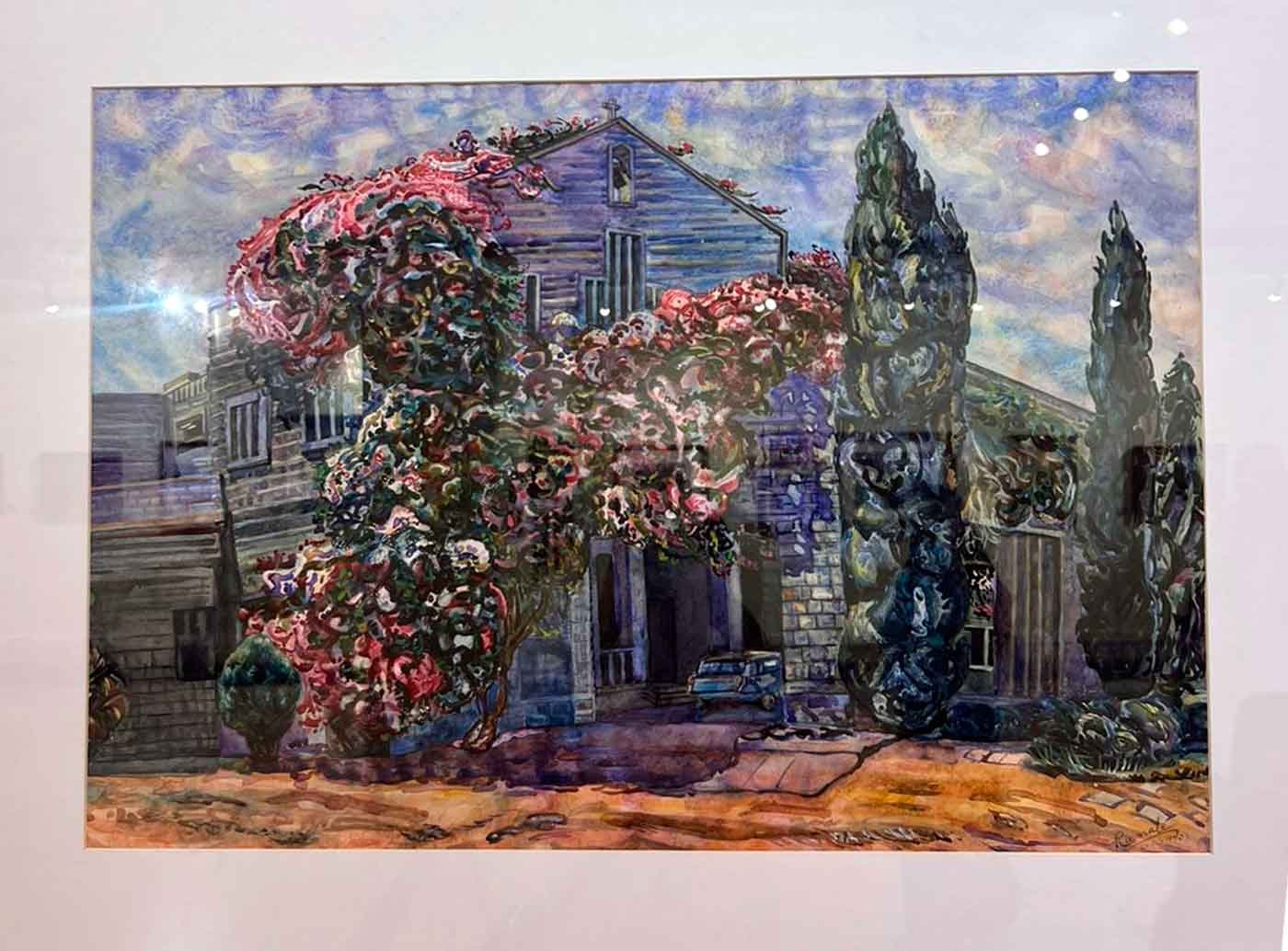
Sacrifice before self-expression
That choice shaped everything that came after. During the long years of the freedom movement, Rumale lived with the belief that art could wait, but freedom could not. He was known for his single-minded commitment, and that same discipline later became visible in his paintings. When he eventually returned to art, his work carried the weight of experience, sacrifice, and purpose.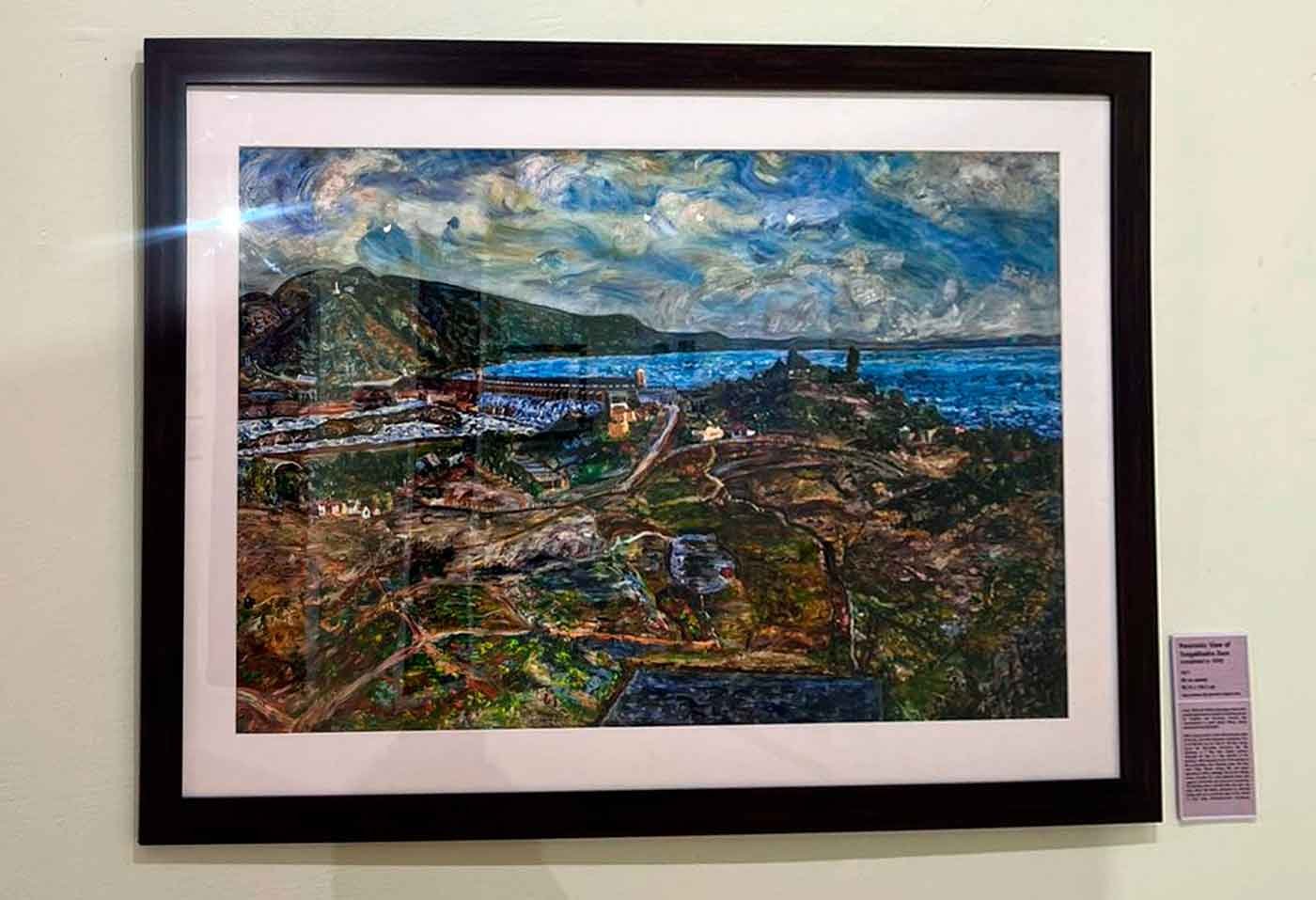
Public service after independence
After India gained independence in 1947, Rumale thought he could finally return fully to painting. But the leaders of then Mysore State asked him to continue serving public life, saying that a young nation needed visionary people to help guide its future. He accepted that responsibility and spent the next 15 years in public service. He served two terms as an MLC, edited a newspaper called Tadu or “Motherland,” and worked closely with Gandhian social-service movements that trained young people for leadership and service.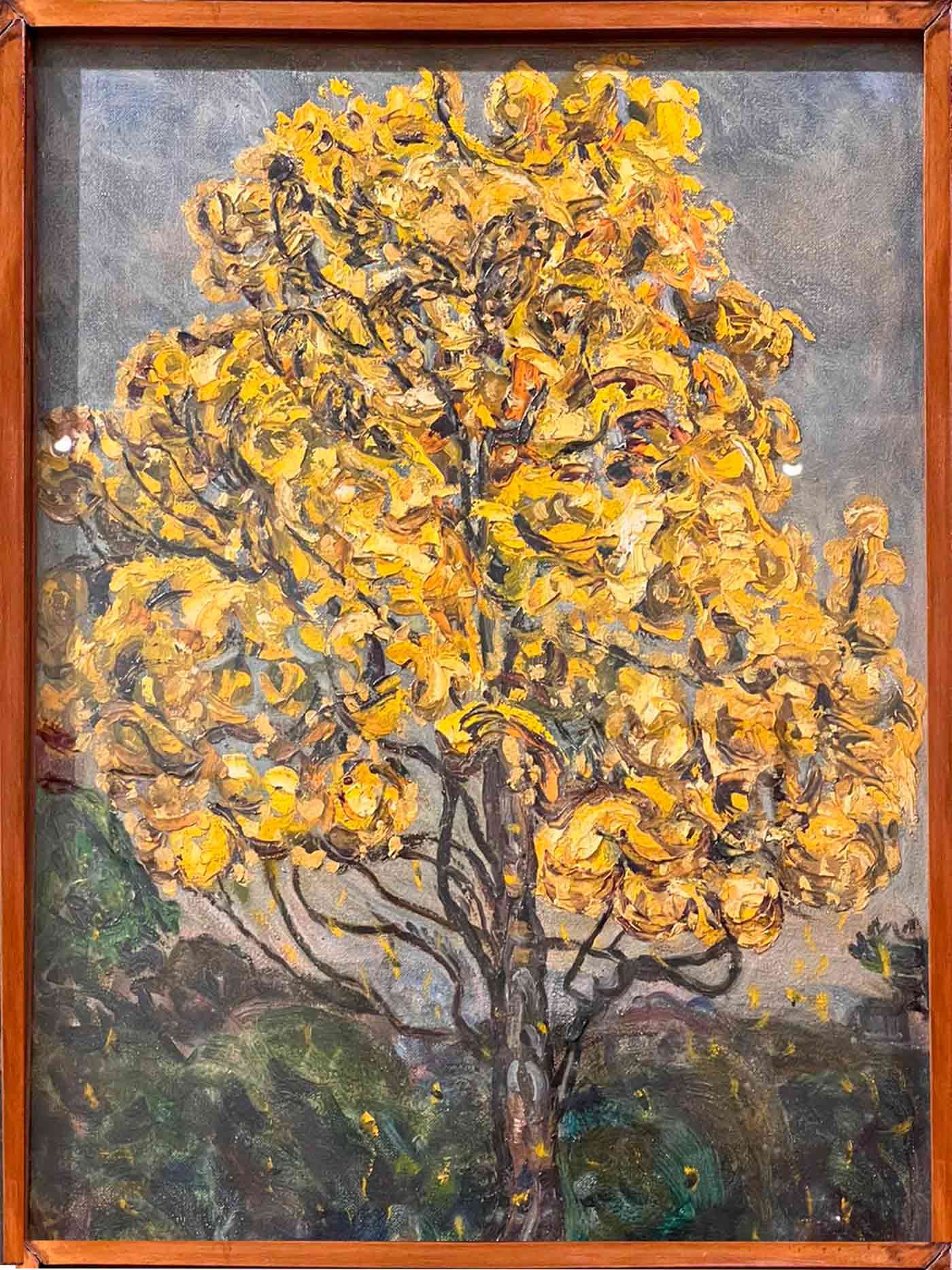
Art rooted in public life
This public life matters because it explains why Rumale’s art feels so deeply connected to the nation. He was not painting from the edge of society; he was part of the building of modern Karnataka. His work was shaped by a rare combination of political engagement, social concern, and artistic vision, which is why his paintings still feel alive rather than merely historical.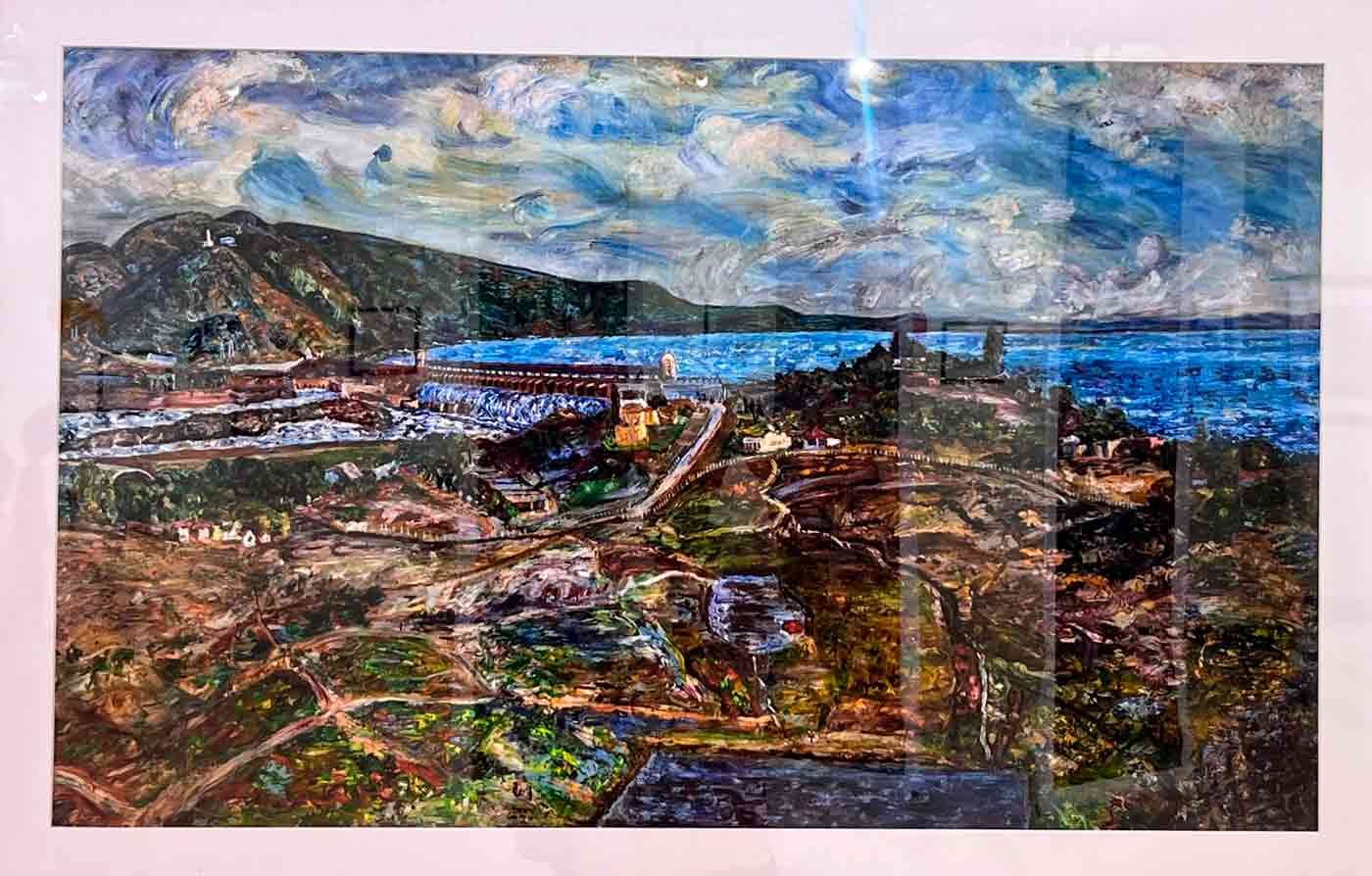
Mastery of watercolour
What makes Rumale especially remarkable is his mastery of watercolour, one of the most demanding art mediums. Watercolour allows little room for correction, so every stroke has to be decisive. Rumale embraced that challenge and became known for painting directly from nature, without relying on studio shortcuts or overworked compositions. He also experimented with large-format watercolours, proving that the medium could be as monumental as oil or acrylic when handled with skill and confidence.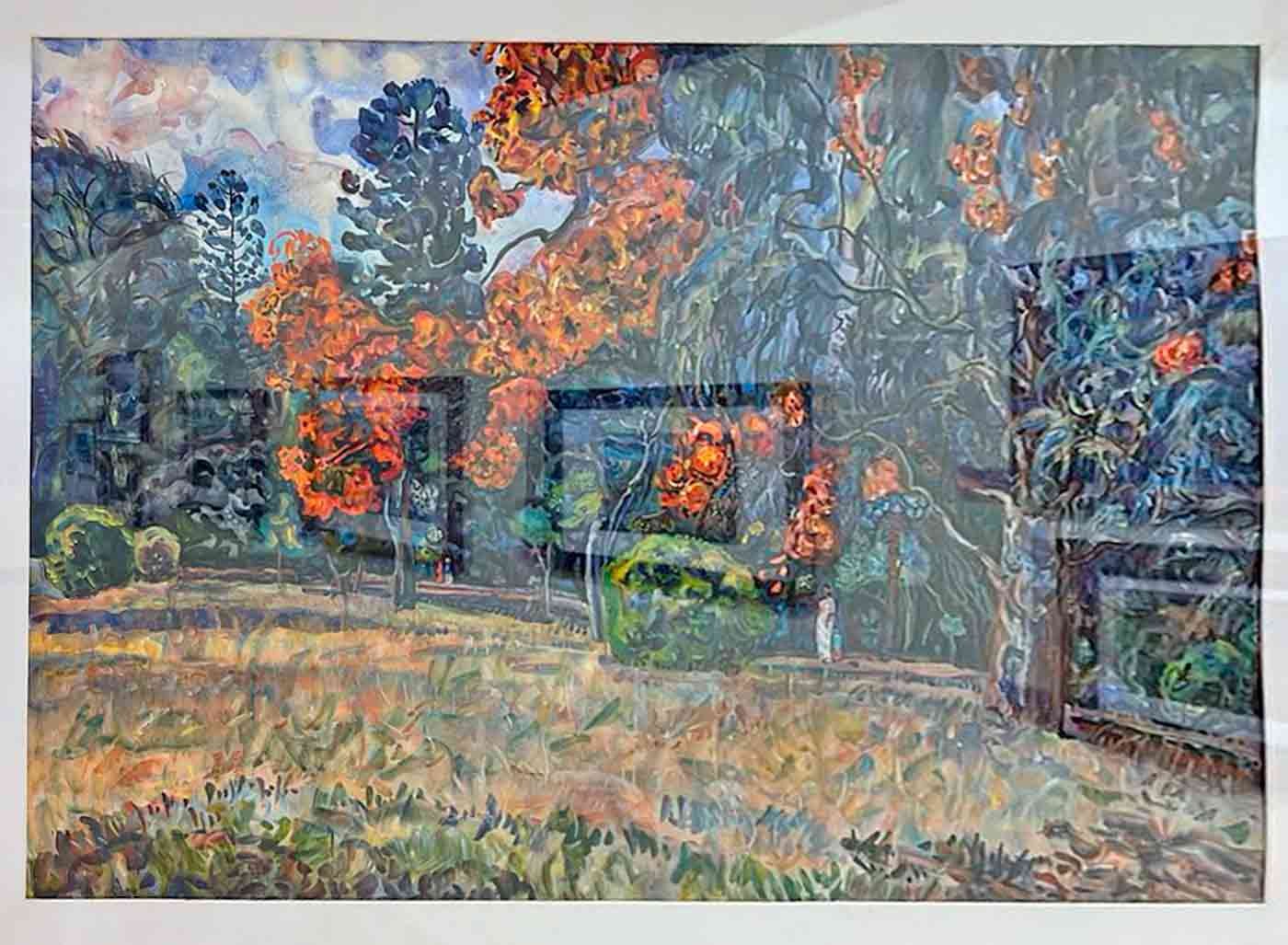
Brushwork as expression
One of the works that reflects this approach is his landscape painting shown in the exhibition, where the brushwork itself becomes part of the meaning. In watercolour, the brush is not only a tool for putting colour on paper; it must hold pigment, carry water evenly, and release both with control. A good brush can create broad washes for sky and land, then shift instantly into fine lines, textures, and directional strokes. Rumale’s paintings show exactly this kind of command, where the brush seems to move with both freedom and precision.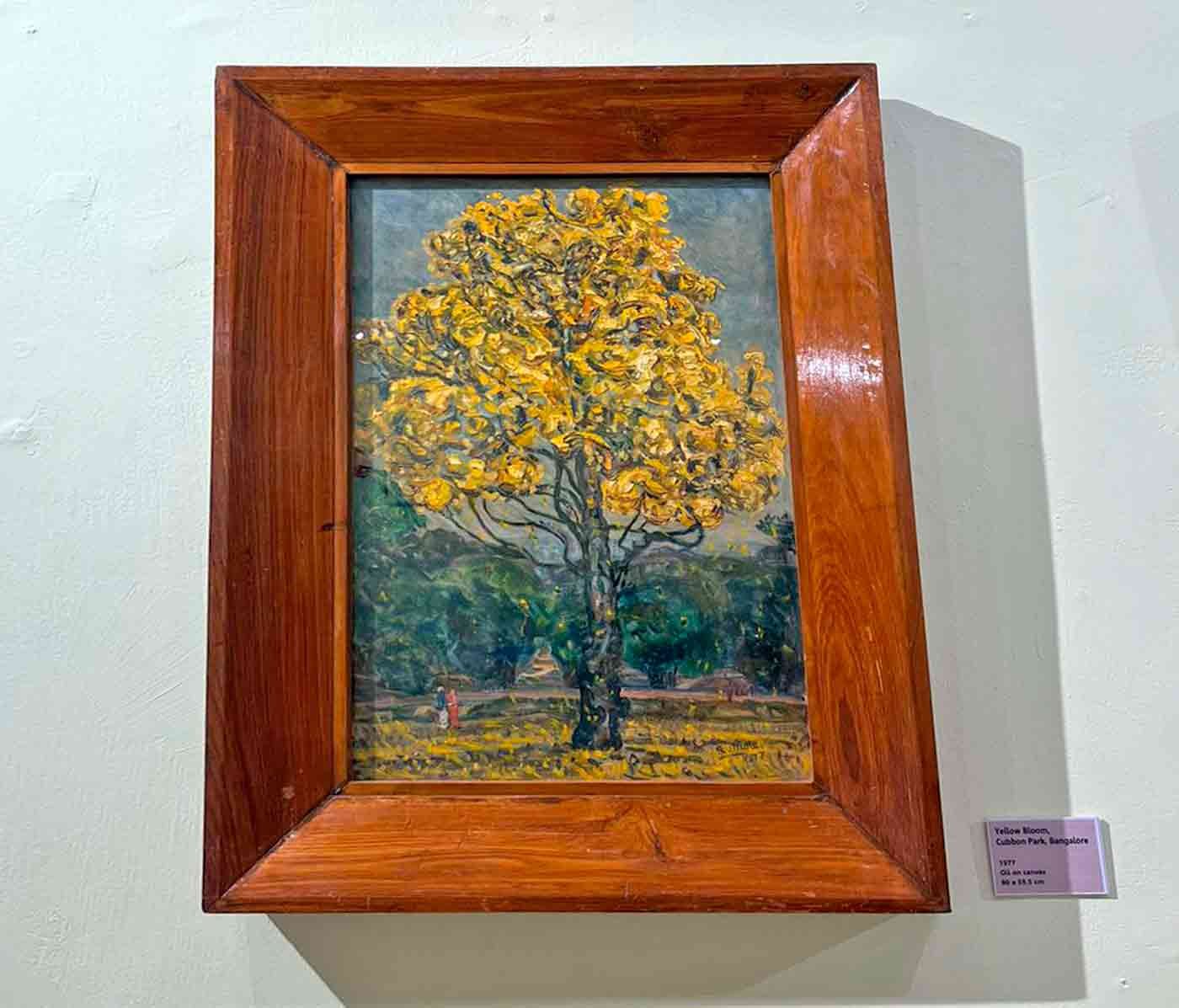
Paint that seems to breathe
The power of his paintings lies in that brushwork. His strokes are not decorative; they are purposeful, controlled, and full of movement. He mixed colours directly on paper, creating works that feel immediate and fresh, as if they were caught in the exact moment of seeing. That is why even his landscapes carry a strong pulse. They do not simply describe a place; they seem to breathe.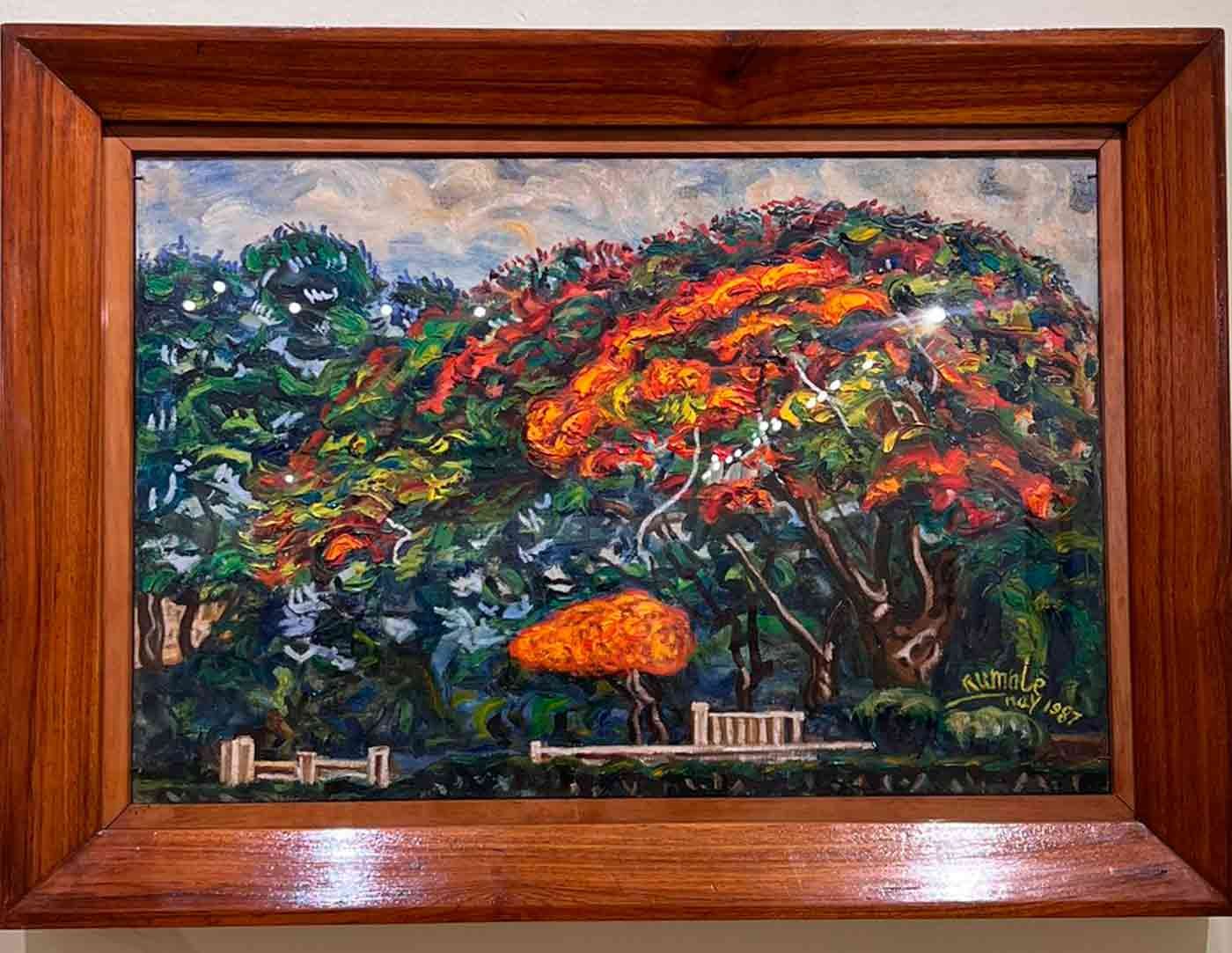
Memory before disappearance
One of the most important ideas behind Rumale’s work is documentation. During the period when dams were being built across the region, many villages and towns were submerged under water. Romale understood that these places would vanish physically, even if they remained important in memory. He therefore painted them so future generations would know what once existed. In that sense, his art became an act of preservation as much as creation.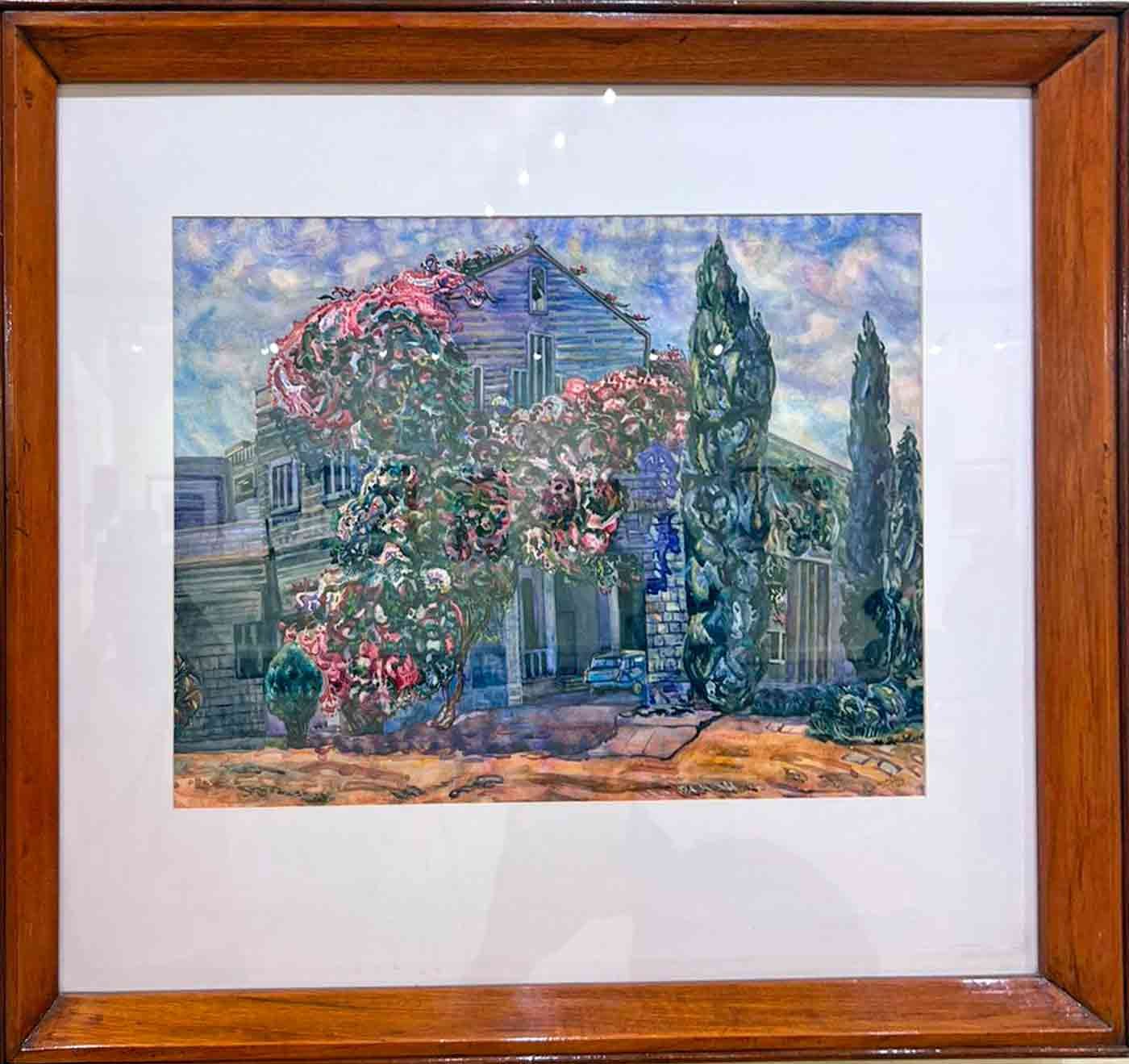
Landscapes as witness
This gives the exhibition a special emotional and historical depth. The paintings are not just beautiful images; they are records of changing landscapes, development, displacement, and memory. A viewer looking at them today sees more than scenery. One sees an artist warning that progress without memory can erase entire worlds.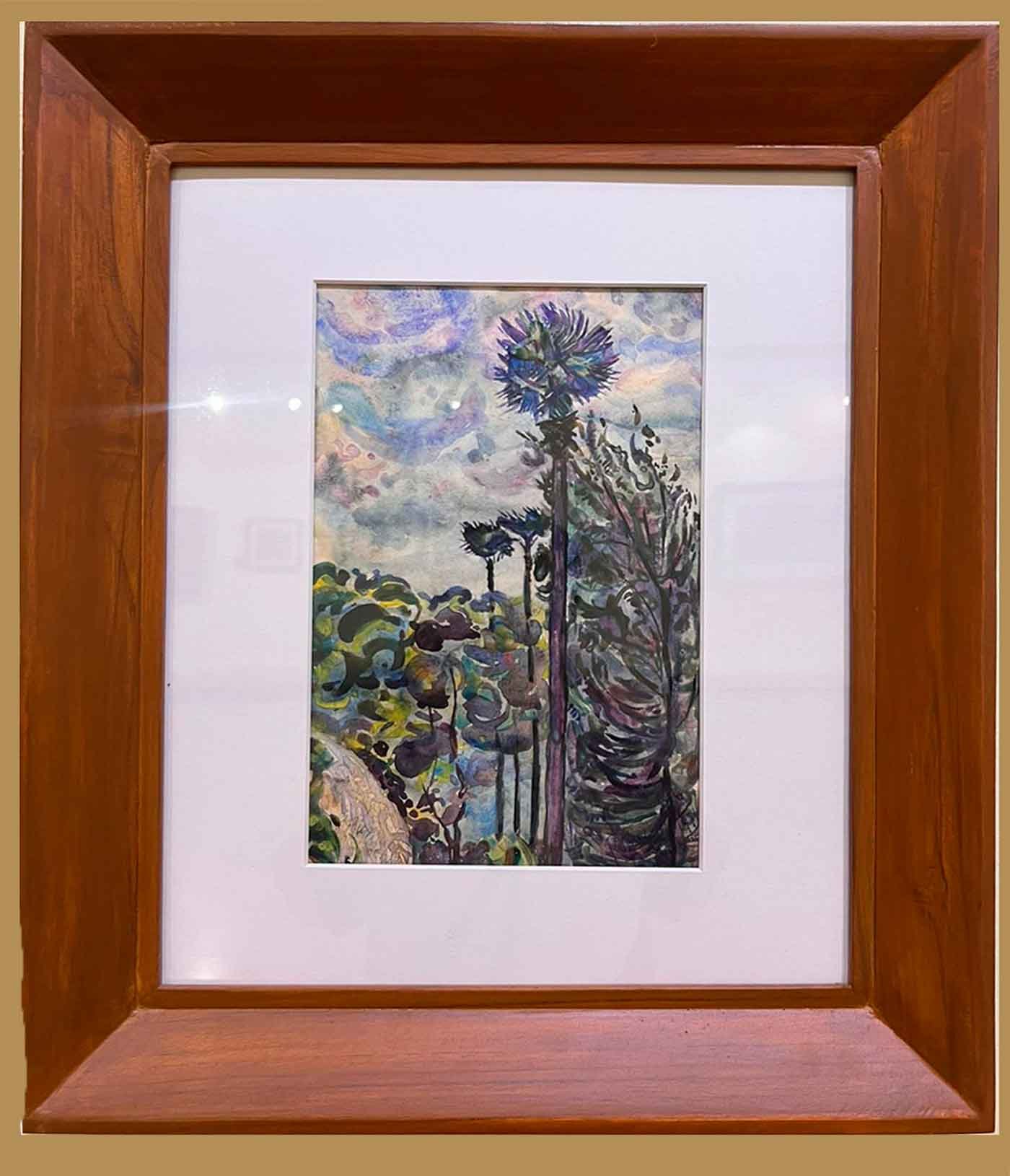
The spiritual dimension
Rumale’s life also had a spiritual side, which adds another layer to his artistic identity. The exhibition narration describes his deep devotion to his guru and his practice of kayakalpa, a severe discipline involving darkness, silence, isolation, and physical restraint. Whether one approaches this as a spiritual practice or as a symbol of inner transformation, it shows that Romale’s life was guided by a search for discipline and renewal. His art, too, seems to arise from that same inner seriousness.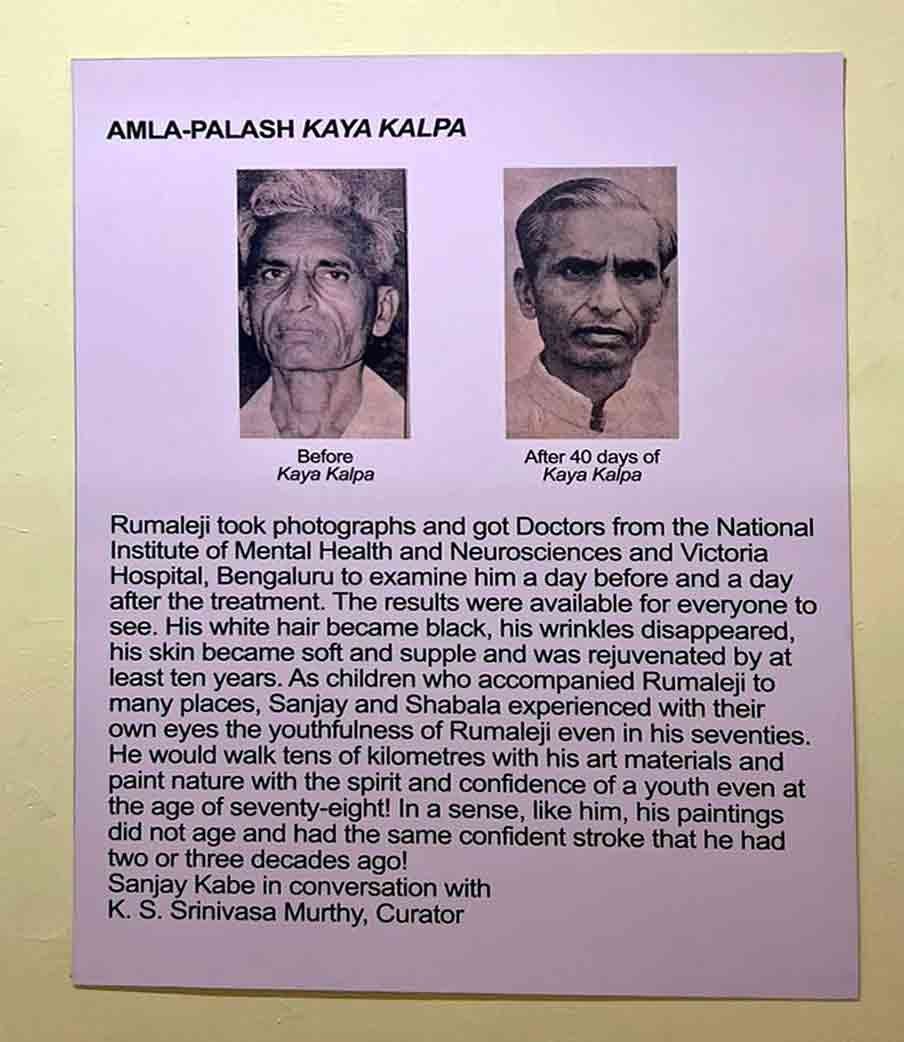
Why the exhibition matters
That is why the Salar Jung Museum exhibition, curated by Srinivas Murthy, is worth seeing slowly. The works demand close attention, especially to the way the brush moves, how the colour sits on the paper, and how space is opened up through restraint rather than excess. Visitors familiar with Romale’s name will find new appreciation for his technical command, while first-time viewers will likely be struck by how modern and alive the works still feel.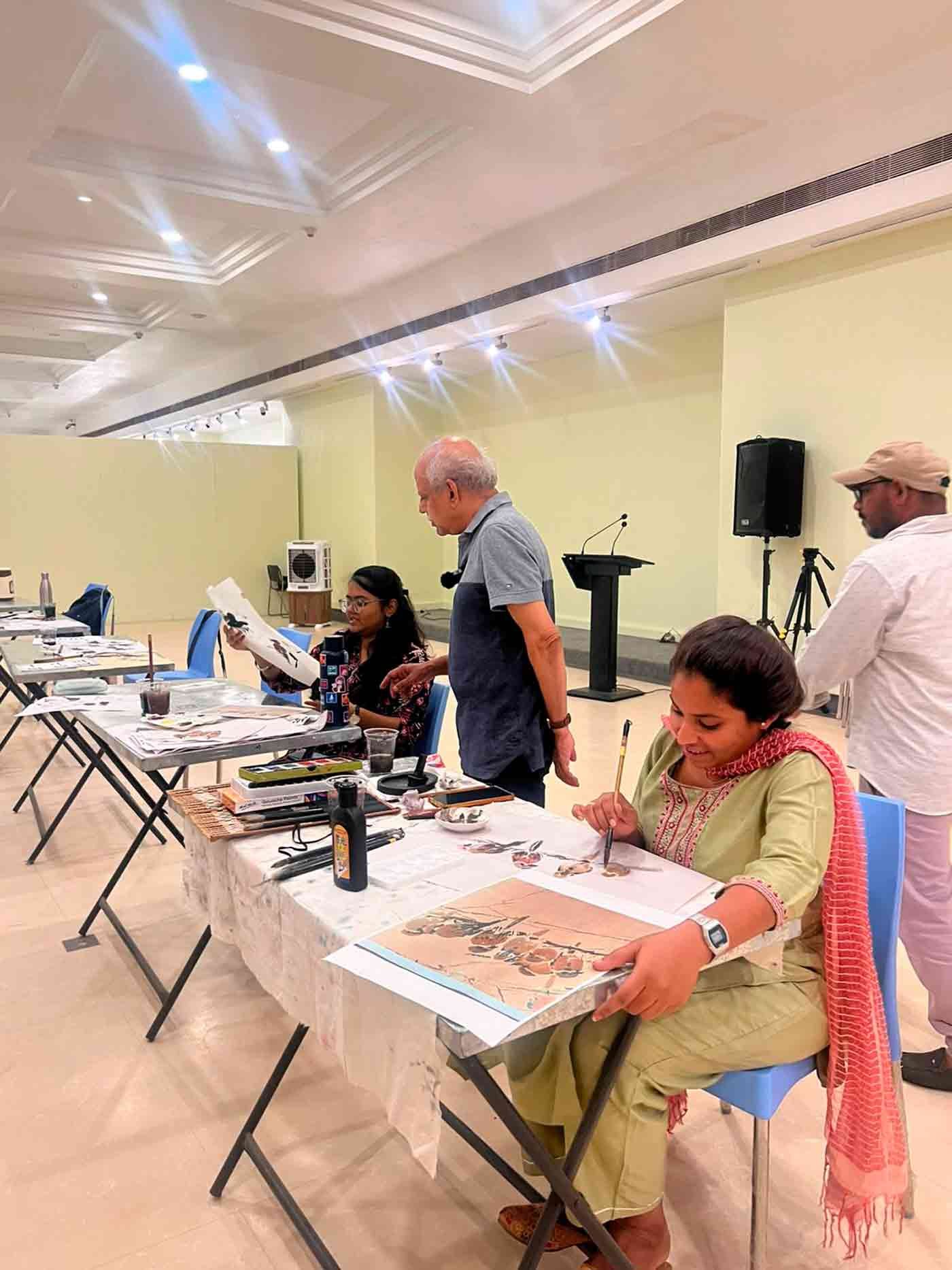
Closing on legacy
The exhibition, open till 24 May, arrives at the right moment for readers and art lovers who want to understand a figure that history often keeps at the margins. Rumale was a freedom fighter who did not abandon art, and an artist who never stopped serving the nation. His paintings are therefore not just visual objects; they are acts of witness.
Art with conscience
In a museum filled with many kinds of memory, Rumale watercolours stand out because they carry both beauty and duty. They remind us that art can preserve what politics, urban growth, and time itself may otherwise erase. That is the enduring power of Chenna Basaviah Romale: he painted not only with skill, but with conscience.
For a city like Hyderabad, where art lovers are always looking for work that feels both rooted and revealing, Chenna Basaviah Romale’s exhibition at Salar Jung Museum offers exactly that experience. It is not just a chance to see beautiful watercolours, but to encounter an artist who painted with conviction, memory, and a deep sense of responsibility to his time.
For Friday Wall readers, this is the kind of show that lingers long after you leave the gallery: quietly powerful, historically rich, and impossible to look at without feeling the weight of both art and nationhood. Read on to www.fridaywall.com
By Vaishnavi DR