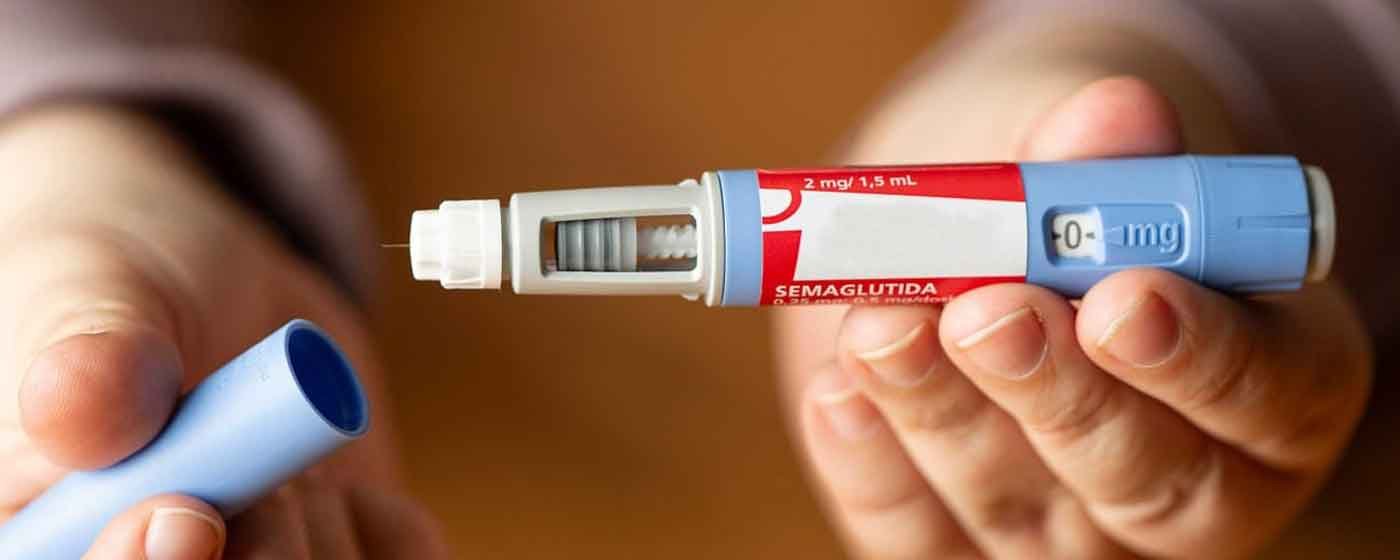

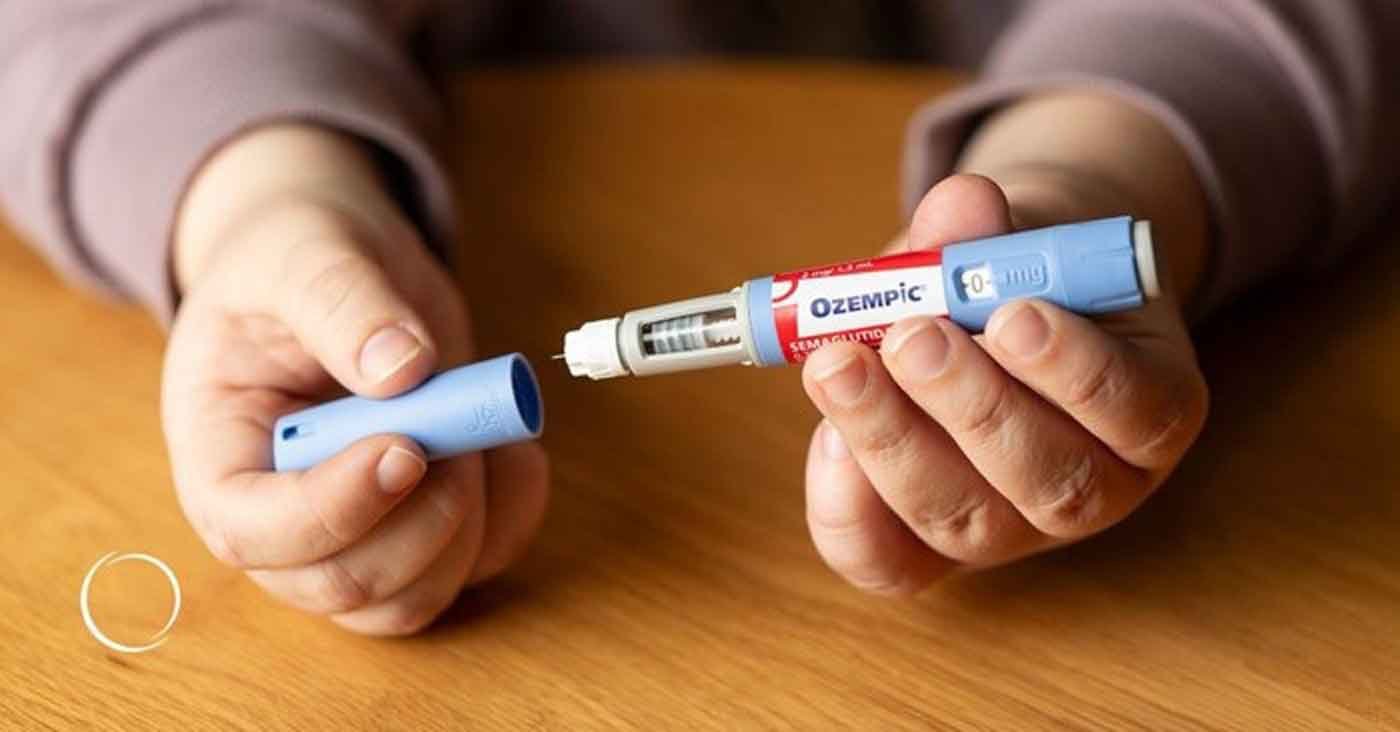
The cost of popular diabetes and weight-loss treatments is set to drop sharply in India following a key patent expiration. On March 21, Novo Nordisk lost its patent protection in India for semaglutide, the active compound used in widely known drugs such as Ozempic and Wegovy.
The development is expected to open the floodgates for more affordable generic alternatives. The first of these products could reach the Indian market within days, signaling a major shift in access to treatment.
Among the early entrants, Natco Pharma has announced plans to introduce semaglutide injections at an estimated monthly cost of just $14. In addition, the company is preparing to roll out a reusable injection pen priced at around $48—significantly cheaper than the branded version currently available.
Industry projections suggest that competition will intensify rapidly. Around 42 pharmaceutical companies are expected to introduce semaglutide-based drugs under more than 50 different brand names by 2026, reflecting strong market demand and commercial interest.
While semaglutide patents have also expired in Canada, generic versions have not yet been launched there, positioning India as the first country to see widespread rollout. Other markets—including China, Brazil, Turkey, and South Africa—are expected to follow suit. In contrast, stricter regulatory frameworks mean generics are unlikely to be available in the United States and Europe until the early 2030s. Attempts by Novo Nordisk to prevent generic entry in Indian courts were unsuccessful.
Originally approved by the U.S. Food and Drug Administration for managing type 2 diabetes, semaglutide has gained global popularity for its weight-loss effects. This surge in off-label use has, at times, contributed to supply shortages for patients who rely on the drug for diabetes care. According to the World Health Organization, India has an estimated 77 million adults living with diabetes, alongside a rapidly increasing rate of obesity.
Experts view India’s evolving market as a critical case study for the global pharmaceutical industry. The entry of multiple manufacturers is expected not only to lower costs but also to drive innovation, including alternative delivery methods such as oral formulations.
However, the growing availability of semaglutide has also raised concerns. Health professionals warn that easier access could lead to misuse, particularly as the drug gains popularity beyond medical necessity. Some critics have also pointed to the influence of celebrity culture in promoting unrealistic body standards, drawing parallels to the ultra-thin trends of the 1990s.