
Babban Khan to Jeelani Bano and other legends of music, theatre, and sport — Hyderabad’s cultural icons deserve more than fleeting remembrance. A reflection on why the city must do more to celebrate its living heritage beyond obituary columns.
Article by Rajeshwari Kalyanam
A legend in his own right, a theatre actor and comic, and a Guinness World Records holder for the longest-running one-man show, Babban Khan passed away after a bout of illness on Saturday, April 18. Incidentally, April 18 is World Heritage Day. While the city of Hyderabad was celebrating its heritage—or whatever is left of it—an important part of its living heritage became yet another lifeless page on the cultural map of the city.
Babban Khan and the Legacy of Deccani Humour
Babban Khan remained an enigmatic name for many children of the late 1970s and 1980s. One surely heard of him on the radio, thanks to the daily jingles promoting his popular play Adrak Ke Panje. Some knew of him through their parents and the many audio and video cassettes at home; a fortunate few watched him perform live on stage. He was brilliant at what was once a vibrant art form—Deccani humour.
As Harsha Bhogle shared on X: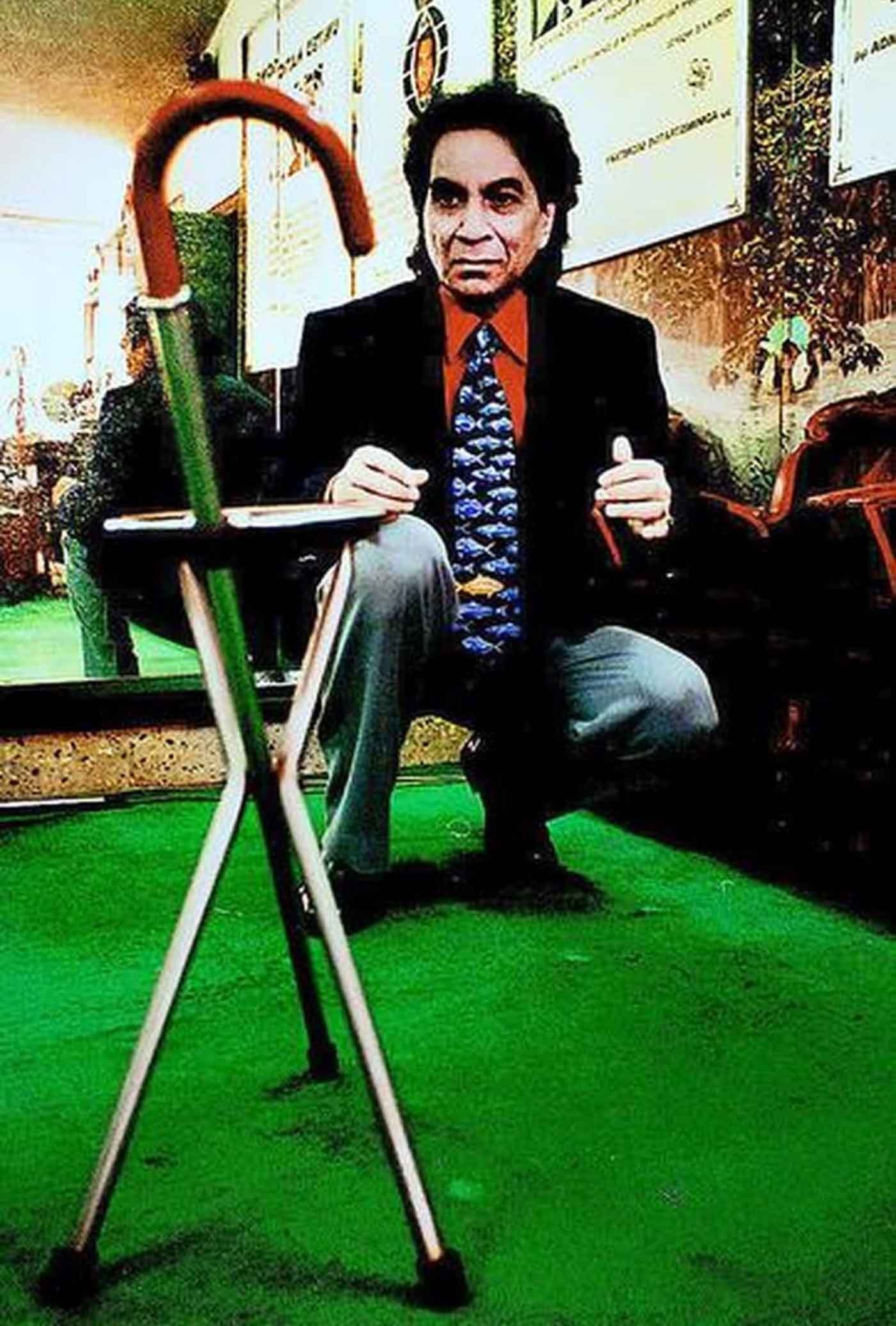
“When we were kids growing up in Hyderabad, Babban Khan’s Adrak ke Panje was a big hit. Sadly, I never got to see it and was reminded of it when I read the news of his death. It ran for over 30 years, and I wish now I could catch glimpses of it to celebrate the humour that came naturally to people who speak Dakhni.”
For many, Babban Khan remained confined to childhood memories. Despite his legendary work, he was rarely remembered except on a few occasions or in private conversations. Some of this obscurity was also his own doing, as he chose a reclusive life. Yet, it is disheartening that the current generation often learns about such great Hyderabadis only upon their passing—encountering them for the first time through obituary columns.
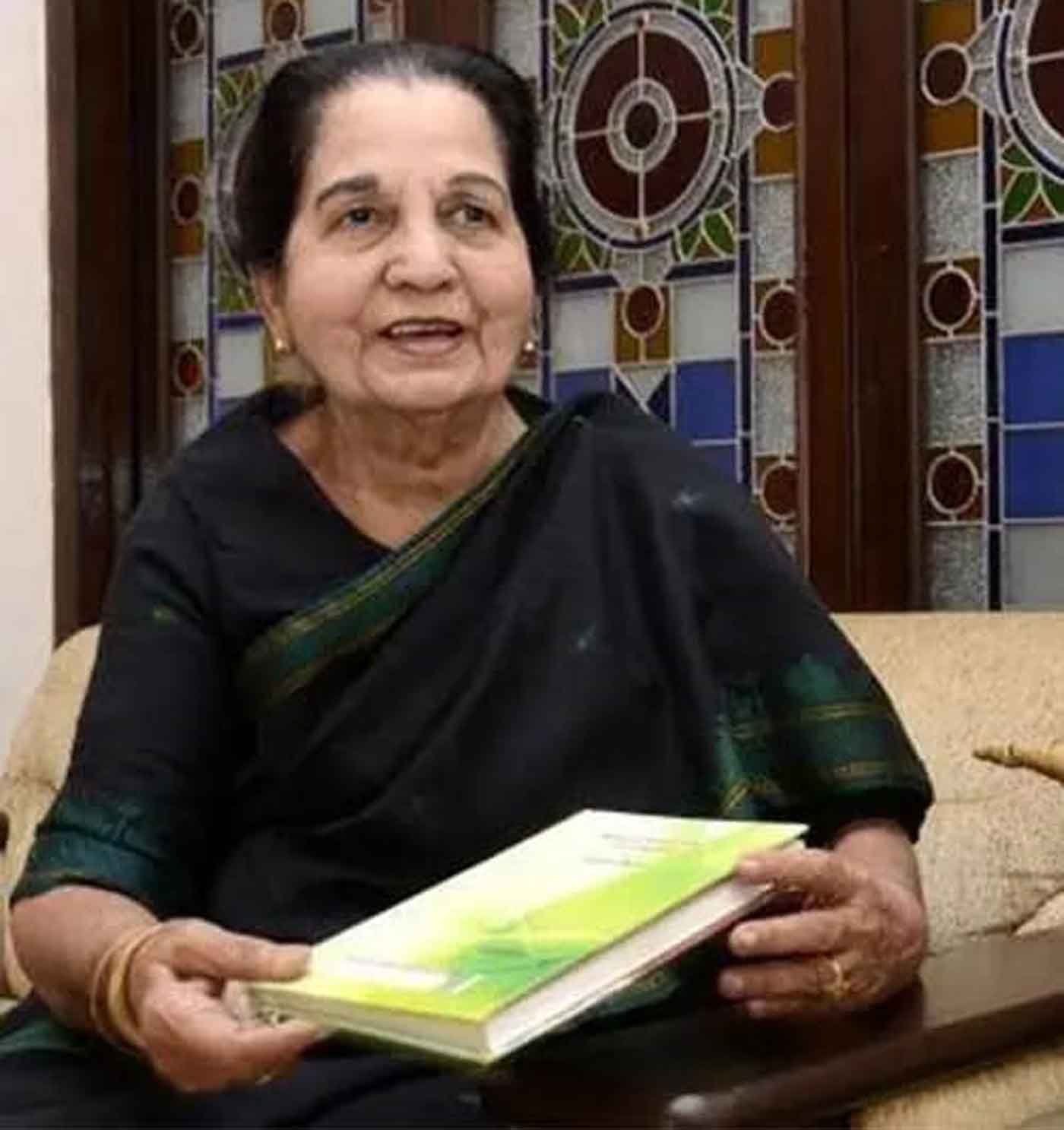
Urdu Writer Late Jeelani Bano
Jeelani Bano and the Literary Soul of the City
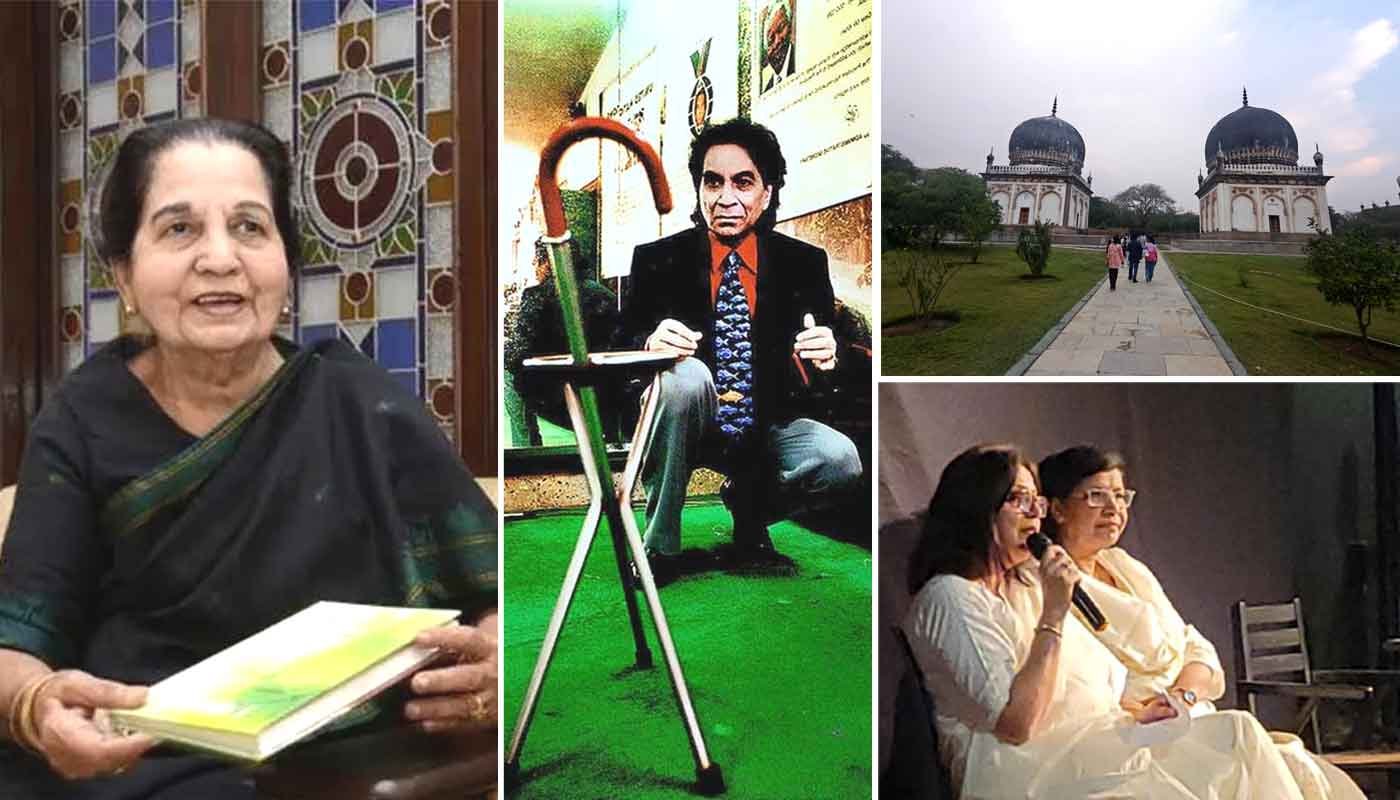
Recently, there was a remarkable programme organised by Lamakaan to celebrate the popular Urdu writer Jeelani Bano. The event featured readings of her stories, showcasing the range of subjects she explored and her finesse in layering narratives with astute observations on human behaviour, emotions, and social disparities—poverty, gender bias, caste, and class. Her stories are windows to past.
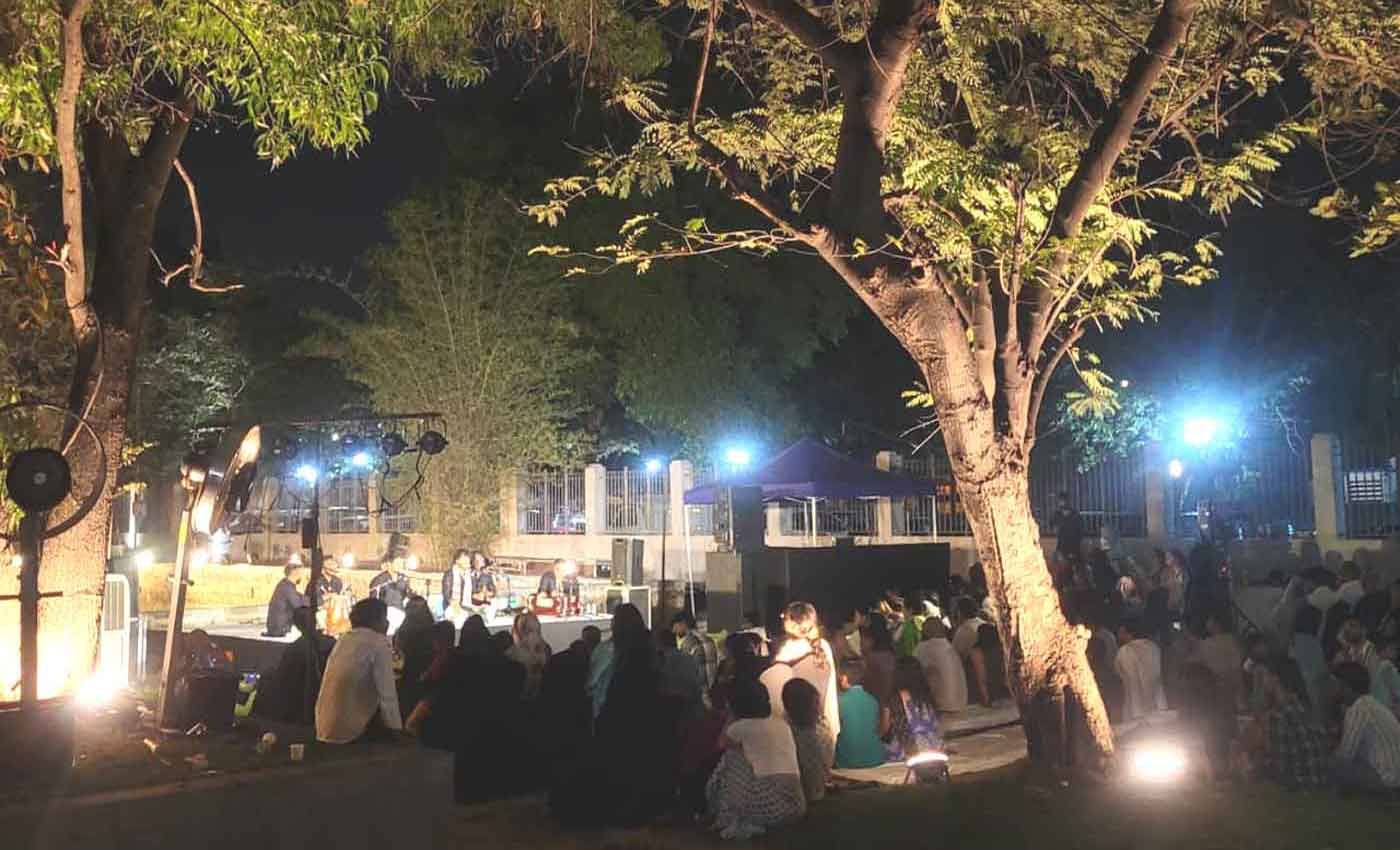
Qawwali Concert
Lamakaan was filled to the brim with admirers of Jeelani Bano, who passed away in early March this year. Theatre actors and performers such as Vinay Varma, Anuj Gurwara, Vaishali Bisht, and award-winning Telugu author Volga read her works. Rakhshanda Jalil and Professor Ameena Tehseen spoke about her life, stories, and characters. She was part of the living heritage celebrated across the world—but not as much by her own city.
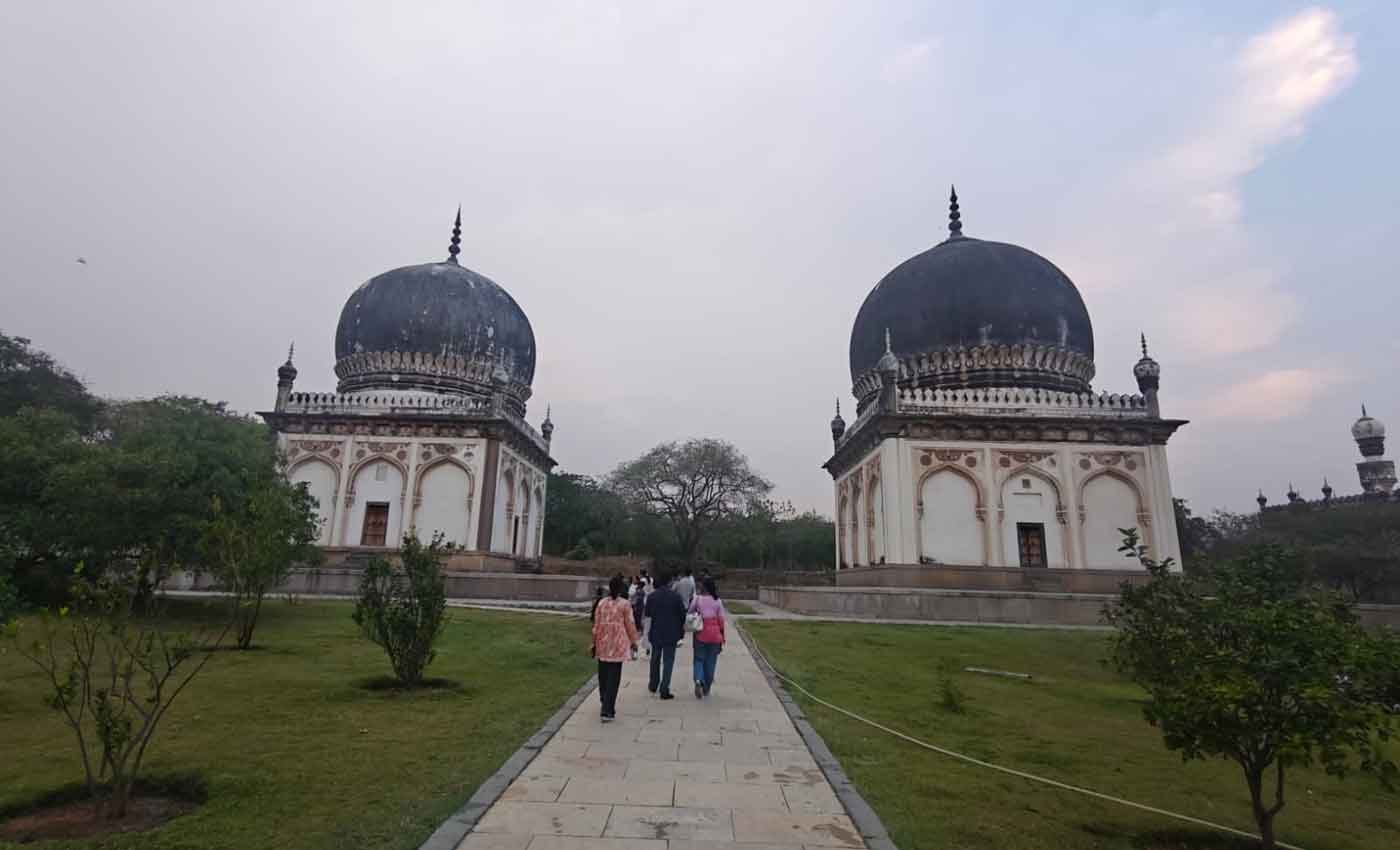
Heritage Walk by Sangat Deccan at Quli Qutab Shahi Tombs
This sentiment stems from the fact that, despite her work being translated into multiple languages, especially Telugu, many literary enthusiasts, especially the younger ones never had the opportunity to read or meet her while she was alive. Today, they encounter her through obituaries and regret their loss.
There are many such remarkable individuals who are the pride of Hyderabad—accomplished, popular, and widely acclaimed—yet not spoken about enough by the city’s cultural stakeholders.
Their extraordinary work has earned them admiration and respect not just in Hyderabad, but across the country and beyond. Their contributions have long been celebrated within discerning circles and among those closely engaged with their respective art forms. Yet, for many, especially the younger generation in particular, there remains so much to discover and reconnect with—stories, voices, and legacies that continue to shape the cultural identity of the city in quiet but powerful ways.
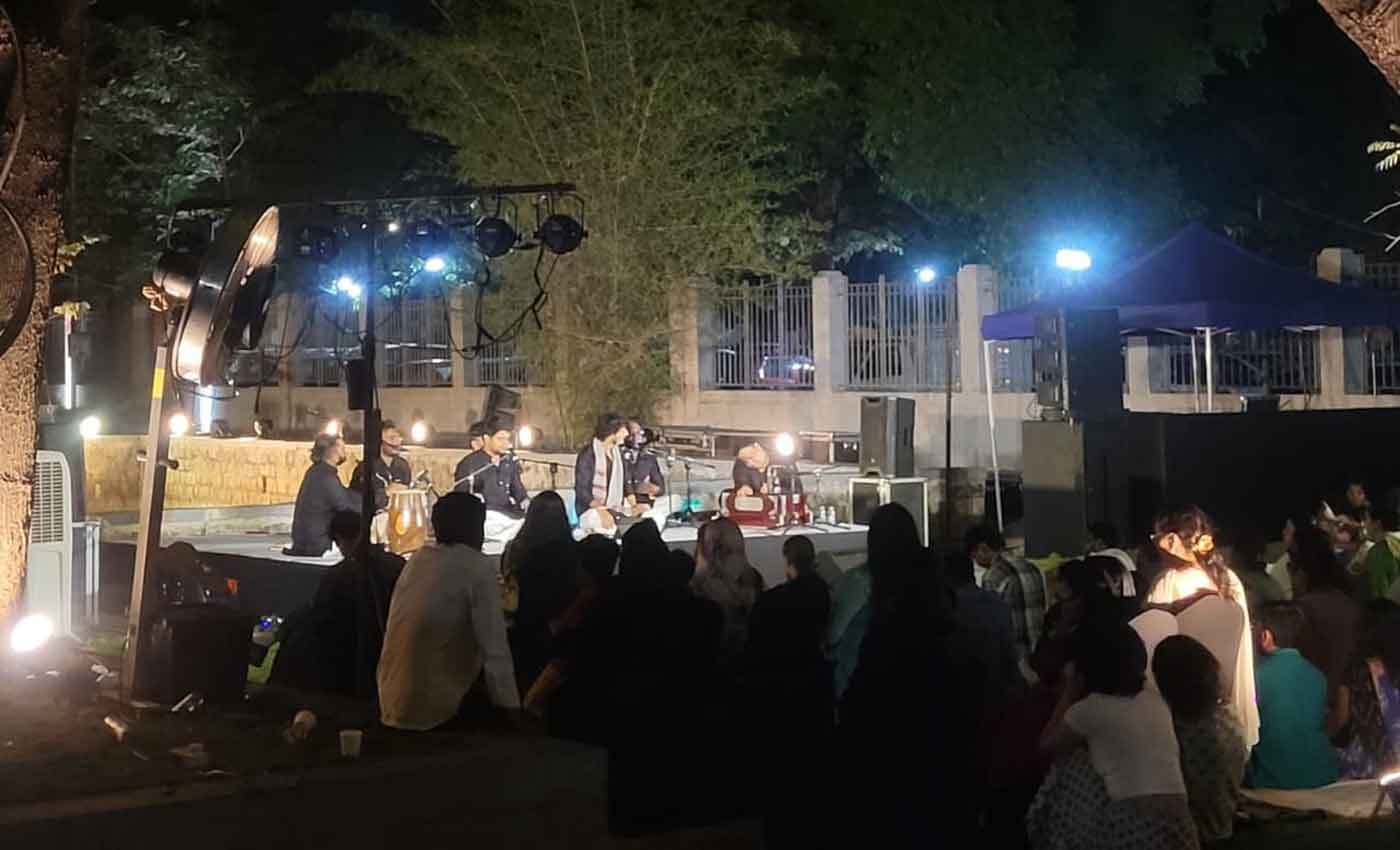
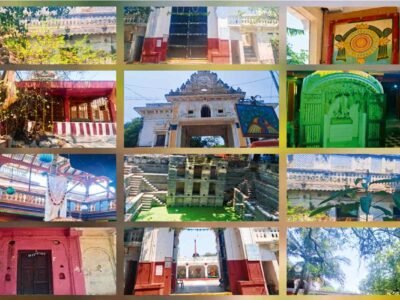
When Sangāt, a Hyderabad-based cultural organization supported the Quli Qutb Shah Urban Development Authority organize a Qawwali and Heritage Walk with the Aga Khan Trust for Culture on World Heritage Day, the response was overwhelming, with registrations closing within days.
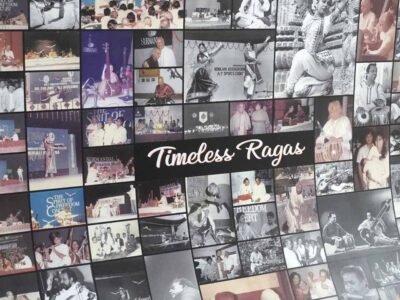
A similar response was seen for Telugu Routes, a cultural retreat conceptualised by The Culinary Lounge. Here, regional Telugu traditions were presented through thoughtful storytelling rather than grand spectacle, offering glimpses into classic cinema and literature that define cultural roots. Encouragingly, it is not just the nostalgia driven culturally inclined Hyderabadis, but the new generation that is embracing these opportunities—they seek connection with their history and identity and wish to preserve their heritage while discovering the greats of the past.
“The history of Hyderabad and the Deccan is layered, vibrant, and vast. Because of this very fact at certain times it becomes important to forge relationships with other organisations working in this space as well as the government so as to reach a larger number of heritage, history and music enthusiasts . The event on World Heritage Day reflected this spirit and saw collaborations with the Quli Qutub Shah Urban Development Authority, Aga Khan Trust Culture, National Institute of Urban Management and us Sangāt,” Roshan Khundmeri, co-founder Sangāt.
Hyderabad has been an emerging cosmopolitan city with many who come here for livelihoods and make it their home. They express curiosity to know more if given a chance.
By not speaking enough about our living legends, we deny us all the opportunity to learn from their knowledge and celebrate their mastery. A conscious effort must be made to revive these conversations and honour such greatness while it is still among us.
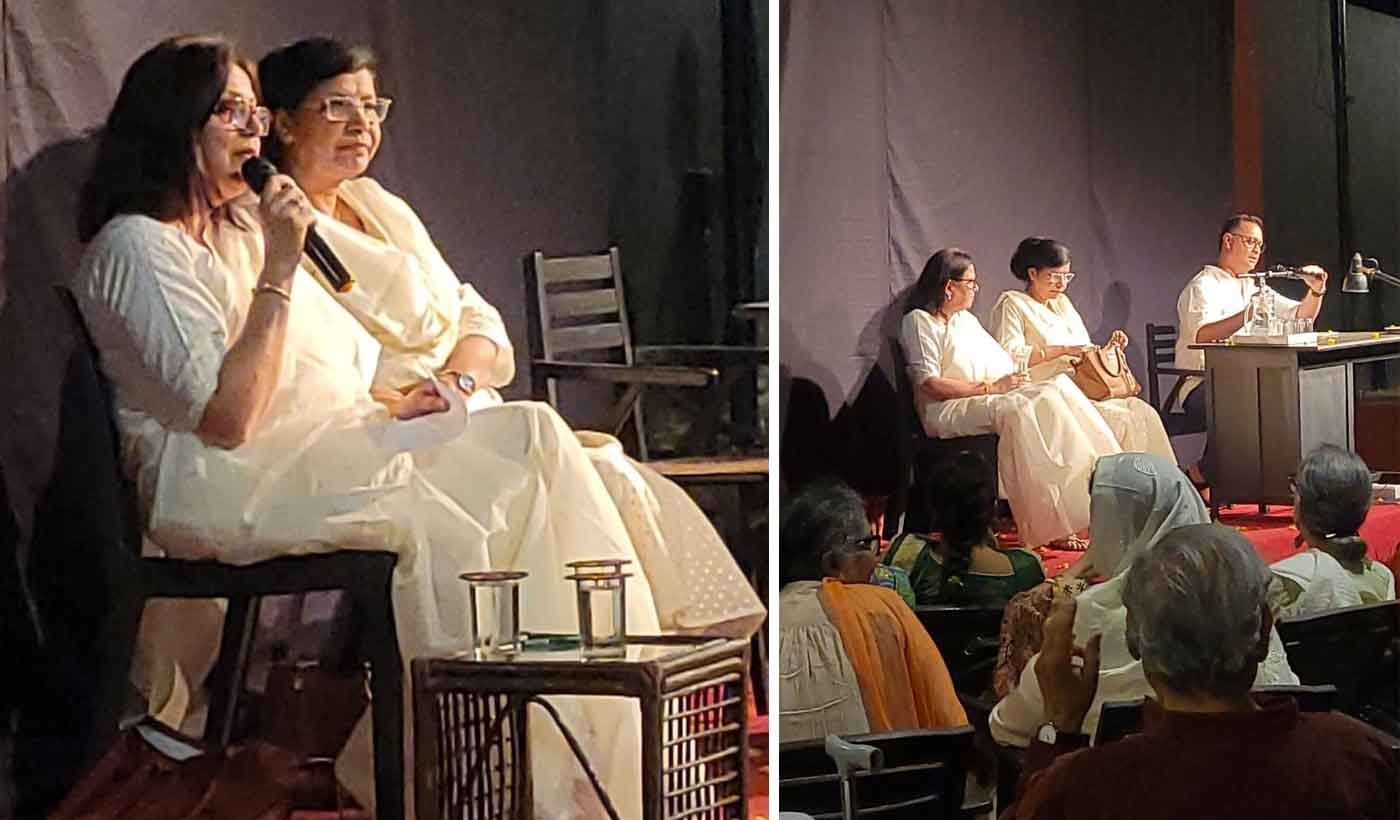
Rakhshanda Jalil, Prof Ameena & Anuj Gurdwara at Lamakaan
After all, Hyderabad has been home to many luminaries—be it the evocative ghazals of Vitthal Rao we lost many years ago, the classical brilliance of Lalita of the famed Hyderabad Sisters, Malini Rajurkar, the Hindustani exponent from Gwalior Gharana or the sporting legacy of Abid Ali and scores of others. Their contributions, like Jeelani Bano’s, formed an essential part of the city’s living heritage—one that deserved to be remembered, celebrated, and now, after their passing on, to be carried forward with pride.
It is the responsibility of the government, cultural organisations, and the media not only to acknowledge these figures in passing, but to actively keep their stories, work, and influence alive in public memory—so that they are remembered not as footnotes of the past, but as enduring voices that continue to shape the city’s cultural identity for generations to come. Hyderabad’s cultural heritage is, in essence, the collective legacy of its artists, writers, performers, and public figures whose work has shaped the city’s identity across generations, even when many of them remain outside mainstream documentation and everyday discourse.