

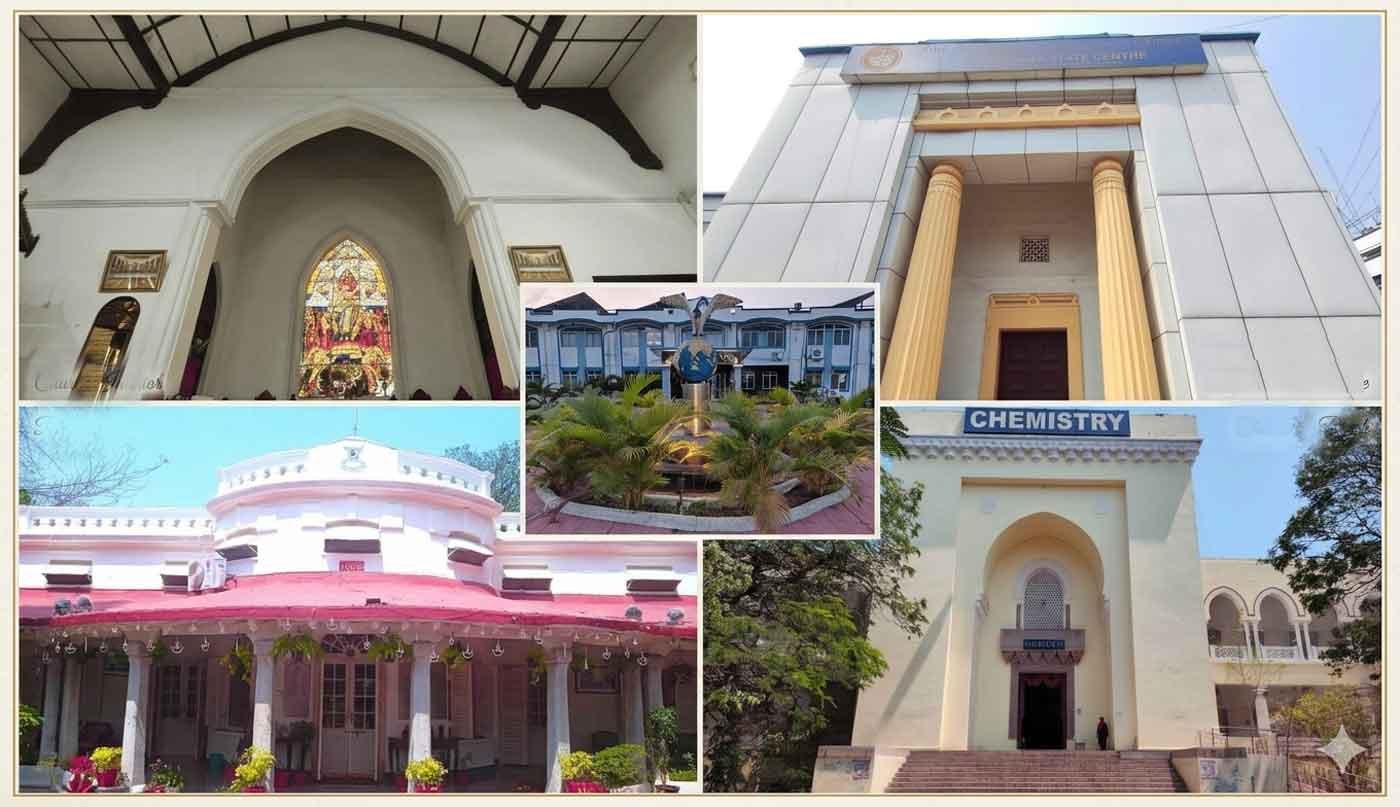
INTACH 2026 awards six Hyderabad treasures, silent witnesses to Nizams, missionaries, and aviators that now shine brighter bringing them back into limelight
These awards, presented annually since 1996 by INTACH Hyderabad Chapter, celebrate preserved icons blending architecture, history, and culture, elevating them to official heritage status. They spotlight structures enduring over a century, urging preservation amid urban sprawl.
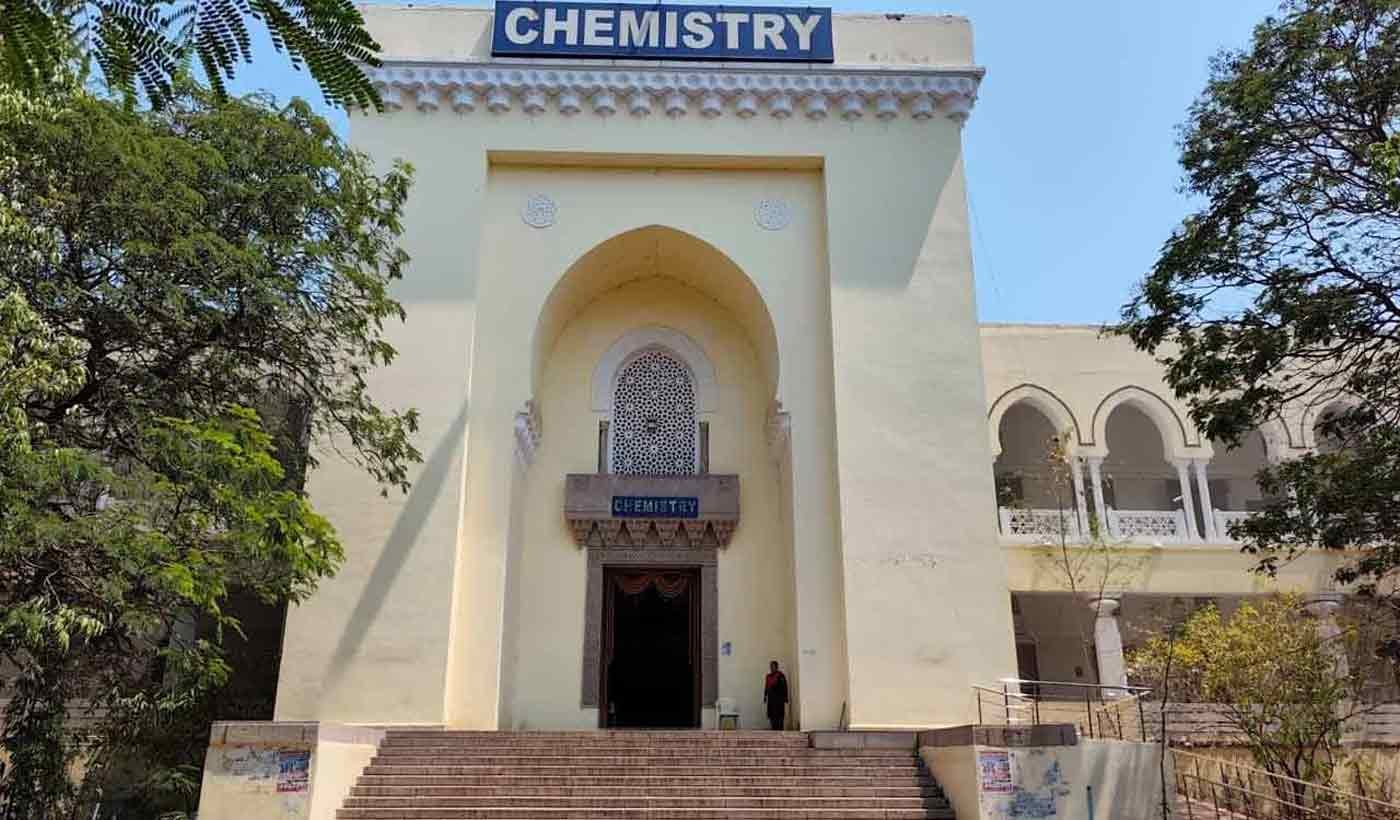
Chemistry Building, Osmania University (Amberpet)
Erected in 1917 under Nizam Mir Osman Ali Khan, this Osmanian marvel boasts a towering pointed arch entrance, intricate central hall fusing Jaina, Buddhist, and Hindu motifs, and sturdy domes symbolizing Deccan’s scholarly zenith. As the university’s oldest department, it pioneered chemical research decoding local minerals and hosted Nobel-aspirant experiments amid colonial transitions. INTACH awarded it for exemplary preservation of educational heritage over 100 years, shielding it from urban encroachment while retaining original labs and motifs.
Interesting Fact: Sourced from Golconda quarries, its stones shimmer under moonlight, echoing ancient diamond mines where Koh-i-Noor gems once sparkled.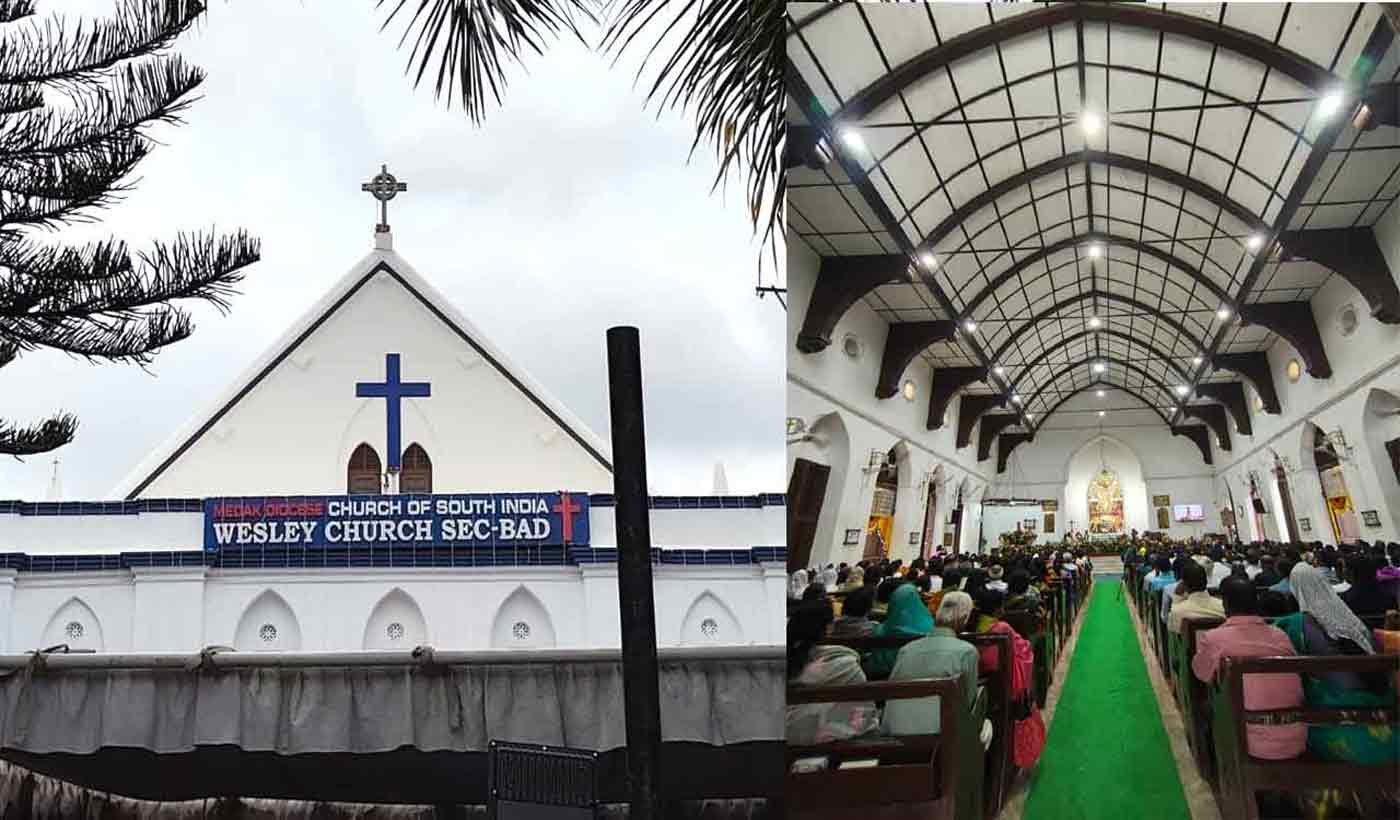
CSI Wesley Church (Secunderabad Clock Tower)
Built in 1916, this neo-Gothic masterpiece rises from granite, limestone, teak beams, and vibrant stained-glass windows depicting biblical tales, perched on contested land boldly claimed by missionary Charles Walker from British and Nizam authorities. Its soaring spire dominates Secunderabad’s skyline, hosting interfaith gatherings that bridged divides during turbulent times. INTACH honored its 110-year structural integrity and adaptive reuse, preserving wartime relics amid modern bustle.
Interesting Fact: Rafters concealed coded independence messages; locals swear echoes of freedom songs linger during midnight prayers.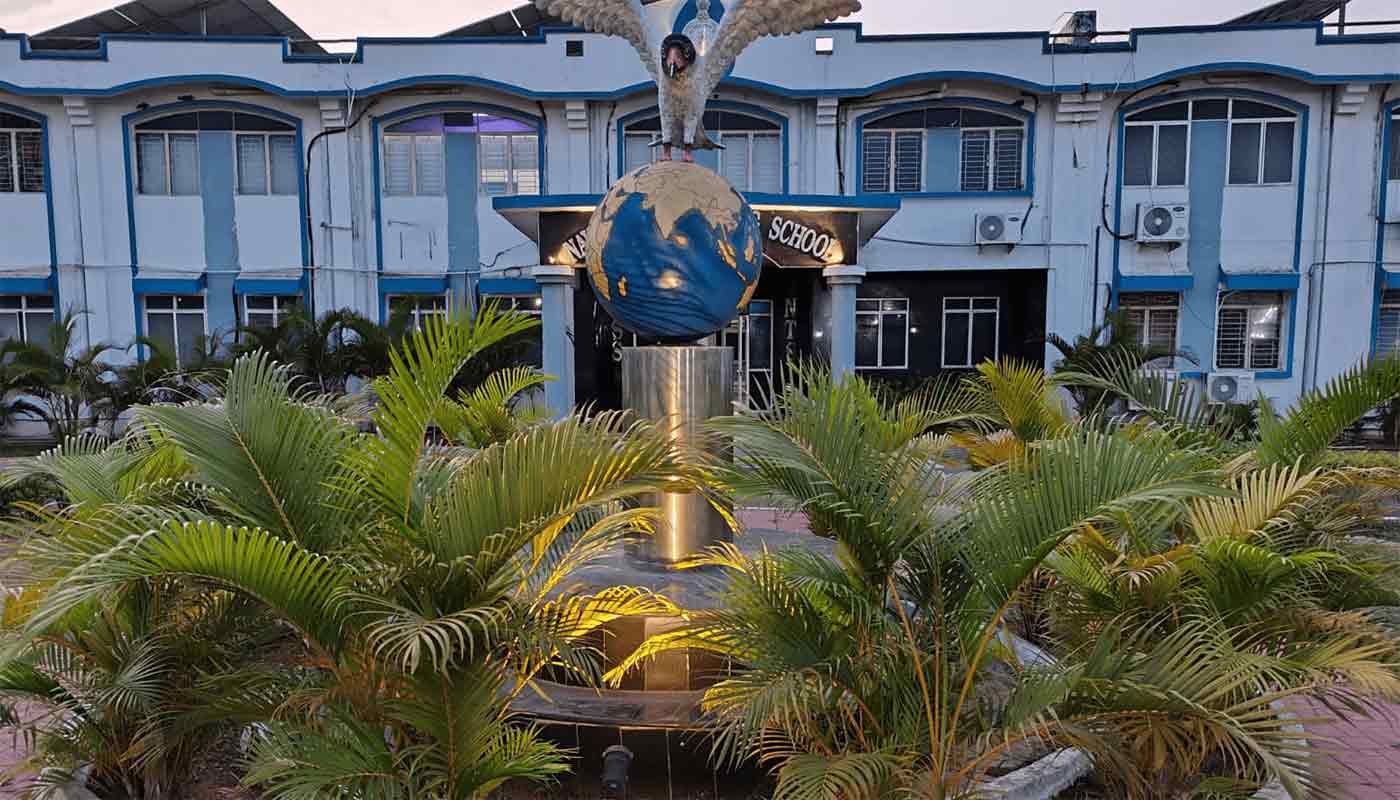
Navigation Training School (Begumpet)
Originating in 1946 at Tambaram and relocated to Begumpet in 1967, this fortress-like structure trained India’s pioneering military navigators with star-based compass calibration rooms and wind-tunnel simulators amid post-independence aviation booms. Blending functional brutalism with subtle Art Deco accents, it withstood monsoons and expansions. INTACH recognized its pivotal defence heritage role, safeguarding aviation history from neglect.
Interesting Fact: Pilots report a “ghost navigator’s” shadow in starlit domes, guiding compasses during 1971 war simulations.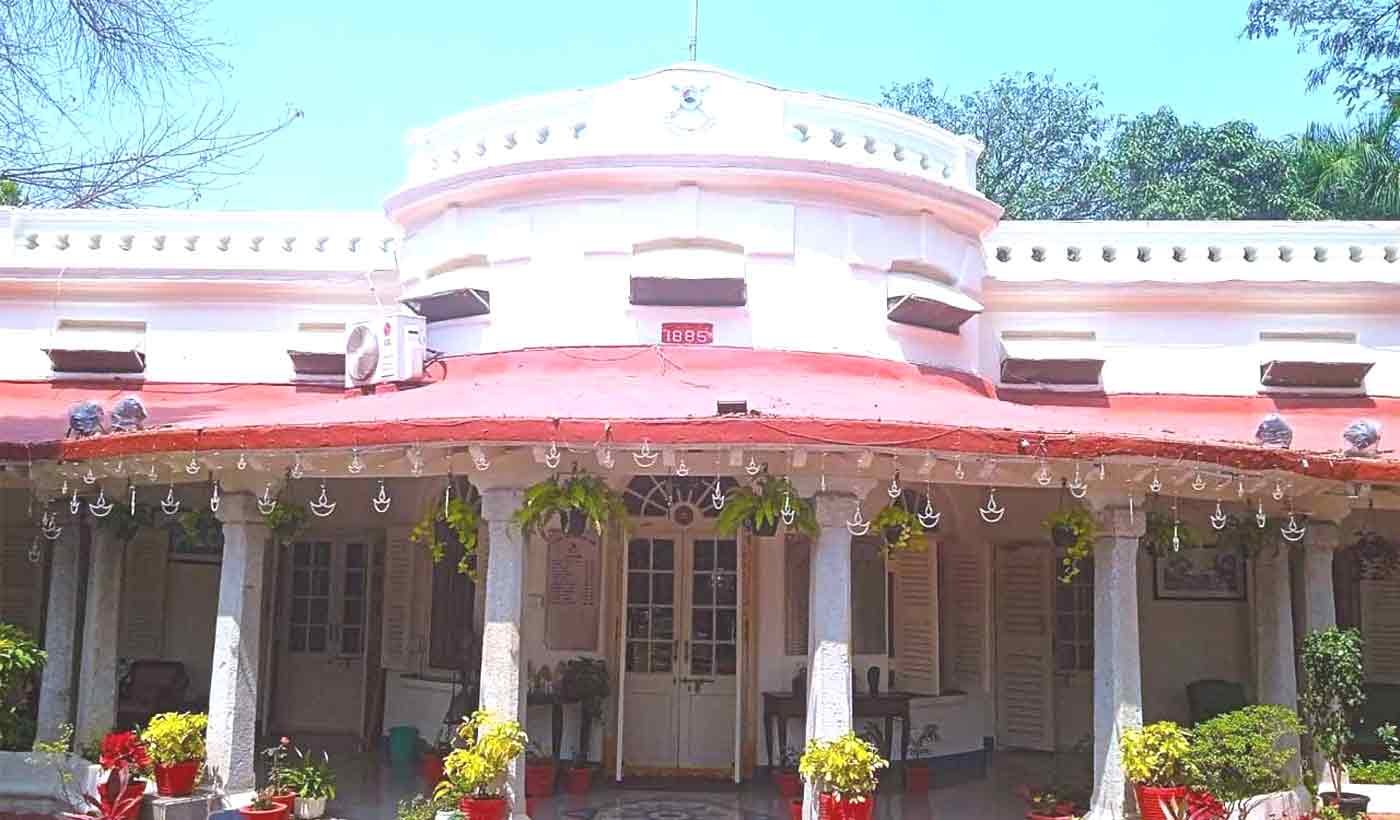
Sri Puri Jagannath Temple (General Bazar, Secunderabad)
Constructed in 1986 by philanthropist Ramgopal Malani, this Rajasthani-Deccani fusion dazzles with nakashi wall embossments, cusped arches, floral medallions, and vibrant frescoes narrating Jagannath lore amid Secunderabad’s bazaar bustle. It serves as a spiritual hub drawing thousands during Rath Yatra. INTACH lauded its religious architecture excellence and community-led conservation efforts.
Interesting Fact: Pillars subtly vibrate during festivals, replicating Jaipur’s ancient seismic rituals tied to monsoon invocations.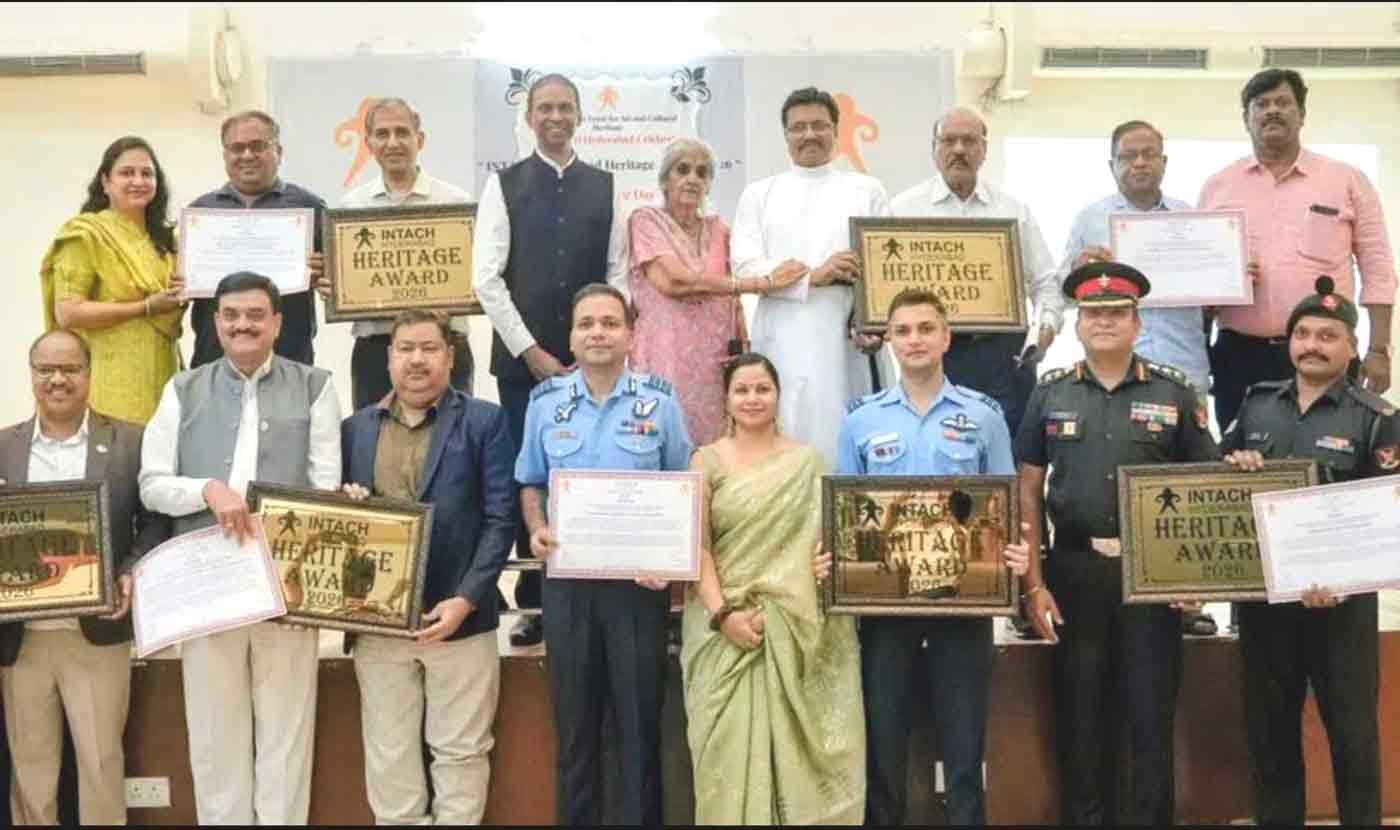
Institute of Engineers (India) Telangana State Centre (Khairatabad)
Initiated in 1938 on land donated by Dewan Bahadur Aravamuddu Iyengar, designed by Chief Architect Erric Marretti with bold Art Deco lines, foundation laid 1945, occupied 1947, this Visvesvaraya Bhavan hosted engineering blueprints shaping post-independence India. Its geometric facades and vast halls buzzed with innovators. INTACH celebrated its engineering legacy preservation against development pressures.
Interesting Fact: Hidden safes in geometric walls guarded 1940s blueprints from spies during World War II tensions.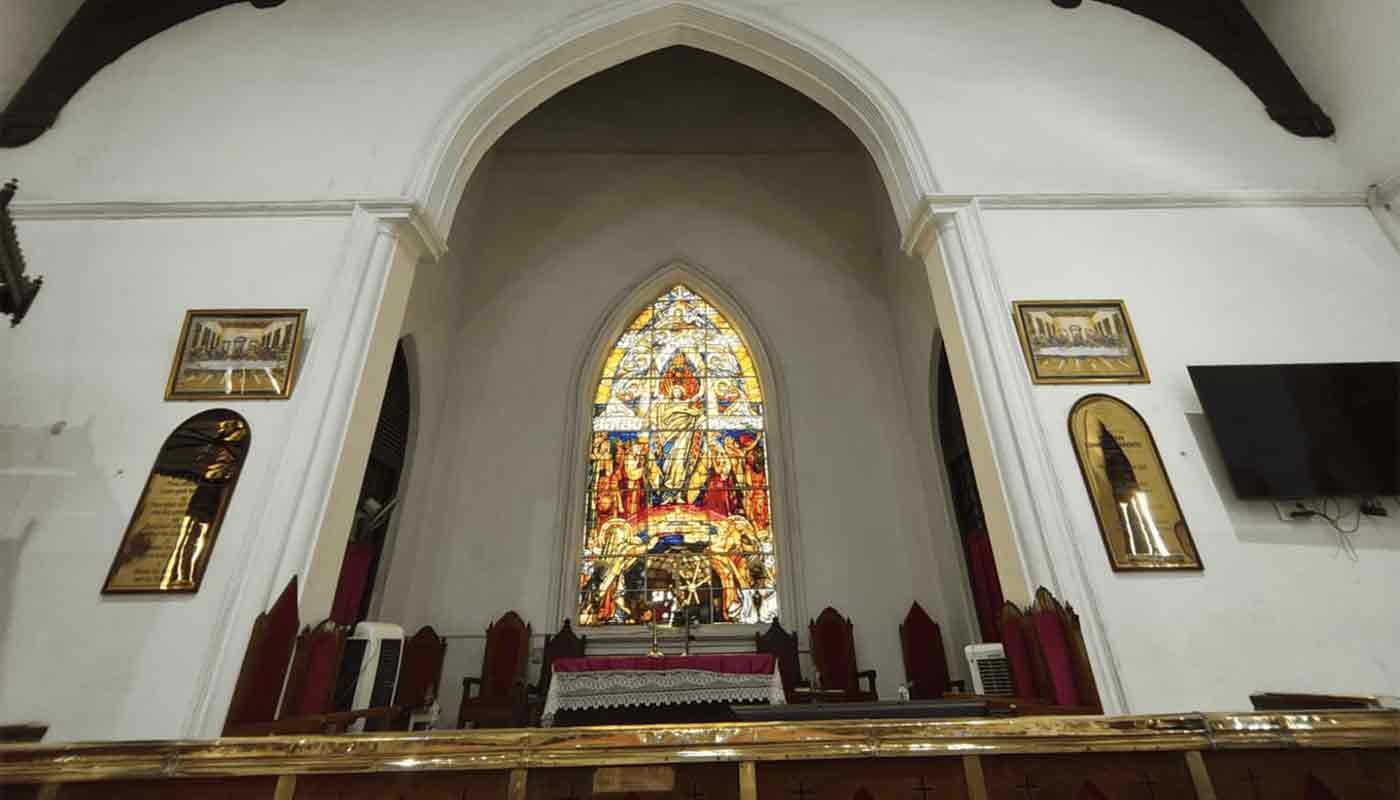
CDM House, College of Defence Management (Secunderabad Cantonment)
Dating to 1885, this colonial bungalow adapts Deccan style with deep verandas, gazebos, high ceilings, and jaali screens combating humid heat while overlooking cantonment greens. Home to commandants, it orchestrated military strategies.
INTACH praised its enduring defence architecture and meticulous restoration.
Interesting Fact: Teak floors bear etched British strategy maps from drill sessions, visible only under angled sunlight.
These INTACH victors pulse with Hyderabad’s soul, from royal edicts to rebel echoes, step inside, and let their stones awaken your own hidden stories.
Subscribe to Fridaywall Magazine
Follow us in Instagram