


What children do in the eighth standard can follow them for life, India’s first woman cyber crime investigator Pattathil Dhanya Menon warns
Article by Rajeshwari Kalyanam
Dr. Pattathil Dhanya Menon has spent over two decades tracing digital footprints, investigating cybercrimes and training law enforcement agencies across India and abroad. But the warning India’s first woman cybercrime investigator now repeats most urgently is not about hackers in dark rooms or cinematic cyber attacks. It is about ordinary people — especially children — unknowingly leaving behind digital trails that may follow them for years.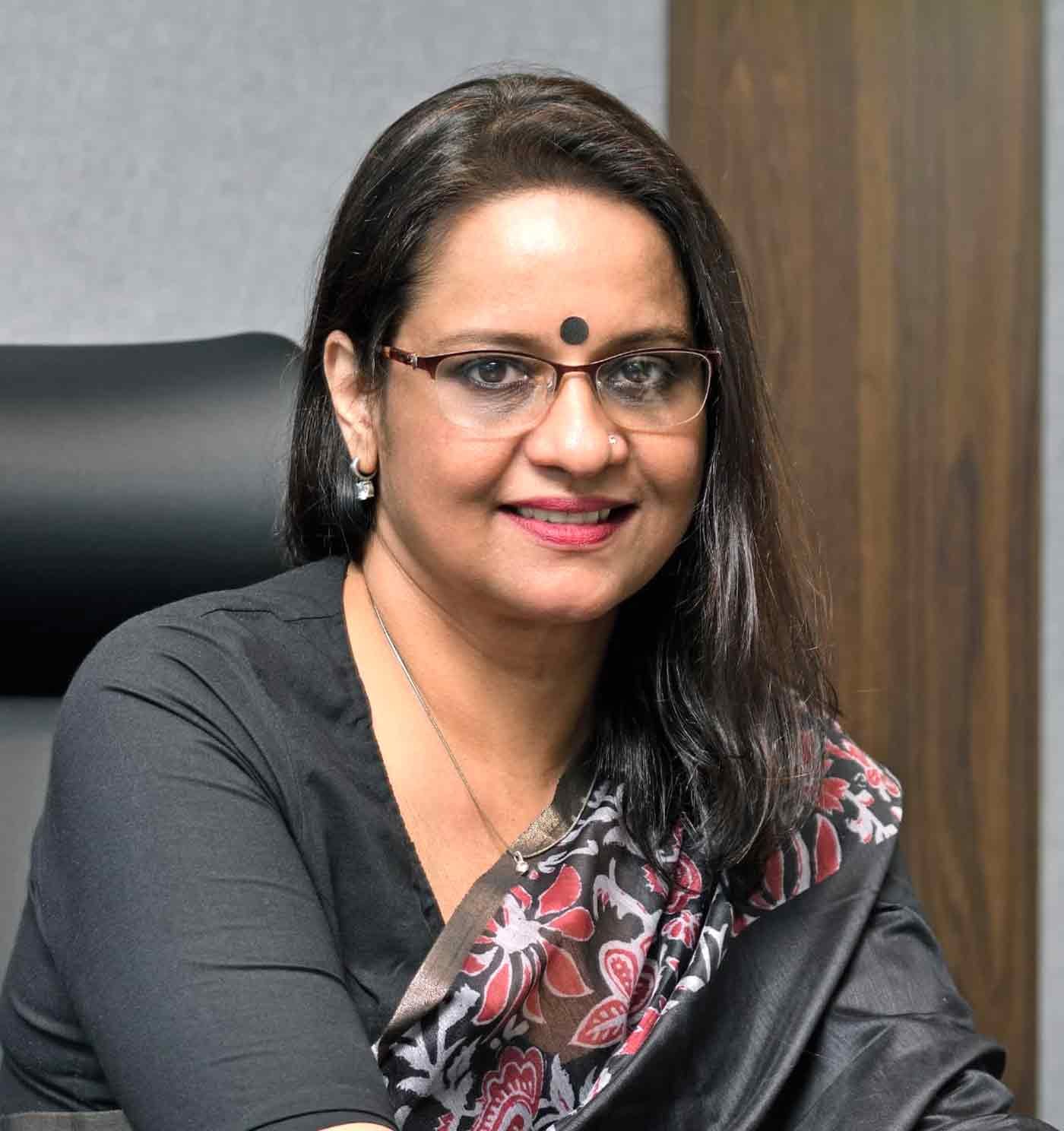
“What children do in the eighth standard can follow them for life,” she says during a candid conversation that moves from cybercrime and online fraud to parenting, technology and the emotional cost of living online.
The statement lands heavily in a world where Instagram stories disappear in 24 hours, Snapchat promises vanishing messages and young users increasingly believe the internet forgets quickly. According to Menon, that belief is dangerously misplaced.
“Children think these platforms are safe because messages disappear. It doesn’t happen that way at all,” she says. “Something they post at 13 or 14 may return years later when they are applying for jobs, building careers or even getting married.”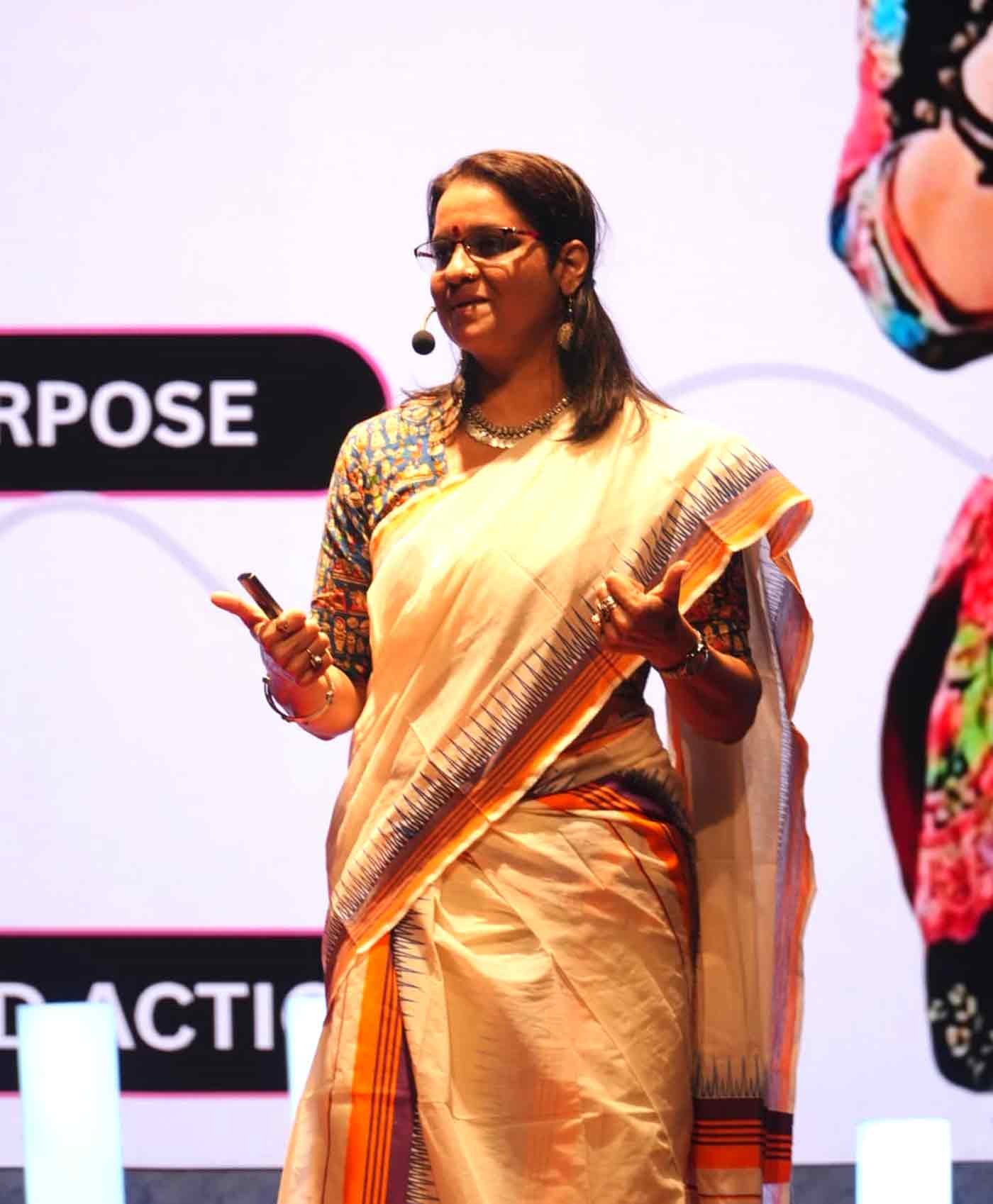
For someone who entered the field in 2003 — long before cyber security became mainstream — Menon has witnessed India’s digital transformation from its earliest days. Today, as Director of Avanzo Cyber Security Solutions, she handles cases ranging from cyber stalking and identity theft to financial scams and online exploitation. (pattathildhanya.in)
Ironically, when she first started her company in Thrissur in 2010, even finding office staff was difficult because people did not understand what cyber security meant.
“At that time people thought hacking itself was illegal and anyone working in cyber security was doing something suspicious,” she recalls. “Nobody saw a future in this industry.”
Many advised her to move to bigger cities like Mumbai, Pune or Delhi. Instead, Menon chose to stay in Thrissur so her young son could grow up close to family. The decision reflected a pattern that has defined much of her career — refusing to follow conventional expectations.
Cybercrime, she says, has changed dramatically over the years, but human vulnerability has not.
“The basics are still the same,” she says. “You have to stay alert. You have to understand the platforms you use before becoming emotionally invested in them.”
Today, however, the scale is far larger.
According to Menon, investment scams are among the fastest-growing threats facing Indians online. A user merely pauses on a social media advertisement for a few seconds and algorithms begin pulling them deeper into a network of manipulative messages, Telegram groups and WhatsApp chats.
“You click once because you are curious,” she explains. “Then you are slowly pulled into a system designed to manipulate you.”
Unlike older cyber frauds that relied on crude emails or suspicious calls, today’s scams are psychologically sophisticated. They are built around behavioural targeting, emotional manipulation and digital trust.
But it is the emotional crimes involving young users that continue to disturb her the most.
Over the years, Menon has worked on cases involving cyber bullying, fake profiles, visual morphing, stalking and relationship-based blackmail. Many begin innocuously — a shared image, a private conversation, a “temporary” post.
The internet, she warns, rarely erases anything completely.
“There is no real disappearing message,” she says.
She believes families often hand children smartphones long before discussing digital boundaries, consent or online permanence. Schools too, she feels, are still catching up with the realities of cyber vulnerability.
What worries her is not merely technology itself, but the speed with which people surrender personal information to platforms they barely understand.
“People use apps every day without studying them,” she says. “They never ask where their data goes, who stores it or how it can be misused.”
For Menon, cyber awareness is no longer optional literacy. It is survival literacy.
And as India becomes increasingly dependent on digital ecosystems — from banking and education to entertainment and relationships — her warning feels less like expert advice and more like a societal alarm.
The generation growing up online may never know a world without social media. But unless digital awareness becomes as fundamental as road safety or financial literacy, Menon believes the consequences could last far beyond a deleted post.
Because on the internet, forgetting is often an illusion.