
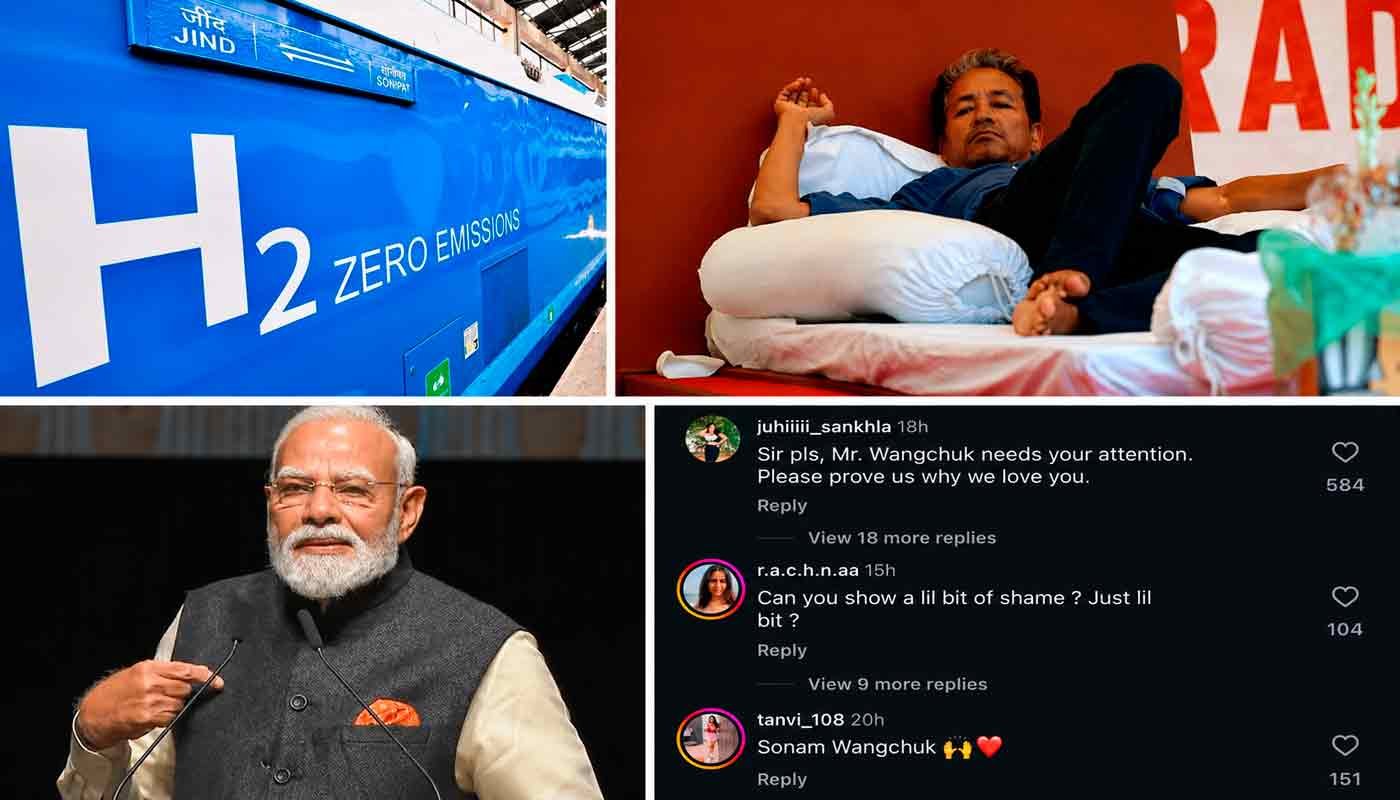
As Sonam Wangchuk’s indefinite hunger strike over alleged irregularities in the NEET examination and broader concerns about educational accountability continues, another post from Prime Minister Narendra Modi has ignited a different kind of conversation online.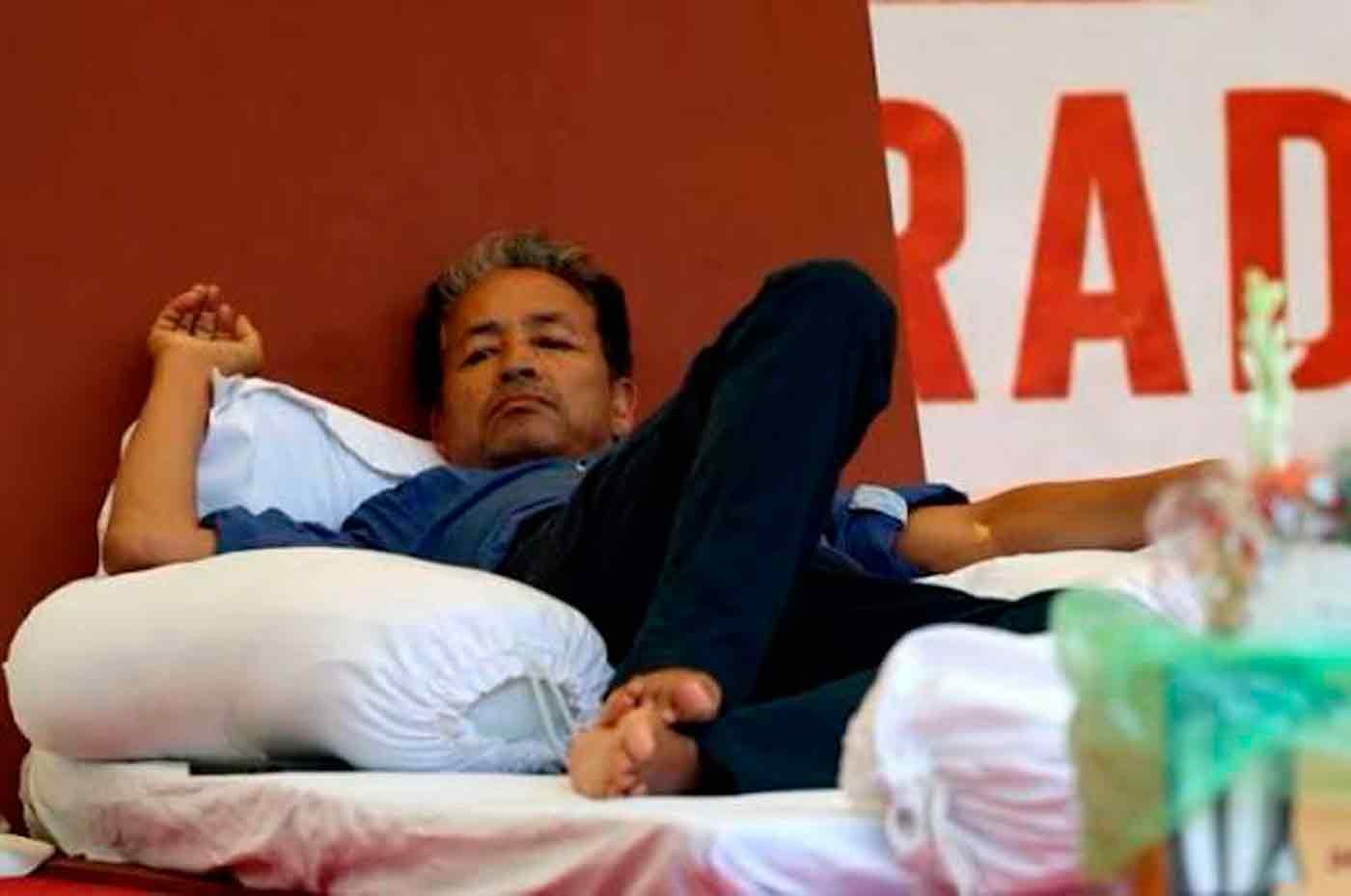
Rather than commenting on the ongoing protests, the Prime Minister shared an update celebrating India’s first hydrogen-powered train, expected to roll out from Haryana. The technological milestone itself was welcomed by many as a significant step toward cleaner public transportation. However, what dominated the discussion was not the train. It was the comments.
Thousands of users flooded the post with appeals urging the Prime Minister to address Wangchuk’s fast and engage with the concerns being raised by protesting students. Messages such as “Please talk to Sonam Wangchuk” and “Listen to the students” became recurring themes across the comment section, reflecting frustration among many who feel the issue deserves direct political attention.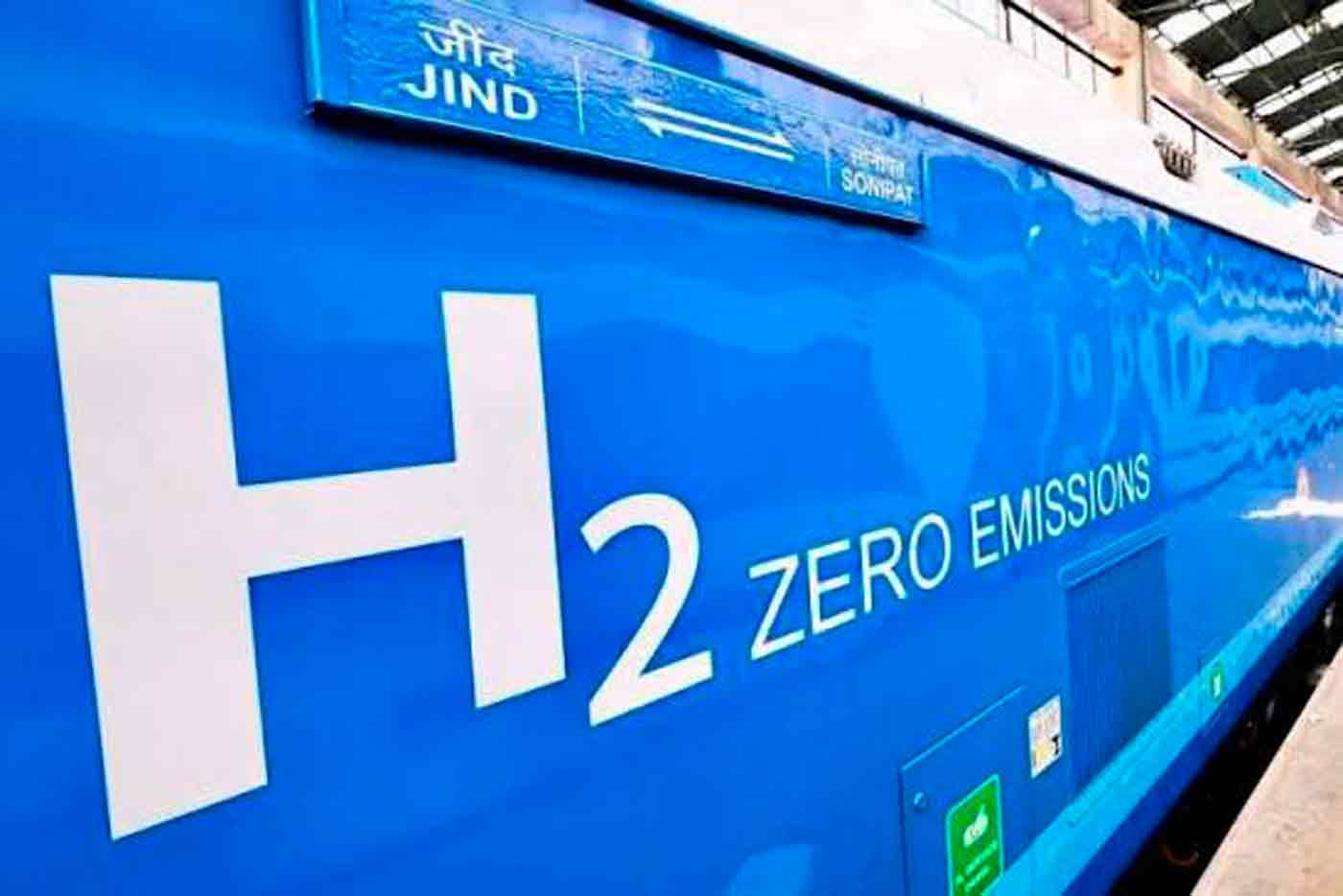
The contrast between the government’s focus on infrastructure announcements and the ongoing student-led movement has become a point of public debate.
For many supporters of Wangchuk, the issue extends beyond one activist. They argue that it represents larger questions surrounding examination integrity, accountability, and public trust in India’s education system. The protests gained further emotional weight following reports of student distress and alleged suicides linked to examination controversies, making the demand for government engagement even stronger in the eyes of many demonstrators.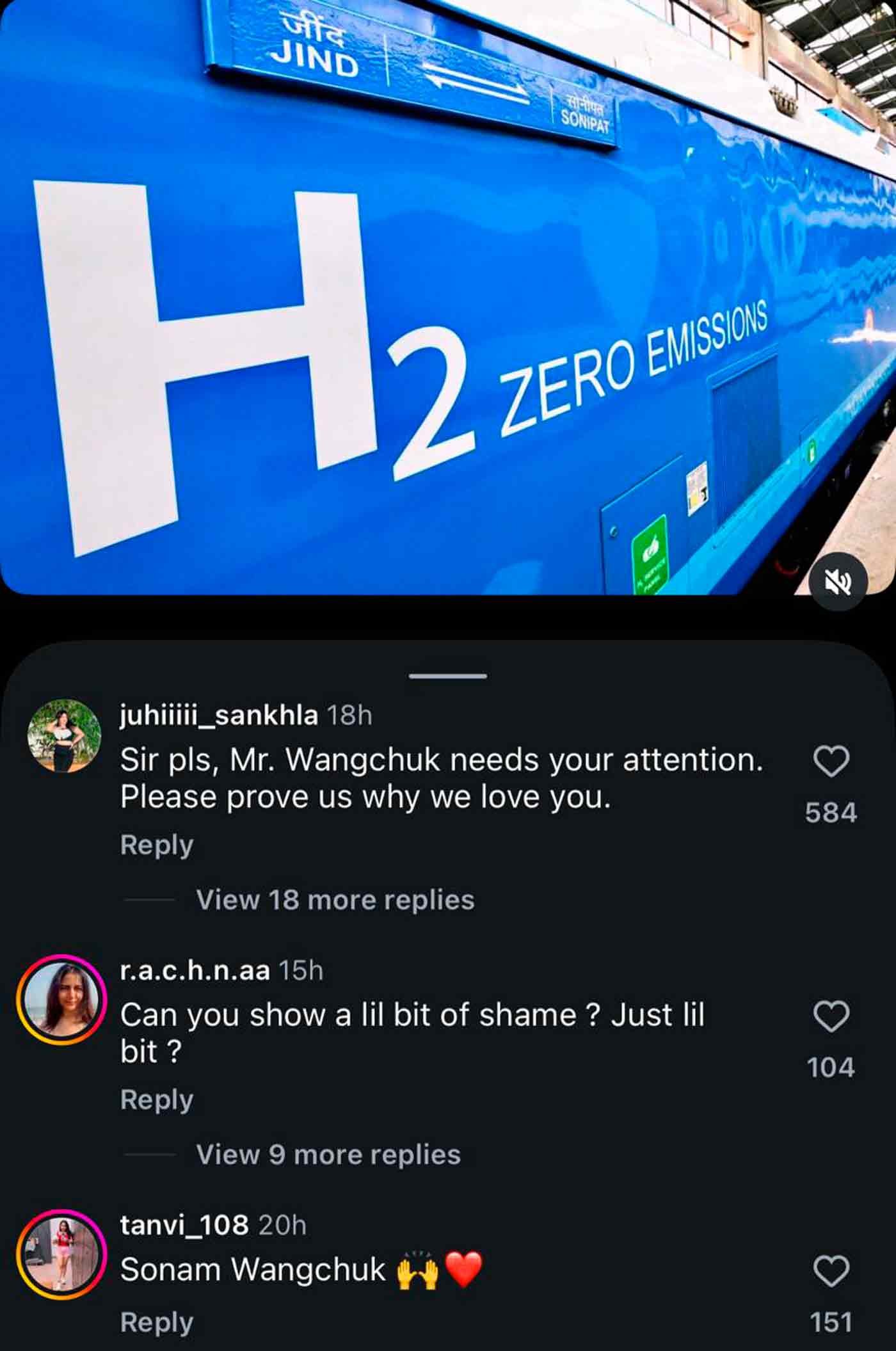
Critics of the government’s response argue that symbolic acknowledgment from the country’s highest leadership could help reassure students that their concerns are being heard. They question why there has been no direct public statement addressing Wangchuk’s fast while other national developments continue to receive official attention.
Others, however, contend that a government’s responsibilities are multifaceted and that governance cannot come to a halt because of a single issue. They argue that infrastructure, economic development, diplomacy, and technological progress must continue alongside addressing domestic concerns, and caution against interpreting every unrelated government announcement as indifference.
What remains undeniable is that the comment section beneath the Prime Minister’s post became a reflection of the public mood. Instead of discussing hydrogen-powered rail technology, many users redirected the conversation toward education, accountability, and dialogue.
Whether or not one agrees with Wangchuk’s methods, his hunger strike has succeeded in drawing national attention to concerns surrounding India’s education system. The growing online calls for engagement suggest that many citizens believe meaningful dialogue between the government and protesters is now essential.
As the strike continues, the debate is no longer just about one activist or one examination. It has become a larger conversation about governance, public accountability, and how governments choose to respond when sections of society demand to be heard.