


Huma Qureshi’s Baby Do Die Do has finally arrived in theatres, and if the first reviews are anything to go by, the film is one of the more intriguing releases of the year. Directed by Nachiket Samant, the noir action-thriller follows Baby Karmarkar, a deaf and mute contract killer seeking revenge for her sister’s murder. Blending crime, mystery, dark humour, and stylised action, the film promised something refreshingly different from mainstream Bollywoodand according to critics, it largely delivers, albeit with a few noticeable shortcomings.
The overwhelming consensus among reviewers is that Huma Qureshi is the film’s biggest strength. Carrying a role with virtually no spoken dialogue, she relies entirely on expressions, body language, and physicality to communicate emotion.
India Today praised her commanding screen presence, writing:
“Huma Qureshi powers this pulpy revenge thriller with style.”
The publication also appreciated the film’s unapologetically old-school revenge narrative, noting that while the title initially feels unusual, it eventually becomes an integral part of the character’s identity and the film’s tone.
Outlook India was equally impressed with Huma’s performance but believed the screenplay couldn’t quite maintain its momentum throughout. Awarding the film 3.5 out of 5 stars, the review observed:
“Huma Qureshi elevates a stylish thriller that runs out of surprises.”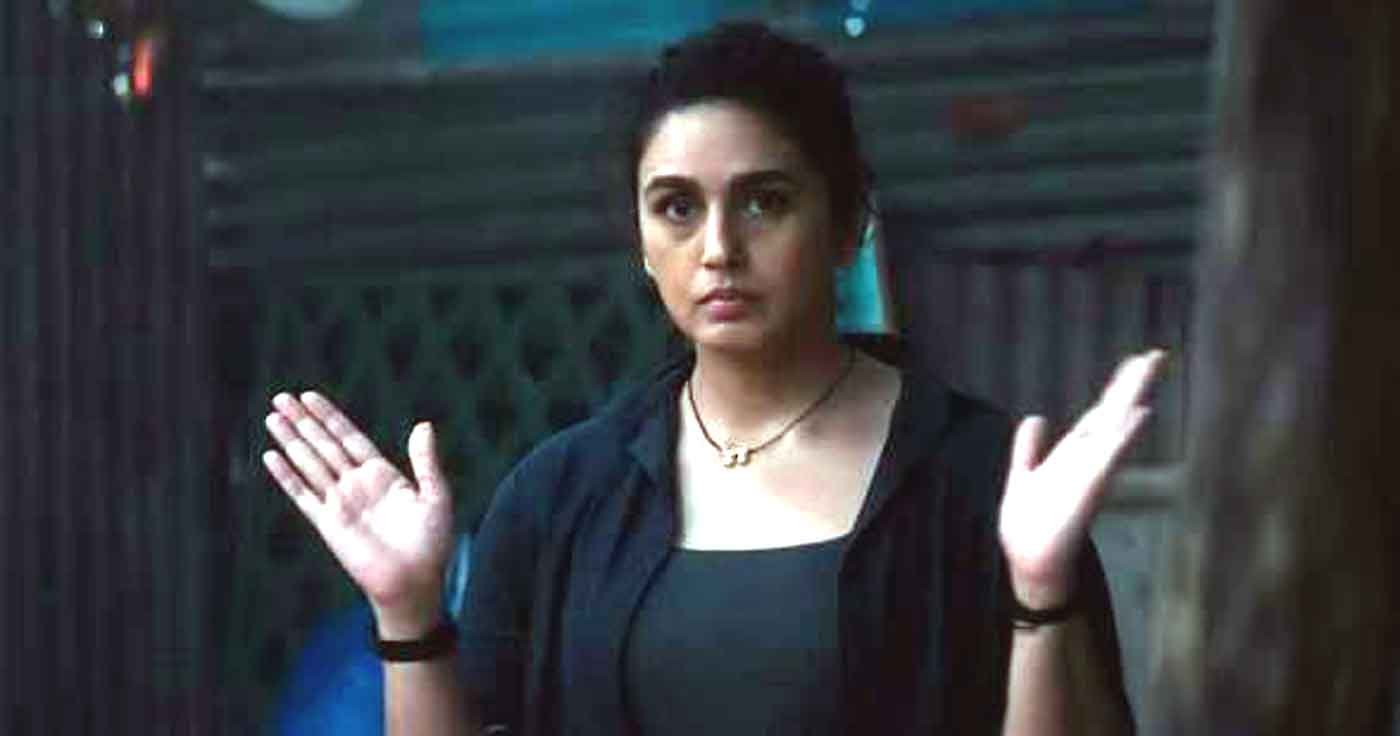
The review praised director Nachiket Samant’s atmospheric world-building, calling the rain-soaked Mumbai underworld visually compelling, while pointing out that the second half becomes more predictable than the gripping first act.
One aspect nearly every critic highlighted was the uniqueness of Baby herself. A deaf and mute assassin isn’t a protagonist Bollywood audiences encounter often, and Huma’s commitment to portraying the character authentically has been widely appreciated. Before the release, she described it as:
“It was one of the most demanding roles I’ve ever played.”
She explained that conveying emotion without dialogue forced her to depend entirely on visual performance rather than spoken words, making it one of the most challenging characters of her career.
Critics have also applauded the film’s stylish presentation. The noir-inspired cinematography, dark humour, mystery elements, and slick action sequences have all been singled out as major positives. Many reviewers felt the film possesses a distinct visual identity that helps separate it from formulaic commercial thrillers.
However, not everything landed perfectly. Several reviewers noted that while the premise is highly original, the screenplay eventually falls back on familiar revenge-thriller beats. Once the mystery begins to unravel, the narrative becomes easier to predict, reducing some of the suspense that makes the opening hour so engaging.
The supporting cast including Sikander Kher, Chunky Pandey, Seema Pahwa, and Vidya Malavade have also received praise for complementing Huma’s performance without overshadowing the central story.
Ultimately, Baby Do Die Do appears to be the kind of film that succeeds because it dares to be different. It isn’t a conventional commercial entertainer, nor is it a typical revenge saga. Instead, it leans into stylised storytelling, psychological tension, and an unconventional protagonist to create a distinctive cinematic experience.
If there’s one takeaway from the early reviews, it’s this: Huma Qureshi once again proves that she remains one of Bollywood’s most fearless performers. Even critics who found flaws in the screenplay agree on one point, without her commanding performance, Baby Do Die Do simply wouldn’t have had the same impact.