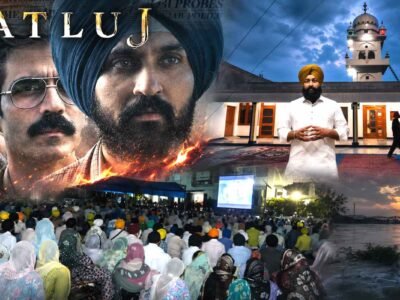

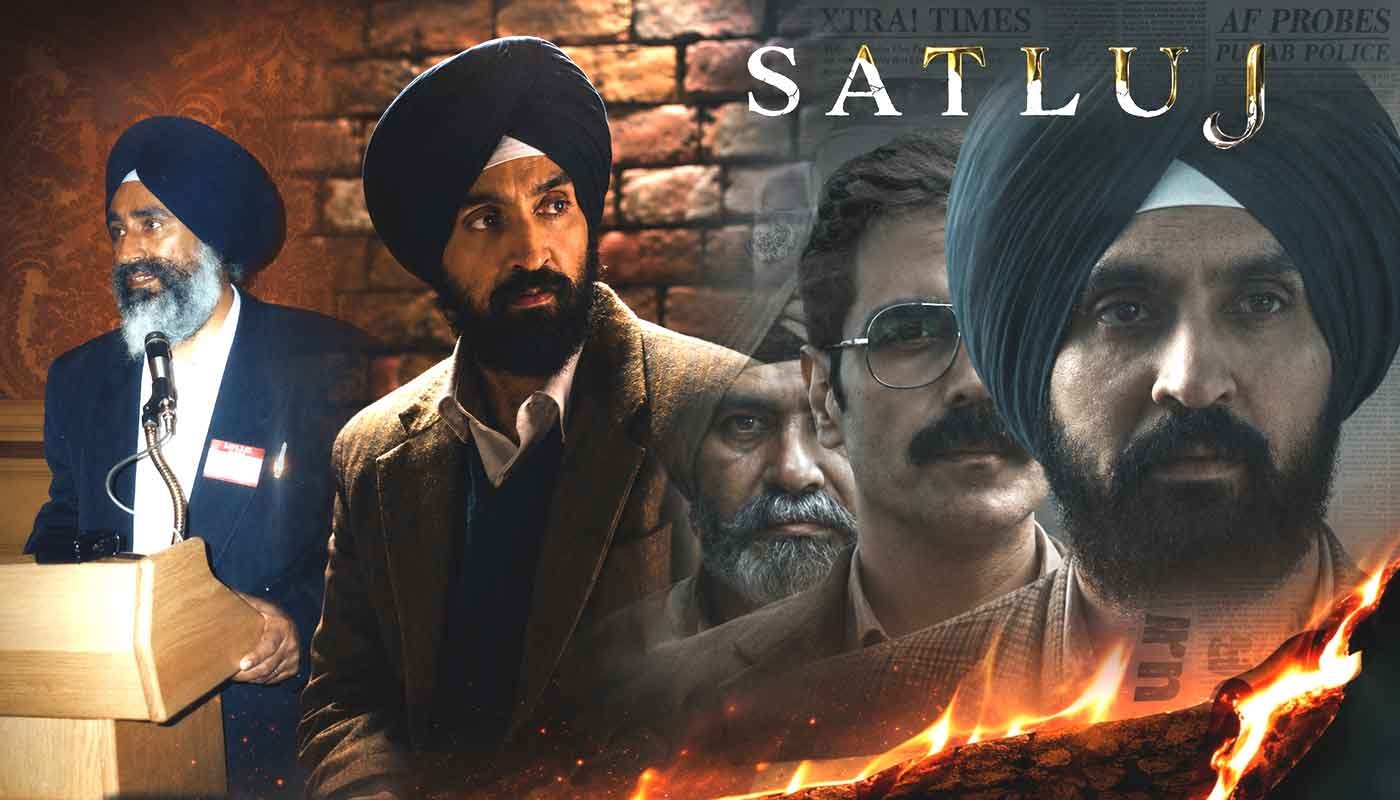
Few films in recent years have had a journey as turbulent as Satluj, the latest political drama starring Diljit Dosanjh. Released on ZEE5 after years of delays, title changes, and censorship hurdles, the film has quickly become one of the most talked-about releases of the year, not merely because of its performances, but because of the controversy surrounding its existence.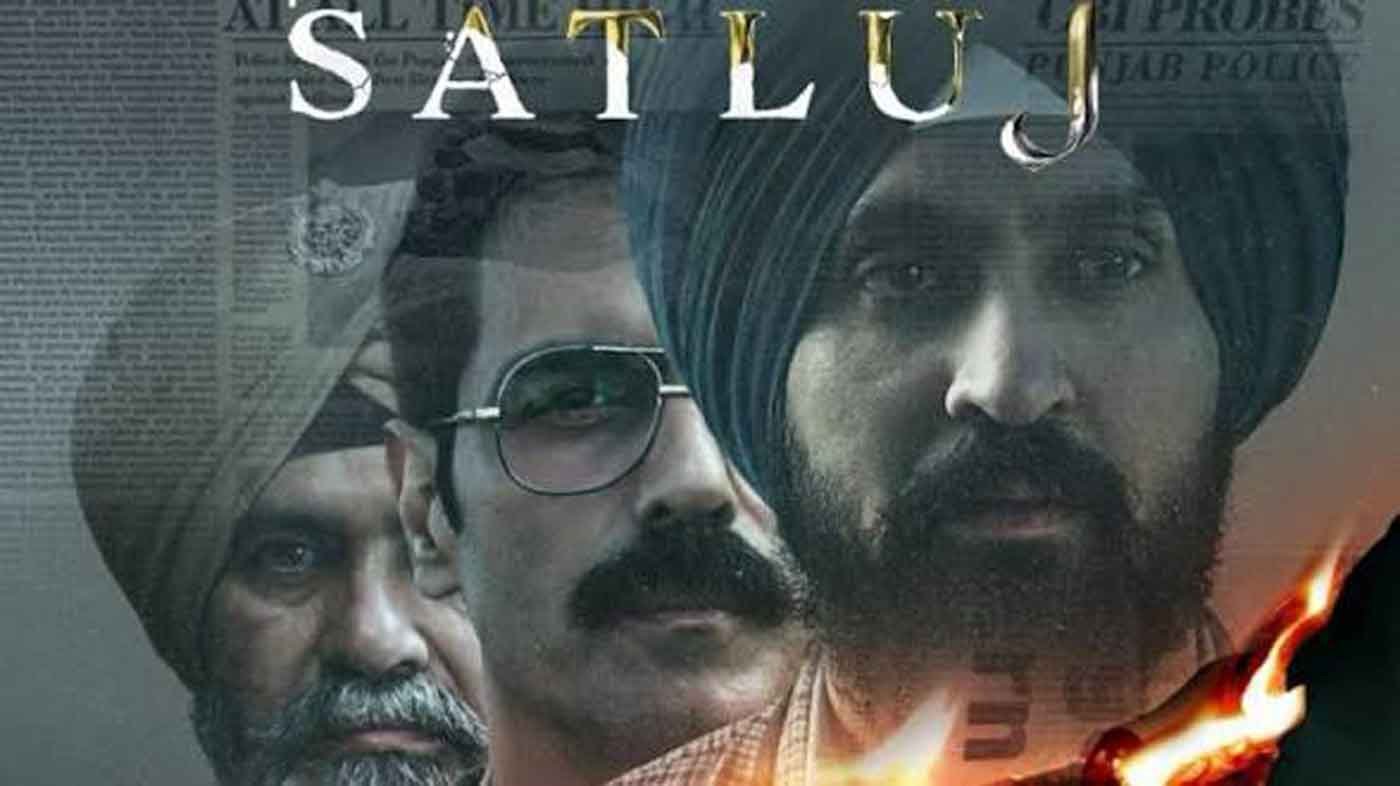
Directed by Honey Trehan, Satluj is inspired by the life of Jaswant Singh Khalra, the renowned human rights activist who investigated thousands of alleged illegal cremations and enforced disappearances in Punjab during the 1990s. The film follows Khalra’s relentless pursuit of truth and justice, portraying a chapter of Indian history that has remained deeply sensitive and politically charged. Diljit Dosanjh steps into the role with remarkable restraint, supported by an ensemble cast that includes Arjun Rampal, Suvinder Vicky, Kanwaljeet Singh, and Geetika Vidya Ohlyan.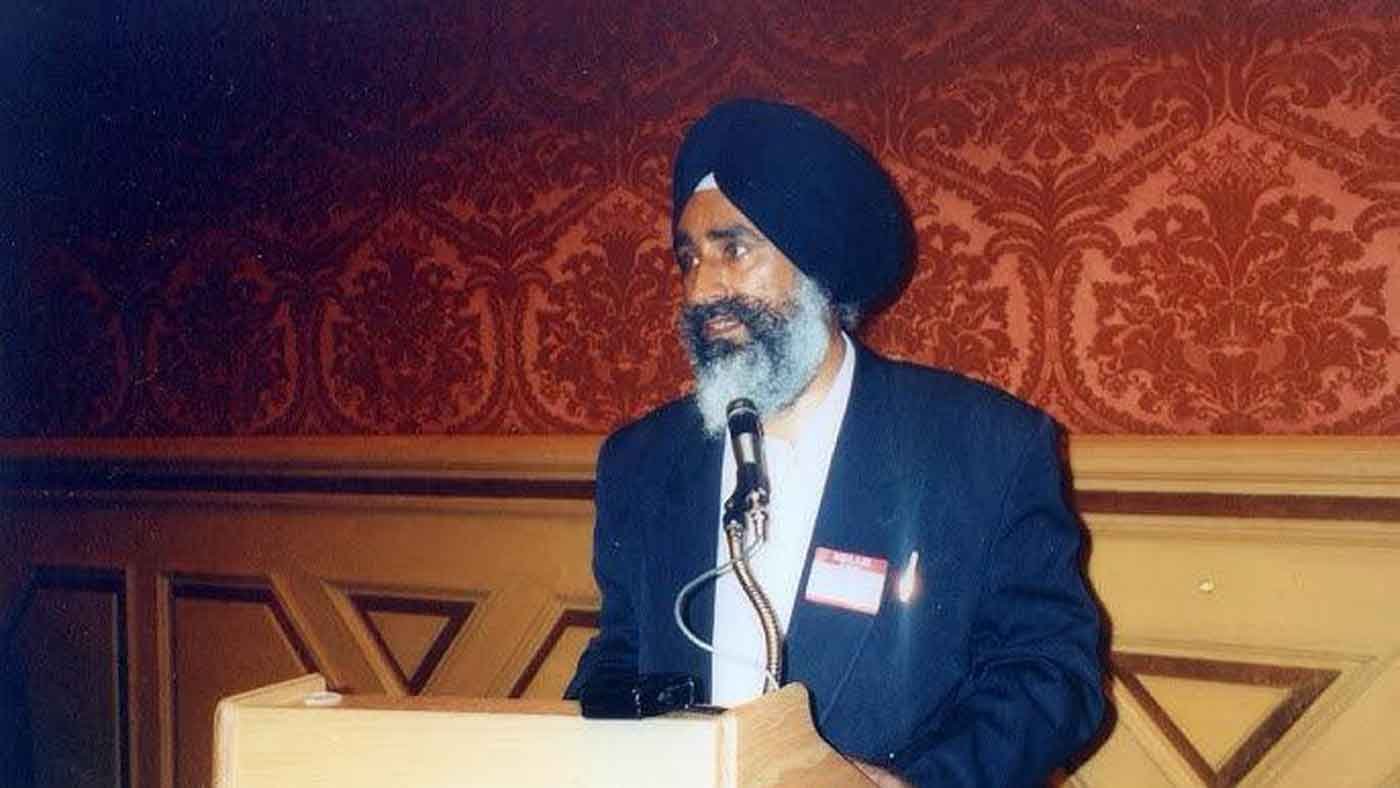
What makes Satluj extraordinary is not just its subject matter but the road it travelled before reaching audiences. The film was originally announced under the title Ghallughara, before being renamed Punjab 95, and finally released as Satluj. Over the past three years, it remained entangled in certification issues with the Central Board of Film Certification (CBFC). Reports suggested that the board had proposed more than 120 cuts, leading to prolonged delays and uncertainty over whether the film would ever be released.
Eventually, the makers decided to bypass a theatrical release and bring the film directly to ZEE5. Diljit and Honey Trehan publicly emphasized that the version made available to audiences was released without cuts, with Diljit remarking that he would not have promoted the film had it been altered.
However, the controversy did not end there.
Just two days after its digital premiere, Satluj was suddenly made unavailable on ZEE5 in India. In an official statement, the streaming platform announced that the film would remain unavailable in the country “until further notice”, adding that it was exploring legal avenues to restore access. The unexpected removal reignited debates around censorship, creative freedom, and the ability of politically sensitive stories to find a stable platform in India.
Reacting to the takedown, Diljit Dosanjh shared a powerful message on social media:
“I challenge the darkness.”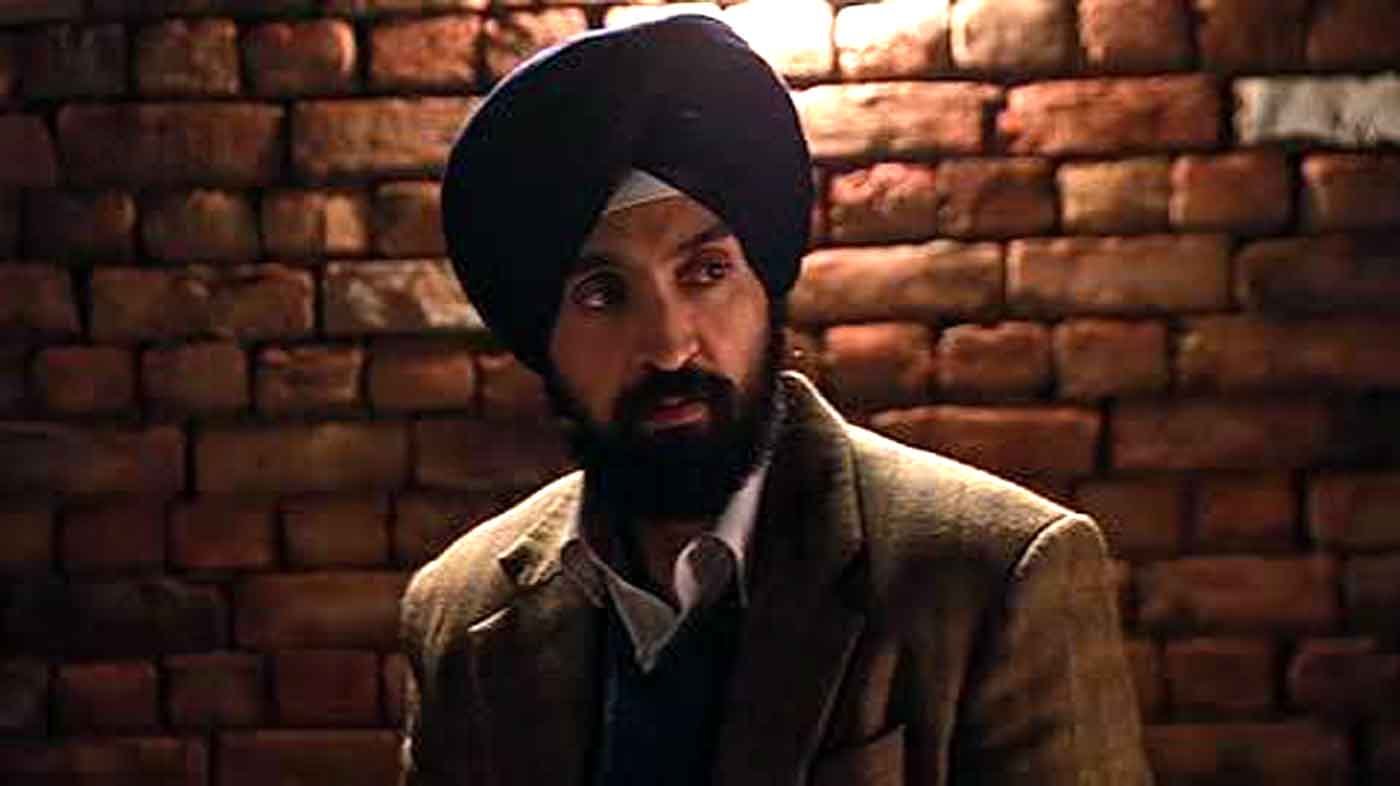
His statement was widely interpreted as a response to what many viewed as another setback in the film’s long struggle to reach audiences.
The film has also earned praise from several critics, who describe it as one of the most courageous political dramas in recent years. Rather than relying on melodrama, Satluj focuses on questions of justice, accountability, and the cost of speaking truth to power. Many reviewers have highlighted Diljit’s understated performance as one of the strongest of his career, with the film receiving acclaim for its emotional depth and uncompromising storytelling.
Ironically, the controversy surrounding the film has only amplified public curiosity. Social media has been flooded with discussions about its repeated delays, title changes, and abrupt removal from streaming. For many viewers, Satluj has become more than just another OTT release, it has evolved into a symbol of the ongoing debate between artistic expression and institutional oversight.
Whether audiences watch Satluj for Diljit Dosanjh’s performance, its historical significance, or the controversy that surrounds it, one thing is certain: the film has already secured its place as one of the most consequential Indian releases of the year. Sometimes, the stories that face the greatest resistance become the ones people are most determined to see.