
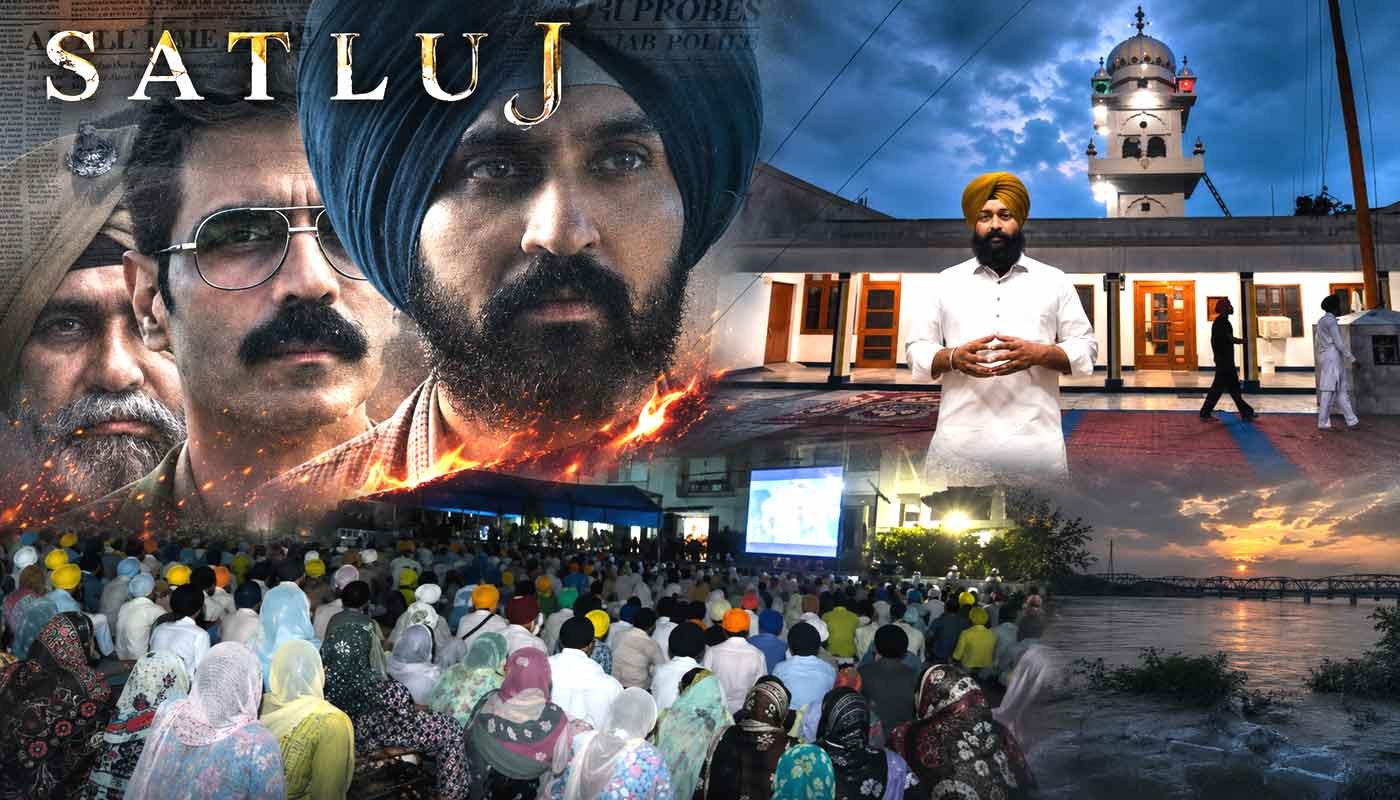
As dusk settled over the fields of Punjab’s Gurdaspur district, villagers gathered not for a festival or a political rally, but for a film.
The venue was a Sikh temple courtyard in Tatley village, where projector lights illuminated a story that official channels had attempted to silence. On July 8, the screening was coordinated by Inderjeet Singh Bains, who helped transform the gurdwara into an open-air cinema for Satluj, the film formerly known as Punjab ’95.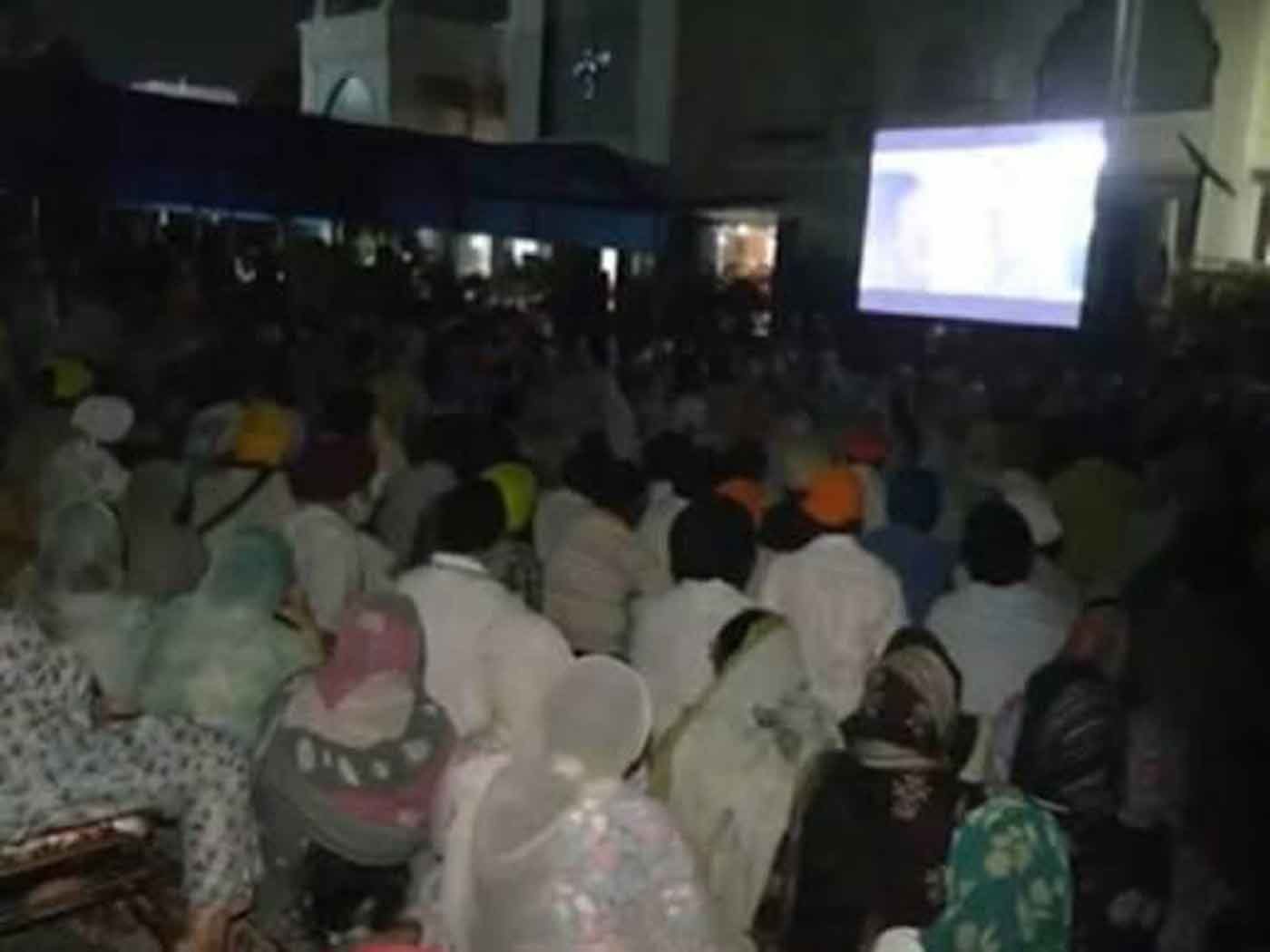
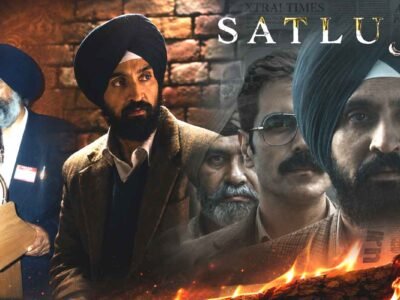
Directed by Honey Trehan and starring Diljit Dosanjh, Satluj tells the story of Jaswant Singh Khalra, the human rights activist who investigated thousands of alleged disappearances and extrajudicial killings during Punjab’s insurgency in the 1980s and early 1990s. His investigation into alleged illegal cremations became one of the most significant human rights cases in modern Indian history.
The film has endured a turbulent journey. Originally titled Punjab ’95, it spent years entangled in certification disputes before eventually releasing on ZEE5 under the new title Satluj. Within just two days, however, it was removed from the platform in India following government intervention. Officials cited concerns related to certification and national security, while the move reignited debates around artistic freedom and censorship.
Yet if the intention was to stop people from watching the film, the response from many communities has been quite the opposite.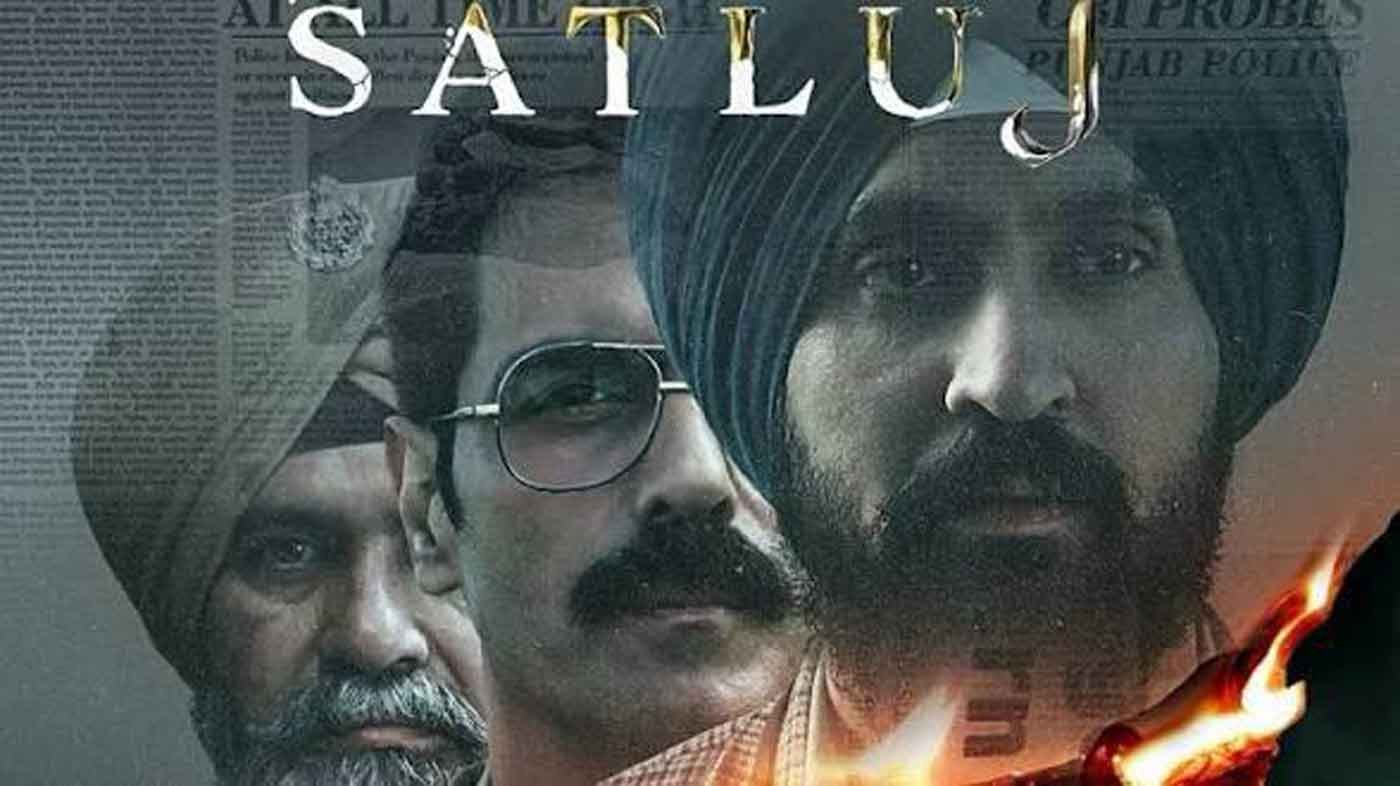
Across Punjab, Sikh organizations, youth groups, and local residents have begun organizing community screenings in village grounds, gurdwaras, and community spaces. Instead of disappearing after its takedown, Satluj has found a second life through public gatherings where hundreds watch the film together under the open sky.
Perhaps the most striking aspect of these screenings is the audience itself.
Older men and women who lived through Punjab’s insurgency sit beside teenagers born decades after the violence ended. For one generation, the film revisits memories they have carried for years. For another, it introduces a chapter of history they had only heard about, if at all. What begins as a movie screening often becomes an intergenerational conversation about memory, justice, and the importance of documenting difficult histories.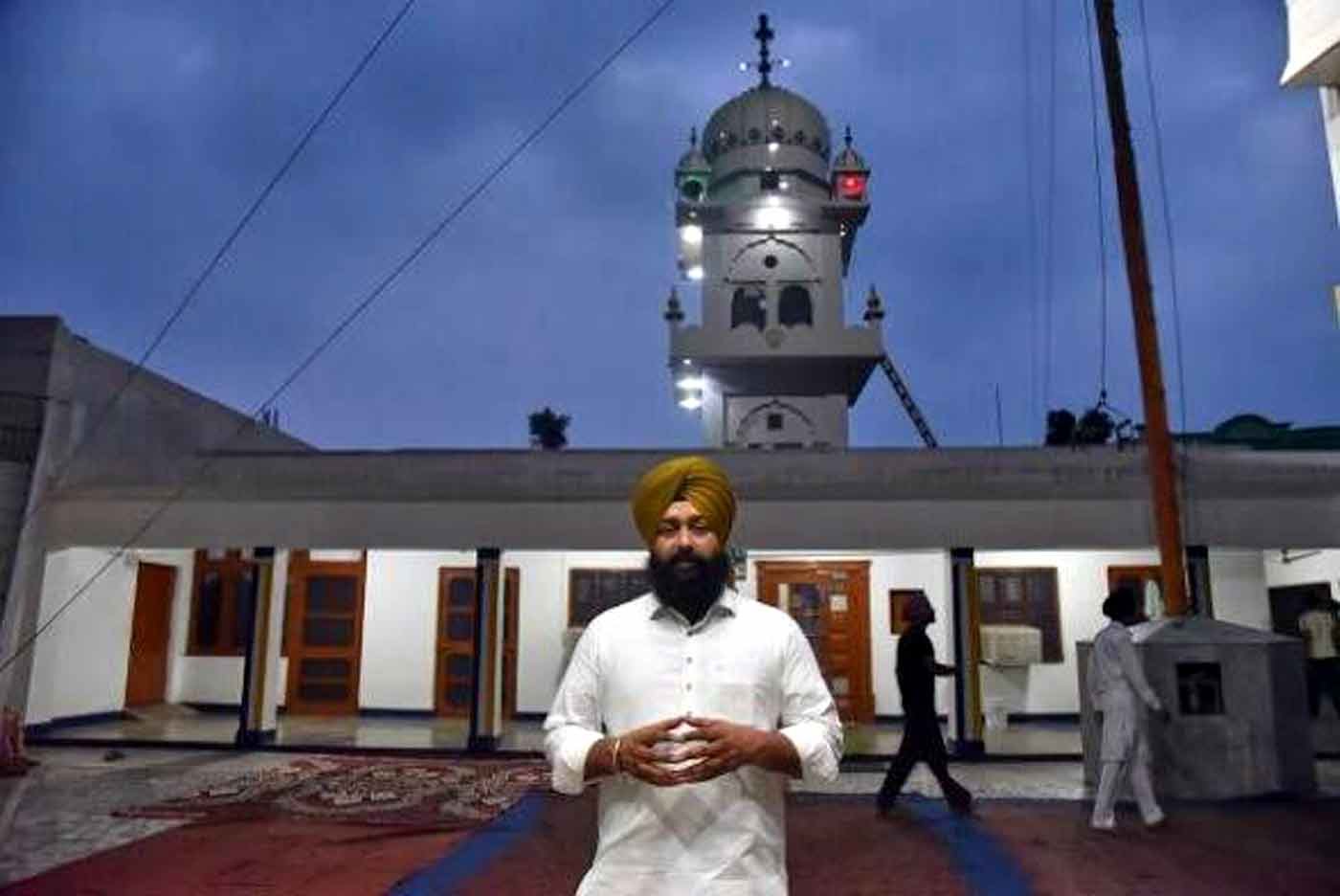
The movement has also expanded beyond villages. The Delhi Sikh Gurdwara Management Committee (DSGMC)announced plans to organize public screenings and educational seminars, arguing that Jaswant Singh Khalra’s story should remain accessible despite the film’s removal from streaming platforms. Similarly, the Shiromani Gurdwara Parbandhak Committee (SGPC) has protested the takedown, saying younger generations deserve the opportunity to engage with this period of Punjab’s history.
Actor Suvinder Vicky, who portrays SSP Surjit Singh Sugga in the film, described the community response as deeply moving. Speaking about the screenings, he remarked that people were treating the effort like “seva”, a selfless act of service, and called the overwhelming public support the greatest reward the film could receive. The story of Satluj has now evolved beyond cinema.
It has become a conversation about who gets to tell history, how societies remember painful chapters of their past, and whether removing a film from one platform can truly erase the stories it carries. If anything, the community screenings suggest the opposite.
Sometimes, when a story is restricted, people find new ways to share it. And in the courtyards of Punjab’s gurdwaras, beneath the evening sky, Satluj continues to be watched, discussed, and remembered.