

From Nenu Local to The Family Star, here are six South Indian male protagonists whose entitlement, hypocrisy, and problematic behaviour make them difficult to root for today
Not every protagonist deserves to be called a hero. South Indian cinema has given us countless iconic male leads. But it has also given us characters who mistake obsession for love, entitlement for confidence, and manipulation for romance. Many of these films were commercial successes. Yet, looking back today, their heroes feel far less charming than the films intended.
Here are six male protagonists who, for many viewers, remain some of the most frustrating characters in South cinema.
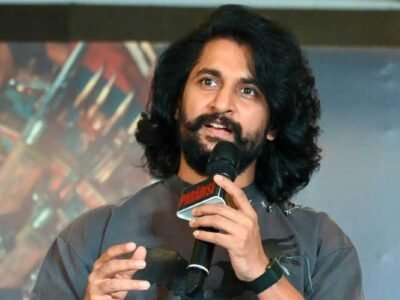
Babu – Nenu Local (Nani)

Babu is the definition of unchecked entitlement.
He has no career, no ambition, and very little sense of responsibility. Yet he expects everyone around him to accommodate his choices. He openly says he feels like hitting women who judge men based on their financial status, but immediately falls for Keerthi almost entirely because of her appearance. The irony is impossible to ignore.
Throughout the film, he repeatedly ignores consent, inserts himself into Keerthi’s life, and manipulates situations to get closer to her. The hardworking IAS officer is conveniently turned into the antagonist, while Babu’s immaturity gets rewarded. Even his interactions with Keerthi’s father rarely show growth. Instead, they reinforce how emotionally immature he really is.
Arya – Arya 2 (Allu Arjun)

Loneliness does not excuse manipulation.
Arya constantly demands to be the centre of Ajay’s life while refusing to respect Geetha’s choices. He believes persistence will eventually justify every action, no matter how intrusive or emotionally exhausting it becomes.
The film often frames his behaviour as quirky or lovable. In reality, Arya repeatedly ignores boundaries and treats people’s emotions like puzzles he must solve on his own terms. While Ajay has obvious flaws, Arya isn’t much better. His obsession frequently overshadows everyone else’s agency.
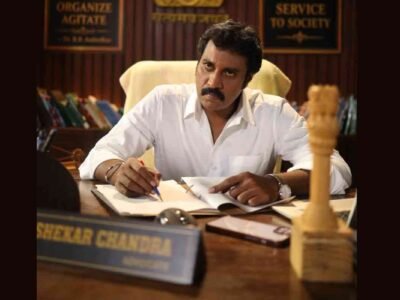
Harsha – Srimanthudu (Mahesh Babu)

Harsha wants to lecture everyone except himself.
He repeatedly criticises his father for being money-minded and emotionally distant while enjoying the privileges that same wealth provides. His philanthropic journey, admirable as it is, depends almost entirely on the resources his father built over decades.
When Harsha finally learns the painful reasons behind his father’s behaviour, the film barely allows him to reflect. There is little remorse for years of judgement and emotional distance. His father spends much of the film grieving the loss of his son emotionally, yet Harsha never truly acknowledges the weight of that pain.
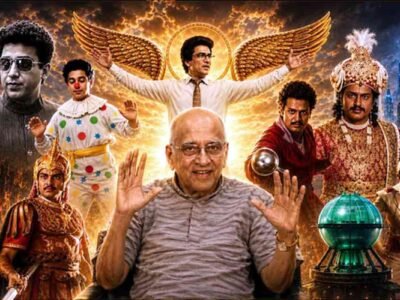
Chitra Aravindan – Indian 2 (Siddharth)

Selective morality is still hypocrisy.
Chitra Aravindan passionately demands justice and accountability until those ideals begin affecting his own family. The moment the consequences become personal, his convictions suddenly weaken.
Instead of becoming a layered character wrestling with difficult moral questions, he often feels like a walking social media post. His outrage appears performative rather than principled, making it difficult to invest in his journey.
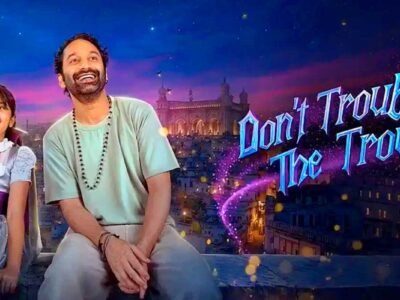
Govardhan – The Family Star (Vijay Deverakonda)

Being a provider doesn’t automatically make someone emotionally mature.
Govardhan constantly reminds everyone of his sacrifices, often using them to justify his anger, possessiveness, and emotional outbursts. Rather than communicating openly, he frequently lets his ego take control.
The infamous warning scene perfectly captures the problem. Instead of demonstrating strength, it highlights insecurity. The film presents him as an ideal family man, but many of his actions reveal someone who struggles to respect emotional boundaries.
Shiva – Siva Manasulo Sruthi (Jiiva)

Arguments are inevitable. Humiliation is a choice.
Shiva repeatedly allows his ego to dominate every disagreement. Instead of resolving conflicts through conversation, he escalates them into competitions where someone has to “win.”
While Sruthi isn’t always right either, Shiva often pushes situations much further than necessary. His constant need to prove himself eventually becomes exhausting, making romance feel more like an ego battle than a relationship.
When Heroes Stop Feeling Heroic
Cinema evolves. So do audiences.
Many of these characters were once celebrated as charming, funny, or romantic. Today, viewers increasingly recognise the entitlement, manipulation, emotional immaturity, and lack of accountability hidden beneath their heroism.
A compelling protagonist doesn’t need to be perfect. But they do need self-awareness, growth, and respect for the people around them.
Sometimes, the most memorable part of a film isn’t how much we admired its hero. It’s how much we wished someone had simply told him, “You’re the problem.”