

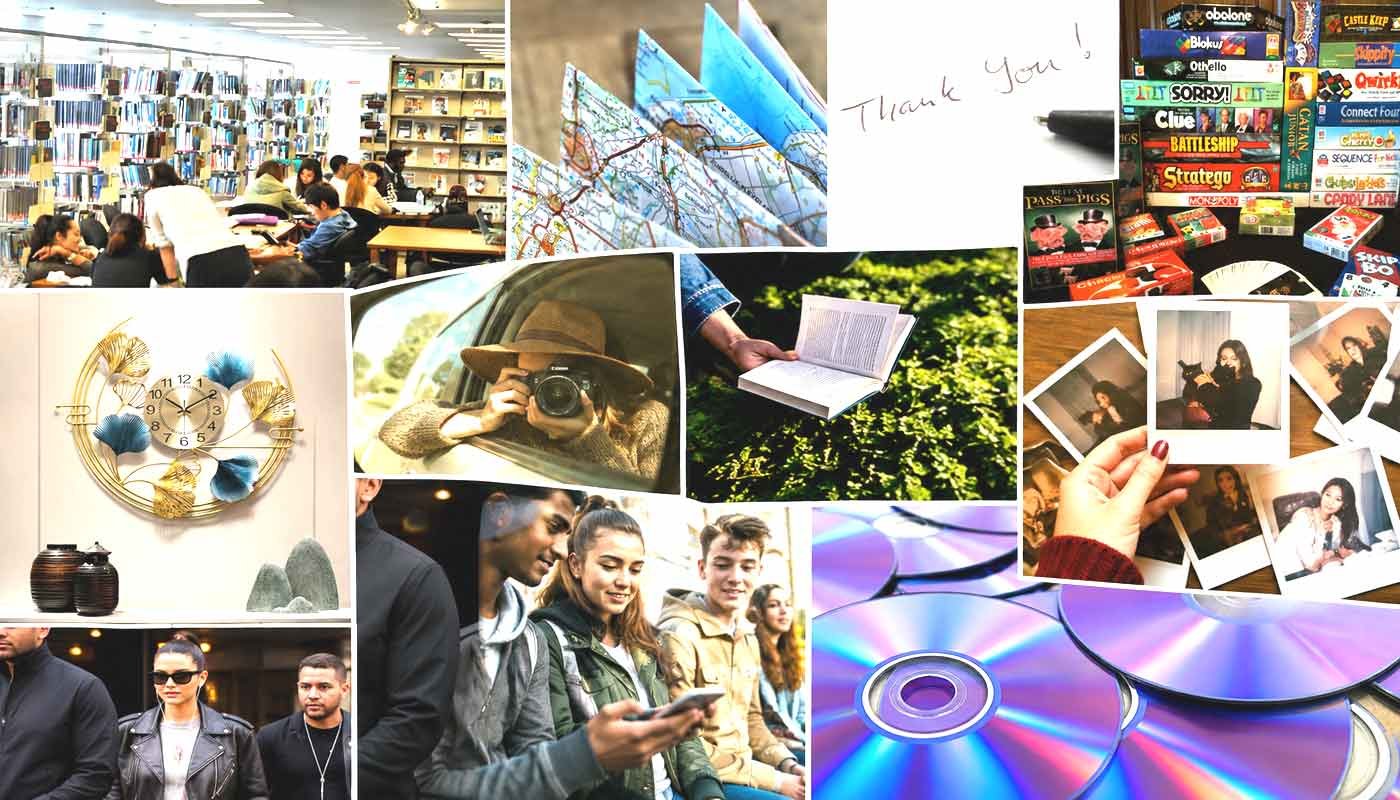
For a generation raised on smartphones, streaming platforms, artificial intelligence, and social media, Gen Z is making an unexpected U-turn. Across the world, young people are embracing objects many assumed had disappeared for good. Film cameras are replacing phone cameras. Wired earphones are back in backpacks. Libraries are filling up again. Printed photographs are finding their way into albums instead of cloud storage.
It isn’t nostalgia, many Gen Z users never grew up with these things in the first place. It’s something deeper. Call it an analog renaissance. Rather than rejecting technology altogether, Gen Z is searching for balance in an increasingly digital world, rediscovering experiences that feel slower, more intentional, and surprisingly human.
Film Cameras Are Cool Again
For years, smartphone photography has been about perfection, unlimited retakes, filters, editing apps, and instant uploads. Film photography offers the exact opposite.
With only a limited number of exposures, every frame demands patience and intention. There is no instant preview, no endless retakes, and no algorithm waiting for likes. Waiting days to develop a roll of film has become part of the excitement itself. For many young photographers, the imperfections, grain, and unpredictability of film feel far more authentic than digitally perfected images.
Wired Headphones Are Making a Comeback
Wireless earbuds may dominate the market, but wired headphones have quietly become fashionable again. Part of the appeal is practical. They never run out of battery, don’t require Bluetooth pairing, and are harder to lose. But they have also become a cultural statement. In an age where everything is wireless and disposable, wired earphones represent simplicity, reliability, and even a subtle rejection of constant consumer upgrades.
Printed Photos Feel More Personal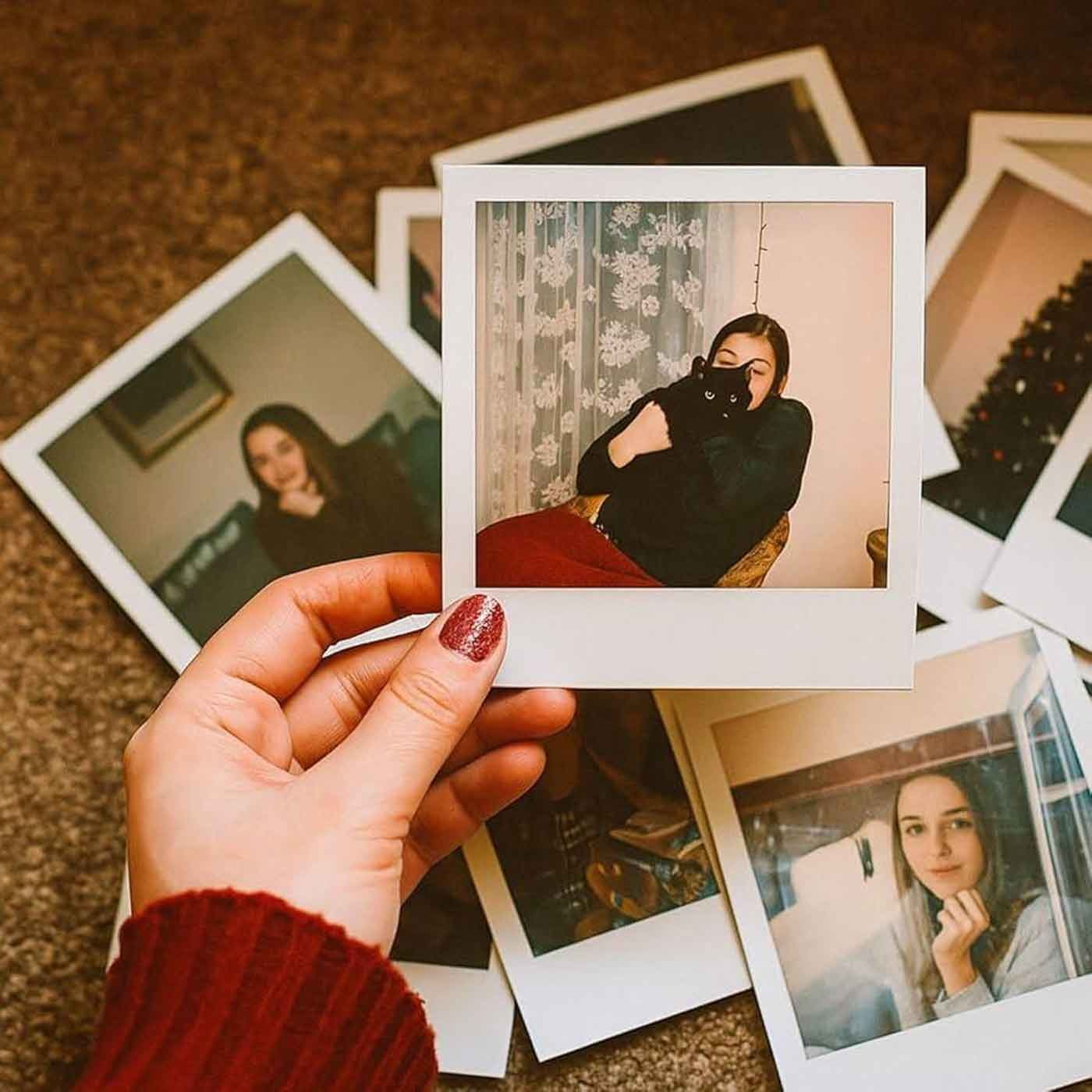
Thousands of pictures now sit forgotten inside phone galleries. Printed photographs, however, are becoming treasured keepsakes once again. Young people are decorating bedrooms with photo collages, creating scrapbooks, gifting instant prints to friends, and building physical albums that survive beyond phone upgrades and deleted cloud storage. Holding a photograph in your hand carries an emotional permanence that scrolling through a gallery simply cannot replicate.
Paper Books Are Winning Against Screens
Despite e-books and digital reading apps becoming increasingly accessible, physical books continue to experience renewed popularity among Gen Z.
Communities like BookTok have transformed reading into a cultural movement, encouraging millions of young readers to buy, collect, annotate, and display books proudly. Beyond aesthetics, many readers say physical books help reduce screen fatigue, improve concentration, and create a deeper emotional connection with stories.
Handwritten Notes Are Returning
Typing may be faster. Writing by hand feels different. Students are increasingly returning to notebooks, journals, planners, and handwritten lecture notes. Research has often suggested that handwriting can improve information retention and focus, while many students find the slower pace of writing helps them process ideas more effectively than endless typing on laptops.
Stationery itself has become a lifestyle trend, with beautifully designed notebooks, fountain pens, and highlighters finding a new audience.
Analog Clocks Are Finding Their Place Again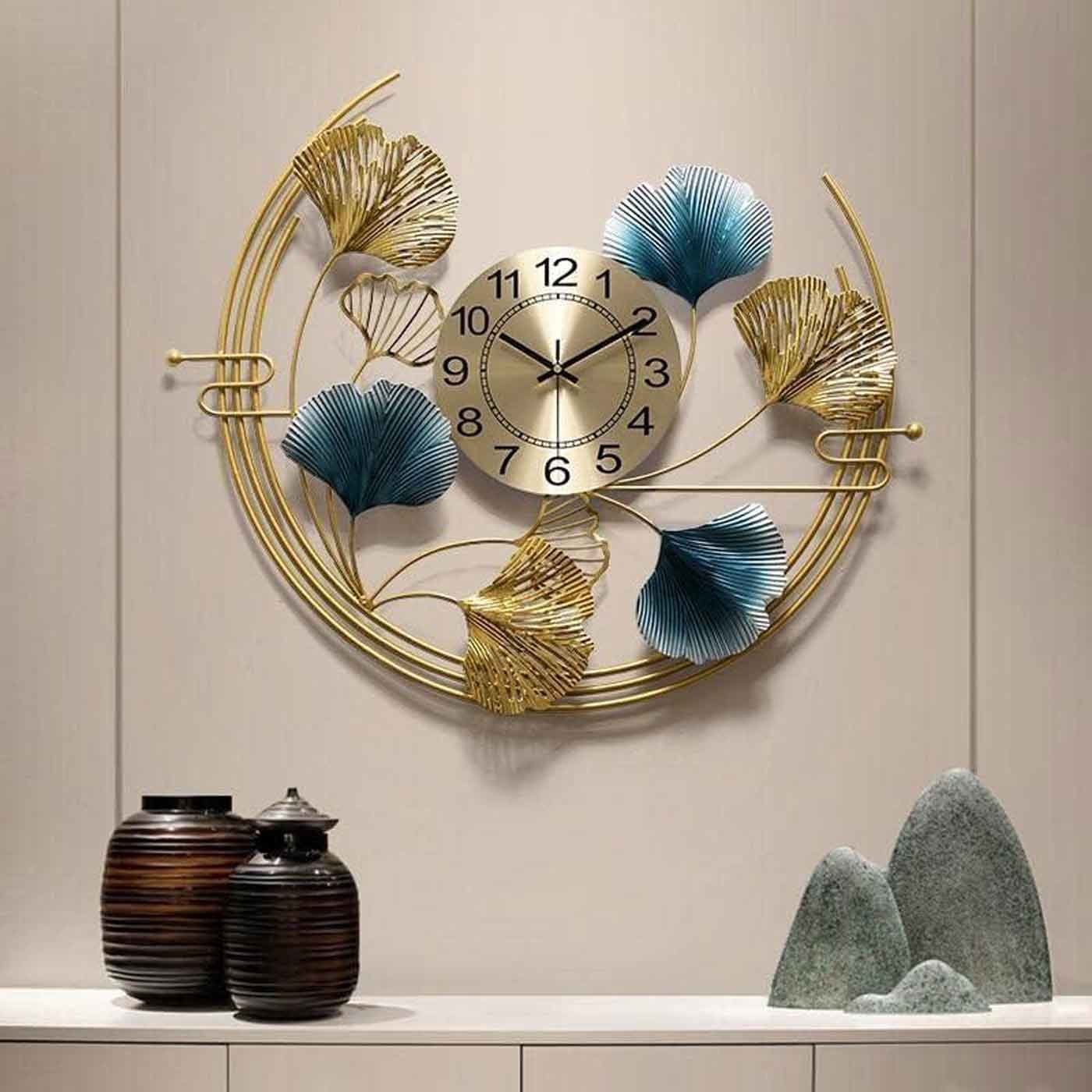
In a world where every phone displays the time, analog clocks might seem unnecessary. Yet they are making a quiet comeback. Whether hanging on bedroom walls or worn as classic wristwatches, analog timepieces have become symbols of mindful living. Reading time from clock hands requires a different relationship with time itself, less about constant notifications and more about awareness.
Board Games Are Replacing Endless Scrolling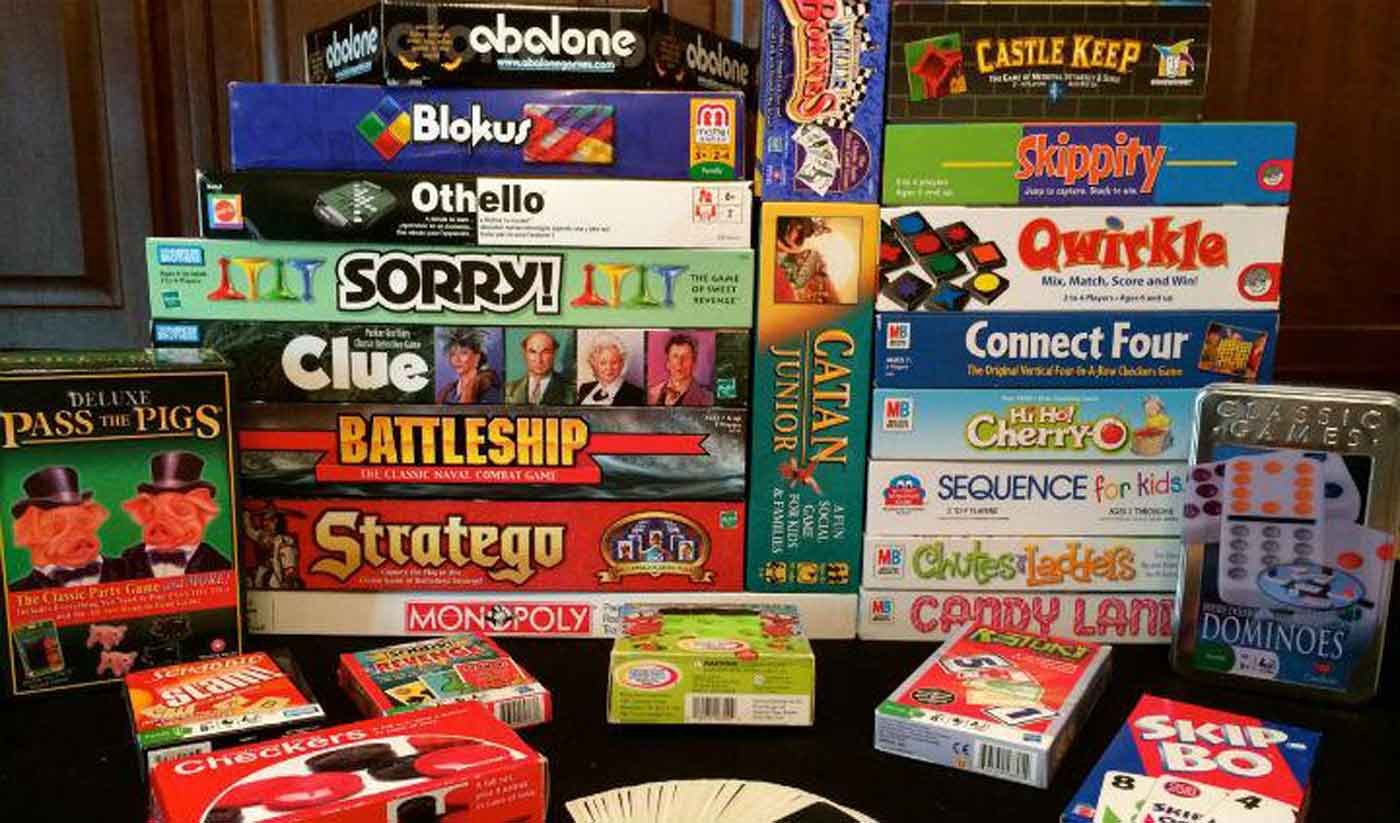
Game nights are returning. From Monopoly and Scrabble to Catan, Uno, and chess, board games are creating spaces where people interact face-to-face instead of through screens. Unlike social media, board games demand conversation, laughter, teamwork, and genuine presence. For many young adults exhausted by digital overload, these evenings offer something increasingly rare, undistracted human connection.
CD Players Are Back on Shelves
Streaming may offer convenience, but physical music is experiencing an unexpected revival. Vinyl records may dominate headlines, but CDs are quietly making a comeback too. Many young listeners are collecting albums, appreciating cover art, lyric booklets, and the tangible experience of owning music rather than renting it through subscription services. Listening becomes an event instead of background noise.
Paper Maps Are Becoming Adventures Again
GPS has made navigation effortless. But paper maps are making a surprising return among travelers, hikers, and adventure enthusiasts. Reading a physical map encourages exploration rather than simply following a blue line on a screen. It transforms travel into discovery, forcing people to engage more deeply with the places they visit instead of blindly trusting navigation apps.
Libraries Are Busy Again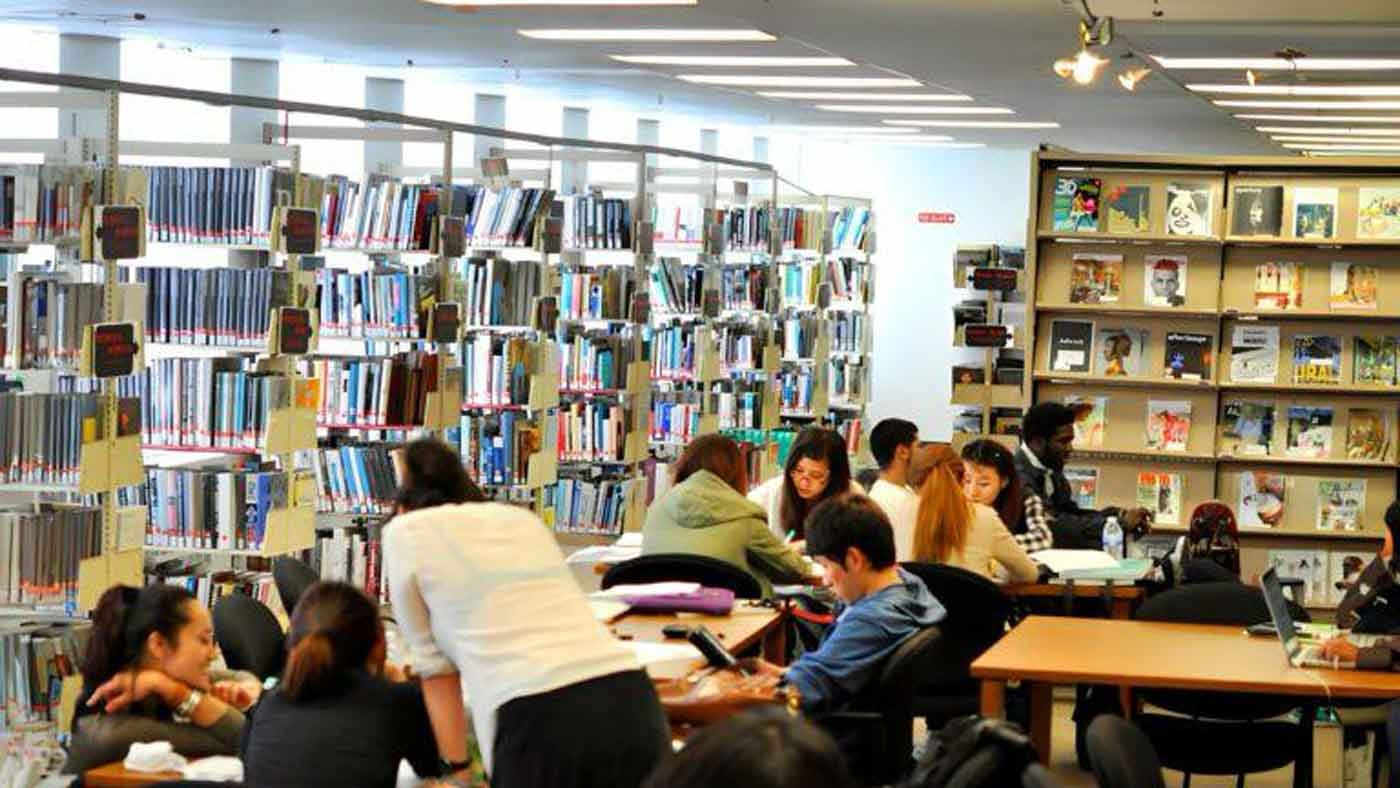
Perhaps the most surprising comeback belongs to libraries. Once dismissed as relics of another era, libraries are becoming popular spaces for studying, reading, working quietly, and simply escaping digital distractions. For many Gen Z students, libraries offer something increasingly difficult to find elsewhere, silence, focus, and freedom from constant notifications.
The Future Might Look Surprisingly Familiar
This movement isn’t anti-technology. Gen Z still streams music, uses smartphones, shops online, and lives on social media. But alongside all that, they’re rediscovering the joy of slowing down.
Of touching paper. Of waiting for the film to develop. Of reading without notifications. Of conversations uninterrupted by screens. Sometimes progress isn’t about replacing everything that came before.
Sometimes it’s about remembering why those old things mattered in the first place. Perhaps the most unexpected trend of this generation isn’t that they’re inventing something entirely new.
It’s that they’re learning to appreciate what never really needed replacing.