
Before Bathukamma becomes a spectacle of colour, song and procession, it begins as something quieter: an ancient conversation between women, wildflowers and water. In Telangana, the nine-day festival is not merely a floral offering to the Goddess, it is a living archive of ecological wisdom, community health and collective memory.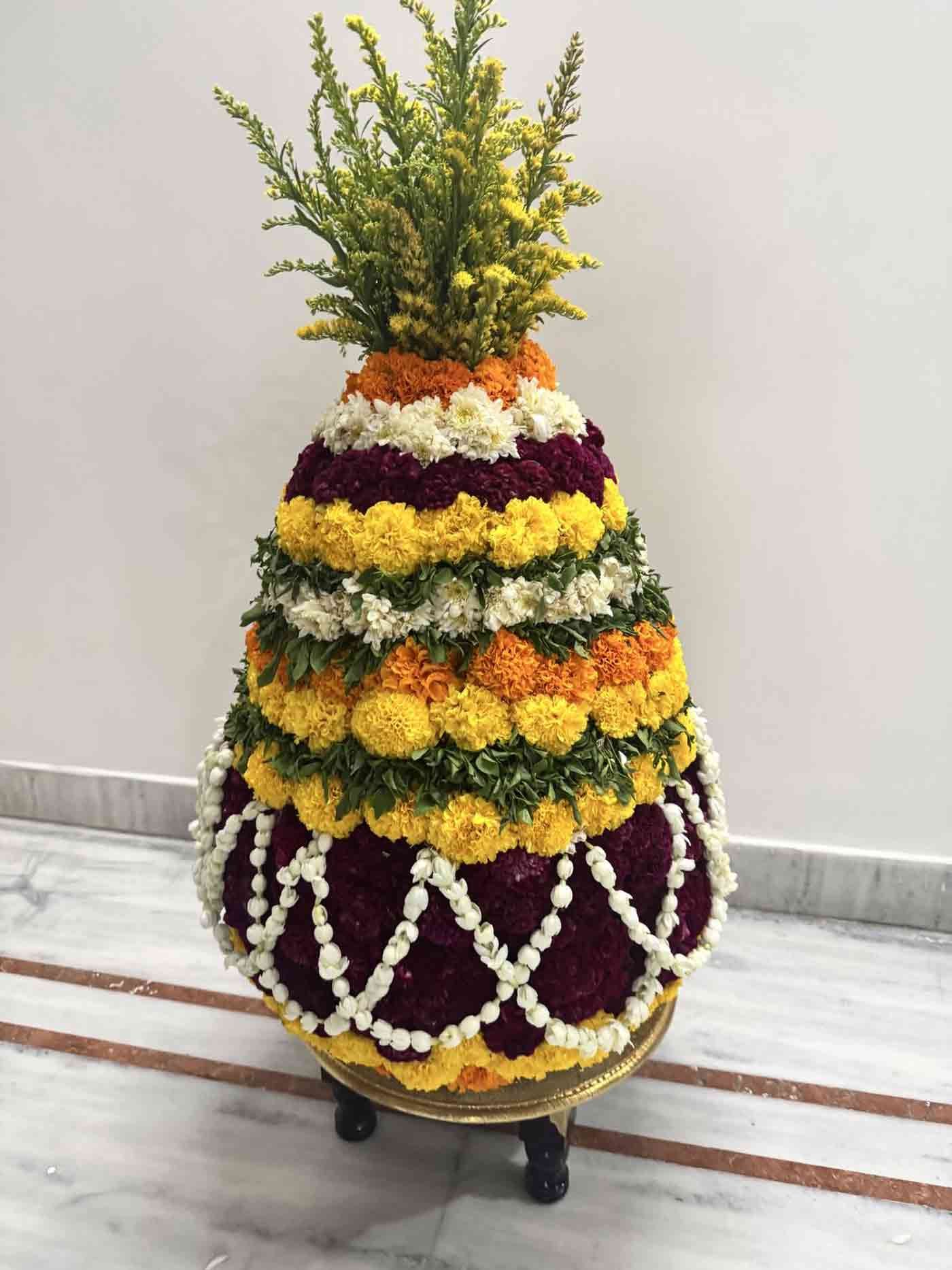
“Bathukamma is celebrated for health,” says Dr. Harikrishna Mamidi, Poet, Cultural Historian & Director, Telangana BC STUDY CIRCLE. “After the monsoon, when new water collected in tanks and reservoirs, communities understood the need to purify it. The flowers used in Bathukamma carry properties that help cleanse water, making the festival a form of environmental and public-health care.”
A Festival Born of Water
In earlier centuries, monsoon overflow often left ponds, tanks and reservoirs contaminated. Waterborne illness was a real fear, especially for children. Bathukamma’s immersion ritual offered a community-level response: seasonal flowers, rich in natural properties, were returned to the village water bodies in vast quantities.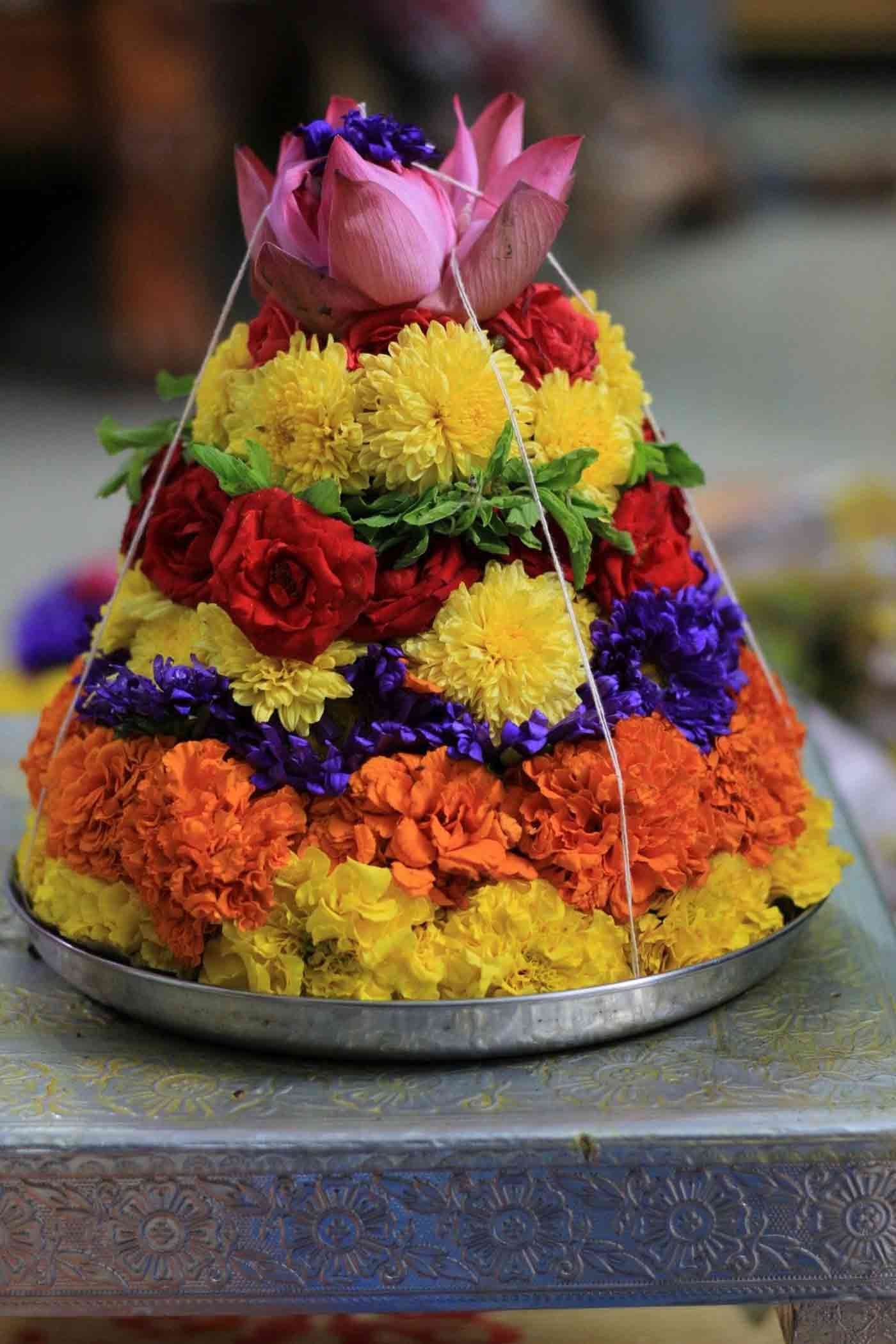
The practice is rooted in the belief that flowers such as tangedu, gunugu, katla, seetamma jada, beerapuvvu and gummadi puvvu help reduce microbial contamination and improve water quality. The Telangana government itself notes that the flowers used in Bathukamma have water-purifying qualities and that their immersion helps cleanse ponds and improve the environment.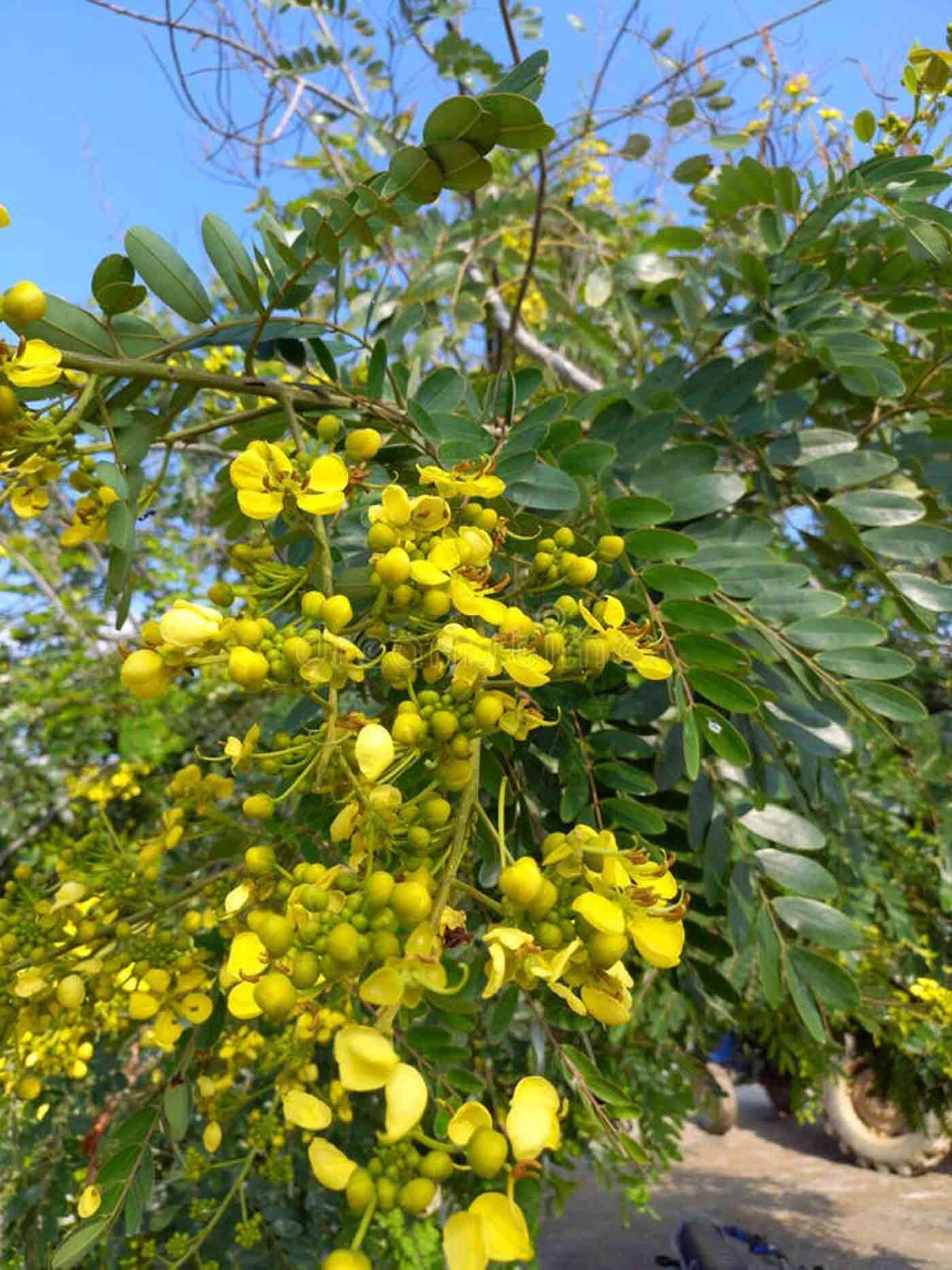
Harikrishna describes this as an early, intuitive understanding of purification, long before modern filtration systems entered everyday life. “The flowers contain qualities that help purify water,” he says. “This knowledge was practised through ritual, so that science became part of culture and culture protected the community.”
Flowers With a Purpose
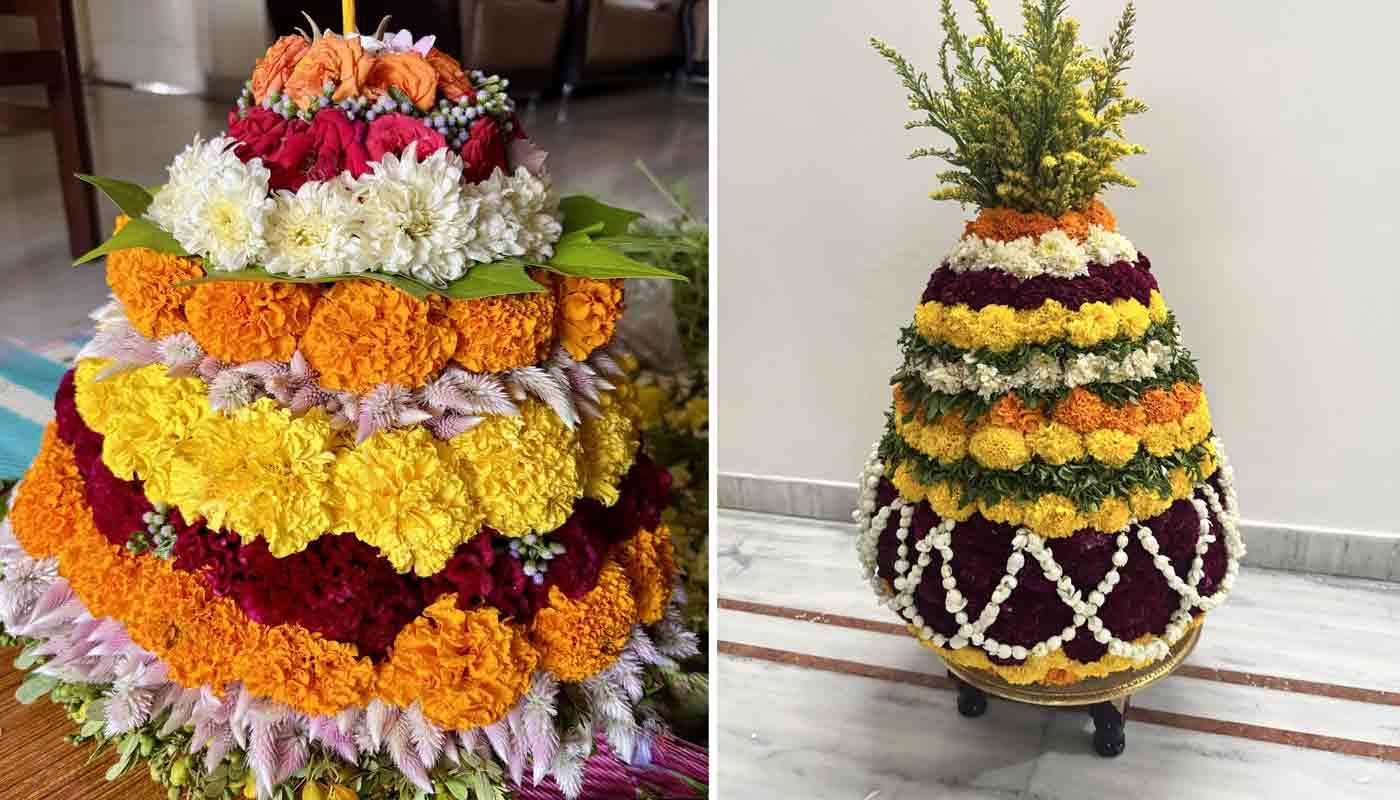
The Bathukamma stack is a carefully composed botanical structure. Tangedu, Telangana’s state flower, forms the base, followed by layers of gunugu, marigold, chrysanthemum and other seasonal blooms, crowned with gummadi puvvu and turmeric Gauri.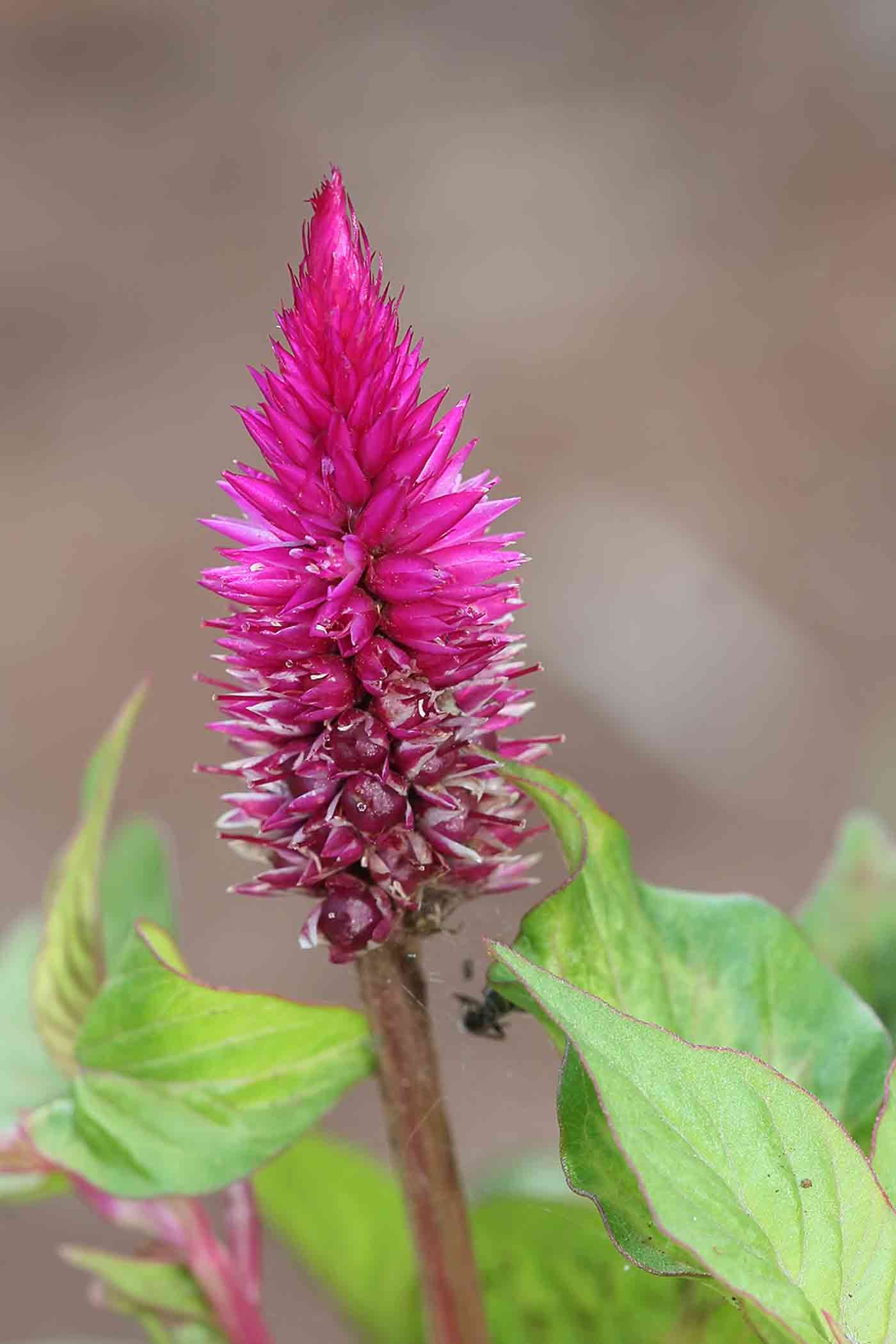
Tangedu (Cassia auriculata) is particularly significant. Known for its antibacterial and medicinal properties, it has traditionally been valued in herbal practices, including aromatherapy. Gunugu, marigold and chrysanthemum too carry medicinal associations, from anti-inflammatory to antioxidant properties.
What appears today as a vibrant floral pyramid was once, in effect, a seasonal public-health intervention, beautiful enough to be worshipped, practical enough to be immersed in a pond.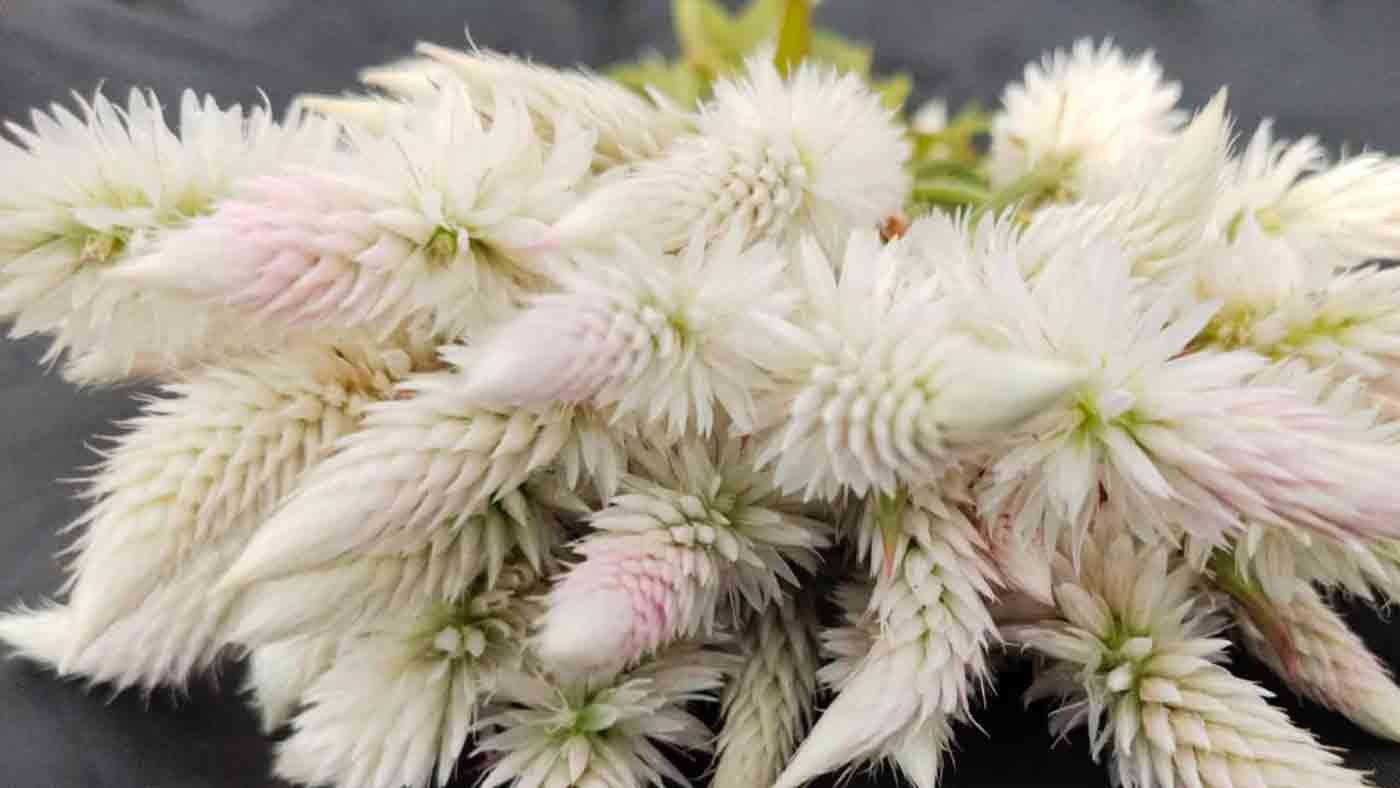
A Kakatiya-Era Legacy
Harikrishna traces the festival’s deeper roots to the Kakatiya period, when flower worship and tank-based water management flourished across the Deccan. He refers to the tradition of Puvvula Panduga, the festival of flowers, associated with the reign of Ganapati Deva and remembered through inscriptions, including one at Vepalli in Nalgonda district.
Whether read as history, legend or cultural memory, the association is powerful: Bathukamma emerged in a landscape where lakes and tanks were lifelines, and festivals became a way to care for them collectively. The festival continues to coincide with the post-monsoon bloom, when tangedu and gunugu appear across fields, roadsides and open commons.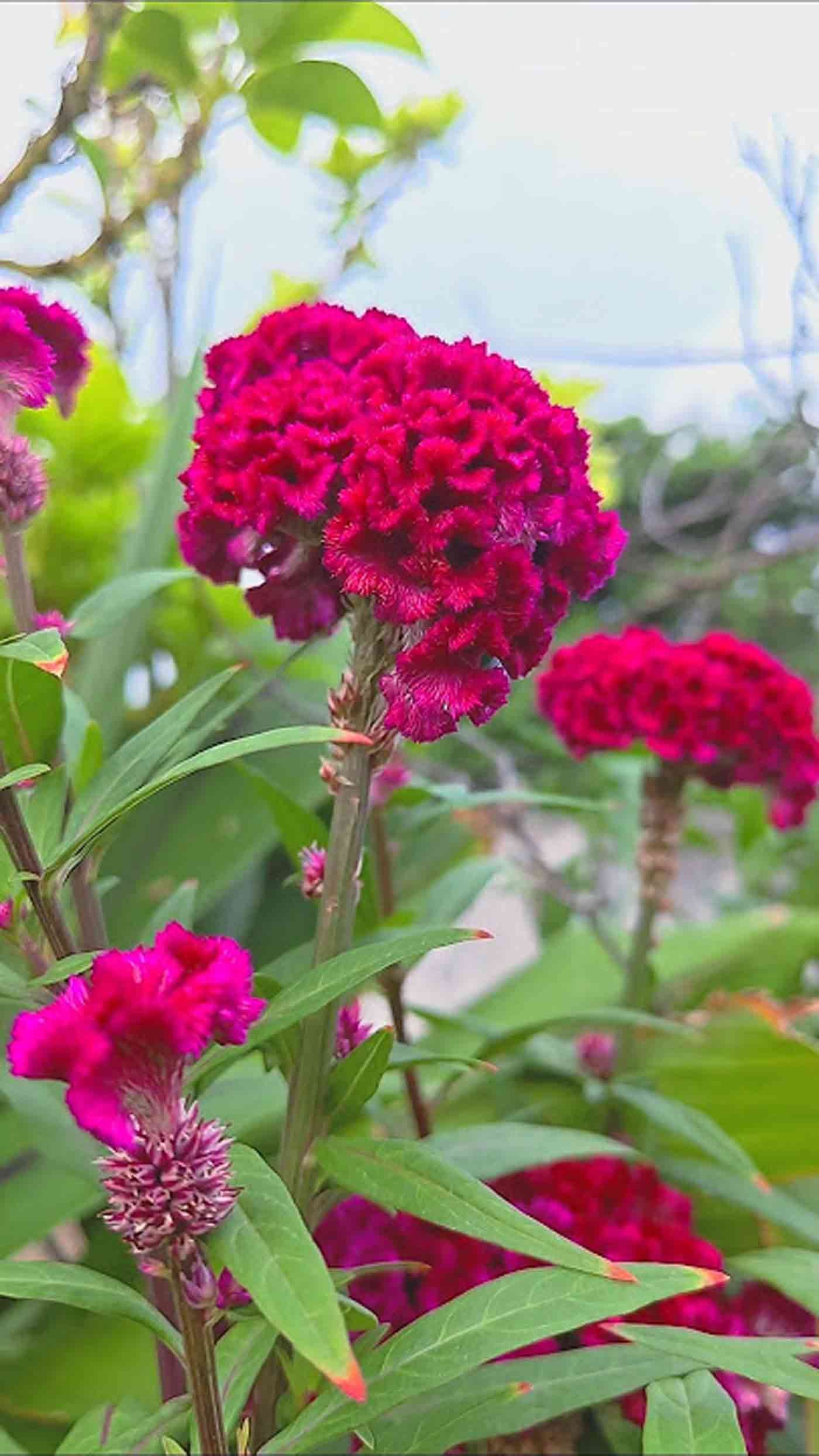
Dance as Therapy
Bathukamma’s most magnetic image is its circle of women, clapping, singing and moving around the floral stack. But the dance is more than celebration.
The rhythmic clapping, circular movement and collective singing create a shared physical and emotional release. Harikrishna sees in it an early form of reflexology and therapeutic movement: the body is engaged, stress is released, and social bonds are renewed.
The songs themselves carry social instruction. They speak of family ties, respect, marriage, sisterhood, patience and the responsibilities that hold a community together. A song such as “Okkesi puvvesi chnadamma” becomes more than a refrain, it is a lesson in human relationships, passed from one generation of women to the next.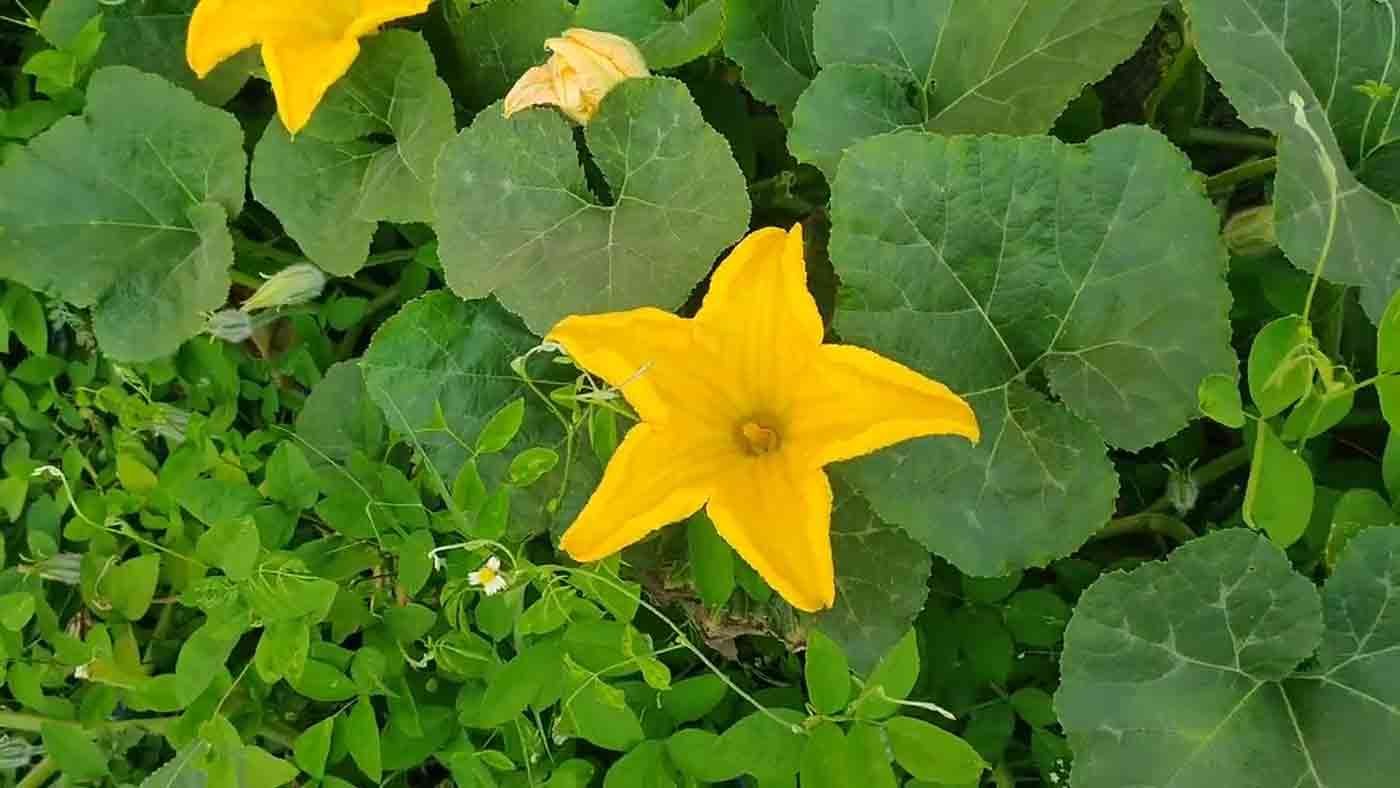
Nutrition on the Festival Plate
The festival’s food traditions complete its wellness philosophy. During Bathukamma, millet-based preparations and offerings such as sattu, ragi and nuvvula pindi are shared as prasadam.
For women, particularly those navigating pre-menopausal and menopausal years, iron-rich and fibre-rich seasonal foods have long been part of the festival’s quiet nutritional intelligence. The celebration thus nourishes the body alongside the spirit: flowers for water, dance for the body, songs for the mind, and millets for strength.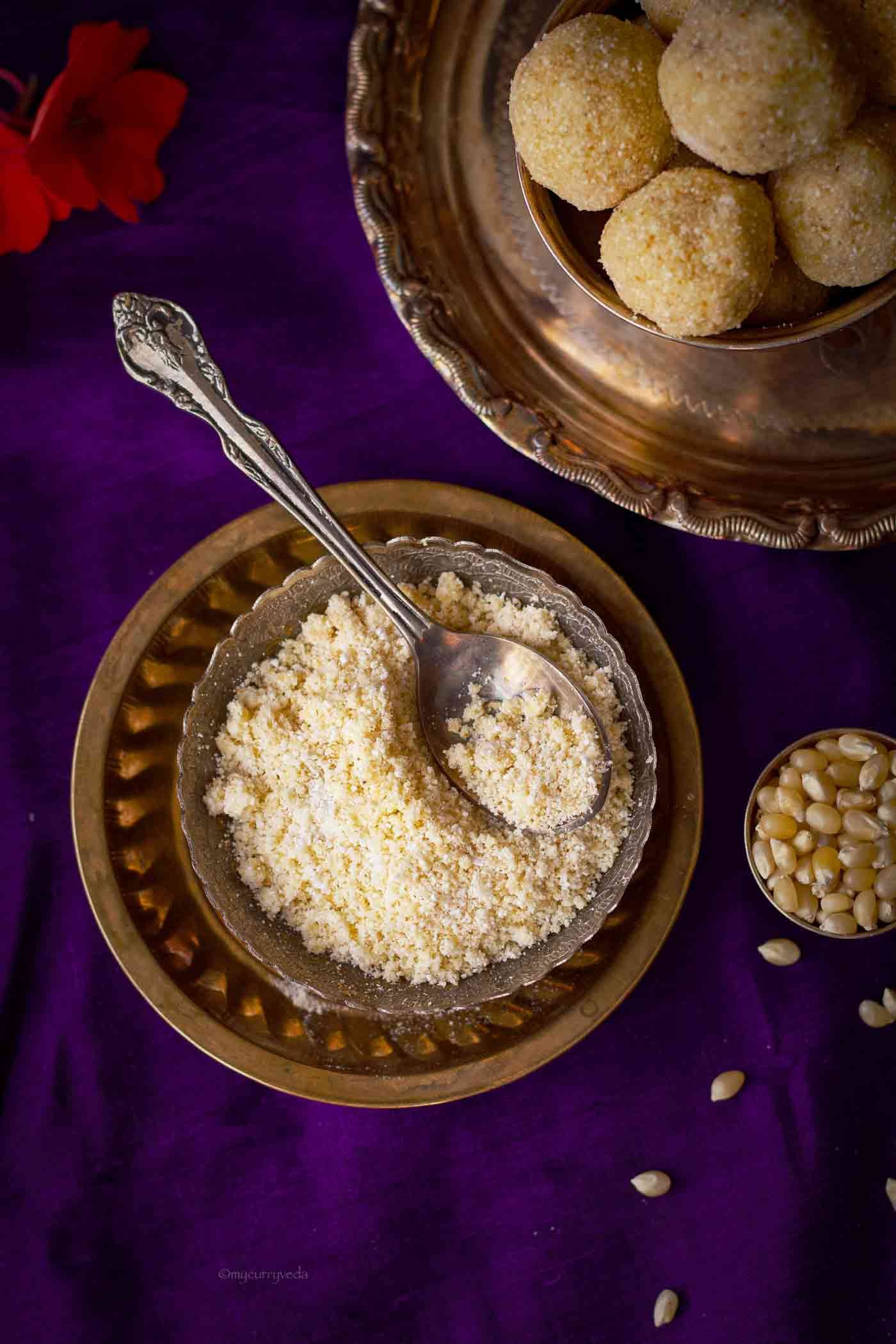
Keeping the Flowers Alive
Harikrishna’s larger concern is continuity. As urban expansion and changing rainfall patterns affect the natural growth of Bathukamma flowers, he believes horticulture and forest departments must work together to conserve and cultivate them.
He suggests developing these flowers as commercially viable bouquet varieties, encouraging farmers to grow them, and using high-yielding varieties to ensure stable availability. Telangana’s greening efforts, including Haritha Haram, have already helped revive green cover; the next step, he argues, is to protect the specific wildflowers that carry Bathukamma’s cultural DNA.
“When farmers grow these flowers, they earn from them,” he says. “And when flowers are commercially valued, the tradition will never be forgotten.”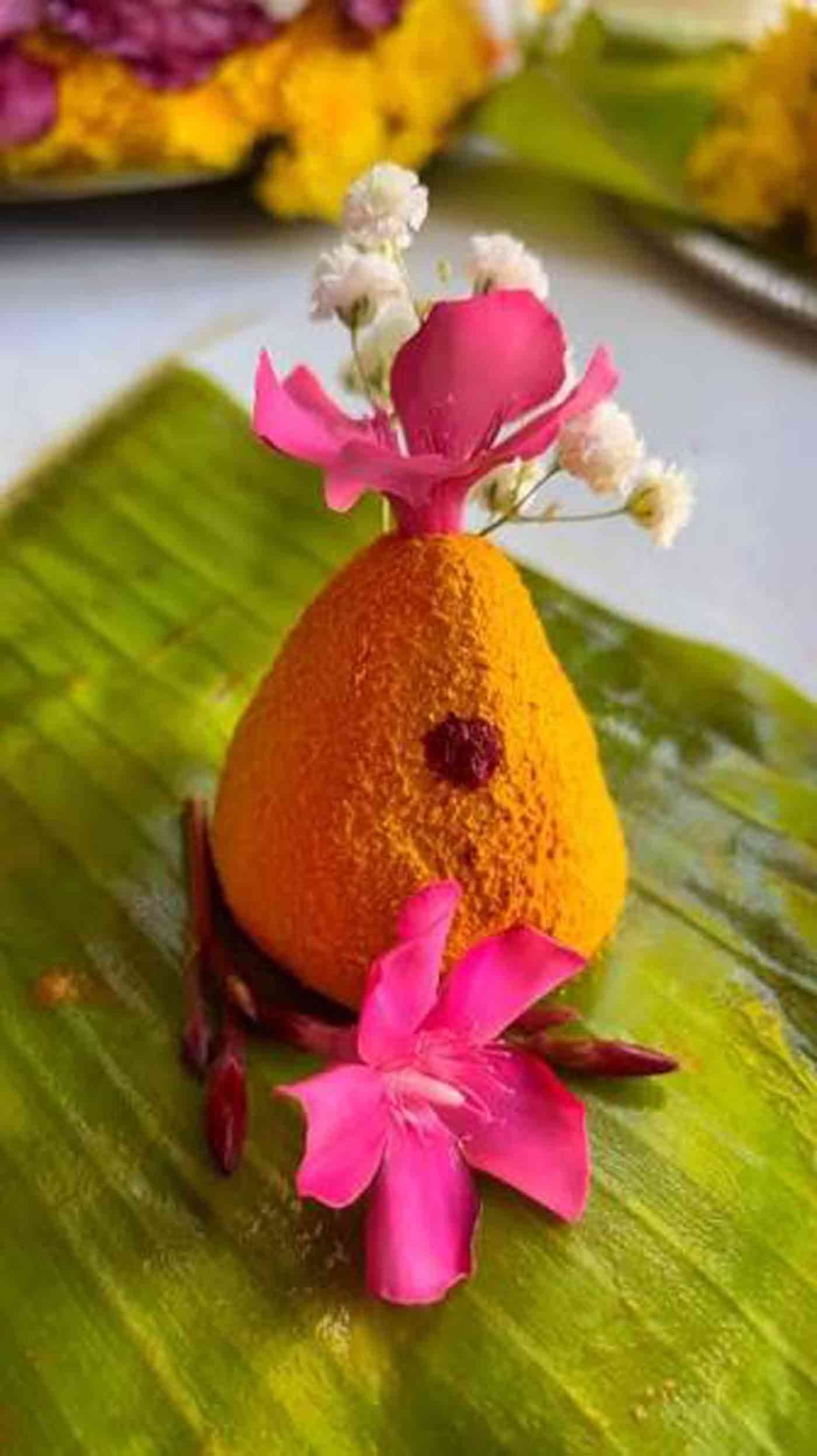
A Living Heritage
Bathukamma is often described as Telangana’s festival of flowers. But it is equally a festival of survival, of clean water, healthy food, women’s solidarity and ecological balance. Every immersion is a reminder that culture, when rooted in nature, can be profoundly practical.
As the flowers return to the water, they carry with them centuries of knowledge: that celebration and conservation can bloom from the same stem.
Dr. Aruna Pariti is the Head and Professor of History at Veeranari Chakali Ilamma Women’s University, shared her insights on this year’s Dussehra celebrations, highlighting the gradual disappearance of traditional Bathukamma flowers due to rapid urbanisation. She observed that expanding concrete structures have left little space for the native plants and wildflowers that once flourished across Telangana, gradually eroding both their cultural significance and their traditional medicinal value. As Telangana lies in a tropical region with largely dry weather conditions, its landscape has historically supported hardy seasonal blooms such as tangedu, gunugu, banthi and chamanti, which are central to the Bathukamma festival.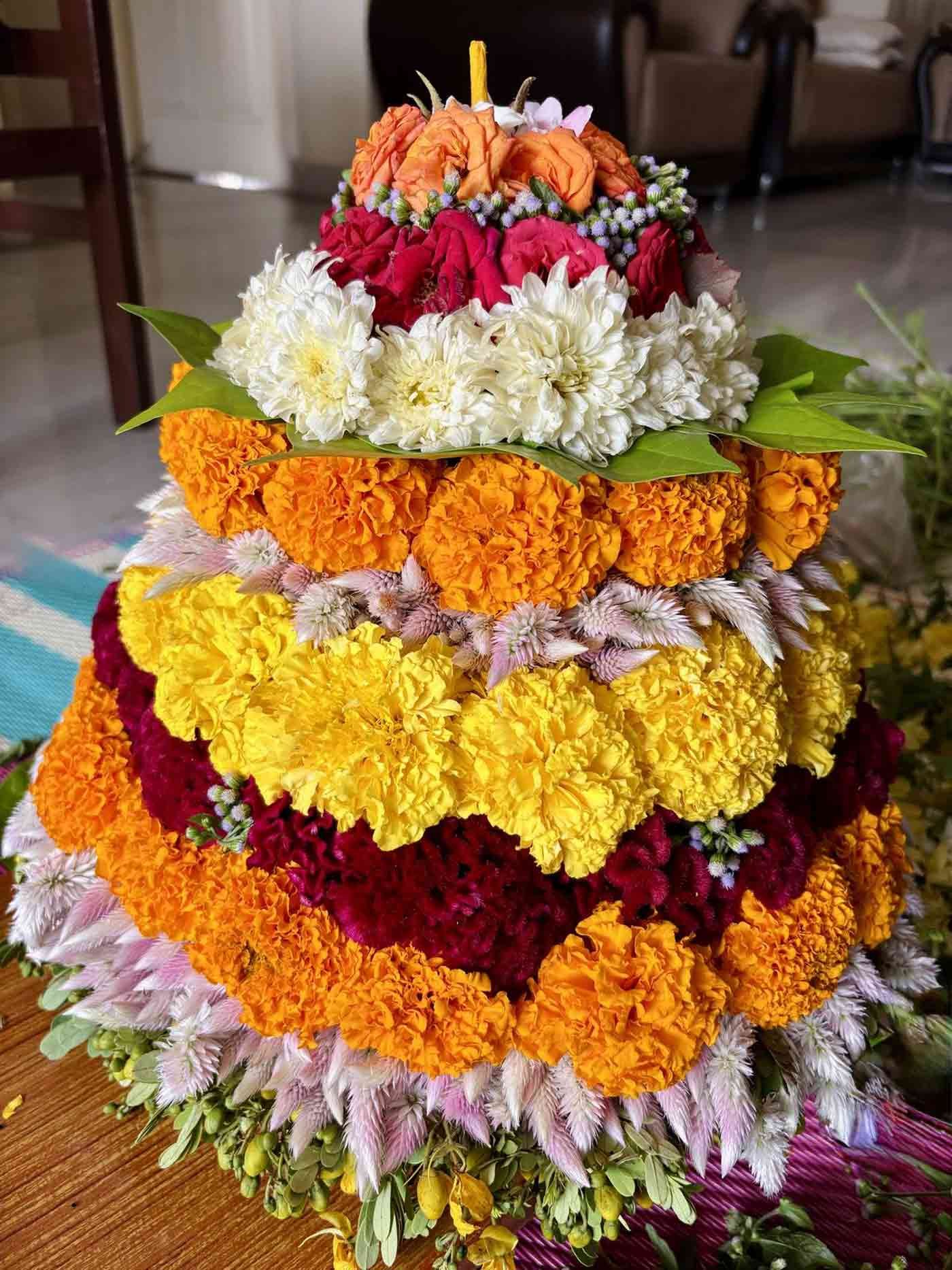
Speaking about the Jammi tree, she recalled its deep roots in the Mahabharata, when the Pandavas, during their exile in Viratanagaram, concealed their weapons in the Jammi (Shami) tree before retrieving them on Vijayadashami. Because of this sacred association, the tree is considered auspicious, and in Telangana, Dussehra is marked by worshipping it and exchanging its leaves as symbolic gold. The custom of Jammi puvvula marpu is accompanied by Alai Balai, where family members, friends and neighbours embrace one another, exchange warm greetings and seek blessings for prosperity and well-being.
Bathukamma reminds us that a festival can be both beautiful and purposeful, celebrating nature while protecting it. As its flowers return to the water, Telangana renews an ancient promise of health, harmony and collective care.
By Vaishnavi