

The Ramayana, a 5,000-year-old epic in which good triumphs over evil, has been told, retold and reinterpreted over the years, so much so that it is almost part of the muscle memory of its target audience. Apart from the scrutiny that the text is bound to attract owing to its religious significance, its familiarity is also a blessing in disguise, offering storytellers an emotionally rich, almost readymade platform on which to mount a large-scale action epic.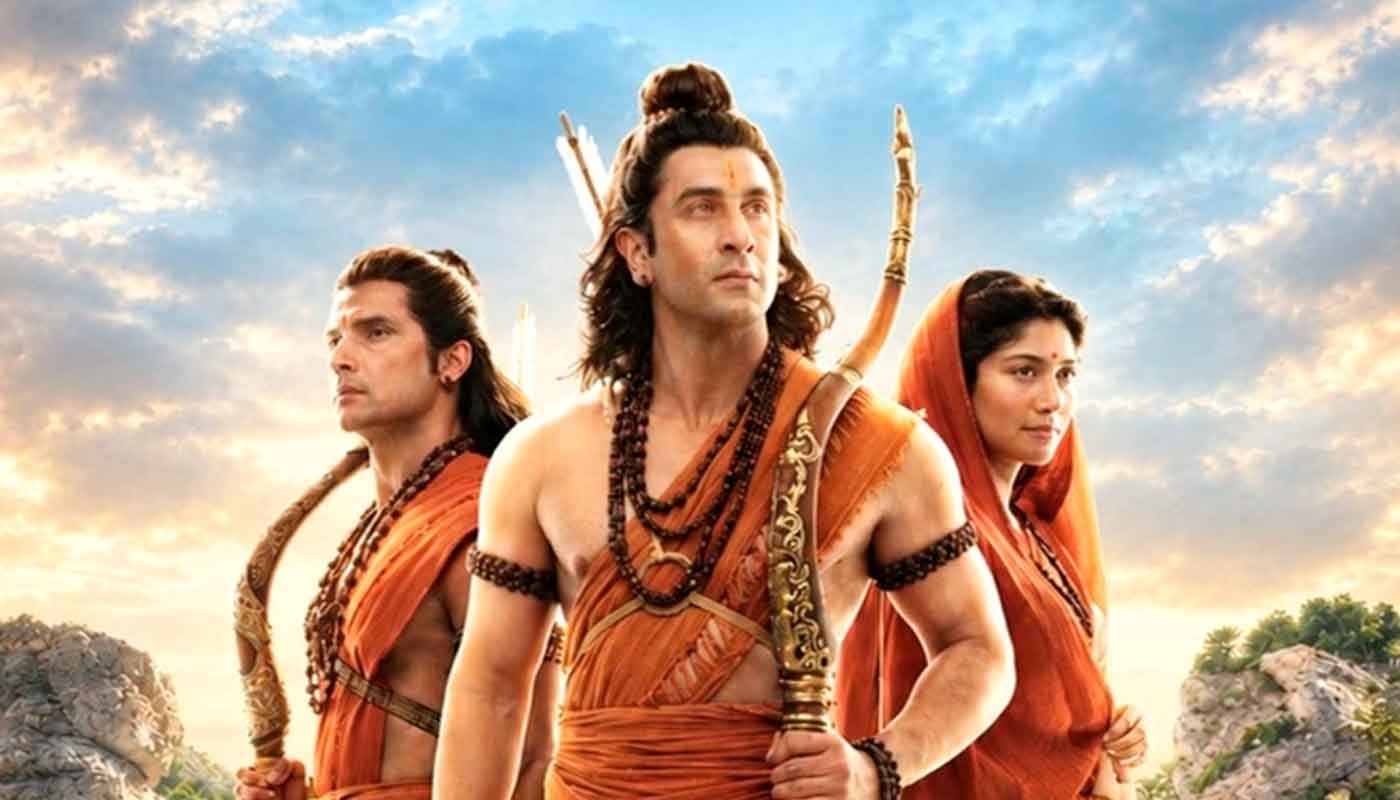
Director Nitesh Tiwari’s magnum opus is evidently a grand reimagining, tailored to the aesthetic of a DC/Marvel-meets-King Kong universe. While expanding the visual grammar of its key events on a monumental scale, the film offers an opulent canvas and an action extravaganza that occasionally risk feeling synthetic. At its core, however, it remains a conventional retelling, with the first part laying a firm foundation for the inevitable Rama-versus-Ravana battle.
Ravana (Yash) isn’t your typical ten-headed demonic caricature. The creators use the visual motif to represent the conflicting dimensions of a power-hungry king whose rage, ambition and arrogance are in dire need of a reality check. Pitted against him is a spotless prince, Rama (Ranbir Kapoor), a walking, talking green flag who can apparently do no wrong as a devoted son, a trained warrior, a protective brother and a gentle husband.
The narrative establishes why the world needs a Rama, an embodiment of all ideals who must endure gruelling challenges and possesses the mental and physical acumen to humble Ravana. A fiery, intense introductory stretch sees Ravana losing himself in a devotional trance, with enough signals of impending doom lurking in and around his kingdom.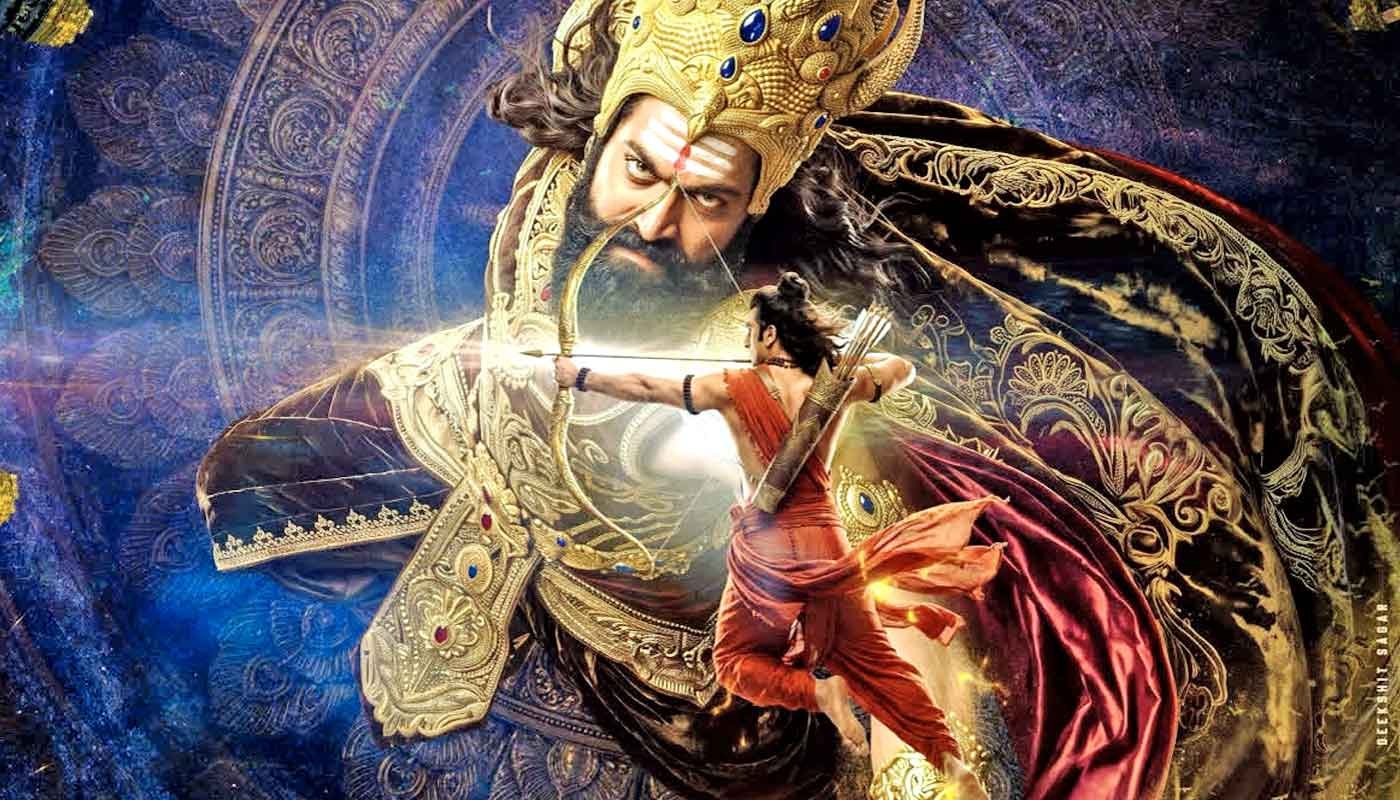
A royal drama follows, draped in spectacle, in which King Dasharatha (Arun Govil), his three wives (Kousalya, Kaikeyi and Sumitra) and four sons (Rama, Lakshmana, Bharata and Shatrughna) blissfully coexist under the same roof, unaware of what destiny has in store for them. The picture-perfect world is almost too saccharine for its own good, with men and women on their best behaviour, adorned in elaborate jewellery and spotless clothing.
An arresting action sequence, in which Rama vanquishes the demoness Tataka (who looks slightly cartoonish), serves as testimony to his skills as an alert and accomplished warrior. He soon lifts and breaks a heavy divine bow to win Sita’s (Sai Pallavi) hand in marriage. Yet, amidst the lofty ideals and unwavering resolve of its pivotal characters, what carries the film forward is its gentle, easy-going rhythm.
The film makes room to establish a warm bonhomie between Rama and Sita, who are clearly besotted with each other. Lakshmana, meanwhile, has a playful streak as a doting younger brother prone to impulsive reactions. Though Tiwari steers clear of any subversion of the epic, the storytelling remains assured, the background score is introspective, and the dialogues never indulge in verbal excesses.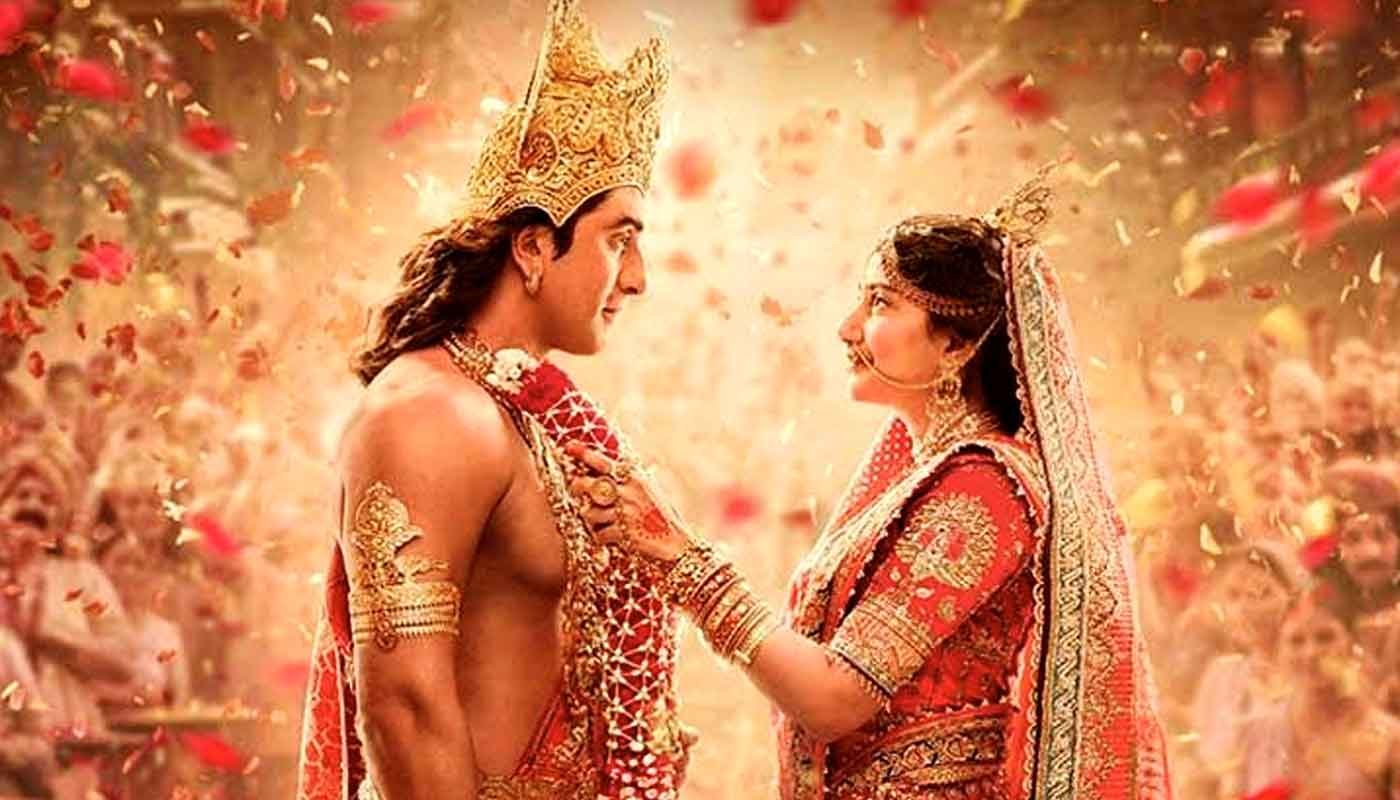
The understated pitch of the performances in Rama’s camp serves as a welcome contrast to the seething, in-your-face intensity of Ravana’s kingdom. Given its West-leaning narrative style, songs are used significantly more in the background than as full-fledged musical numbers. The melodrama leading up to Rama’s exile, along with the mood of a family torn apart by circumstances, is heightened effectively through an operatic classical score.
While family dynamics take centre stage initially, post-intermission, the film wears its action-epic label far more consciously as Rama, Sita and Lakshmana find their feet in the forest. Rama and Lakshmana battle one demon after another, but Sita isn’t merely the demure partner waiting for her husband to play the hero. The film offers enough instances to establish that she is no less a warrior, packing a punch alongside the brother duo as they take on one miscreant after another.
A welcome addition to this retelling is the time devoted to building the animosity between Ravana and his brother-in-law Vidyutjihva (Vivek Oberoi), who is married to Surpanakha (Rakul Preet Singh). This episode effectively contextualises Surpanakha’s longing for an ideal companion and her subsequent attraction to Rama. Equally striking is one of the film’s more contemporary touches: Sita’s firm stance against violence directed at women, even when the victim is someone attempting to poach her husband.
Though not in a literal sense, the film also positions nature, both flora and fauna, as a grounding influence for Rama and Sita through thick and thin. It serves as a safe sanctuary, offering solace while constantly exposing them to unforeseen dangers.
The climax sets the stage for a grand war. The sequence in which Ravana makes up his mind to seek revenge, with multiple voices in his head urging him to act on his impulses, serves as a fine showcase of Yash’s magnetic screen presence. The chain of events towards the end, from the hunting of the golden deer to the fierce aerial duel between Jatayu and Ravana, is total paisa vasool spectacle, with spectacular visuals backed by precise and impactful action choreography.
The tear-jerking send-off to Jatayu acts as the ultimate emotional trigger, prompting Rama to shed his passive exterior and transform into a man fiercely rebelling against the injustice meted out to him. The transformation reminds you of a Prabhas in Baahubali, though one hardly minds.
Performances elevate the material across the board. Yash is as good as it gets as Ravana, liberating himself of all apprehensions, from his appearance to his histrionics, and injecting raw swag into the demon king’s unchecked rage. Ranbir Kapoor faces the harder task of lending charisma to an overly perfect and sorted Rama. He displays remarkable restraint, ensuring that the character never feels tedious, and is ably supported by Ravi Dubey’s enthusiasm as Lakshmana.
Sai Pallavi smashes all reservations regarding her casting with a resounding thud. What she brings to the table is an inner resilience and spirit that truly define Sita. Rakul Preet Singh is charming and effective as the widowed seductress, while seasoned actors such as Arun Govil, Shobana, Lara Dutta and Sheeba Chaddha make their presence felt despite their limited screen time. Kajal Aggarwal gets only a fleeting appearance, though she is expected to take on a meatier role in the sequel.
As mainstream and safe-playing as it tries to be, Ramayana serves its purpose through a fine balance between inward drama and outward spectacle. Hans Zimmer and A.R. Rahman’s score lends a distinctly refined touch to pivotal sequences, with the fusion of Western classical and Indian traditional influences leaving a fresh musical aftertaste (though the songs are relatively underwhelming).
While there are instances where CGI extensions and overly sanitised imagery come in the way of its visual appeal, the solid writing, conversational dialogues and smooth edits more than make up for these distractions.
Beyond the glory, pomp and spectacle, the major takeaway from Ramayana, particularly in divisive times such as these, is perhaps its quiet reminder to live in harmony with nature and to take Rama’s gentleness and Sita’s fighting spirit back home with us.
Rating: 3.5/5