
Returning to the Venice Biennale after seven years, India brought together five contemporary artists whose immersive installations transformed indigenous materials, traditional craftsmanship and personal histories into a universal conversation on home, identity, ecology and belonging.
The 61st International Art Exhibition of La Biennale di Venezia concluded on November 22, 2026, after more than six months of artistic and cultural engagement. Held from May 9, the Biennale attracted over 714,000 visitors and recorded 100 national participations, the highest in its history, according to the organisers.
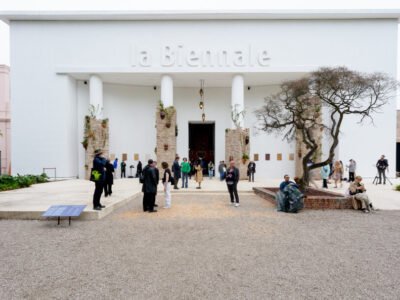
For India, the edition marked a significant return to one of the world’s most influential contemporary art platforms. Its national pavilion, Geographies of Distance: remembering home, curated by internationally renowned art historian Dr Amin Jaffer, explored India’s contemporary artistic identity through materials deeply embedded in its cultural landscape.
Presented by the Ministry of Culture, Government of India, in partnership with the Nita Mukesh Ambani Cultural Centre (NMACC) and Serendipity Arts, the exhibition occupied the historic Isolotto at the Arsenale in Venice.
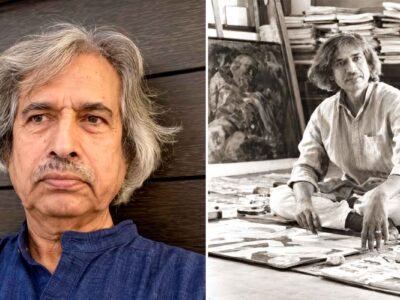
Five artists — Alwar Balasubramaniam, Ranjani Shettar, Sumakshi Singh, Skarma Sonam Tashi and Hyderabad-born Asim Waqif — brought together distinct regional sensibilities and artistic practices, creating an exhibition that was both intimately Indian and universally resonant.
### Home beyond geography
Responding to the Biennale’s overarching theme, In Minor Keys, conceived by the late curator Koyo Kouoh, Amin Jaffer explored the idea of home in a world increasingly shaped by migration, urbanisation and environmental change.
The enquiry is particularly relevant to contemporary India, where rapidly transforming cities, disappearing neighbourhoods and changing lifestyles are redefining people’s relationship with familiar spaces.
In an interview published by Christie’s on May 6, 2026, Jaffer spoke about the transformation of Indian cities such as Bengaluru and Hyderabad, where rapid urban development has altered familiar landscapes. His observations pointed to a different kind of displacement — one that individuals can experience without ever leaving their hometowns.
The exhibition approached home as an emotional and material experience rather than merely a geographical location.
Earth, bamboo, embroidered thread, papier-mâché and handcrafted sculptural forms became vehicles for this exploration, addressing questions of sustainability, displacement, cultural continuity and memory.
### Five artists, five artistic geographies
### Alwar Balasubramaniam — Not Just for Us
![Curating Pathways Between Cultures]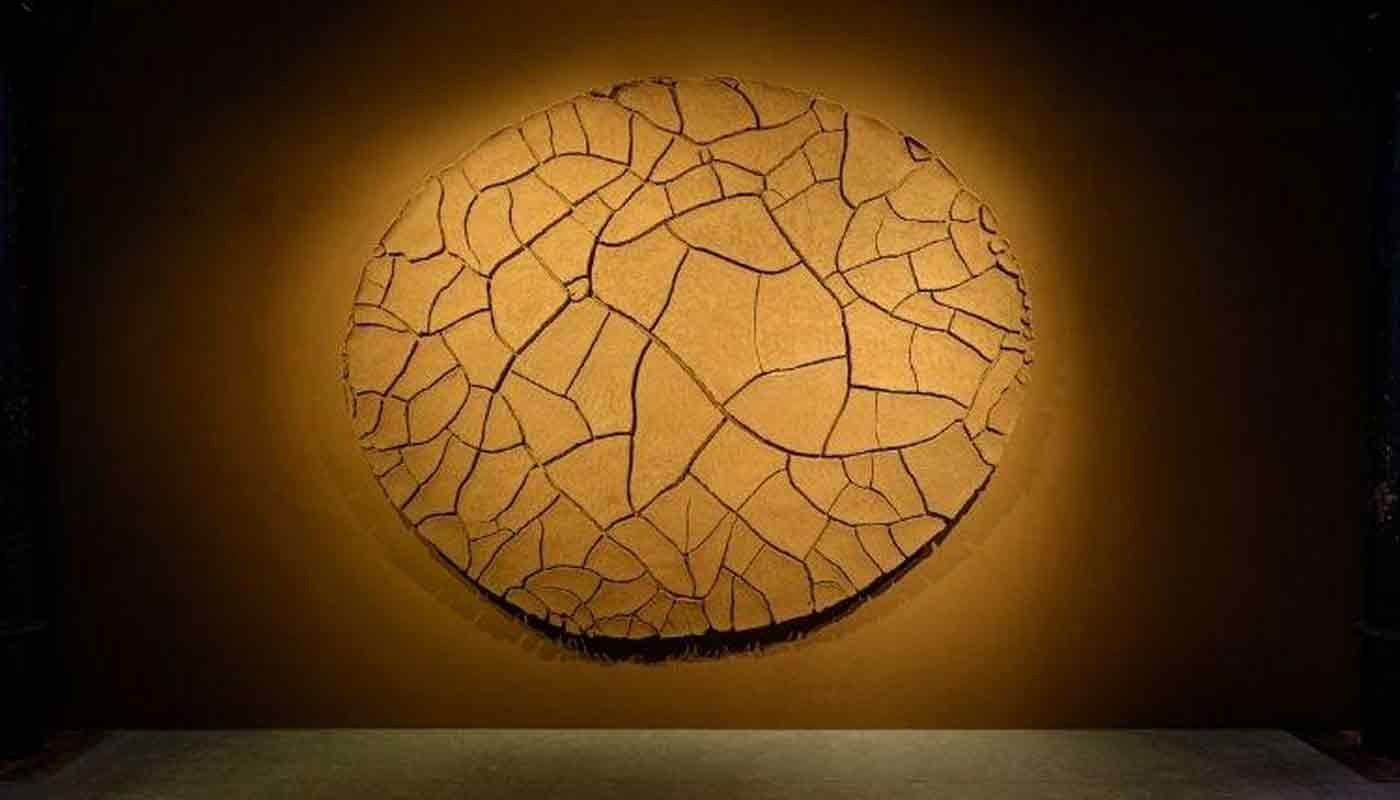
Tamil Nadu-based Alwar Balasubramaniam, popularly known as Bala, brought the earth of his surroundings to Venice.
Working with locally sourced soil and clay, the artist created sculptural surfaces whose fissures and textures emerged through natural processes. The material itself became a record of time and environmental transformation.
His work drew attention to the fragility of the land that sustains human existence, questioning humanity’s relationship with natural resources and the assumption that nature exists primarily for human consumption.
### Ranjani Shettar — Under the Same Sky
![A cena con Isha Ambani, una delle donne più influenti del panorama culturale indiano, che ha supportato il Padiglione dell’India alla Biennale di Venezia 2026 | Vogue Italia]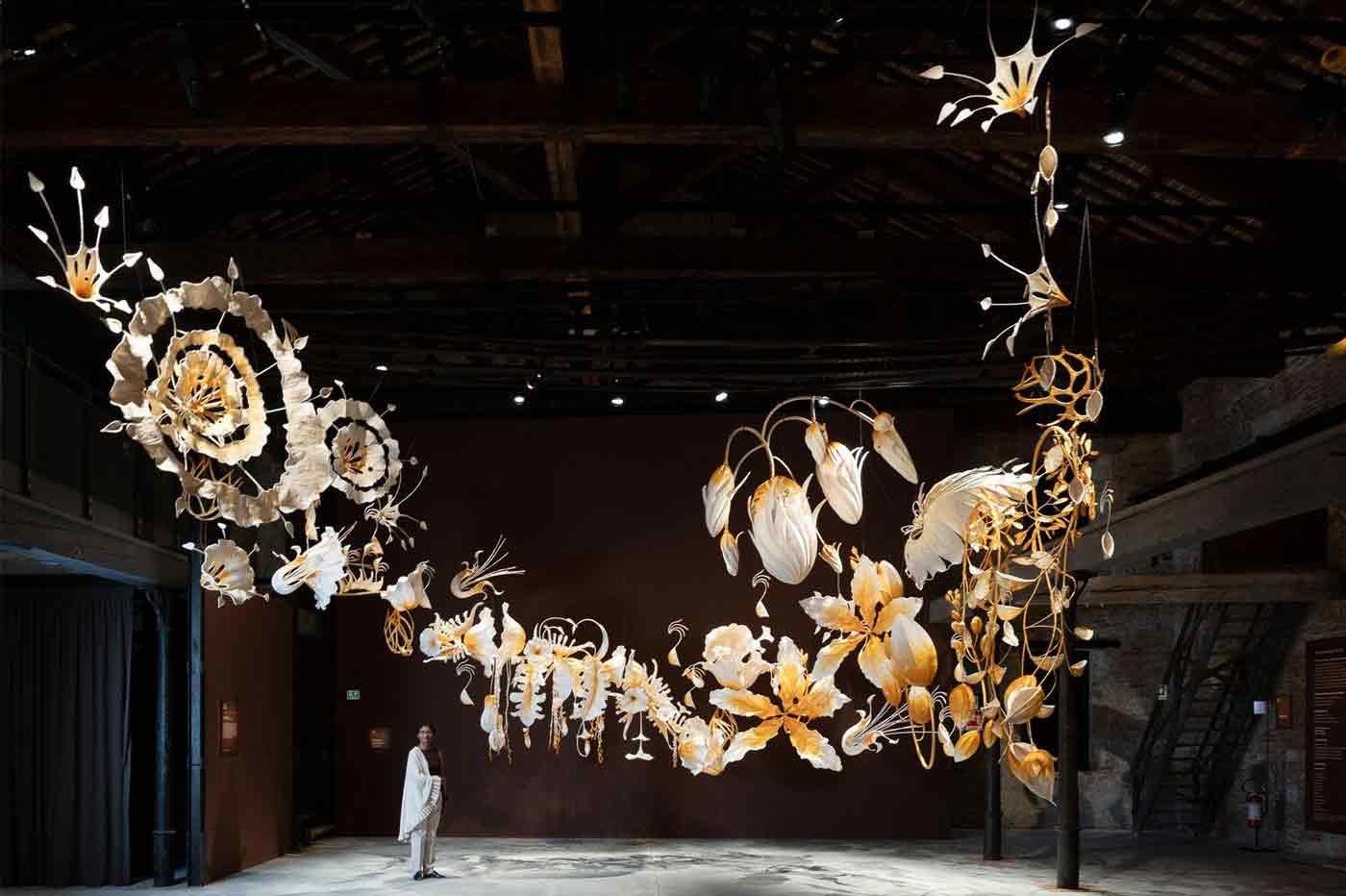
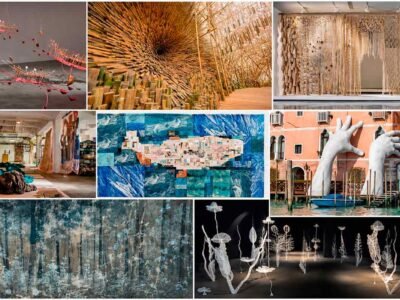
Karnataka-based Ranjani Shettar transformed the exhibition space into an ethereal garden of suspended sculptural forms inspired by botanical growth.
Her installation brought together meticulous handwork, traditional craft processes and contemporary sculpture. The seemingly weightless forms created an immersive environment that evoked the intimacy of gardens, the rhythms of nature and the joy of nurturing life.
Shettar’s internationally recognised practice demonstrated how traditional material knowledge and craftsmanship can inform an ambitious contemporary artistic language.
### Sumakshi Singh — Permanent Address
![India’s Venice Biennale pavilion explores home through thread, bamboo, and earth | News Minimalist]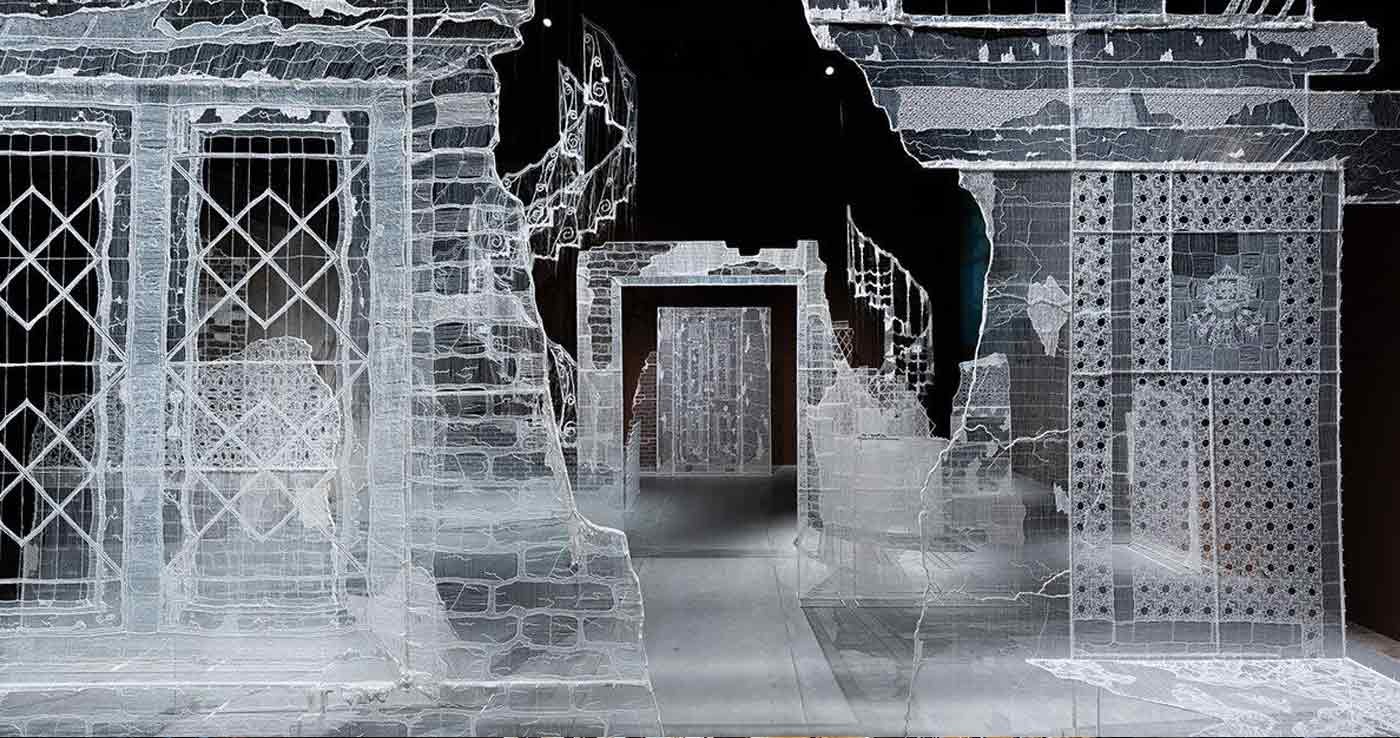
Among the exhibition’s most poignant works was Sumakshi Singh’s embroidered reconstruction of her demolished family home in New Delhi.
As documented by journalists Trisha Mukherjee and Divya A in their September 23 feature for The Indian Express, the house was built in 1951 by Singh’s grandparents, who had migrated from Pakistan following Partition.
Through intricate embroidery, the artist recreated architectural elements of the house, transforming the solidity of a building into a delicate, almost spectral structure.
The installation connected an intensely personal history with larger narratives of migration, displacement and loss. Thread became both a sculptural medium and a means of preserving architectural memory, demonstrating the possibilities of embroidery as a medium for monumental contemporary art.
### Skarma Sonam Tashi — Echoes of Home
![Glimpses from India at Venice Biennale | India News]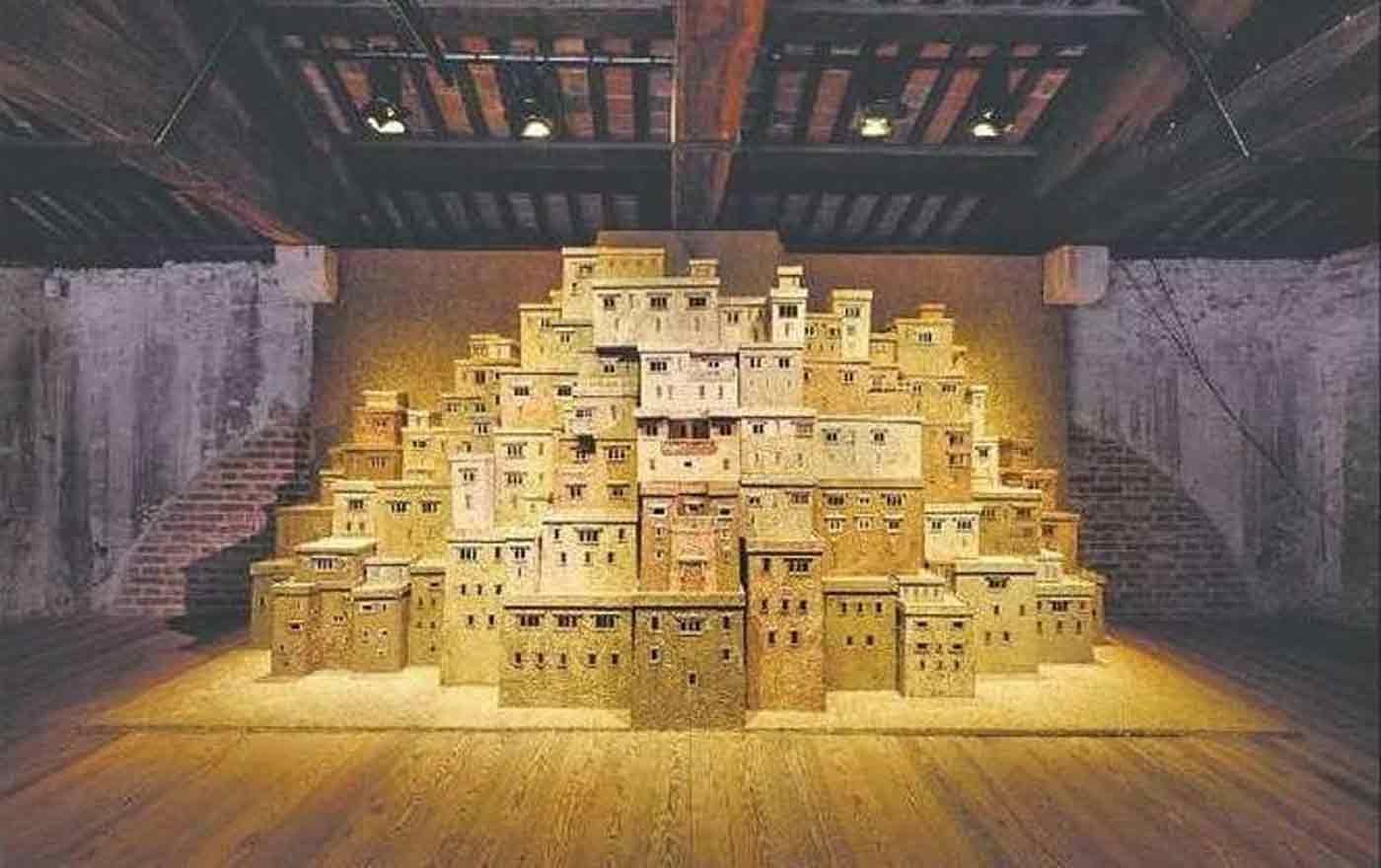
The youngest artist in the pavilion, Ladakh-born Skarma Sonam Tashi brought the architectural and ecological concerns of the Himalayan region into the exhibition.
Using papier-mâché, Tashi created forms evocative of traditional Ladakhi settlements, drawing attention to vernacular architecture that evolved in response to the region’s distinctive climate, terrain and natural resources.
Against the backdrop of rapid modernisation, his work questioned the disappearance of indigenous architectural knowledge and the environmental consequences of changing construction practices.
His inclusion brought an important regional perspective and the voice of a younger generation of Indian artists to Venice.
### Asim Waqif — Chaal
![Seven Significant National Pavilions from the 2026 Venice Biennale – SURFACE] 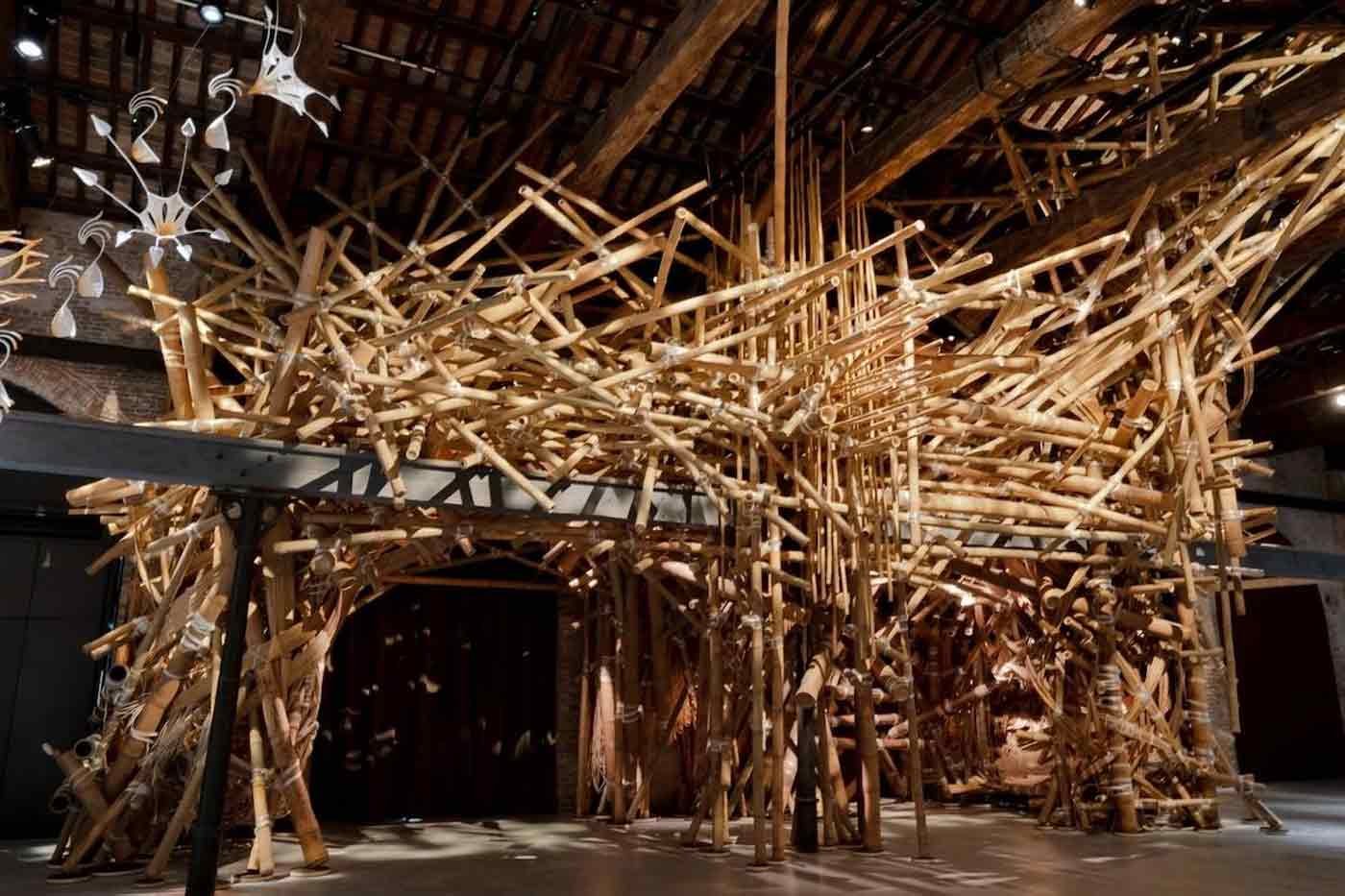
Hyderabad-born artist and trained architect Asim Waqif created an expansive bamboo installation inspired by the scaffolding that characterises India’s rapidly transforming urban landscapes.
In Chaal, bamboo — a material with a long history in indigenous construction — became a means of examining the cycles of demolition, construction and redevelopment.
The installation invited visitors to physically engage with its architectural environment, challenging conventional boundaries between sculpture, architecture and public space.
Waqif brought contemporary urban realities into dialogue with traditional construction knowledge, addressing the tensions between development, sustainability and collective memory.
### Craftsmanship as contemporary artistic language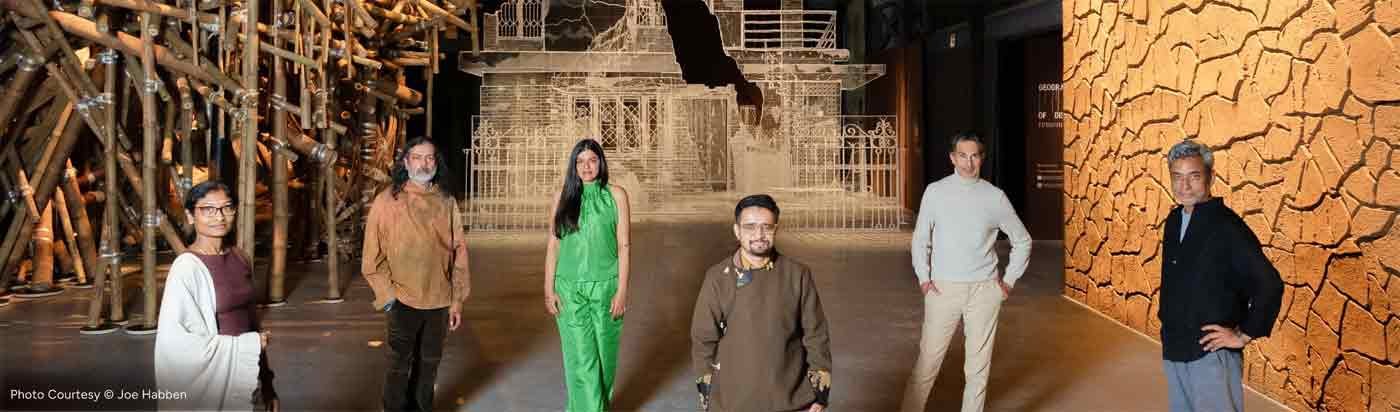
One of the distinguishing aspects of the Indian Pavilion was its engagement with craftsmanship without positioning craft merely as a representation of cultural heritage.
Embroidery became architecture, bamboo became an immersive spatial intervention, soil became a record of ecological change, and papier-mâché became a medium for examining disappearing architectural traditions.
Writing in Open magazine, curator Myna Mukherjee, in her essay Komal Gandhar, Minor Keys: South-South Resonances at the Venice Biennale, highlighted the pavilion’s ambitious scale, refined presentation and sensitive engagement with materials.
The exhibition demonstrated how India’s diverse material cultures and inherited knowledge systems could contribute to international contemporary art discourse without relying on familiar cultural stereotypes.
### Taking Indian culture beyond the pavilion
India’s presence in Venice extended beyond visual art through an interdisciplinary cultural programme curated by Serendipity Arts.
Music, poetry and performance expanded the exhibition’s exploration of home and belonging, bringing Indian artistic traditions into dialogue with Venice’s historic cultural spaces.
The opening-week musical programme, conceptualised by renowned percussionist and composer Bickram Ghosh, was followed by initiatives exploring folk traditions, multilingual poetry and contemporary musical expression.
These programmes reflected the interconnected nature of India’s visual, literary and performing arts traditions while creating opportunities for cross-cultural engagement beyond the national pavilion.
### The case for a permanent Indian presence at Venice
India’s return to Venice also renewed a larger conversation about the country’s intermittent participation at the Biennale.
In their September feature for The Indian Express, Trisha Mukherjee and Divya A examined the significance of India’s national pavilion and the need for a long-term institutional roadmap.
The Venice Biennale offers opportunities that extend well beyond exhibition visibility. It facilitates engagement with international museums, curators, collectors, galleries and cultural institutions, creating possibilities for artistic exchange and future collaborations.
For a country with India’s extensive and diverse contemporary art ecosystem, sustained participation could provide greater international visibility, particularly for emerging artists and practitioners working beyond established metropolitan art centres.
The Indian Pavilion at Venice in 2026 demonstrated that India’s contemporary artistic identity can emerge as powerfully from the soil of Tamil Nadu, the landscapes of Karnataka, the architectural traditions of Ladakh, the memories of a Delhi household and the bamboo scaffolding of its cities as from its celebrated historical and cultural symbols.
With the Biennale now concluded, the opportunity lies in translating this return to Venice into a sustained international cultural presence.