
Baahubali The Epic review: A spectacle without a soul, once again
By Kausalya Rachavelpula
A Cut for Foreign Eyes
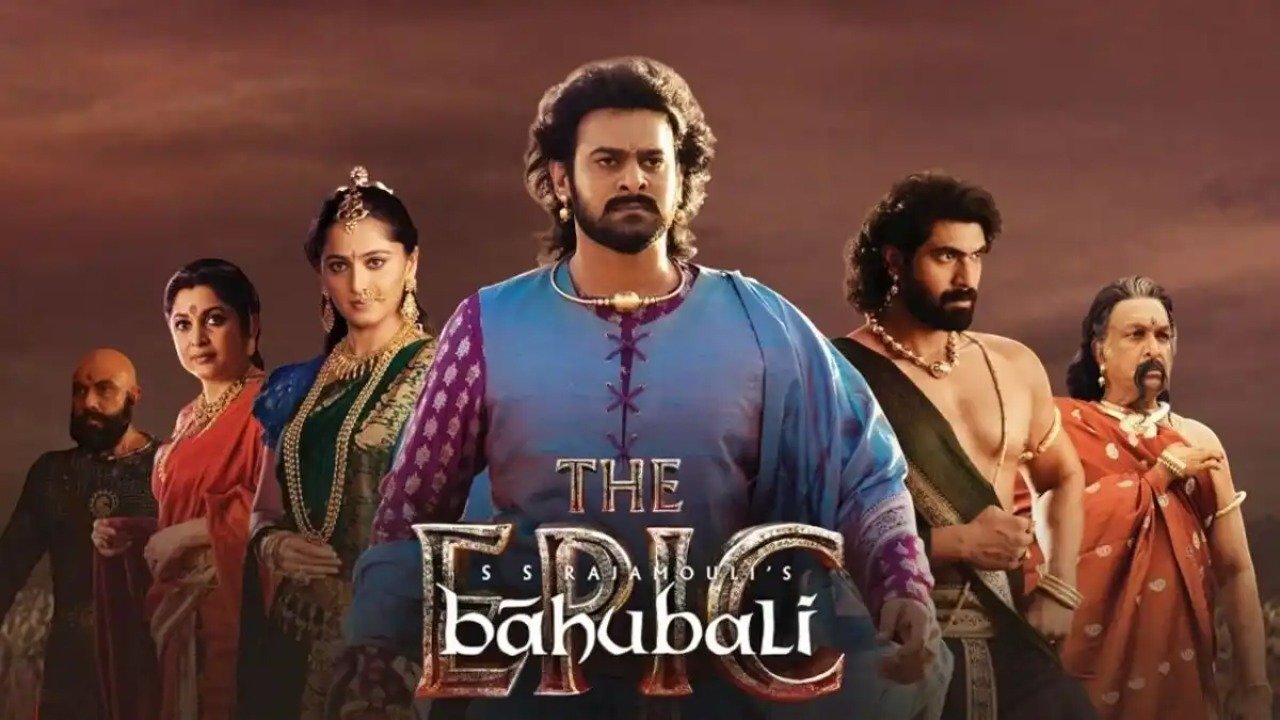
Baahubali: The Epic feels like an edit made especially for foreign audiences. The film merges Baahubali: The Beginning and Baahubali: The Conclusion into a single movie. While it delivers the grandeur and visual impact the franchise is known for, this combined version also highlights its weaknesses more clearly — especially in storytelling and emotional depth.
The Ego-Satisfying Appeal
There’s no denying that Baahubali is designed to be an ego-satisfying experience. Every frame seems crafted to make viewers feel a surge of emotion — pride, power, excitement, or even irritation. That emotional intensity is what made the original films so loved. However, if one steps back from the spectacle and looks at Baahubali purely as a narrative film, it struggles to hold up.
Lack of Creativity and Story Depth
The core problem lies in the lack of creativity. Most scenes could easily belong to other commercial films — they rely on overacting, exaggerated emotions, and predictable moments rather than original storytelling. Just like TV daily serials screenwriting, the scenes reply on their over-exaggerated aimless storytelling.
Instead of focusing on screenplay or story structure, the film depends heavily on individual “high points.” Each moment is carefully designed to provoke a reaction from the audience, not to serve the story’s logic or progression. It’s an experience built around manipulation rather than meaningful narrative development.
The TV Serial Syndrome
Director S. S. Rajamouli’s style here mirrors that of Indian television serials. Scenes are stretched out, emotions are amplified, and reaction shots are overused. When two characters talk, every background face is shown — mirroring the soap opera habit of dramatizing every emotion in the room. This approach creates a sense of artificial intensity, making the movie feel more like a high-budget daily soap than a cinematic epic.
Gender Representation and Chauvinistic Storytelling
In Baahubali, even when female characters are given heroic or powerful roles, their impact is deliberately minimized. Their presence often serves only to glorify the male leads or to provide emotional motivation for their journeys. Scenes that could have given women genuine agency are instead designed to reinforce the hero’s dominance.
This kind of chauvinistic storytelling—where grandeur and masculinity overshadow balance and nuance—weakens the film’s emotional integrity. The women are often reduced to either symbols of devotion or instruments of drama, never allowed to exist as complete individuals.
Baahubali The Epic review: Grandeur Over Substance
Ultimately, Baahubali: The Epic is cinema built on spectacle rather than story. Every element—from emotion to gender dynamics—is curated to trigger reactions, not to express truth. While it dazzles visually, it reflects a kind of storytelling that prioritizes dominance over depth, and presentation over purpose.
When a filmmaker makes movies which curate the screenplay carefully according to the audience’s likes and no original or personal or pure vision of self, then it’s just a hollow project. Reminding that once again is Baahubali: The Epic.