

Cyberabad Municipal Corporation Processes 783 kg of Religious Waste, Promoting Eco-Friendly Devotion

Cyberabad Municipal Corporation Processes 783 kg of Religious Waste, Promoting Eco-Friendly Devotion
Faith and environmental responsibility came together in an important civic initiative as the Cyberabad Municipal Corporation (CMC) successfully processed 783 kilograms of religious waste under its Divine Waste Drive, an initiative designed to encourage the scientific and eco-friendly disposal of devotional materials.
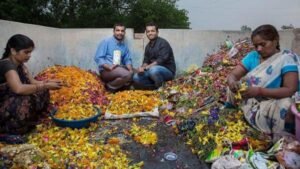
The campaign focused on the collection, dismantling, segregation, and recycling of religious waste, including idols, photo frames, flowers, garlands, cloth, and other devotional items, ensuring they were handled respectfully instead of being discarded in open spaces or dumped into landfills.
Respecting Faith While Protecting Nature
The Divine Waste initiative was launched with a simple yet significant objective: to ensure that materials used in worship are disposed of with dignity without causing long-term environmental damage.
According to the CMC, a total of 783 kilograms of religious waste was collected and processed across five locationswithin its jurisdiction, with Alwyn Colony contributing the highest quantity among all collection centres.
Instead of allowing these materials to mix with regular municipal waste, they were scientifically segregated and recycled wherever possible, reducing landfill burden and promoting sustainable waste management.

The Environmental Cost of Religious Waste
India’s festivals and religious practices generate enormous quantities of waste every year.
Plaster-of-Paris idols, synthetic paints, plastic decorations, thermocol, cloth, flowers, incense packaging, and laminated religious images often find their way into rivers, lakes, roadsides, and dumping grounds after festivals and ceremonies.
These materials can contaminate water bodies, release toxic chemicals into the soil, harm aquatic life, and contribute significantly to urban pollution.
Ironically, many of these offerings are made in the name of protecting or honouring nature and divinity, yet their improper disposal often ends up damaging the very environment that many religious traditions teach people to respect.
A Step Towards Sustainable Devotion
The Divine Waste Drive demonstrates that environmental responsibility and religious faith do not have to exist in opposition.
By creating dedicated collection systems and encouraging scientific recycling, civic authorities are showing that it is possible to preserve the sanctity of religious practices while reducing their ecological footprint.
Such initiatives also encourage citizens to think more consciously about the materials they use during festivals and rituals, promoting biodegradable alternatives and environmentally friendly decorations.
Faith Should Inspire Responsibility
Environmentalists have long argued that true devotion extends beyond rituals and includes caring for the world around us.
If rivers, forests, mountains, and nature itself are revered across India’s religious traditions, then protecting them should naturally become part of every act of worship.
The Cyberabad Municipal Corporation’s initiative is a reminder that sustainability is not about abandoning tradition—it is about adapting traditions in ways that preserve both cultural values and the environment.
Because perhaps the greatest offering we can make is not just to our places of worship, but to the planet we all share.