

Dhurandhar and the Normalisation of Male Rage in Popular Cinema
Article by AL Sharada
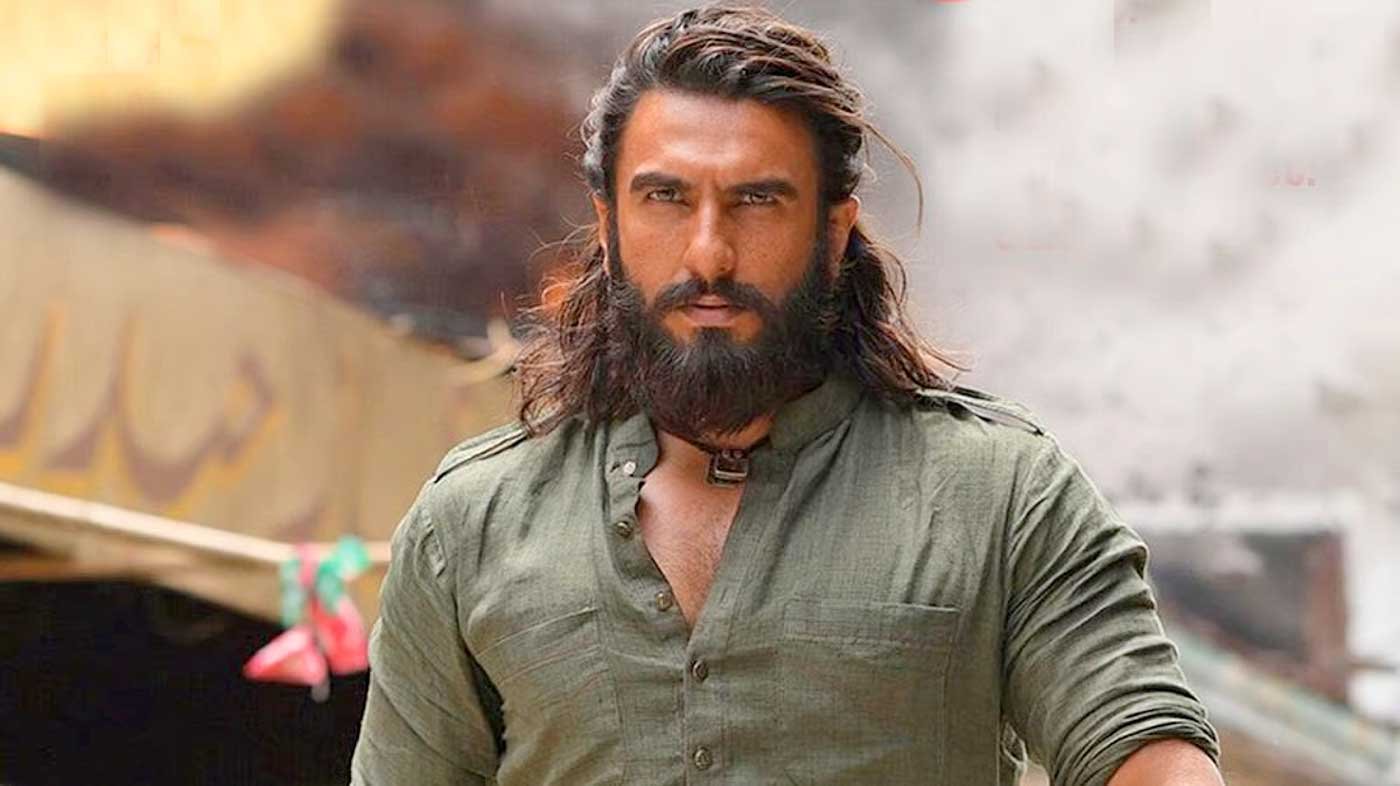
Dhurandhar looks like a familiar revenge drama—but beneath the spectacle, it reflects a growing comfort with male rage in popular cinema. Seen not just as entertainment but as cultural text, the film points to a troubling pattern: anger is no longer something to be examined, but something to be admired.
This is not an isolated instance. Over the past decade, Indian cinema across regions has repeatedly returned to stories where masculinity is expressed through domination and violence. South Indian mainstream cinema, in particular, has shaped this idiom. Hyper-masculine protagonists, wronged, obsessive and explosively violent, have come to signify mass appeal. With the rise of pan-Indian releases, these representations now travel seamlessly across industries, gaining national visibility and legitimacy, as seen with films like Pushpa: The Rise.
Dhurandhar sits comfortably within this landscape, alongside films such as Animal, Arjun Reddy and its Hindi remake Kabir Singh. These films differ in tone and genre, but their emotional core is strikingly similar: male anger, obsession and control are reframed as intensity, depth or passion. Masculinity is proved through excess, and violence is aestheticised.
From injustice to entitlement
Hindi cinema has long featured angry male protagonists, but what that anger represents has shifted. The “angry young man” of the 1970s emerged from visible structural injustices—poverty, unemployment, corruption. His anger was political, often carrying moral unease.
In Dhurandhar, anger is no longer political; it is personal. The world is presumed to owe the hero dignity, and he claims it through force. Institutions, law, governance, community, barely have a role to play. Justice is neither collective nor procedural; it is immediate and physical. The strongest man decides what is right. This logic echoes Animal, where extreme violence is framed as loyalty, and Arjun Reddy, where emotional abuse and self-destruction are treated as signs of sincerity.
Masculinity without reflection
What the film withholds from its protagonist is introspection. Grief is not explored; it is converted into fury. Reflection gives way to reaction. Silence becomes strength; hesitation, weakness. Emotional articulation has little value.
This absence of inner life is central to the film’s worldview. As in Animal and Arjun Reddy, rage becomes personality. The man is not required to grow, repair or change, he only has to escalate. At a time when conversations around masculinity and mental health are becoming more visible, this cinematic return to unexamined rage feels particularly problematic.. Cinema does not merely reflect masculinity; it shapes expectations around how men should behave. In these films, men act rather than feel, punish rather than process.
Women as justification
Women in Dhurandhar exist largely to legitimise male violence. They appear as mothers whose pain sanctifies revenge, sisters whose “honour” demands bloodshed, or silent figures who signify what the hero stands to lose. Their suffering is not explored in its own right; it is used to propel the male narrative forward.
This pattern is familiar from Arjun Reddy and Kabir Singh, where women’s lives and choices matter mainly in relation to male emotion. Female trauma becomes a plot device rather than a moral concern.
When spectacle overwhelms meaning
Much of Dhurandhar’s appeal lies in its treatment. Stylised violence, loud background scores, slow-motion shots and carefully composed frames create a sense of scale and swagger. But this technical finesse comes at a cost. When form overwhelms content, spectacle replaces scrutiny. The audience is drawn into admiring the choreography of violence rather than questioning what it stands for.
Why this matters
Dhurandhar is well-crafted and emotionally forceful. It will satisfy audiences seeking intensity and catharsis. But seen alongside Animal, Arjun Reddy and similar films, it becomes clear that this is part of a larger shift. Indian cinema is repeatedly returning to a narrow idea of masculinity—one uncomfortable with vulnerability and deeply invested in rage.
These films do not merely depict violent masculinity; they make it feel acceptable, even admirable. And cinema does not stay on the screen. Its ideas seep into everyday relationships—shaping how anger is justified, how power is asserted, and how masculinity is performed.
(The writer is a sociologist and media advocacy specialist & Director, Population First)