
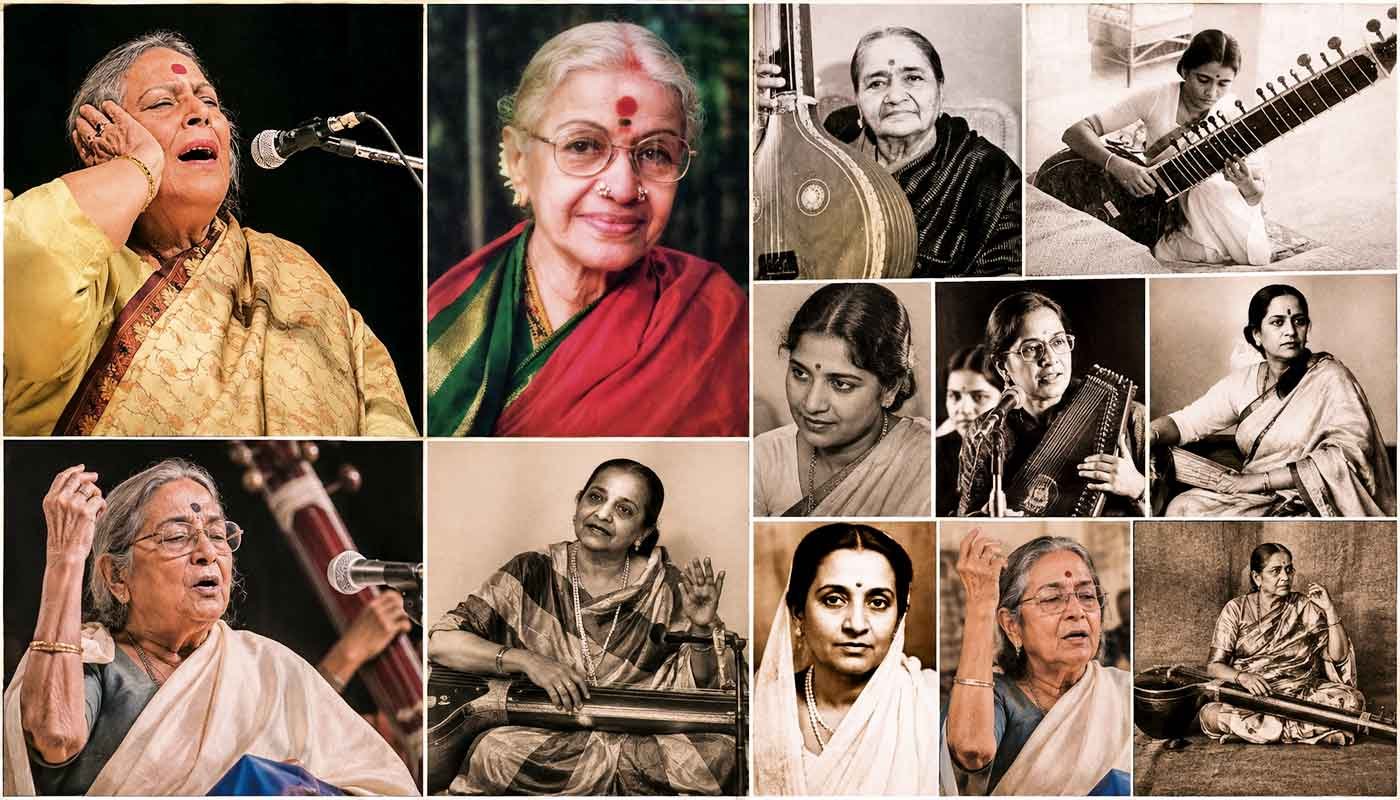
Some voices entertain audiences. Others transform the course of history. Indian classical music has been shaped by remarkable women who did far more than master an art form. They challenged deeply rooted social barriers, preserved fading traditions, introduced entirely new audiences to classical music, and expanded the emotional and technical vocabulary of performance. Some inherited centuries-old musical traditions. Others completely reimagined them. Together, these women ensured that Indian classical music became richer, more expressive, and infinitely more inclusive.
Here are 16 legendary women whose artistry continues to inspire musicians across generations.
Veena Dhanammal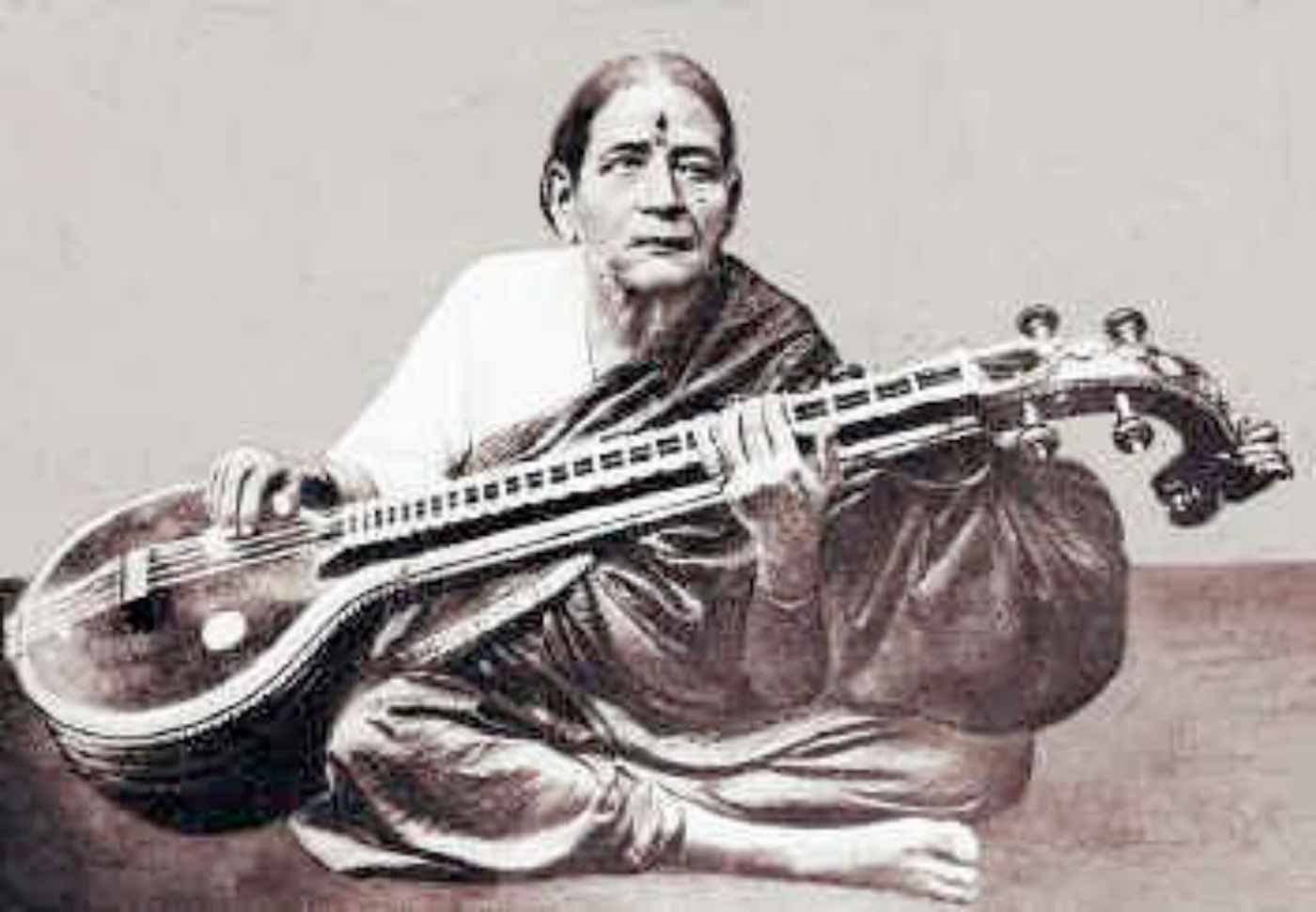
Few musicians have influenced Carnatic music as profoundly as Veena Dhanammal. Revered for her deeply meditative style, she transformed the art of veena playing through exceptionally slow raga development, delicate ornamentation, and remarkable tonal control. Her Chennai residence became one of South India’s greatest informal musical academies, where musicians, dancers, composers, and scholars gathered to learn. The famous Dhanammal bani remains one of Carnatic music’s most respected traditions, preserving padams and javalis with extraordinary musical sensitivity while influencing multiple generations through both family and disciples.
Gauhar Jaan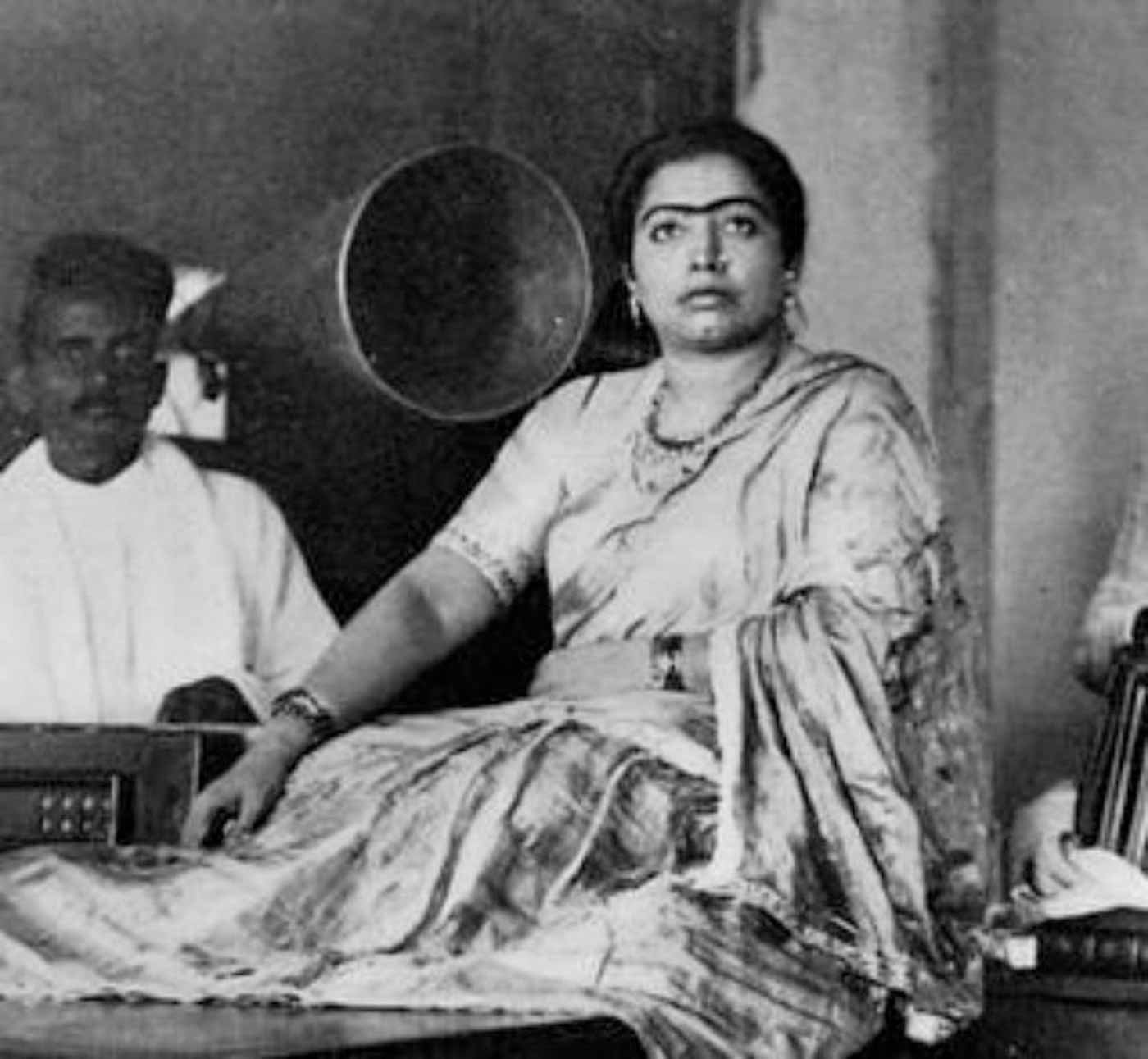
Modern Indian recording history begins with Gauhar Jaan. Long before cinema music existed, she became India’s first recording superstar by adapting classical music for the newly emerging gramophone industry. She brilliantly compressed khayal, thumri, dadra, and Bengali songs into three-minute recordings without sacrificing emotional richness. Her iconic closing announcement, “My name is Gauhar Jaan”, became legendary and symbolized the beginning of India’s commercial music industry. Her recordings introduced classical music to countless listeners who would otherwise never have experienced a traditional mehfil.
Bangalore Nagarathnamma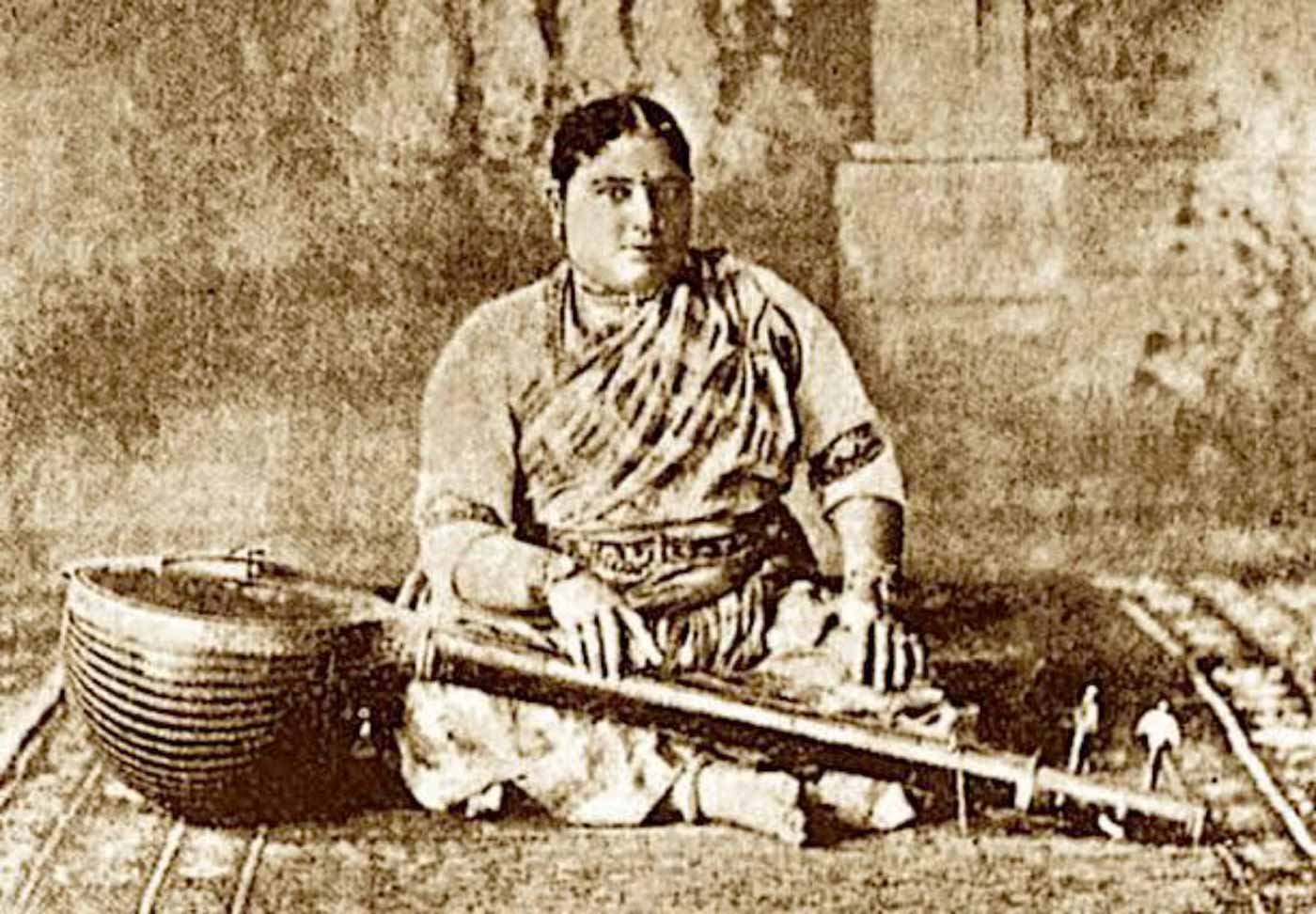
Singer, scholar, patron, and activist, Bangalore Nagarathnamma changed Carnatic music beyond performance. A celebrated musician from the Devadasi tradition, she dedicated much of her life to preserving Tyagaraja’s legacy by financing the construction of the composer’s memorial shrine. More importantly, she challenged the exclusion of women from the prestigious Tyagaraja Aradhana festival. Her legal and cultural efforts permanently opened the doors for female musicians to participate equally in one of Carnatic music’s most important annual celebrations.
Kesarbai Kerkar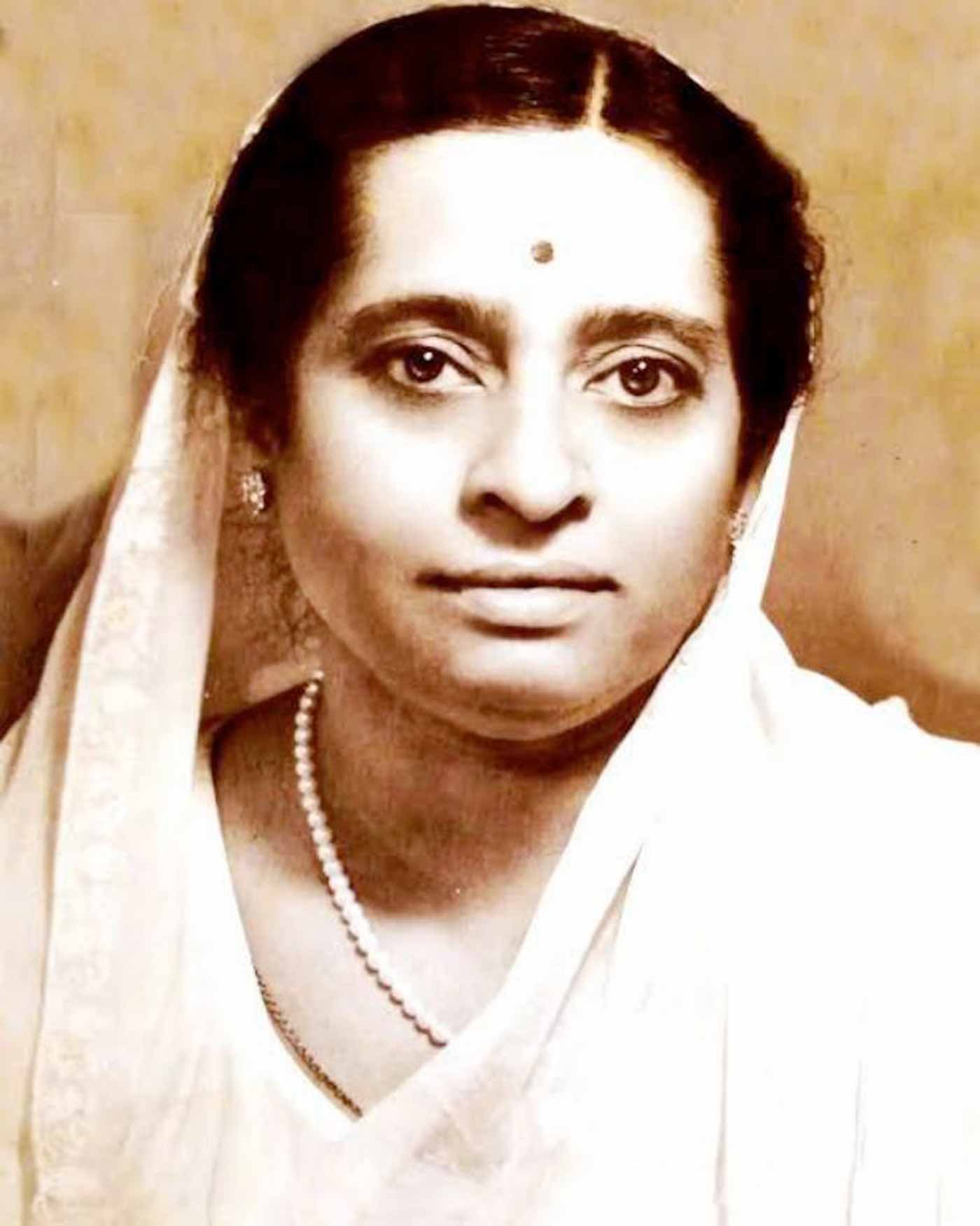
When discussions turn to perfection in Hindustani khayal, Kesarbai Kerkar’s name invariably appears. One of the greatest exponents of the Jaipur-Atrauli gharana, she trained under the legendary Alladiya Khan and became celebrated for her flawless intonation, rare ragas, extraordinary breath control, and meticulously structured improvisation. Although relatively few recordings of her survive, every performance is studied like a masterclass, making her one of the defining standards of Hindustani vocal excellence.
Rasoolan Bai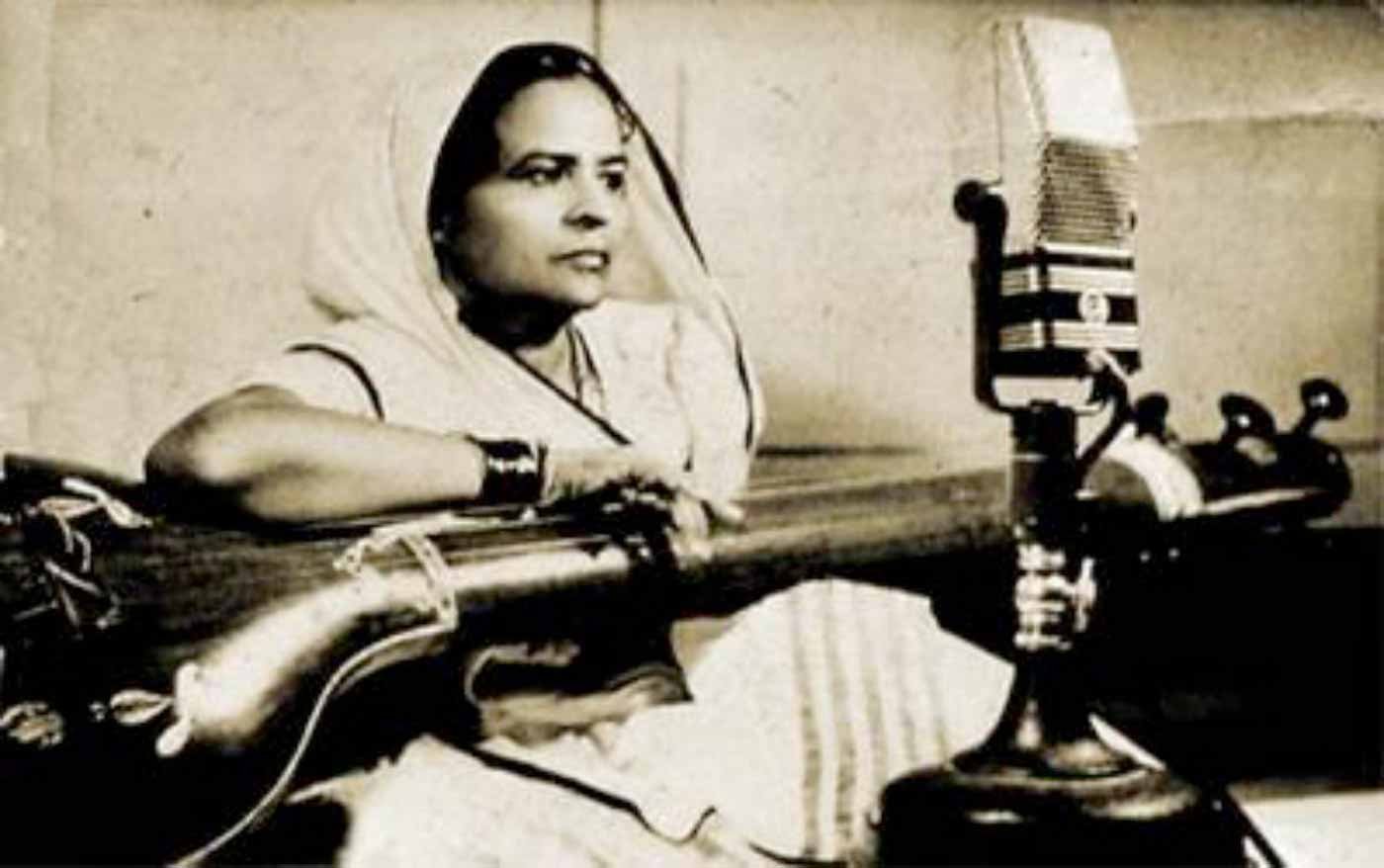
Rasoolan Bai gave Purab Ang thumri one of its most unforgettable voices. Her singing effortlessly balanced sensuality, humour, grief, and emotional complexity while remaining deeply rooted in the Banaras tradition. Rather than polishing away the rustic charm of the genre, she celebrated its earthiness, allowing every lyric to breathe naturally through subtle rhythmic variation and expressive phrasing. Even today, her recordings remain invaluable documents of a musical tradition that nearly disappeared with changing cultural tastes.
Mogubai Kurdikar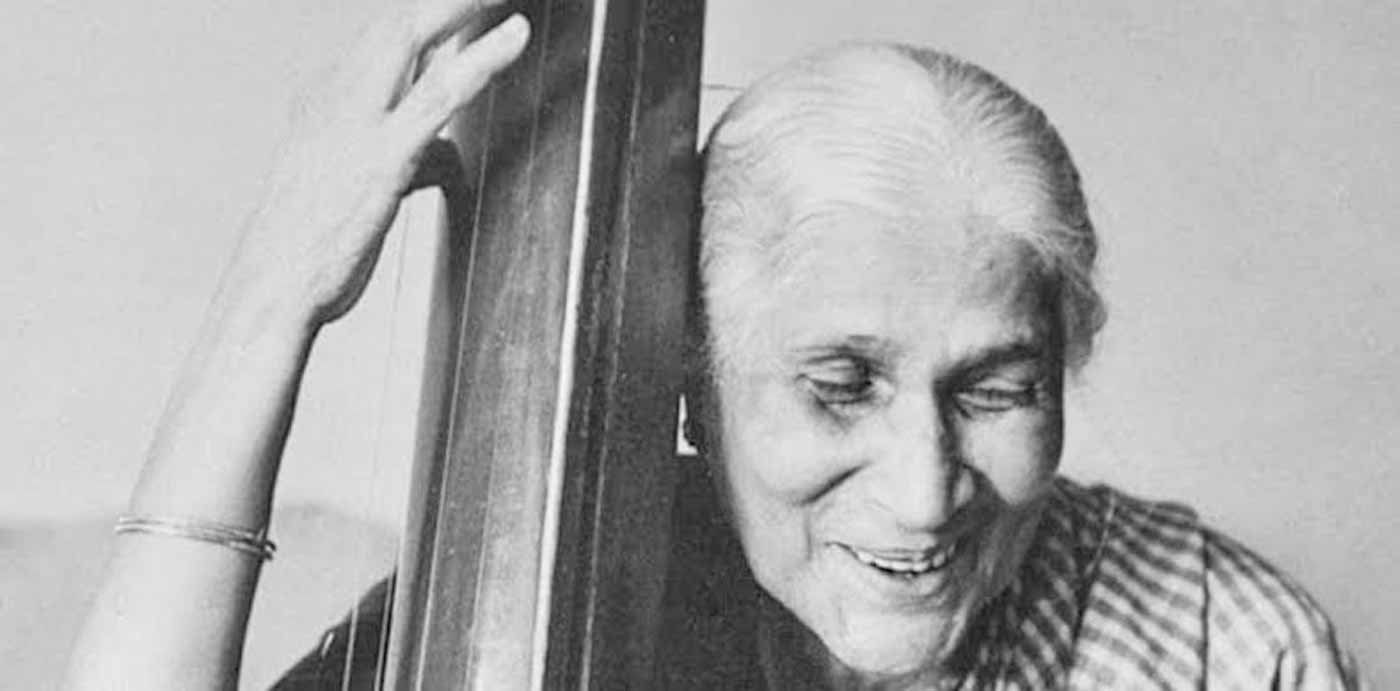
A pillar of the Jaipur-Atrauli gharana, Mogubai Kurdikar dedicated her life to preserving one of Hindustani music’s most intellectually demanding traditions. Trained directly under Alladiya Khan, she became known for her disciplined raga architecture, unwavering tonal precision, and refusal to compromise musical complexity for popularity. Beyond her own performances, her greatest legacy may be the generations she trained, including one of India’s most celebrated vocalists, Kishori Amonkar.
Siddheshwari Devi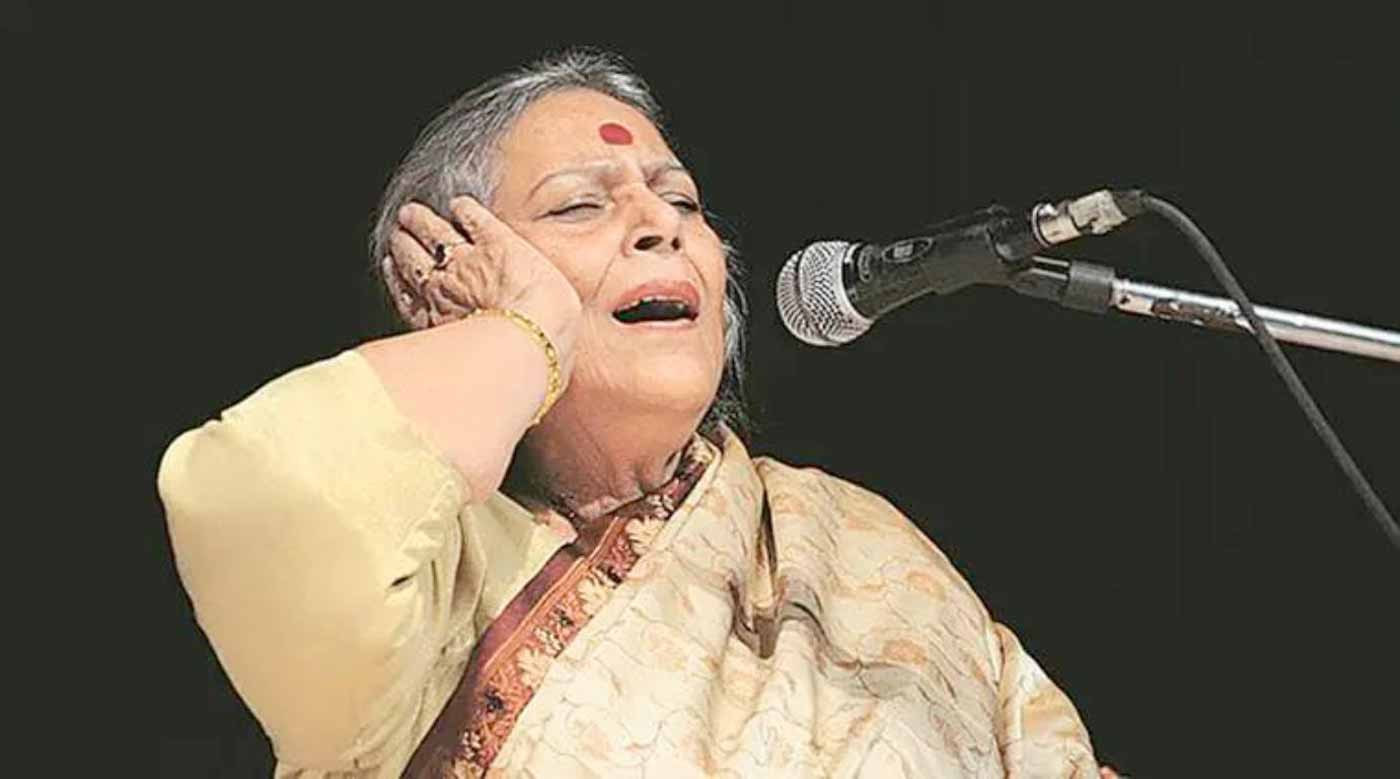
Often called the “Queen of Thumri,” Siddheshwari Devi embodied the musical spirit of Banaras. Equally accomplished in khayal and semi-classical forms, she elevated genres like thumri, dadra, kajri, chaiti, and hori to the highest levels of classical performance. Her voice effortlessly conveyed longing, celebration, devotion, and heartbreak, proving that regional and seasonal songs deserved equal respect alongside mainstream classical repertoire.
Gangubai Hangal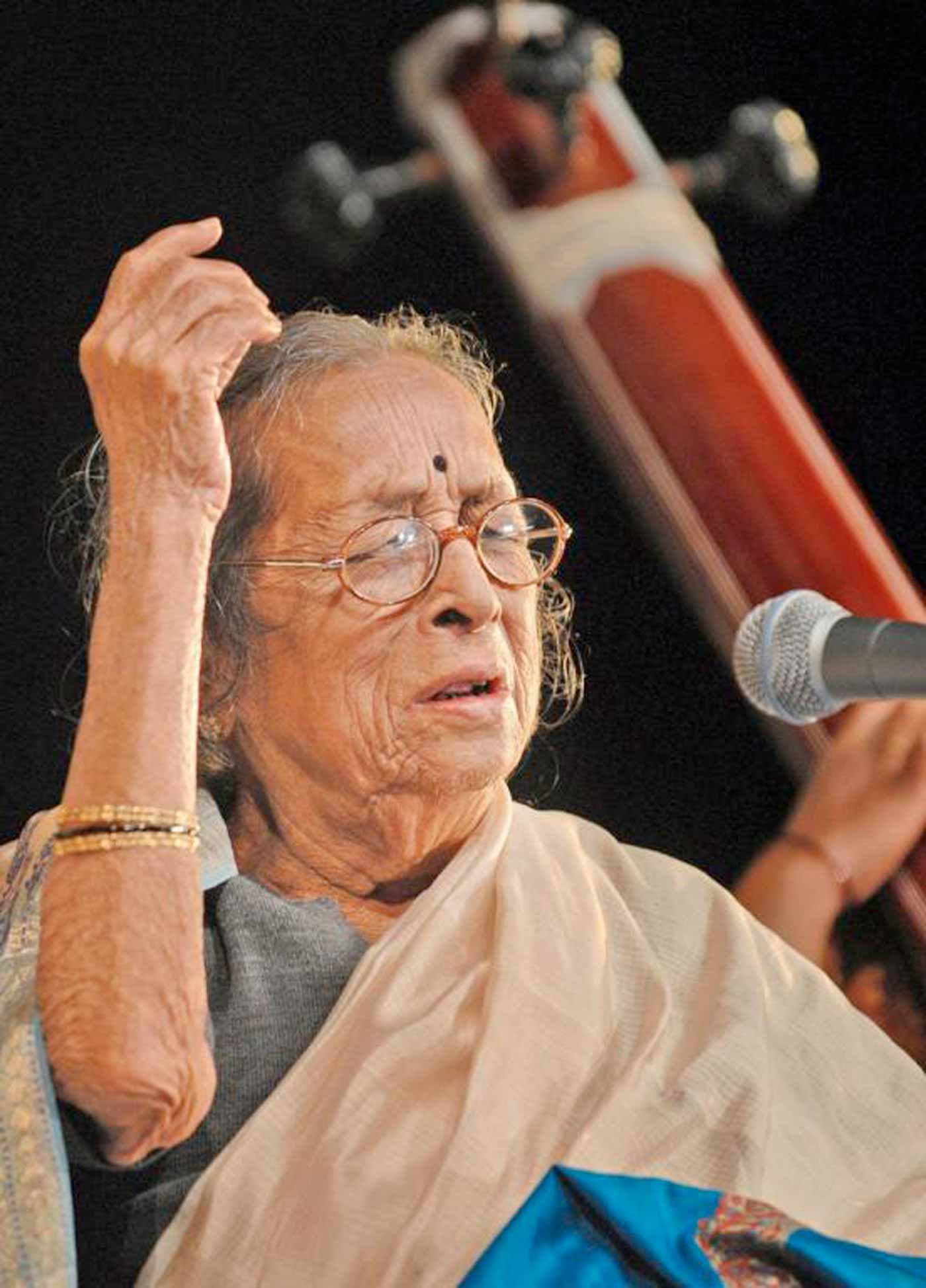
Gangubai Hangal shattered stereotypes about how women “should” sound in classical music. Possessing an unusually deep, resonant voice, she challenged conventional expectations of femininity while becoming one of the Kirana gharana’s finest exponents. Under the guidance of Sawai Gandharva, she developed an unmistakable style built on gradual raga expansion and meticulous swara exploration. Rising from a socially marginalized background, she also became a powerful symbol of overcoming caste and gender discrimination through artistic excellence.
Begum Akhtar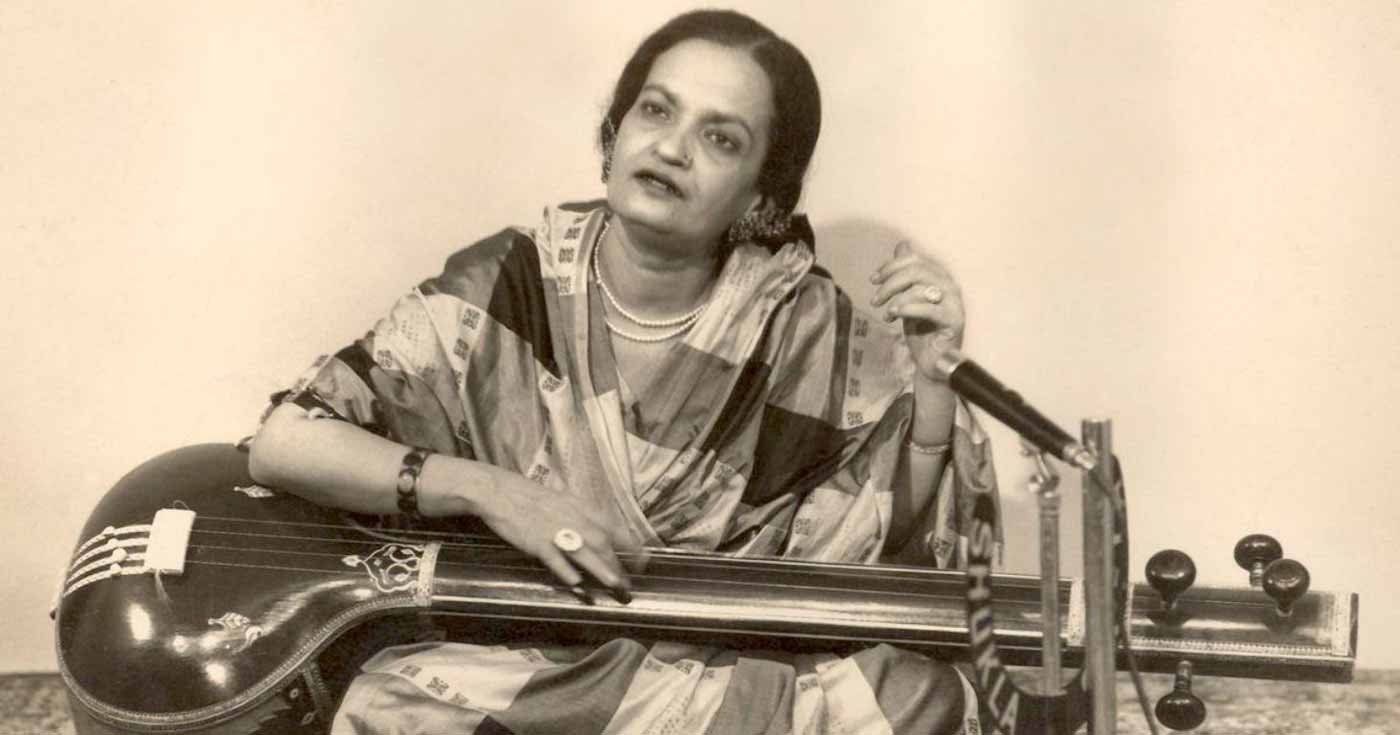
No singer merged Urdu poetry and classical music quite like Begum Akhtar. Renowned for her ghazals, dadras, and thumris, she transformed every performance into an intimate emotional conversation. Her impeccable understanding of language, silence, phrasing, and poetic expression made every word resonate deeply. By bringing the sophistication of the courtesan tradition into mainstream concerts, radio, and recordings, she introduced millions to the beauty of Urdu literature through music.
M.S. Subbulakshmi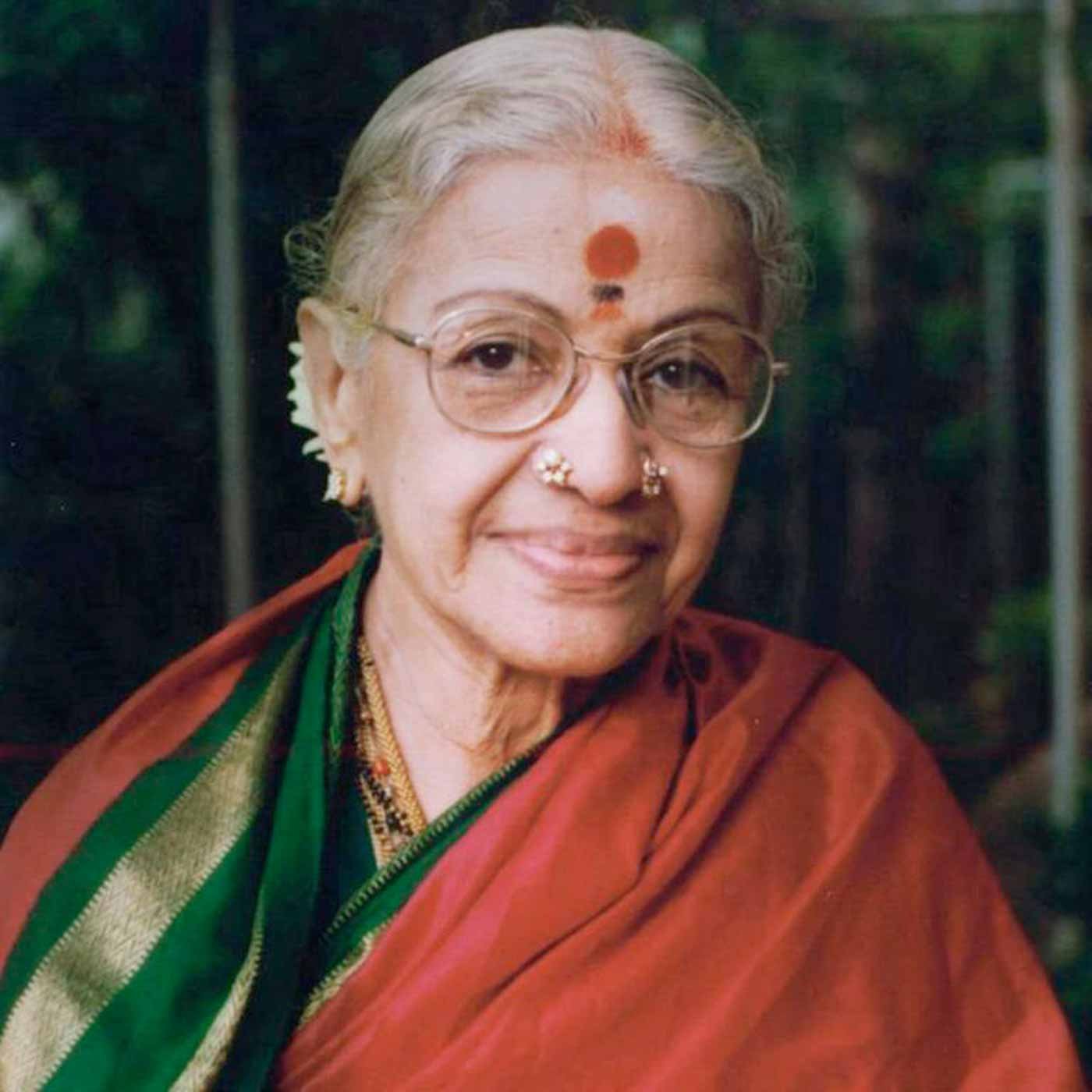
Perhaps no Indian classical musician achieved greater international recognition than M.S. Subbulakshmi. Her extraordinary vocal purity, devotional repertoire, impeccable diction, and technical brilliance introduced Carnatic music to audiences across India and the world. Her portrayal of Meerabai further cemented her place in popular culture, while historic performances, including at the United Nations, showcased Indian classical music on the global stage. In 1998, she became the first musician to receive the Bharat Ratna, India’s highest civilian honour.
D.K. Pattammal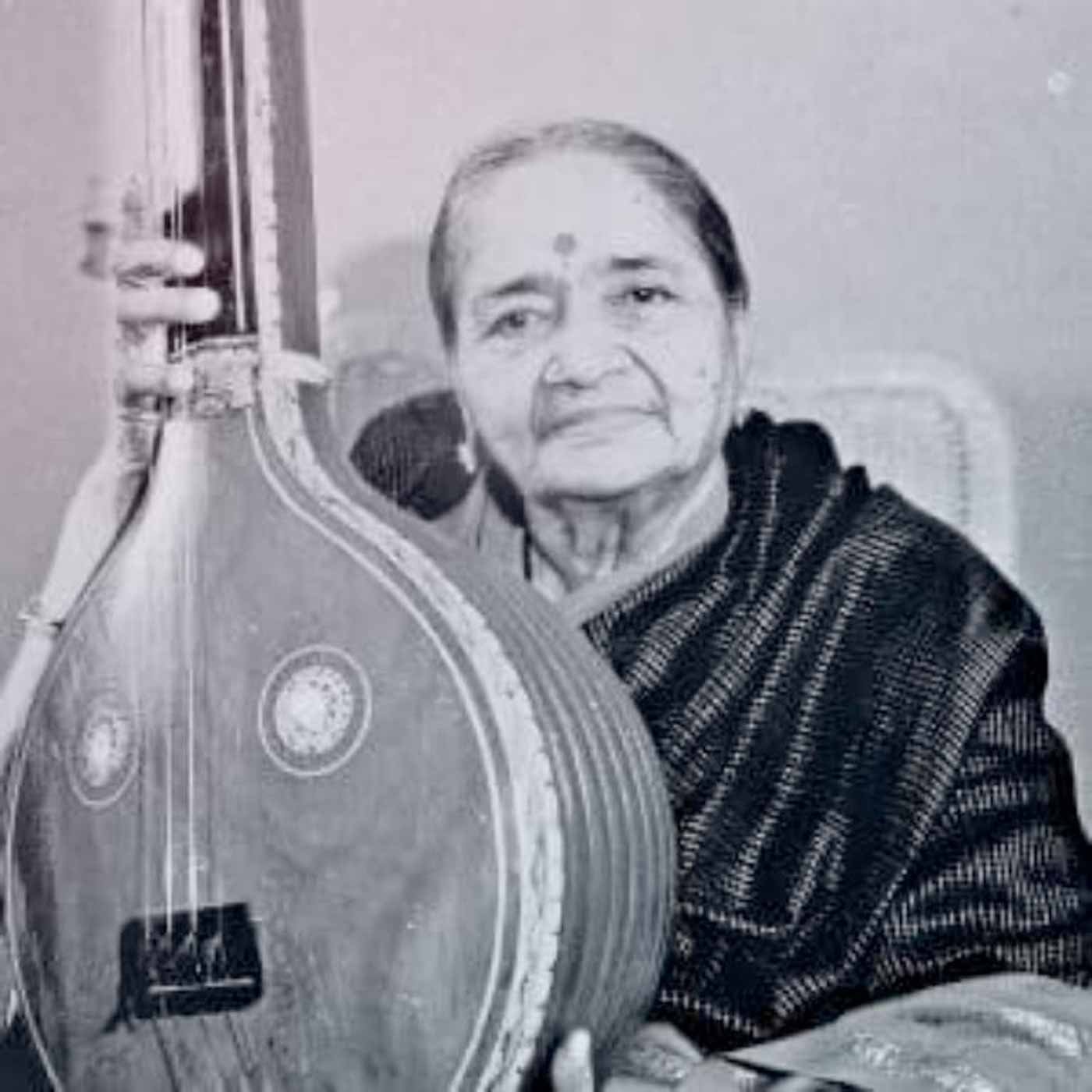
D.K. Pattammal broke barriers that had long kept women away from the most intellectually demanding aspects of Carnatic performance. She mastered Ragam-Tanam-Pallavi, an area previously dominated by male musicians, while becoming known for her rhythmic sophistication, crystal-clear diction, and expansive repertoire. Alongside M.S. Subbulakshmi and M.L. Vasanthakumari, she formed the legendary female trinity that forever transformed Carnatic concert culture.
Annapurna Devi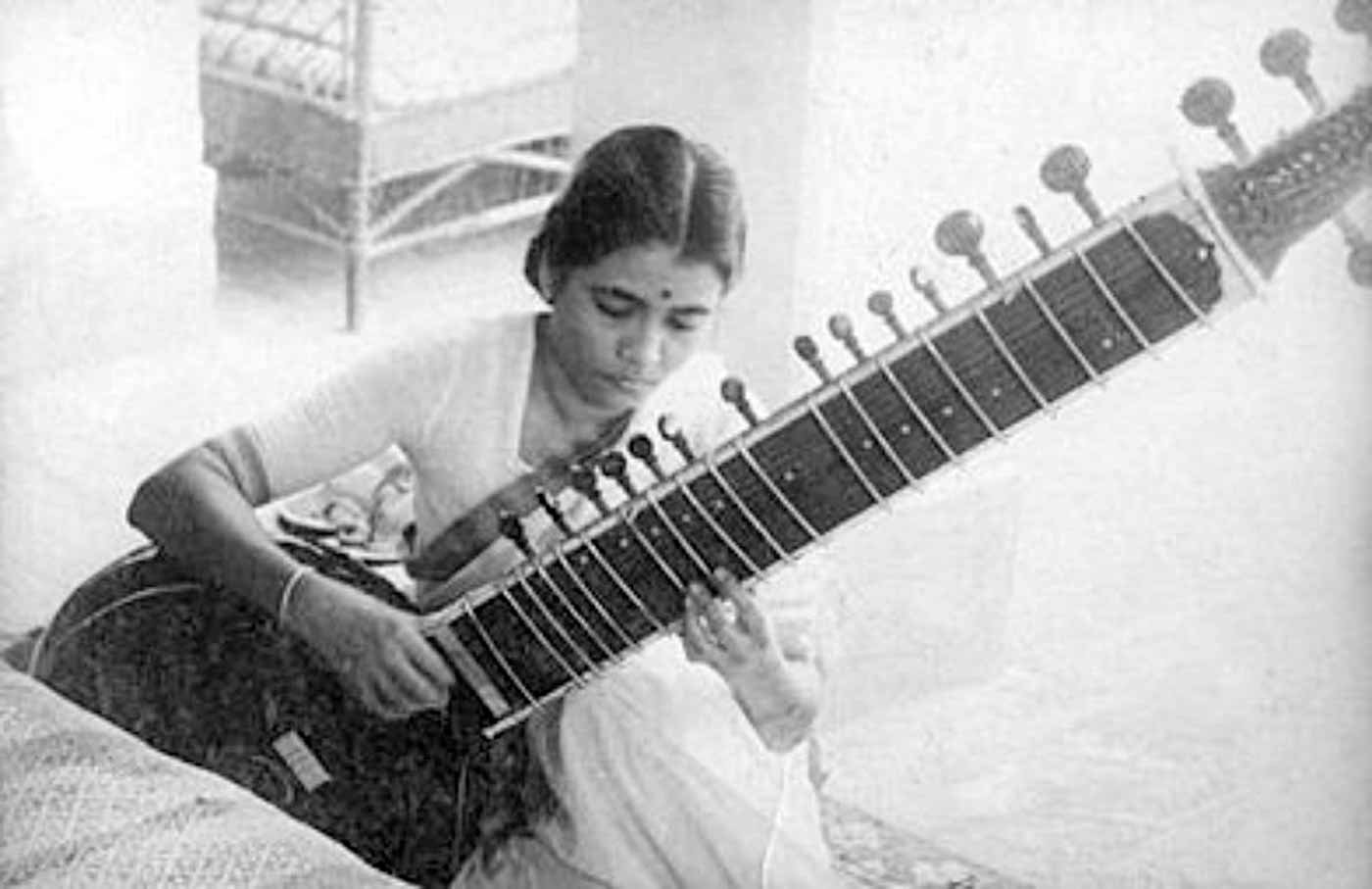
Although she rarely performed publicly, Annapurna Devi remains one of Indian classical music’s most revered figures. Daughter of Allauddin Khan, she mastered the surbahar and the Maihar gharana’s deeply meditative alap tradition. Choosing teaching over fame, she quietly shaped generations of extraordinary musicians, including Hariprasad Chaurasia and Nikhil Banerjee. Her influence continues to echo through the performances of students who inherited her uncompromising musical discipline.
M.L. Vasanthakumari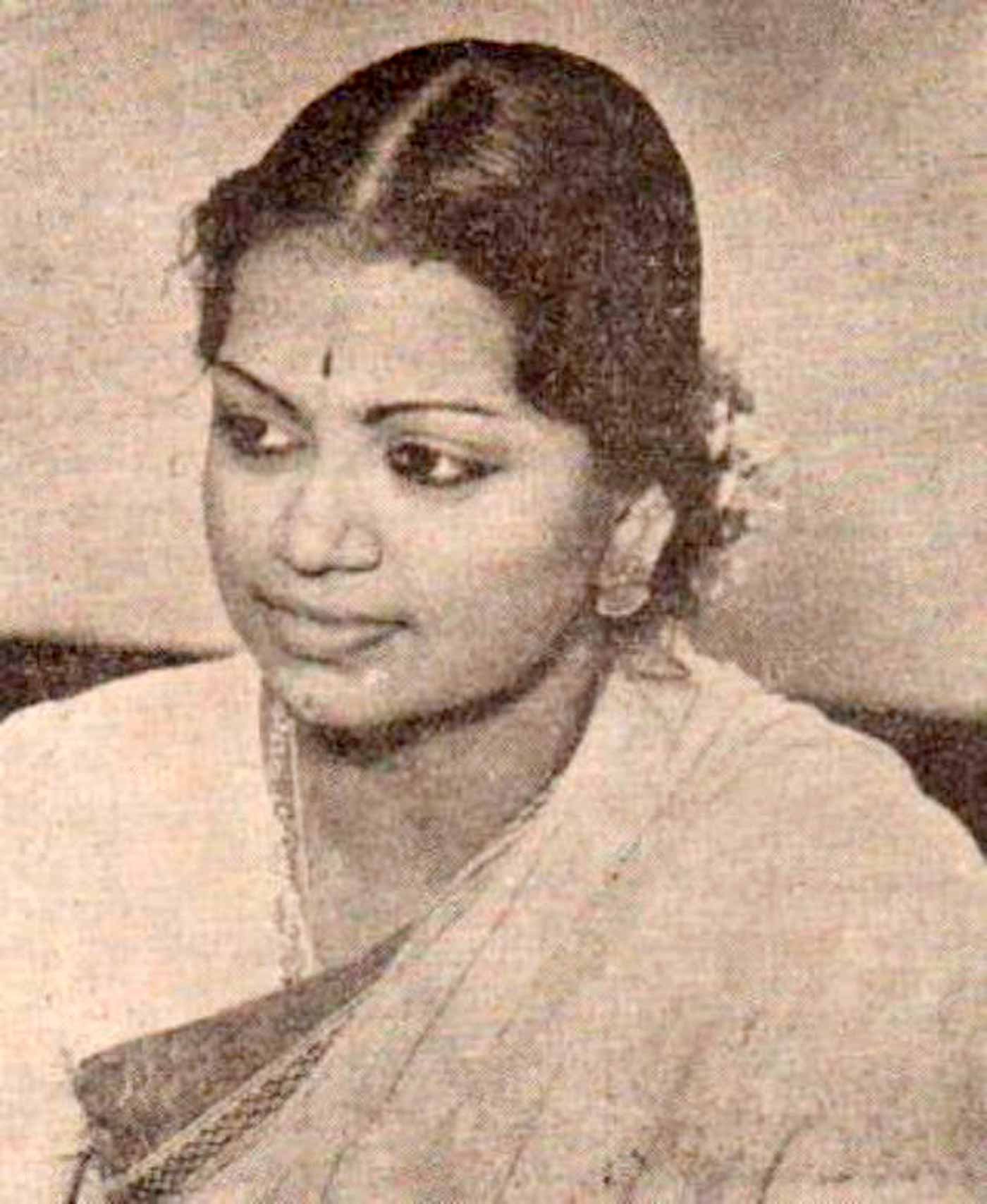
Known simply as MLV, M.L. Vasanthakumari brought dazzling speed, technical brilliance, and boundless creativity to Carnatic music. Her effortless brigas, fearless improvisation, and love for unusual compositions gave every concert remarkable vitality. She also played a major role in popularising Purandaradasa’s Kannada compositions while mentoring celebrated disciples such as Sudha Ragunathan, ensuring her musical legacy continued well beyond her own performances.
Sharan Rani Bakliwal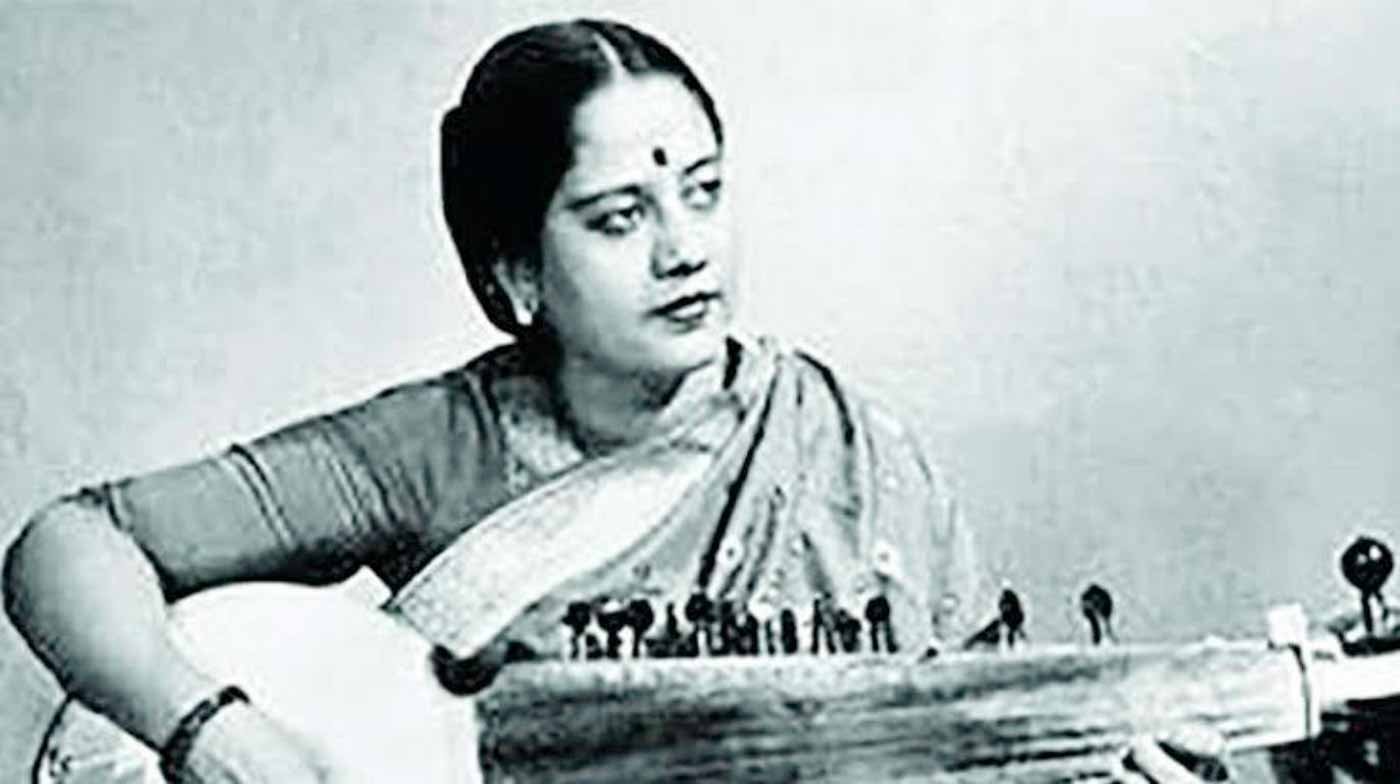
At a time when instrumental performance remained overwhelmingly male-dominated, Sharan Rani Bakliwal established herself as one of India’s finest sarod players. Trained by Allauddin Khan and Ali Akbar Khan, she built an international performing career that earned her the title “Sarod Rani.” Beyond performance, she became an important historian and collector of Indian musical instruments, preserving invaluable aspects of India’s musical heritage for future generations.
Girija Devi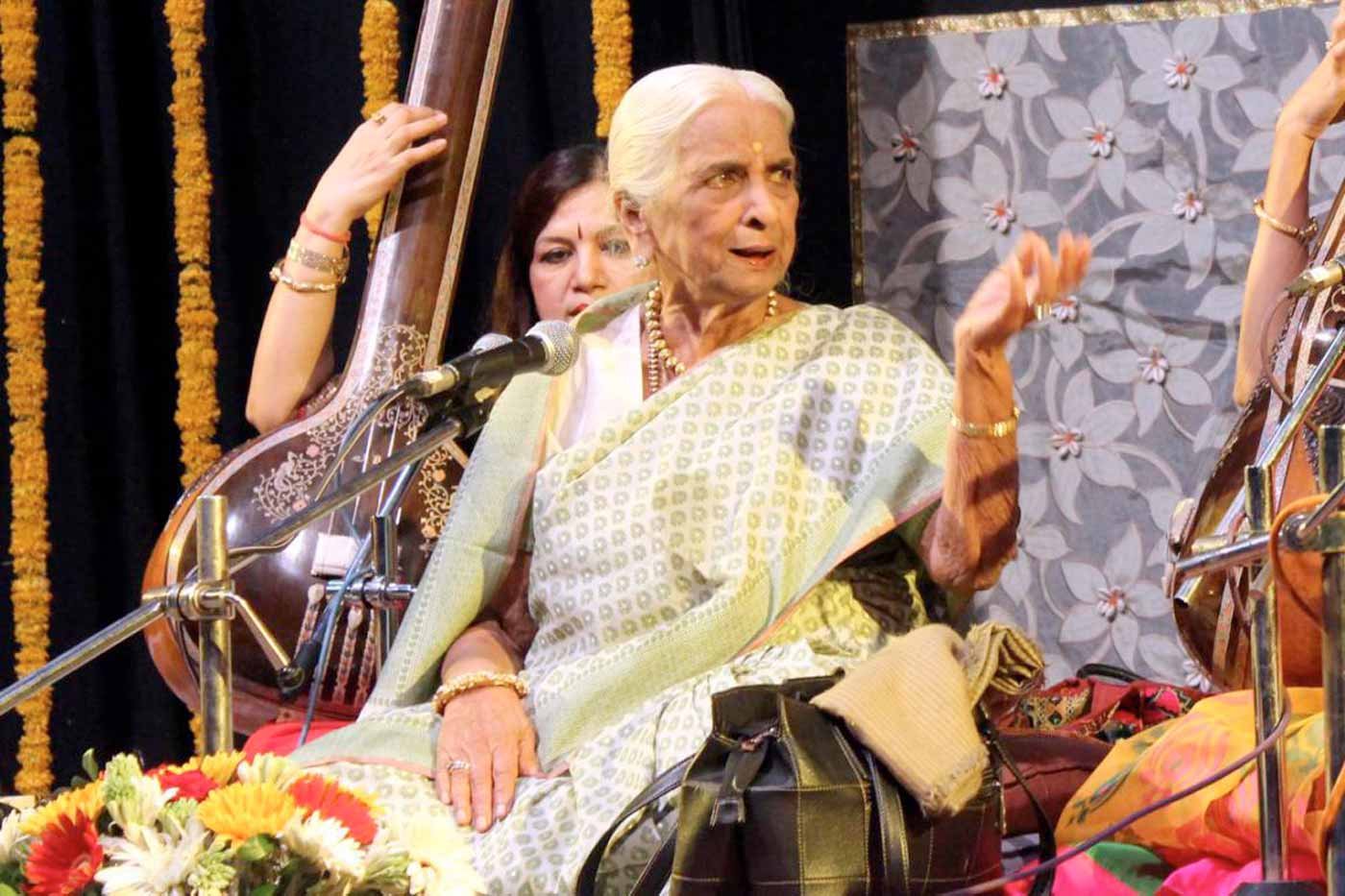
Widely celebrated as the “Queen of Thumri,” Girija Devi restored classical prestige to semi-classical genres that had long been marginalized. Through her extraordinary performances of thumri, dadra, kajri, chaiti, and hori, she demonstrated their immense artistic sophistication. Her deep understanding of dialects, seasonal traditions, and feminine emotional expression made her performances uniquely authentic while ensuring these living traditions survived beyond the concert stage.
Kishori Amonkar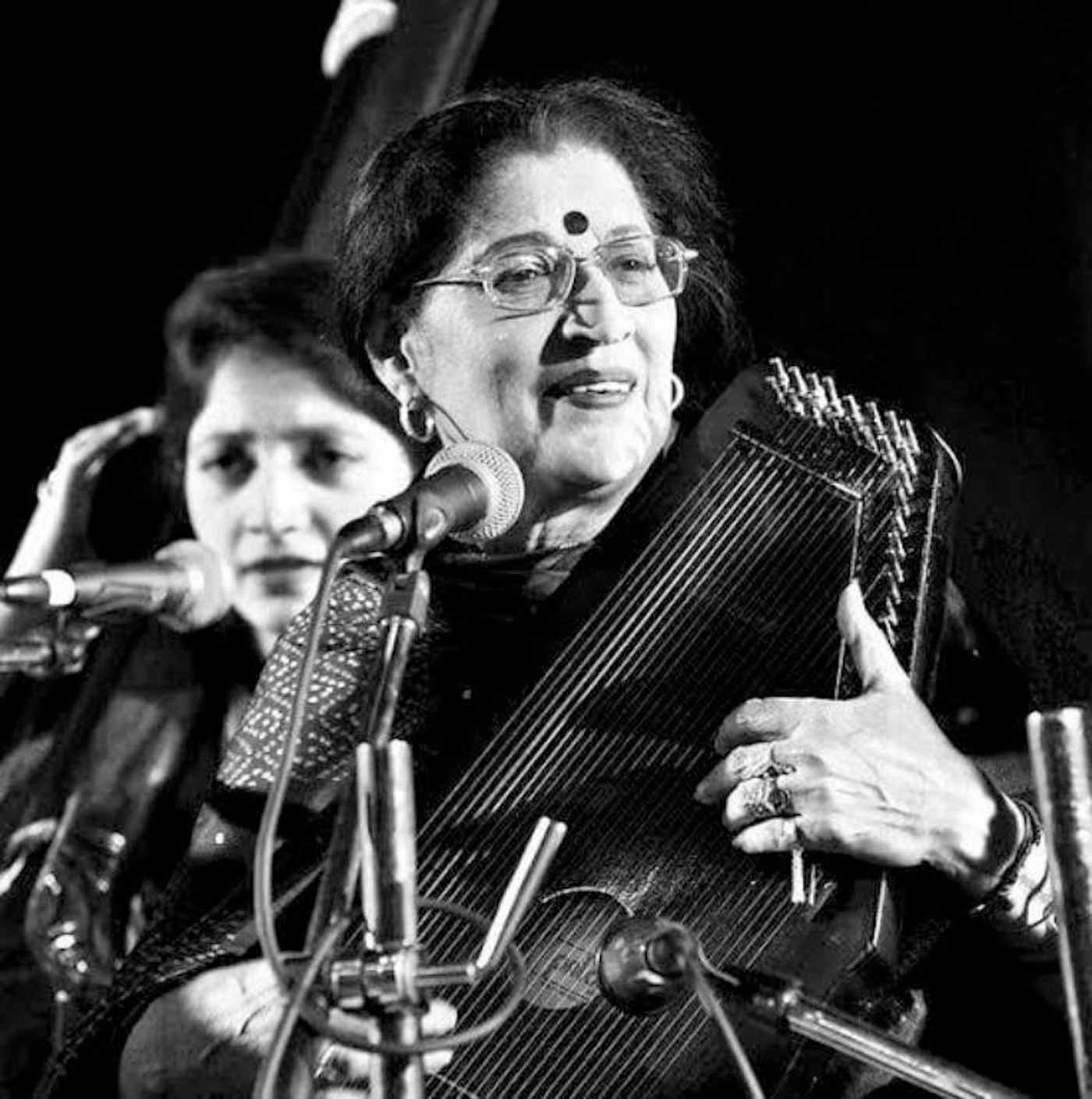
Few musicians challenged tradition as boldly as Kishori Amonkar. Though trained in the Jaipur-Atrauli gharana by her mother Mogubai Kurdikar, she gradually developed an intensely personal philosophy of raga performance. For Amonkar, every raga possessed its own emotional identity, and technical perfection alone was never enough. Her concerts invited listeners to experience music not merely as structure, but as profound emotional and spiritual exploration, fundamentally changing how modern audiences understood classical performance.
A Legacy That Continues to Resonate
These sixteen women did far more than perform beautiful music. They challenged patriarchal institutions, preserved endangered traditions, embraced new technologies, mentored future generations, and redefined who could claim authority within Indian classical music.
Their voices continue to resonate, not only through recordings and concert halls, but through every musician who learns from their artistry. Indian classical music today sounds richer because of them, and its future remains brighter because they dared to transform its past.