

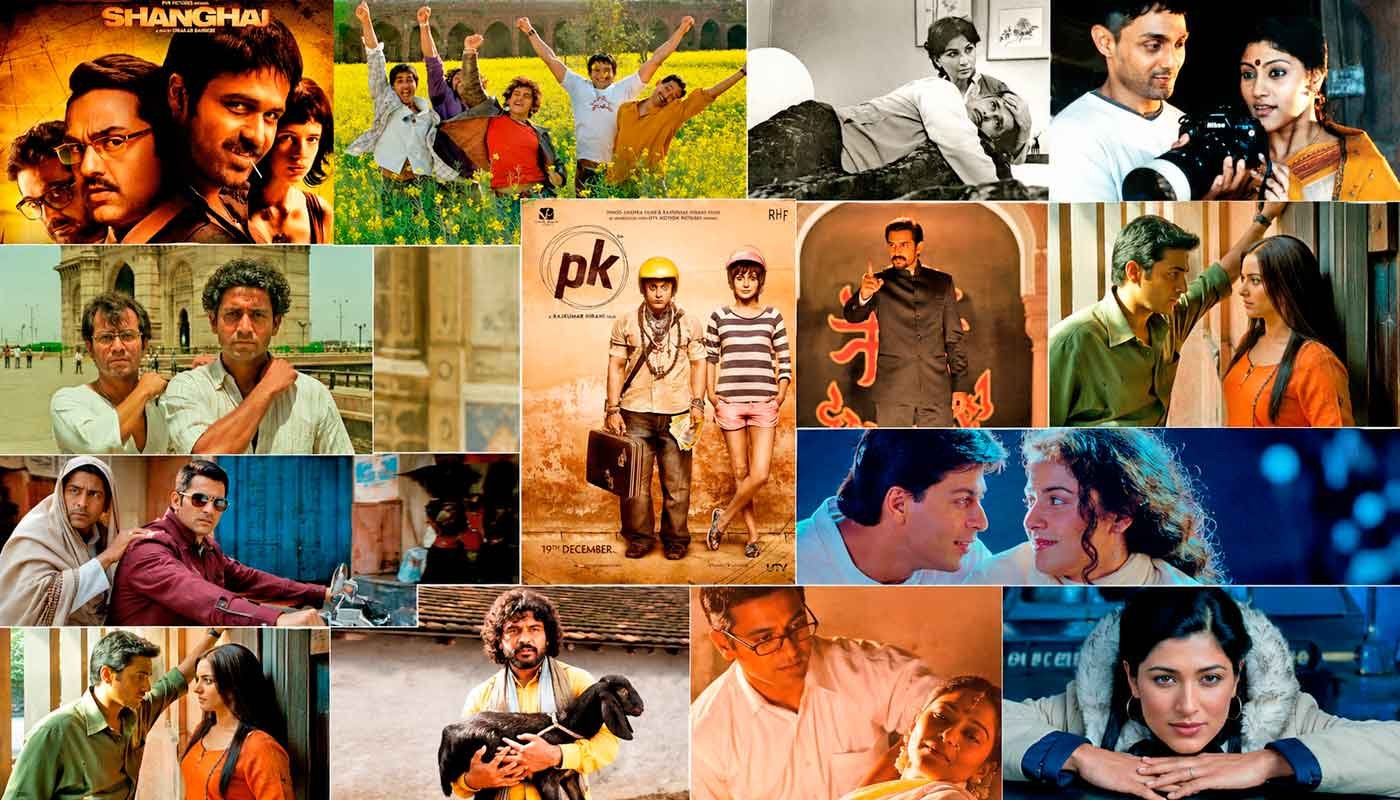
Cinema has always reflected society. Sometimes it comforts us. Sometimes it questions us. And sometimes, it unsettles those in power. There was a time when India’s biggest stars headlined films that openly challenged political corruption, religious extremism, caste discrimination, media sensationalism, and state institutions. Shah Rukh Khan made Dil Se, Aamir Khan made PK and produced Peepli Live, Akshay Kumar stood against religious exploitation in OMG, and filmmakers like Mani Ratnam, Anurag Kashyap, Kamal Haasan, Aparna Sen, and Sudhir Mishra pushed uncomfortable conversations into mainstream cinema.
Today, however, many filmmakers face intense scrutiny long before audiences enter theatres. Recent examples speak for themselves. Phule reportedly had to alter references to caste. Dhadak 2 underwent multiple censor cuts. Santosh struggled to secure an Indian release despite international acclaim. The journey of Satlaj also became a reminder that politically sensitive films often face prolonged battles before reaching audiences.
Looking back, these films feel even braver.
Rang De Basanti (2006)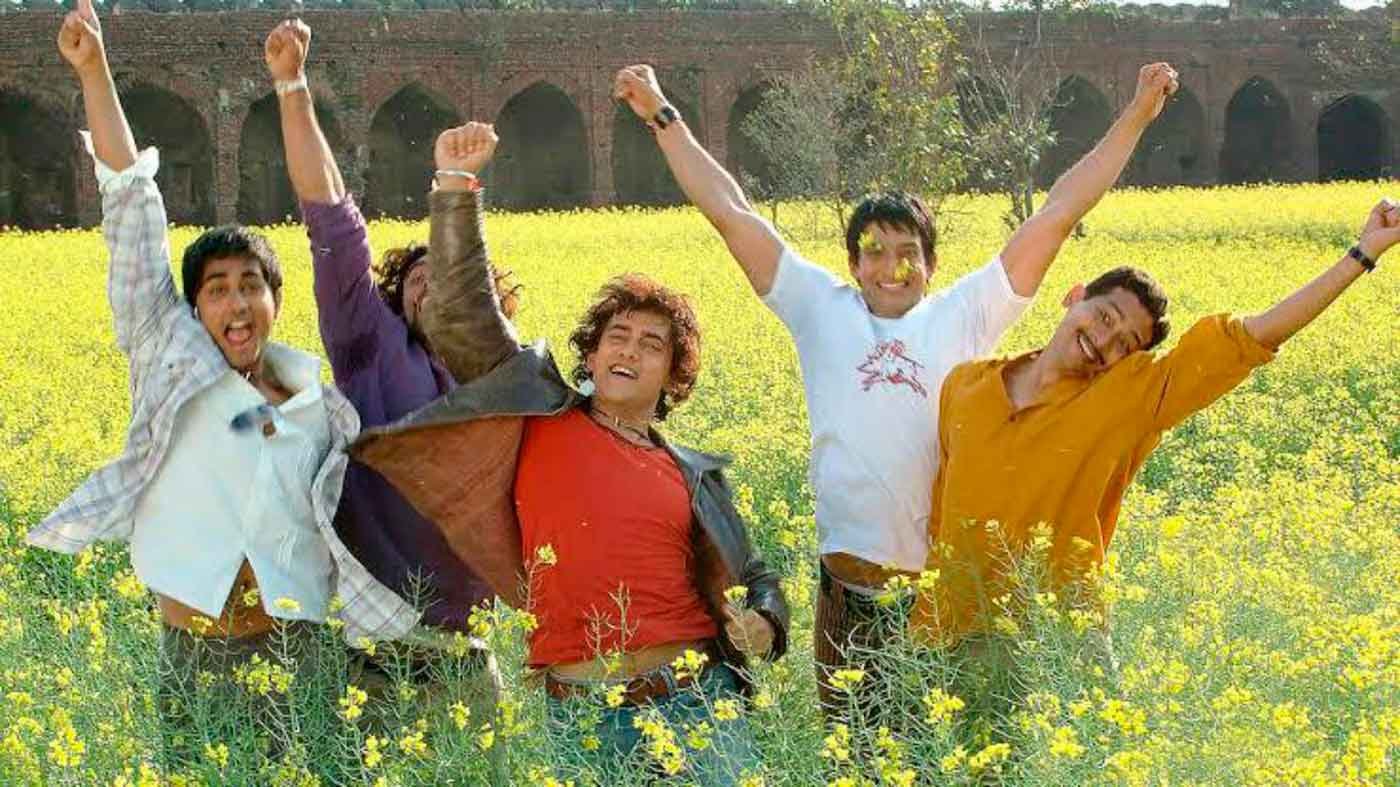
Far more than a coming-of-age drama, Rakeysh Omprakash Mehra’s Rang De Basanti transformed an entire generation’s understanding of civic responsibility. A group of carefree college students reluctantly participate in a documentary about India’s freedom fighters, only to slowly recognise the similarities between colonial injustice and modern political corruption. The film questioned youth apathy, government accountability, military negligence, and media narratives without preaching. Its climax remains one of Indian cinema’s most debated endings. A film that openly inspires young people to challenge the establishment would likely invite far greater political controversy if released today.
Jaane Bhi Do Yaaro (1983)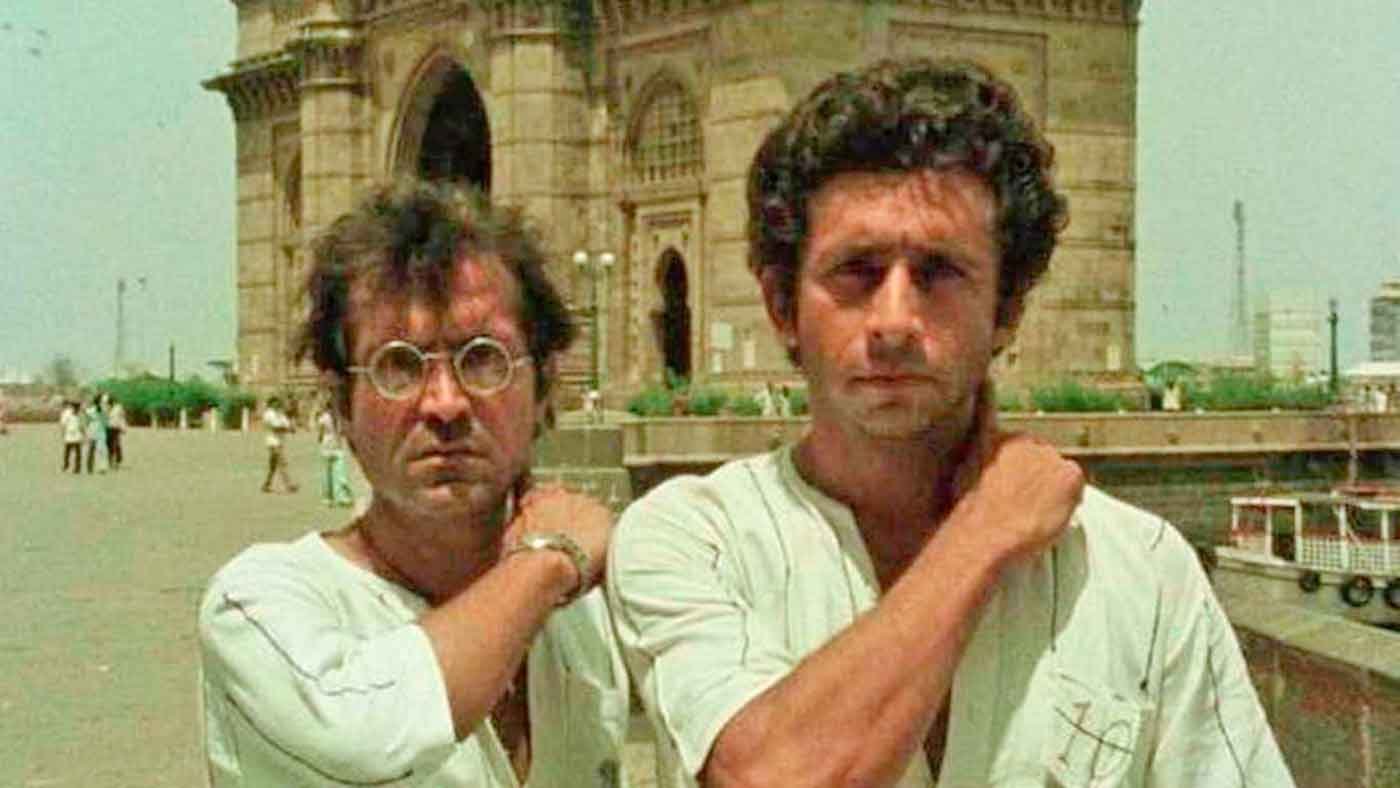
Kundan Shah’s cult classic remains one of the sharpest political satires ever made in India. Two struggling photographers accidentally uncover a murder linked to politicians, businessmen, bureaucrats, and builders, exposing an entire ecosystem of corruption. Instead of treating corruption as an isolated problem, the film argues that every institution is compromised. Its legendary Mahabharata stage sequence brilliantly mocks power, greed, and institutional collapse through absurd comedy. Even four decades later, its observations remain painfully relevant, making it difficult to imagine such biting satire escaping controversy today.
New Delhi Times (1986)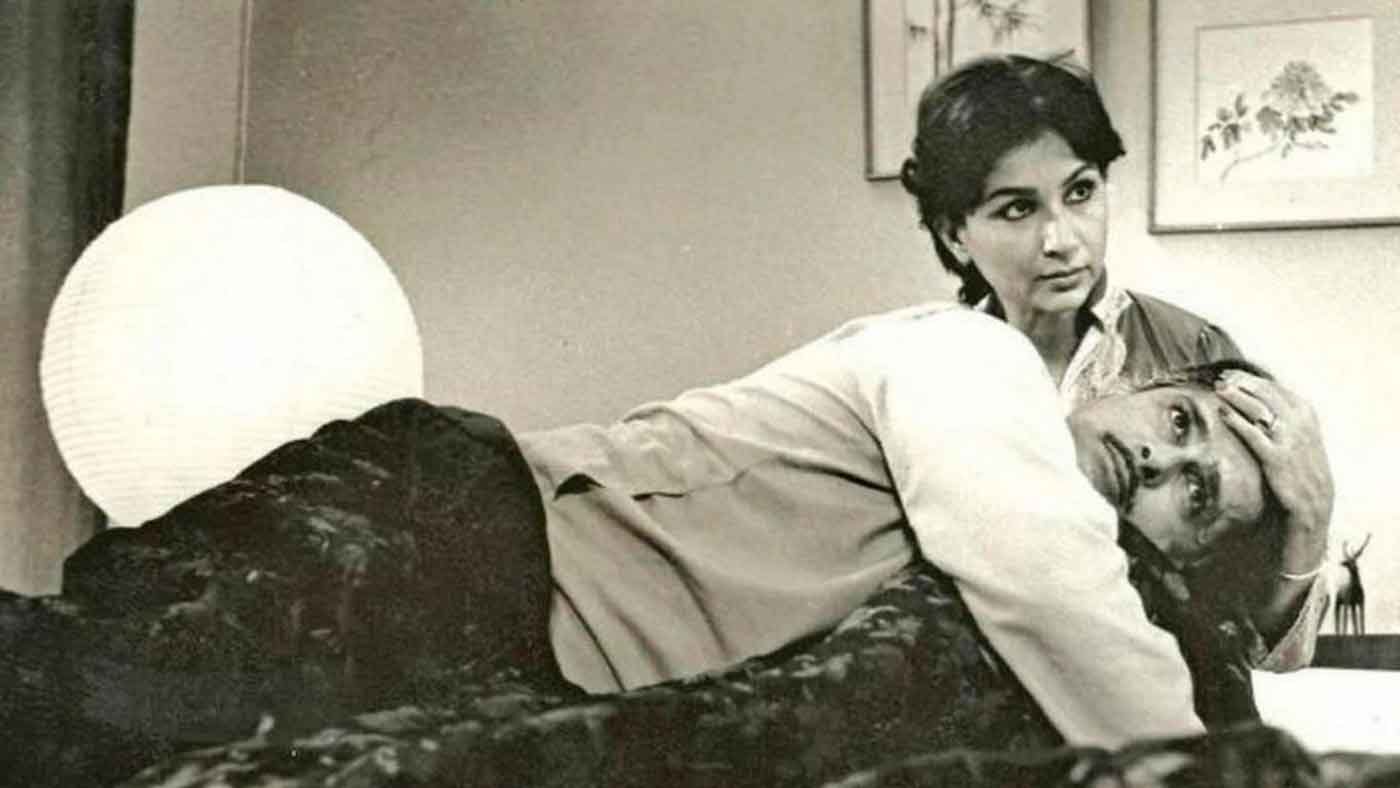
This National Award-winning political thriller follows a newspaper editor who uncovers a conspiracy surrounding the murder of a politician. As he investigates further, he discovers that corruption reaches the highest levels of governance, where truth becomes secondary to political survival. The film explores media ethics, manipulation, electoral politics, and the dangerous cost of investigative journalism. Its fearless portrayal of political influence over institutions would undoubtedly trigger fierce debate in today’s environment.
Mr. and Mrs. Iyer (2002)
Aparna Sen crafted one of Indian cinema’s most nuanced explorations of communal violence. During a journey interrupted by religious riots, a conservative Tamil Brahmin woman pretends that a Muslim photographer is her husband in order to save his life. What begins as survival slowly evolves into empathy. Rather than offering easy answers, the film examines prejudice, fear, humanity, and the arbitrary nature of communal hatred. Its quiet yet powerful criticism of religious polarisation feels as urgent today as it did over two decades ago.
PK (2014)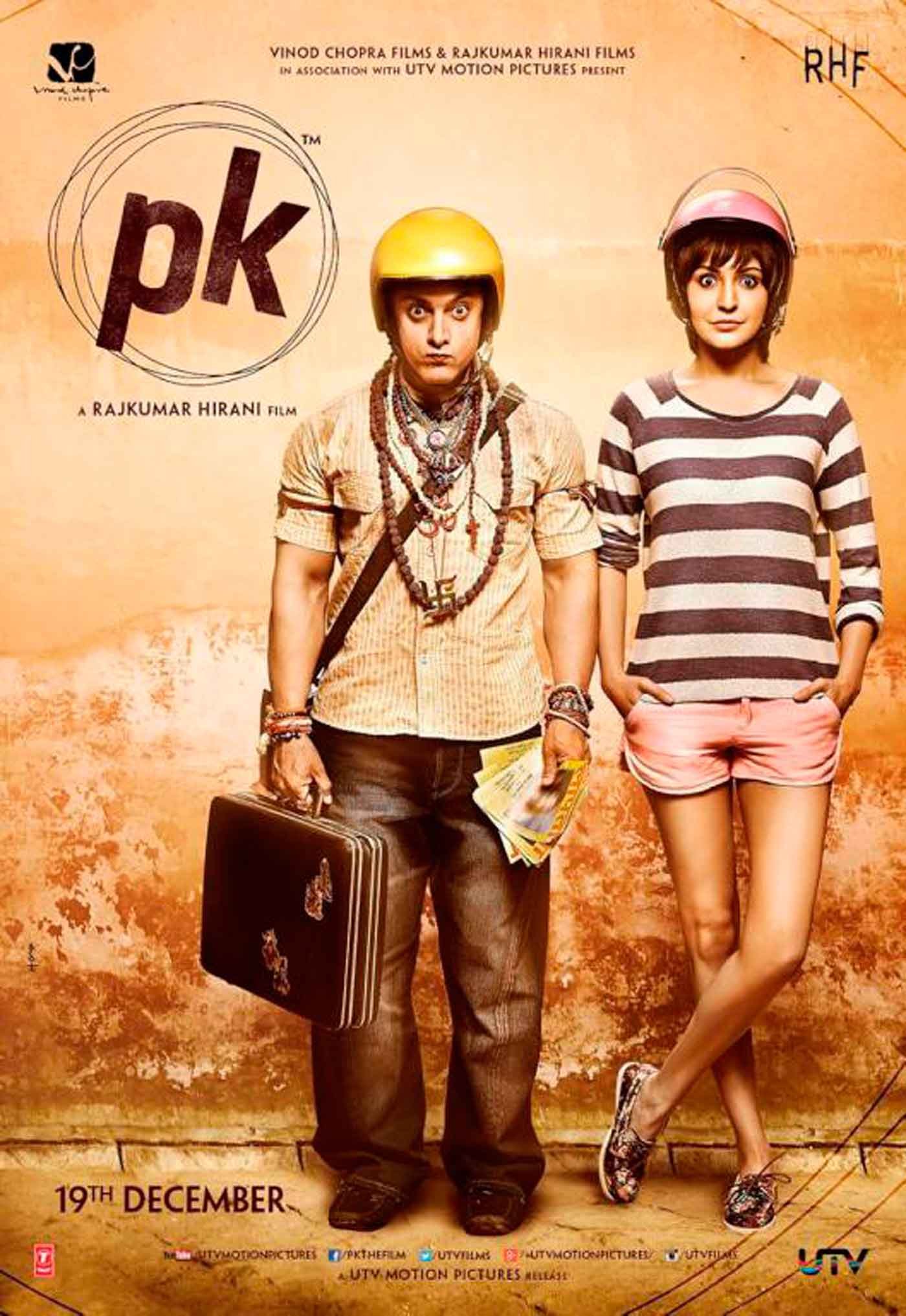
Rajkumar Hirani’s PK became one of the highest-grossing Indian films despite attracting enormous controversy. Through the eyes of an alien trying to understand Earth, the film questions blind faith, organised religion, commercialised spirituality, and self-proclaimed godmen. Rather than attacking religion itself, PK critiques those who exploit people’s faith for profit and power. Even years after its release, it continues to generate heated debate. In today’s increasingly polarised climate, its central premise alone would likely face far greater resistance.
Dil Se (1998)
Mani Ratnam’s Dil Se uses an unconventional love story to examine insurgency, alienation, and the complex relationship between the Indian state and the Northeast. Shah Rukh Khan plays a radio journalist who falls in love with a mysterious woman hiding a traumatic political past. The romance becomes a metaphor for conflict, displacement, and unheard voices. Few mainstream films have attempted to humanise individuals caught within cycles of violence without reducing them to simple heroes or villains. That complexity alone would make the film exceptionally difficult to produce today.
Gulaal (2009)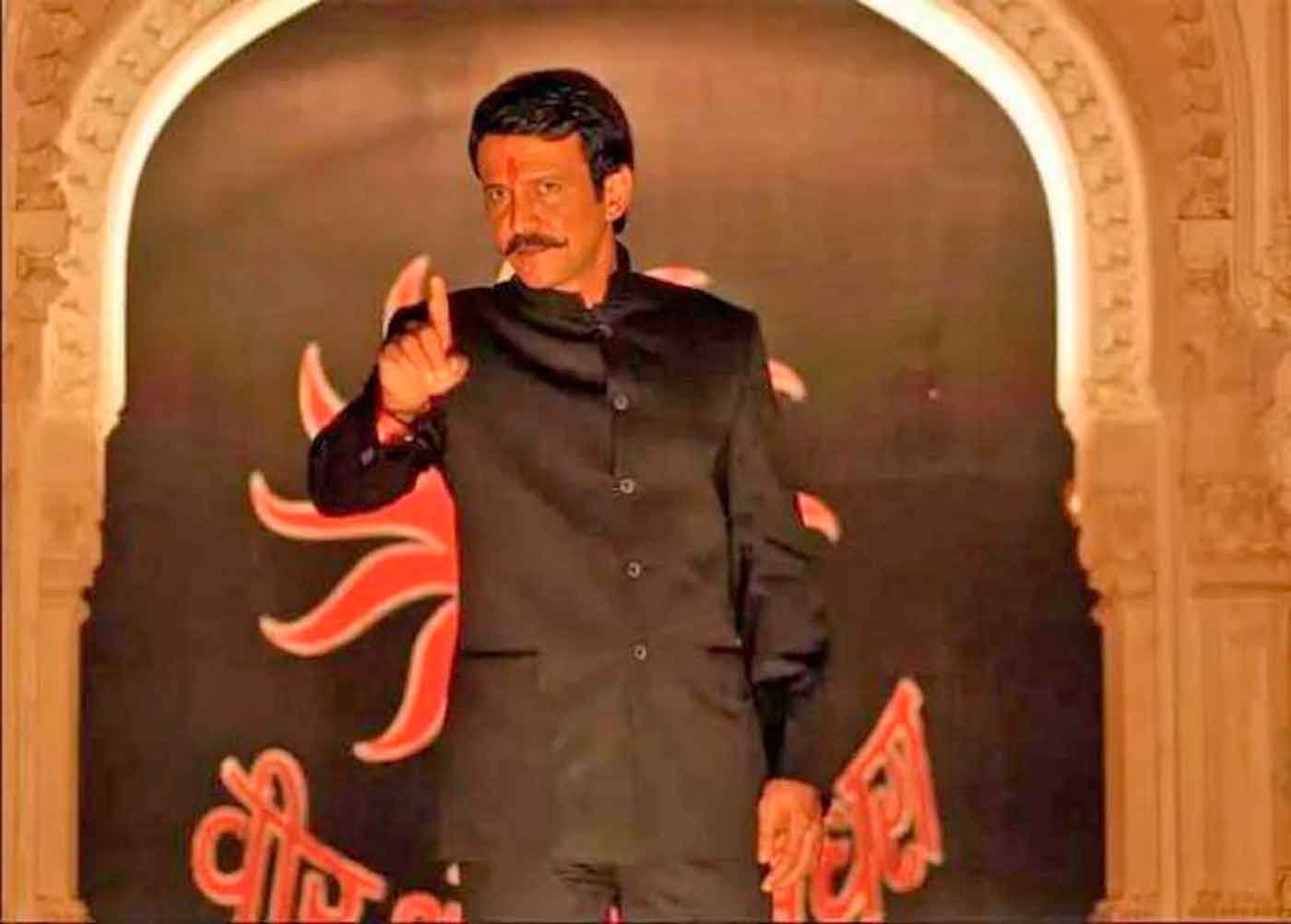
Anurag Kashyap’s political drama dives deep into student politics, identity, caste privilege, regional nationalism, and violent extremism. Set within a university campus, it follows a reluctant student drawn into Rajasthan’s separatist movement while navigating power struggles, betrayal, and ideological manipulation. The film refuses to offer clear heroes or villains, instead exposing how political movements often exploit vulnerable youth. Its uncompromising portrayal of nationalism and identity politics remains one of Indian cinema’s boldest achievements.
Aayutha Ezhuthu (2004)
Another Mani Ratnam political drama, Aayutha Ezhuthu intertwines the lives of three young men from vastly different backgrounds to explore student activism, political corruption, violence, and democratic participation. Rather than glorifying politics, it encourages educated youth to actively participate in governance instead of abandoning it to corrupt leaders. The film’s criticism of entrenched political systems and its emphasis on student-led reform would likely generate intense political reactions today.
OMG – Oh My God! (2012)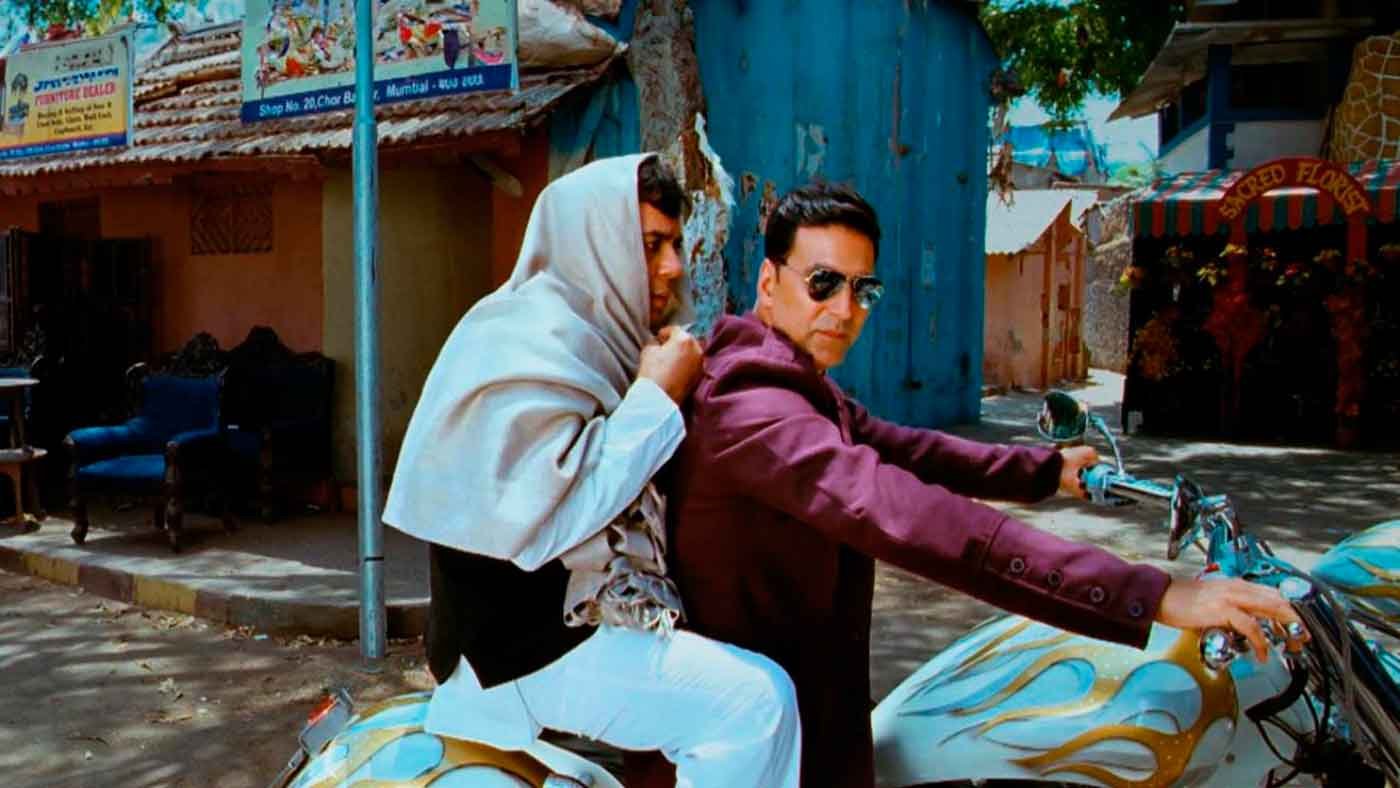
OMG transformed a courtroom drama into one of Indian cinema’s sharpest critiques of religious commercialisation. After an earthquake destroys his shop, atheist Kanjibhai files a lawsuit against God, eventually exposing how religious institutions manipulate fear and profit from blind devotion. Akshay Kumar’s portrayal of Lord Krishna offers philosophical balance, but the film’s strongest target remains those who exploit faith for personal gain. Its courtroom arguments, temple politics, and fearless dialogue would almost certainly attract greater opposition today.
Parzania (2005)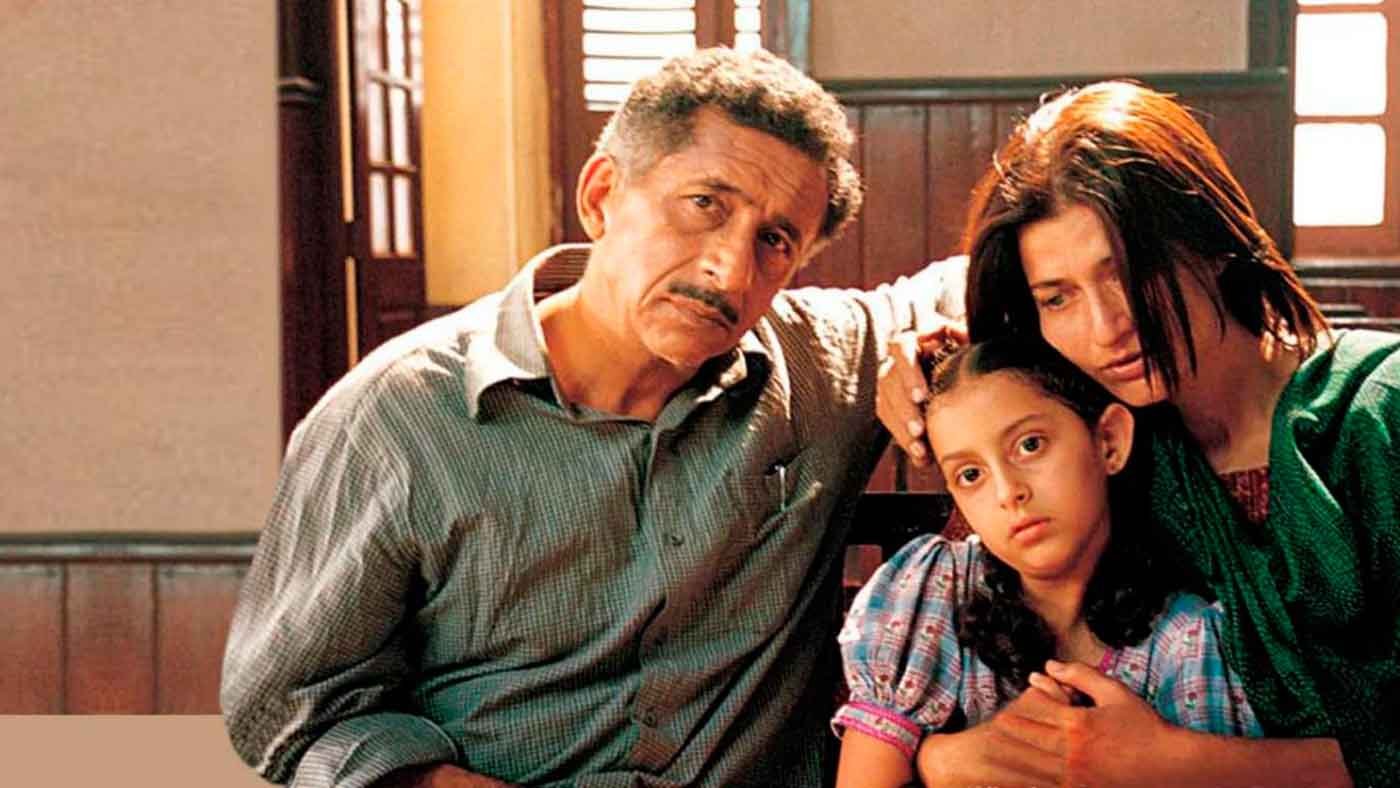
Based on true events, Parzania tells the heartbreaking story of a Parsi family searching for their missing son during the 2002 Gujarat riots. Rather than focusing solely on violence, the film captures grief, trauma, displacement, and the devastating human cost of communal conflict. Its refusal to sanitise history made it both critically acclaimed and politically sensitive. The film remains one of the most important cinematic documents of one of India’s darkest chapters.
Hey Ram (2000)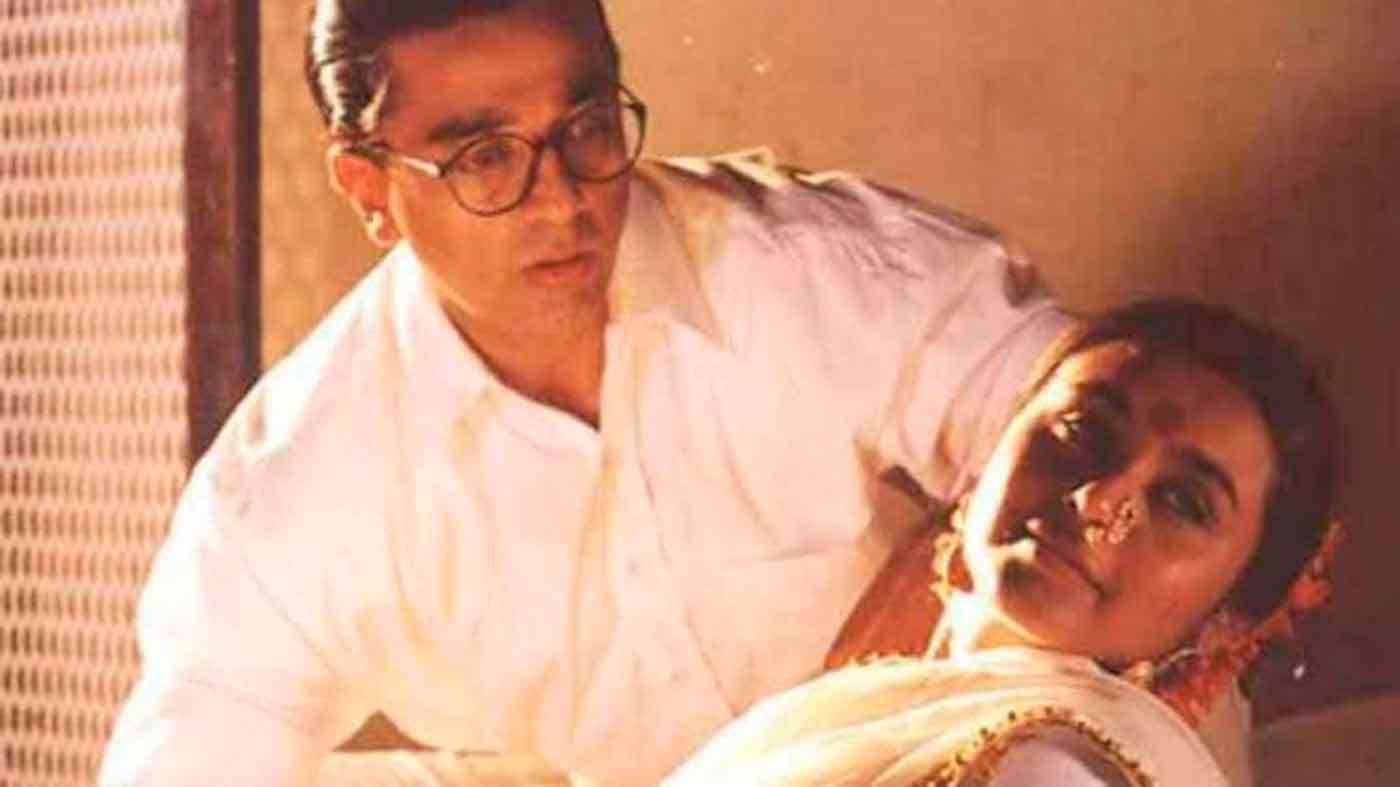
Kamal Haasan’s ambitious historical epic examines revenge, communal hatred, and radicalisation through the story of Saket Ram, who blames Mahatma Gandhi for his personal tragedy and joins an extremist conspiracy to assassinate him. The film boldly interrogates nationalism, Partition, religious violence, and political propaganda while ultimately reaffirming Gandhi’s philosophy. Few films have attempted such an intimate exploration of ideological transformation, making it one of Indian cinema’s bravest political works.
Shanghai (2012)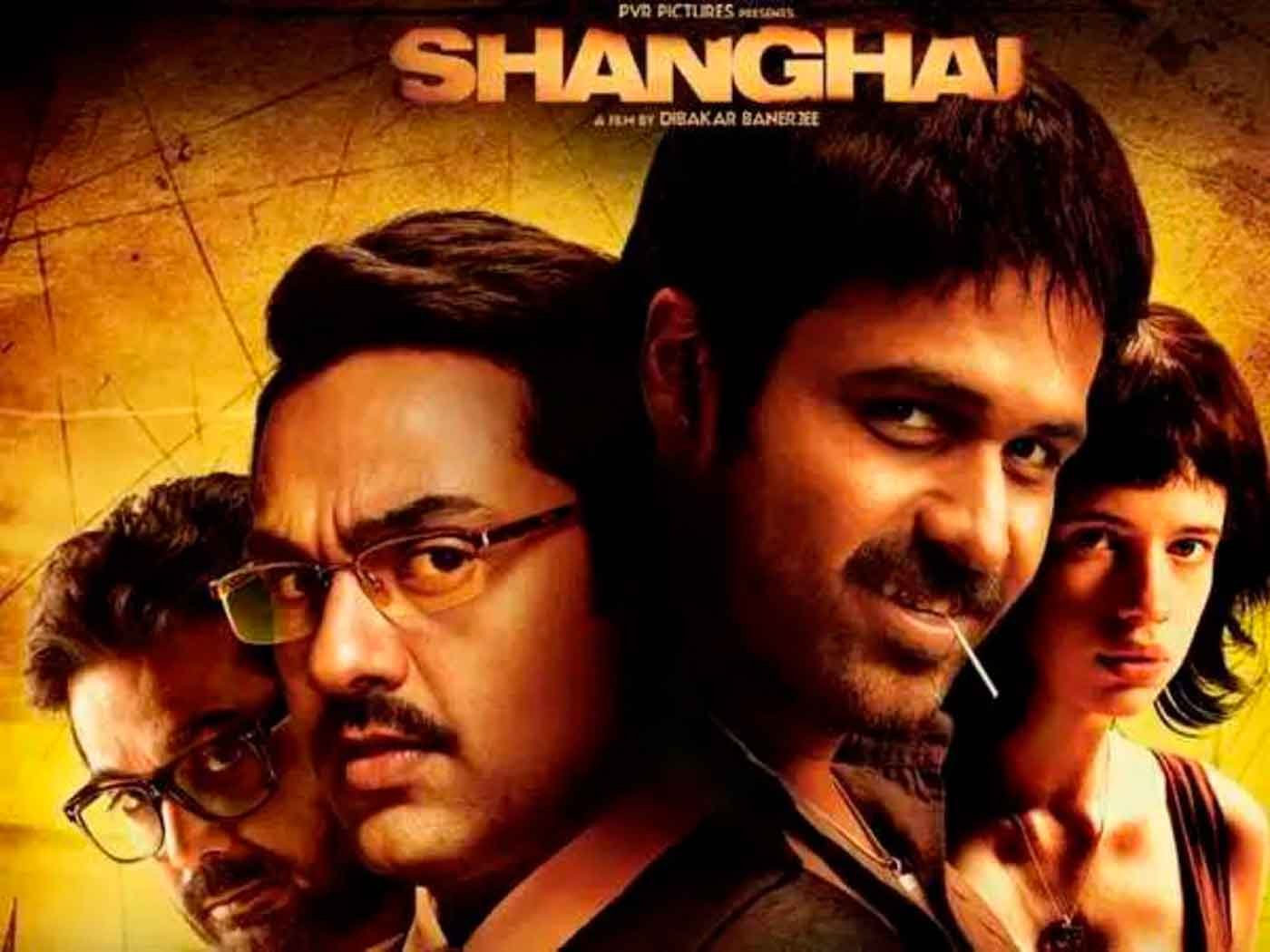
Dibakar Banerjee’s Shanghai dissects corruption through the investigation of a political activist’s murder. As bureaucrats, journalists, politicians, and ordinary citizens become entangled in the case, the film reveals how development projects, elections, media narratives, and corporate interests intersect to protect those in power. The film avoids simplistic storytelling, instead exposing how systemic corruption survives because every institution benefits from silence. Its cynical realism remains deeply unsettling.
Peepli Live (2010)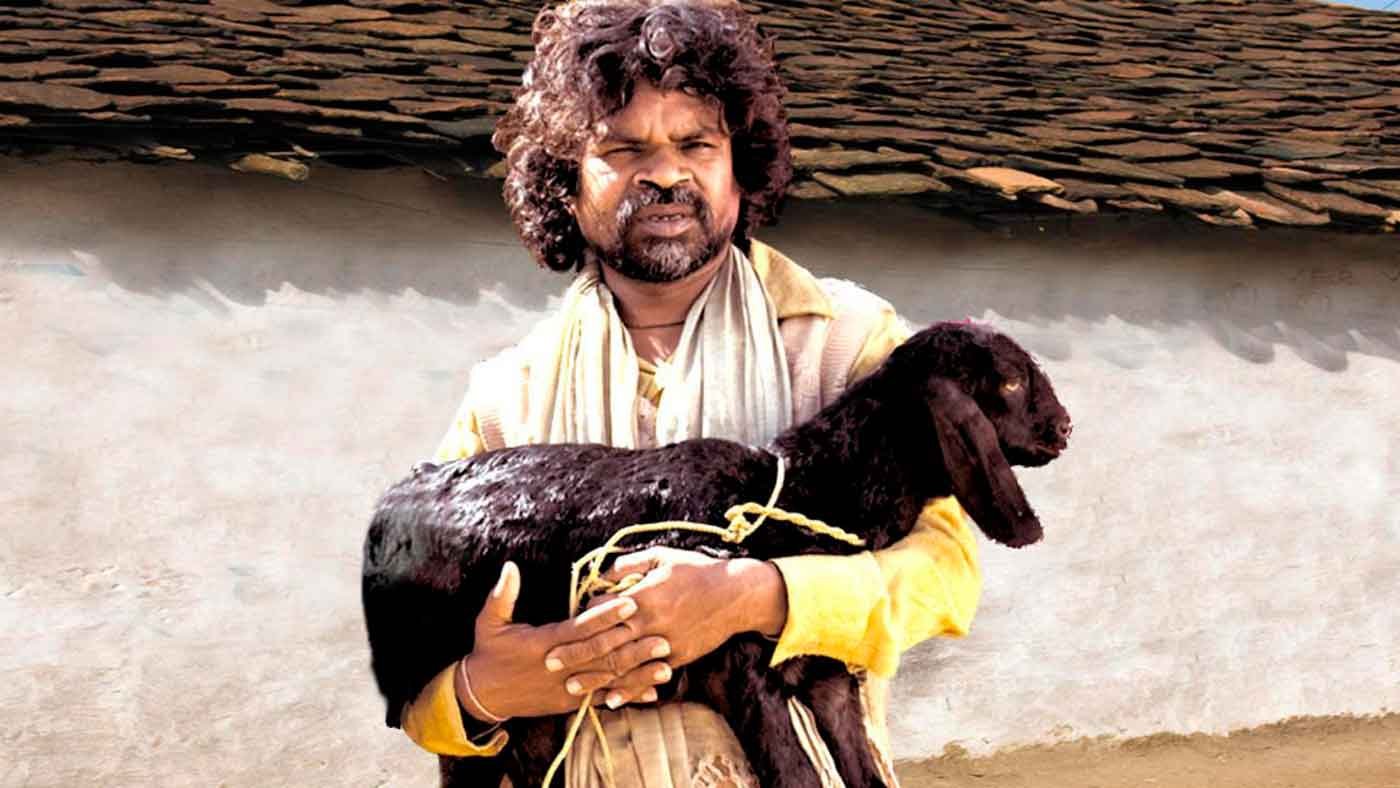
Produced by Aamir Khan, Peepli Live uses dark satire to expose farmer suicides, sensationalist television journalism, political opportunism, and bureaucratic indifference. When a struggling farmer considers suicide so his family can receive government compensation, politicians, media channels, and activists descend upon his village—not to help him, but to exploit his tragedy. The film remains one of India’s most devastating critiques of both politics and television news.
Hazaaron Khwaishein Aisi (2003)
Sudhir Mishra’s masterpiece follows three young individuals whose lives unfold against the backdrop of the Emergency and the Naxalite movement during the 1970s. Through their intersecting journeys, the film explores class inequality, state violence, student politics, revolution, and personal disillusionment. Rather than romanticising activism, it reveals its emotional and political consequences. Its layered portrayal of dissent feels remarkably contemporary.
The Courage to Ask Questions
None of these films claimed to possess every answer. They simply dared to ask difficult questions. They questioned governments, challenged institutions, criticised religious exploitation, exposed corruption, and trusted audiences to think for themselves. That willingness to provoke conversation is precisely what made them memorable.
Perhaps that is why many of these films continue to resonate decades later. Not because they offered comfort. But because they refused to stay silent.