

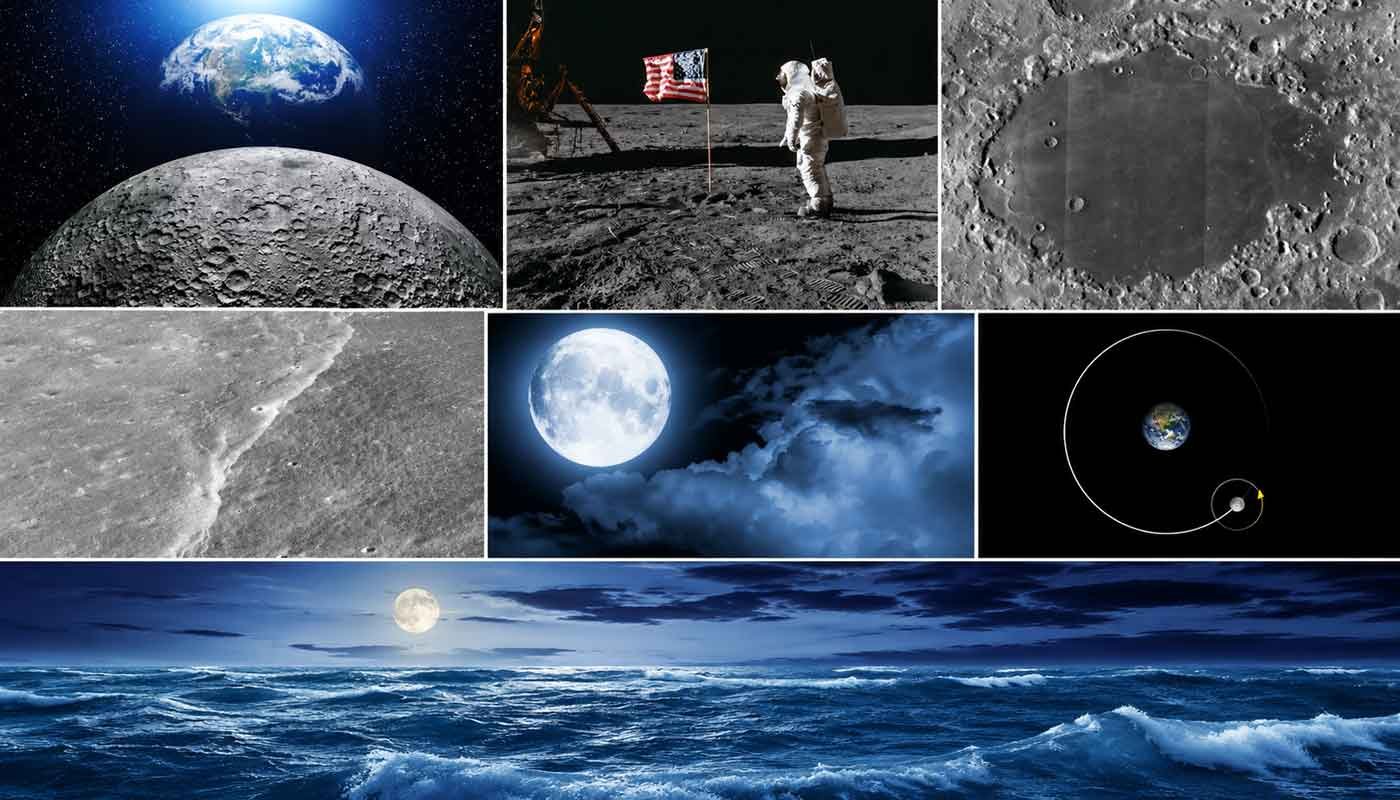
For thousands of years, humanity has looked up at the Moon with curiosity, wonder, and imagination. It has inspired mythology, poetry, scientific discoveries, and one of the greatest achievements in human history. Every year on 20 July, the world observes International Moon Day, commemorating the historic Apollo 11 landing in 1969, when Neil Armstrong and Buzz Aldrin became the first humans to walk on the lunar surface while Michael Collins orbited above in the command module.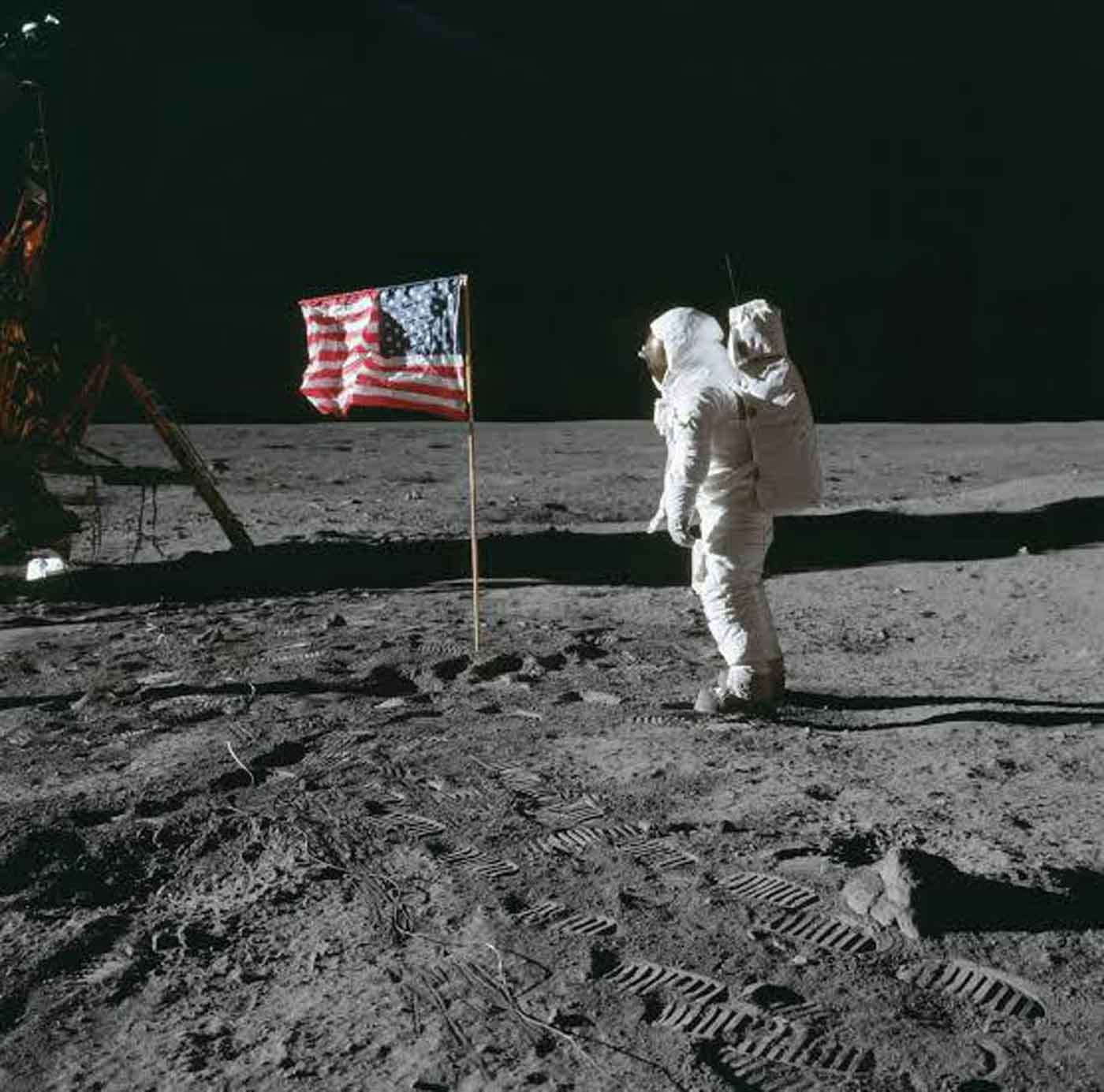
The observance, recognized by the United Nations Office for Outer Space Affairs (UNOOSA), also serves as a reminder that the future of lunar exploration should remain peaceful, sustainable, and beneficial to all humankind. As countries and private space companies prepare for a new era of Moon missions, International Moon Day celebrates not only where we’ve been, but where we’re headed.
Here are some fascinating facts about the Moon
The Moon is about 4.5 billion years old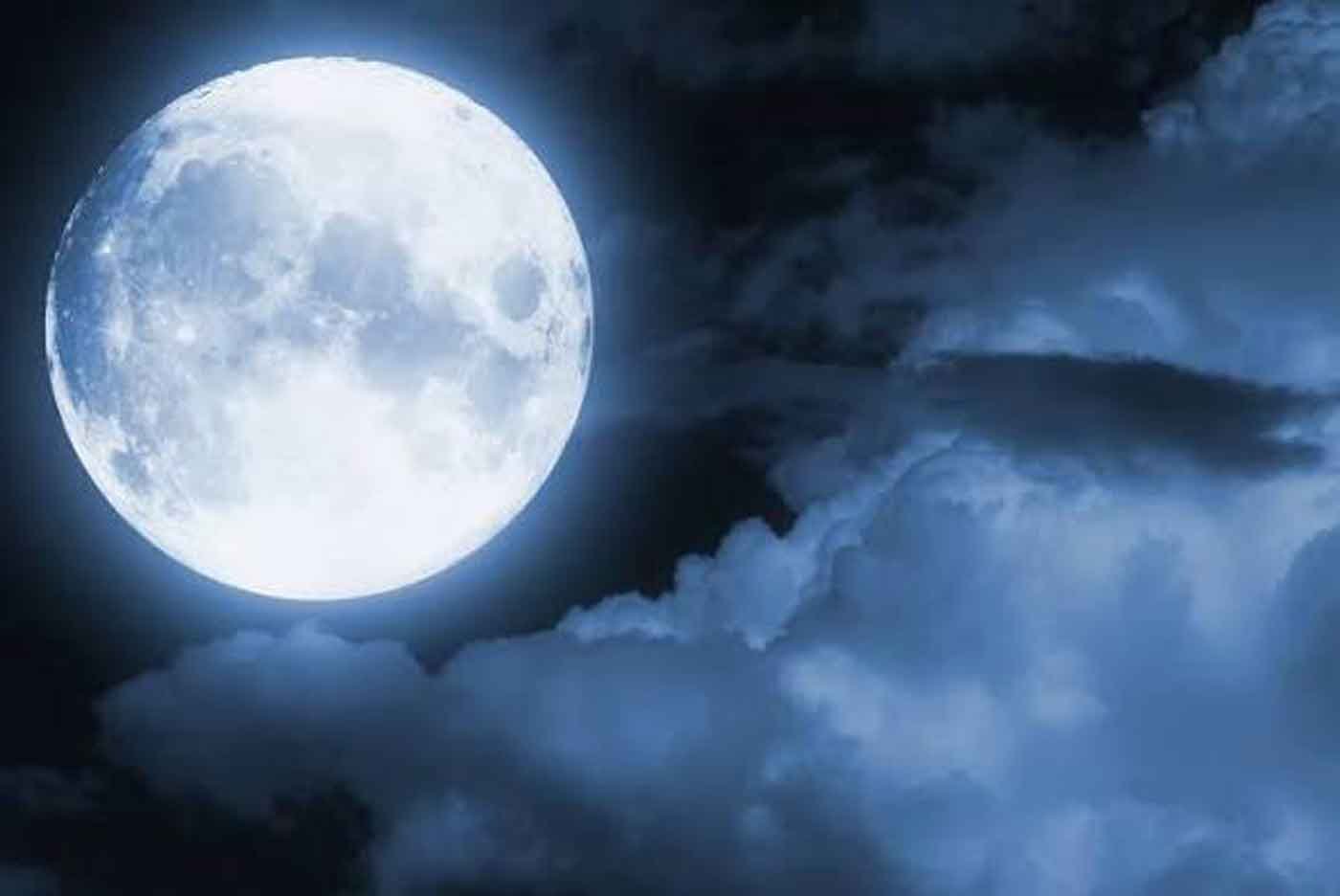
Scientists believe the Moon formed around 4.5 billion years ago after a Mars-sized object, often referred to as Theia, collided with the young Earth. The debris from this colossal impact eventually came together under gravity to form the Moon we see today.
Its surface tells the story of billions of years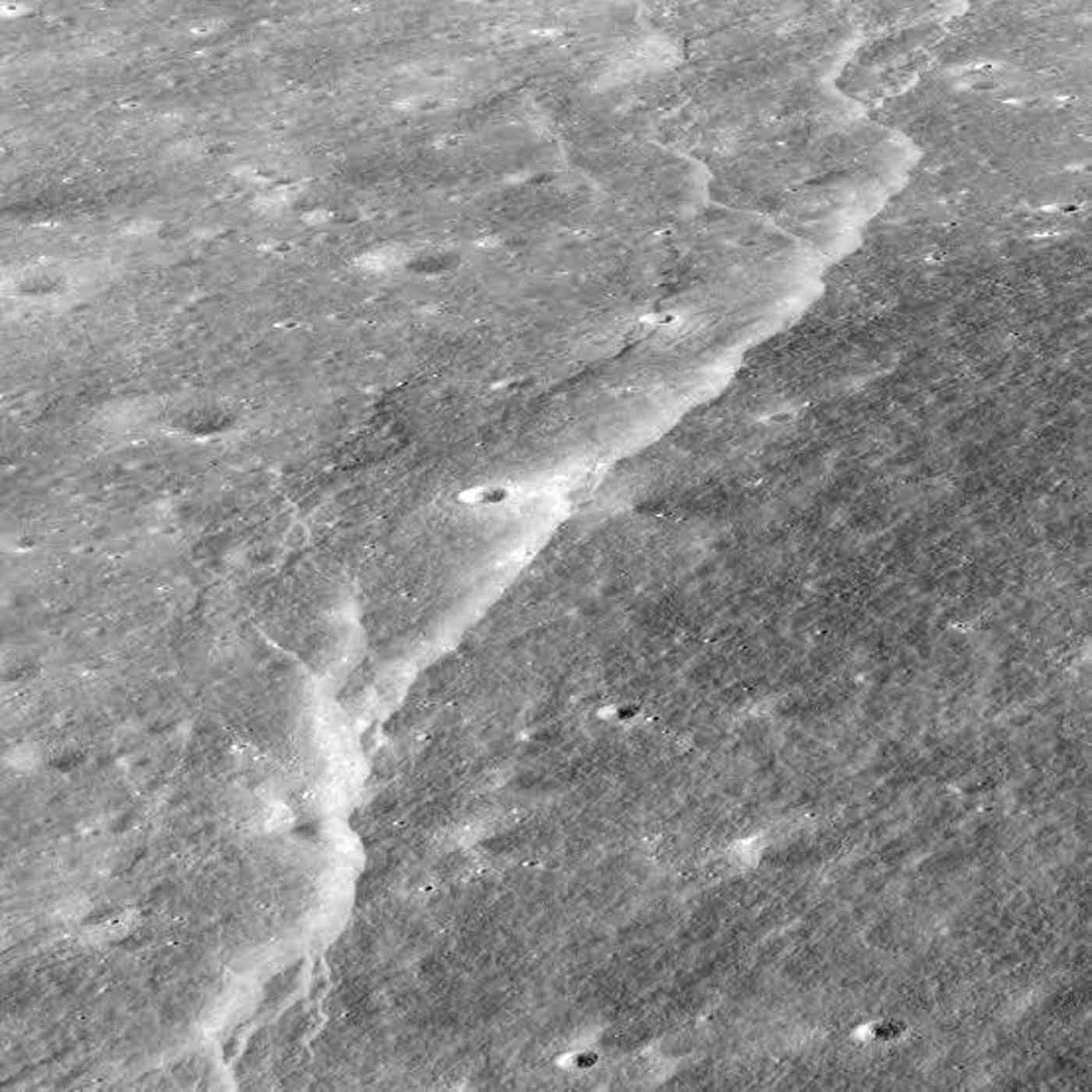
The Moon’s craters, rugged mountains, and vast dark plains called maria were created through countless asteroid impacts and ancient volcanic eruptions. Unlike Earth, the Moon has almost no atmosphere or weather, meaning these features have remained remarkably well preserved for billions of years.
The Moon is slowly drifting away from Earth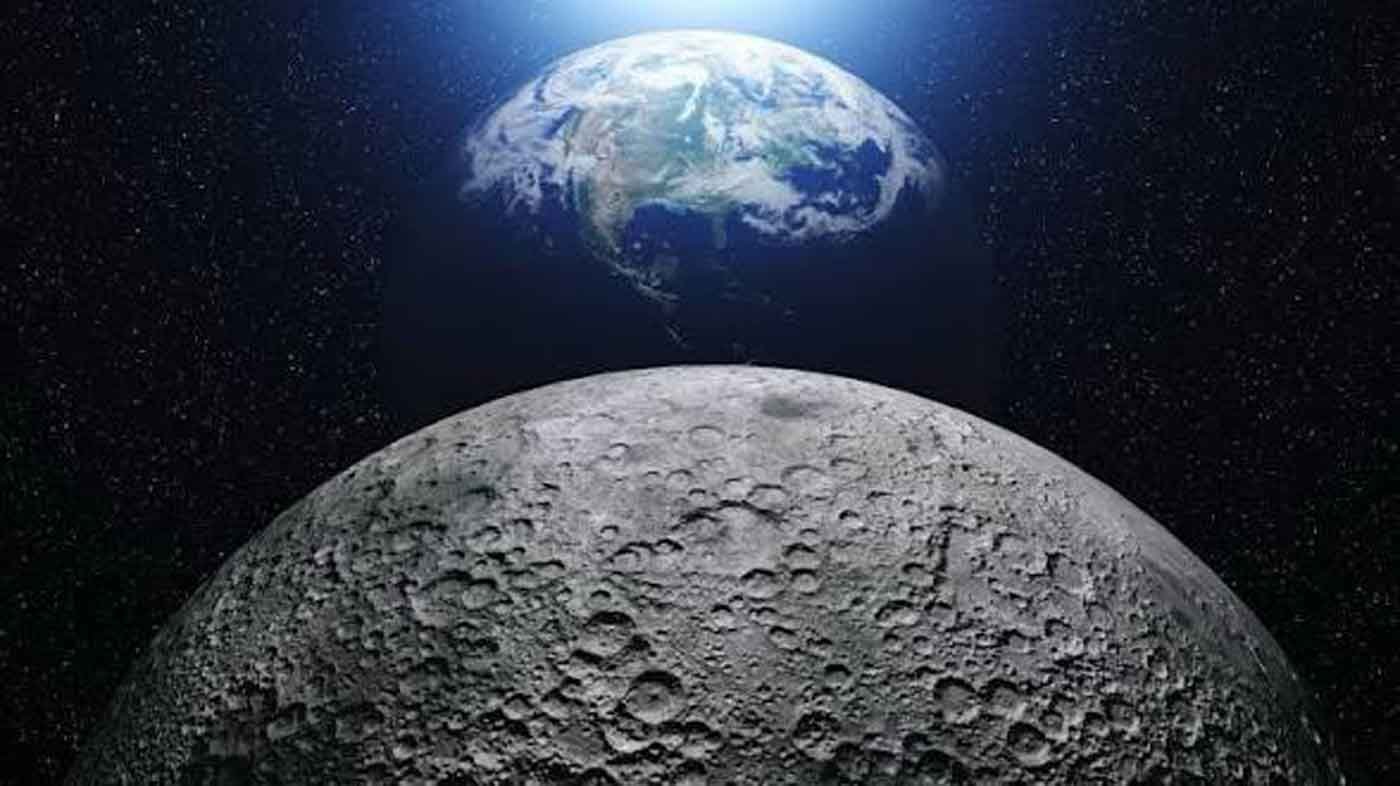
Although it remains Earth’s closest celestial companion, the Moon is gradually moving away at approximately 3.8 centimetres every year. While imperceptible in our lifetime, this slow drift will continue for millions of years due to the complex gravitational interaction between Earth and the Moon.
Temperatures are incredibly extreme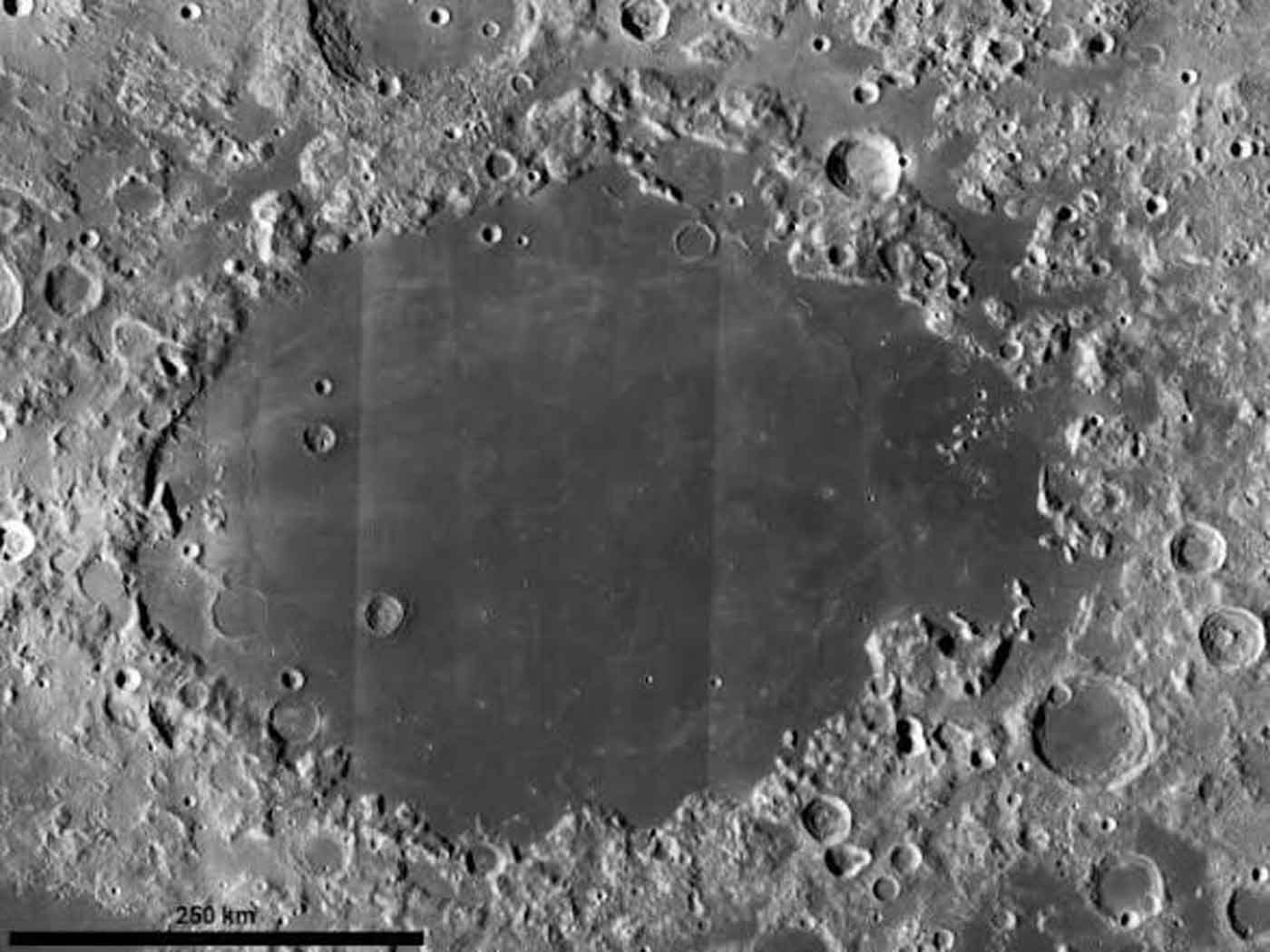
Without a protective atmosphere, the Moon experiences dramatic temperature swings. During the lunar day, temperatures can soar to around 127°C, while lunar nights can plunge to approximately −173°C. These harsh conditions present major engineering challenges for future astronauts and lunar habitats.
Yes, the Moon has earthquakes too
They’re called moonquakes. Unlike earthquakes, moonquakes are caused primarily by tidal forces generated by Earth’s gravity, meteorite impacts, and gradual cooling within the Moon’s interior. Some of these tremors can last much longer than earthquakes because the Moon’s dry, rigid crust transmits vibrations differently.
The Moon controls Earth’s tides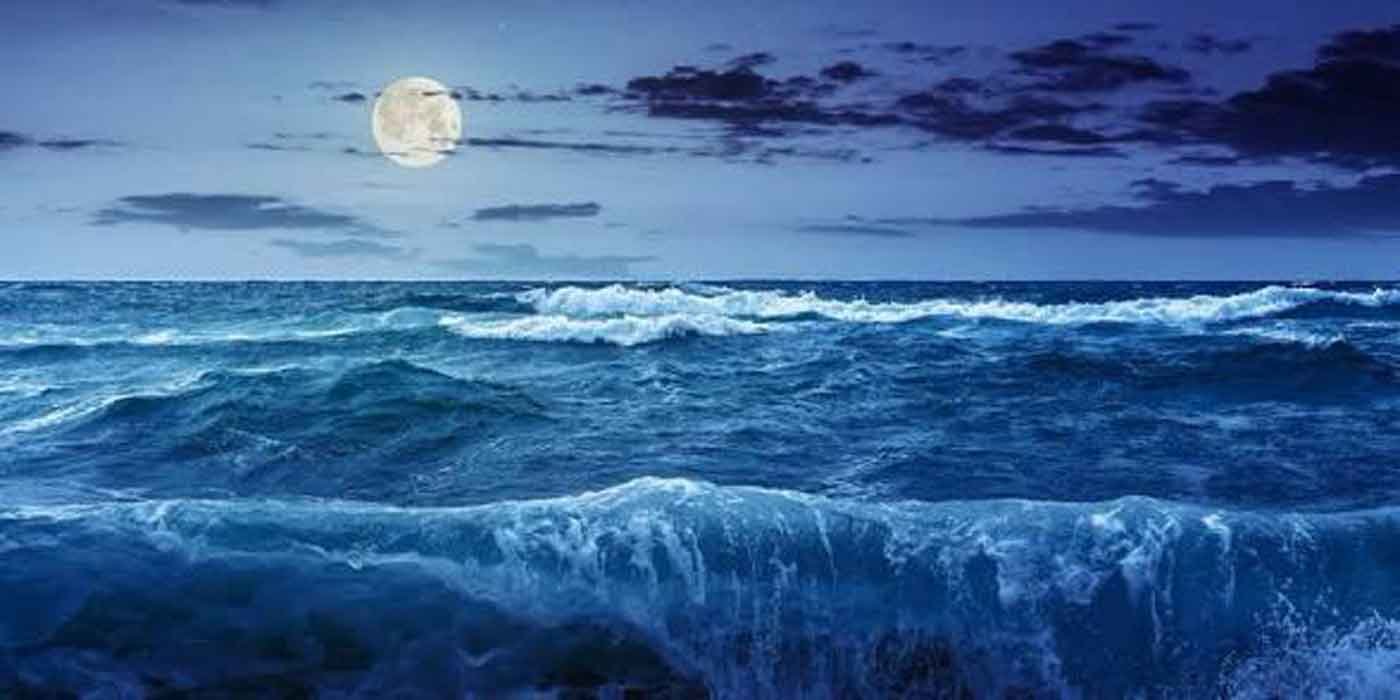
The Moon’s gravitational pull is responsible for Earth’s ocean tides, influencing coastal ecosystems, marine life, and even aspects of climate over long periods. Without the Moon, life on Earth would likely have evolved very differently.
We always see the same side
The Moon rotates on its axis in exactly the same time it takes to orbit Earth, about 27.3 days. This phenomenon, known as tidal locking, means one side of the Moon permanently faces Earth, while the far side remained unseen until spacecraft photographed it.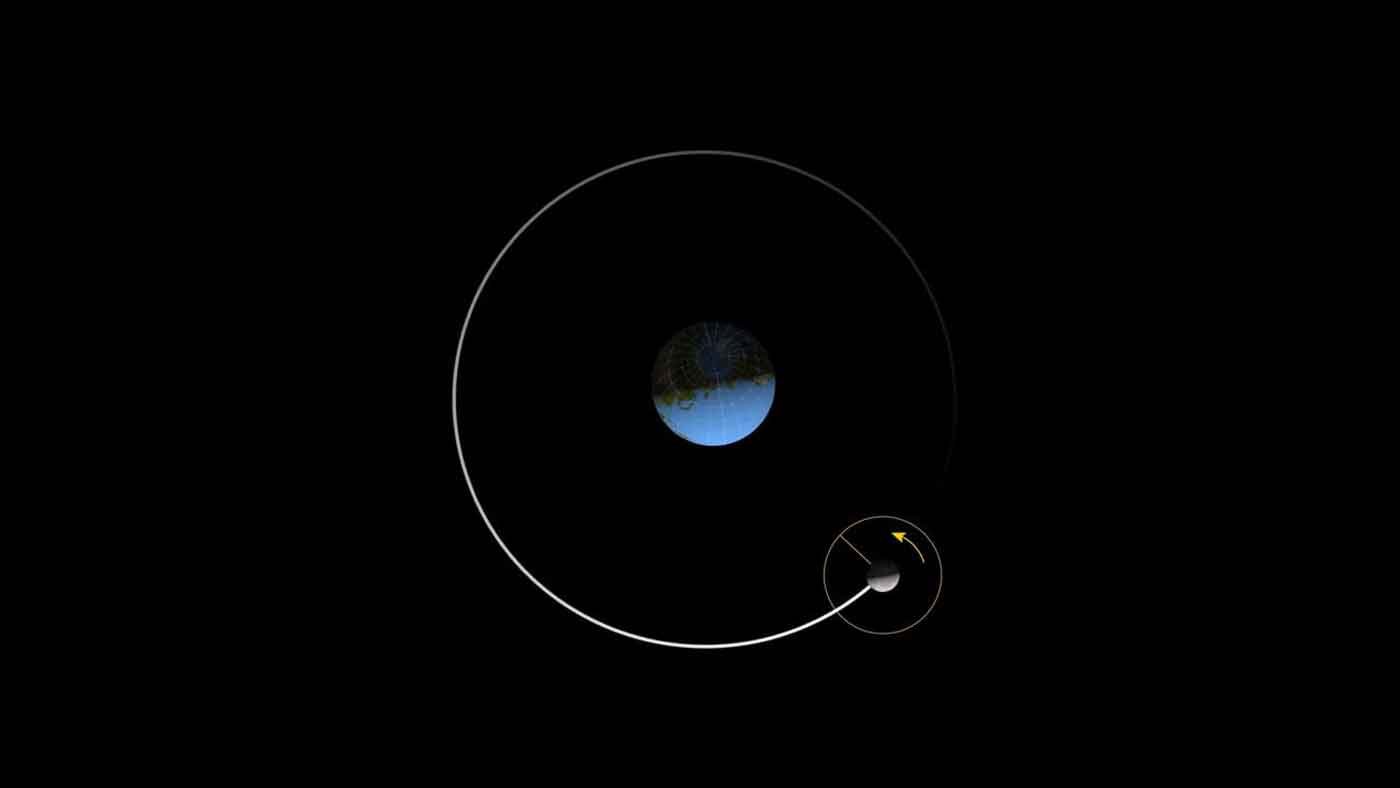
Humans are returning to the Moon
More than five decades after Apollo 11, lunar exploration has entered an exciting new chapter. NASA’s Artemis programme aims to return astronauts to the Moon, while countries including India, Japan, China, and several private space companies are developing missions focused on scientific research, technology development, and preparing for future journeys to Mars.
More than just a celestial neighbour
The Moon has shaped calendars, inspired artists, guided sailors, influenced cultures, and pushed humanity to achieve the seemingly impossible. From the first footprints left by Apollo astronauts to today’s ambitious lunar missions, it continues to remind us that curiosity has always been one of humanity’s greatest strengths.
This International Moon Day, as we celebrate our closest neighbour in space, we also celebrate the spirit of exploration that continues to unite people across nations. After all, every giant leap begins with looking up at the night sky and wondering, what lies beyond?