

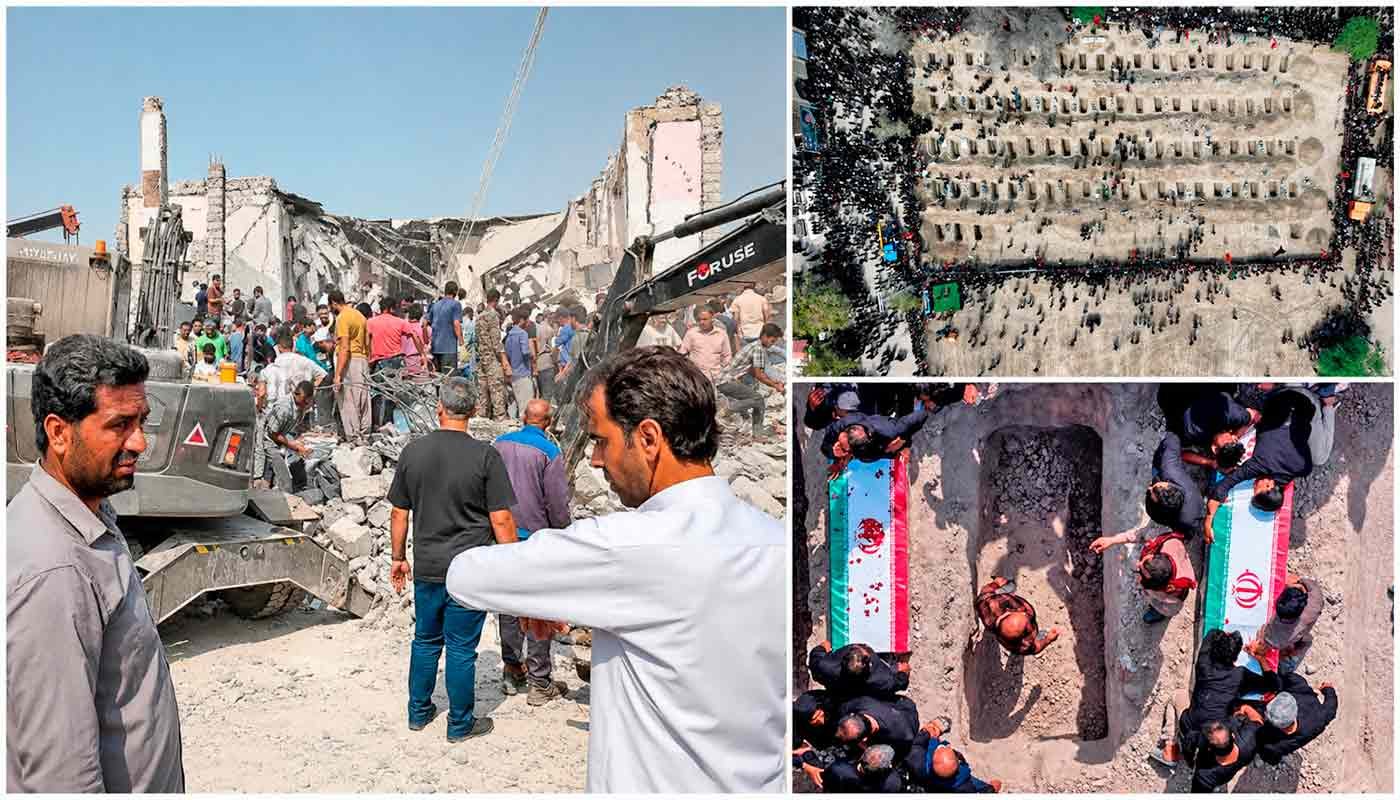
The images emerging from Minab, Iran, are difficult to comprehend. Classrooms reduced to rubble. School bags buried beneath concrete. Parents searching for their children where lessons should have been taking place. The strike on a girls’ elementary school reportedly claimed the lives of more than 170 people, most of them children, making it one of the deadliest civilian incidents of the conflict. Investigations are still underway into exactly how the school came to be struck, with competing narratives surrounding responsibility, but one fact remains beyond dispute: children paid the highest price.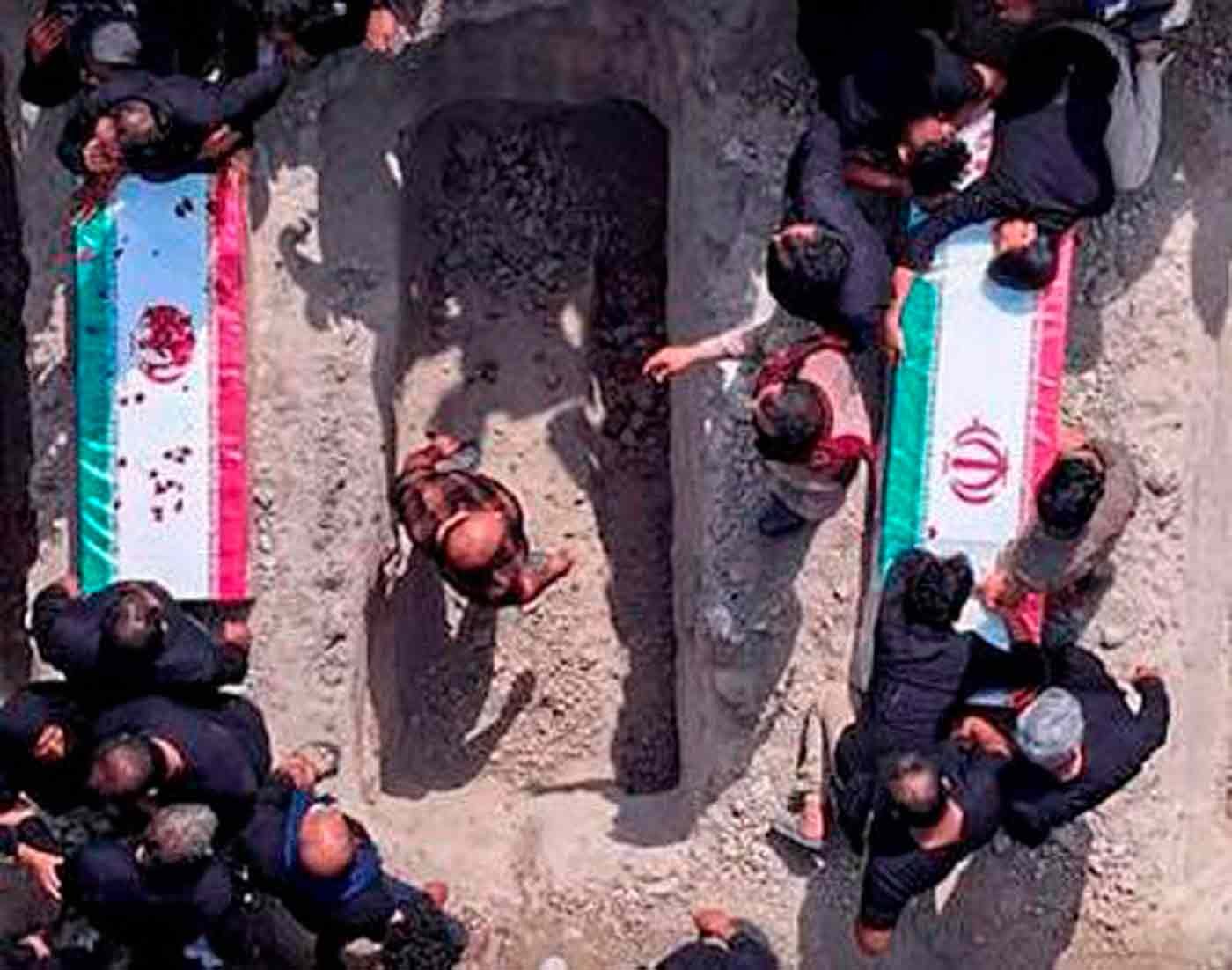
Every war is fought in the name of strategy, security, or politics. Yet every war eventually reaches those who never chose to be part of it. Children do not declare wars. They do not negotiate treaties. They do not make military decisions. Their only expectation is to return home after a day at school. Instead, too many never get that chance.
Schools are meant to be places of learning, curiosity, and hope. International humanitarian law recognizes educational institutions as civilian spaces deserving special protection. When a school becomes a battlefield, the loss extends far beyond lives. Communities lose future doctors, teachers, artists, scientists, and dreamers. A single strike can erase an entire generation’s sense of safety.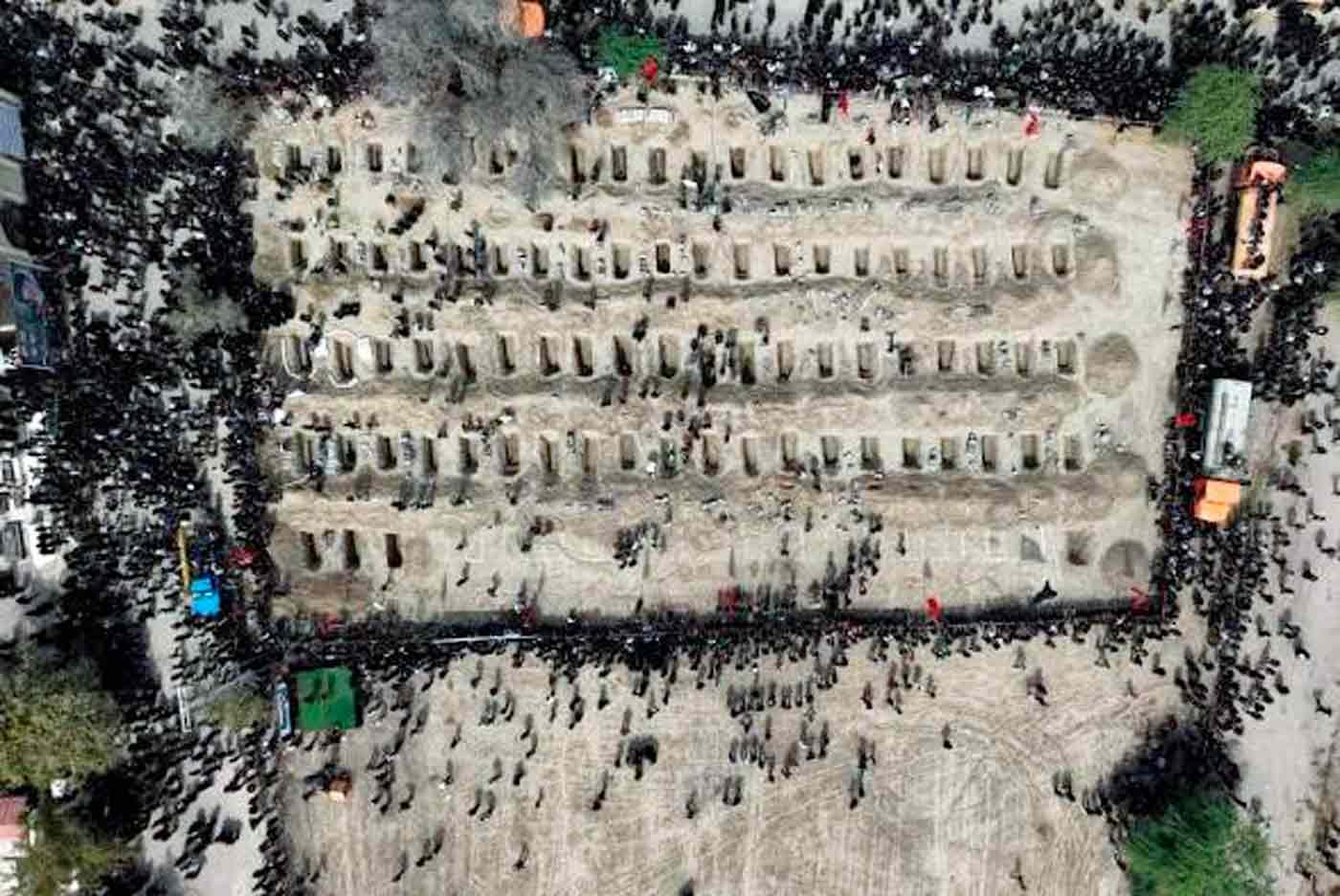
The tragedy also raises uncomfortable questions about modern warfare. Military technology has become increasingly sophisticated, promising greater precision than ever before. Yet incidents involving civilian casualties continue to occur, whether because of flawed intelligence, misidentification, or failures in decision-making. Precision means little if innocent lives are still being lost. Investigations by international media have raised questions about whether outdated intelligence or mistaken targeting contributed to the strike, while officials continue to examine what happened.
Beyond the immediate devastation lies another invisible wound. Children who survive conflict often carry psychological scars for years. Fear replaces curiosity. Classrooms become reminders of trauma rather than places of possibility. Families forced to flee lose not only homes but also access to education, healthcare, and stability. A generation grows up learning the language of survival before it learns the language of opportunity.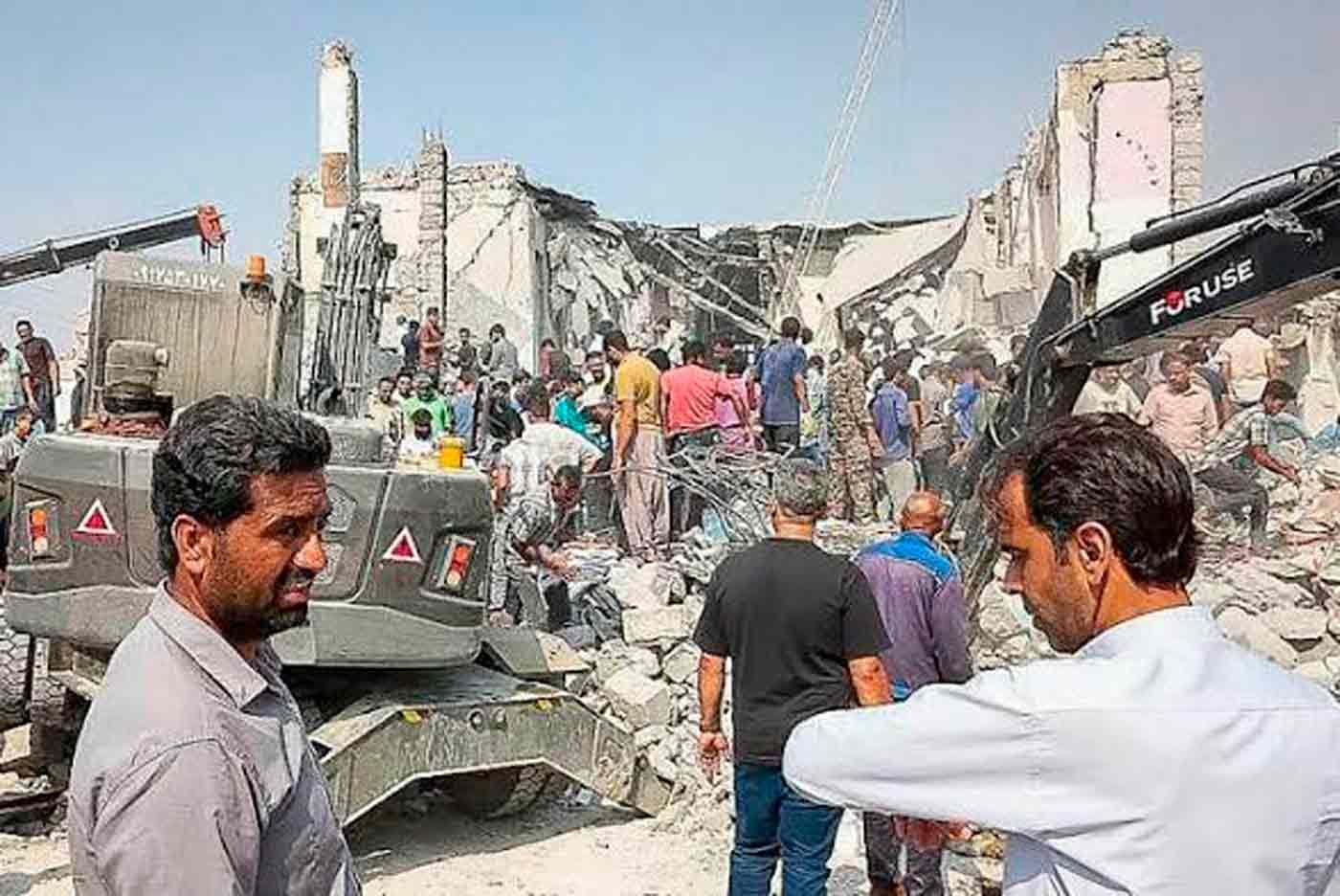
This is not a crisis unique to one country. Across different conflicts around the world, schools have repeatedly found themselves caught in the crossfire. Each incident serves as a reminder that the international community must strengthen efforts to protect civilians, ensure accountability where international law may have been violated, and preserve education even during conflict.
Political disagreements will continue. Borders will continue to be disputed. Governments will continue to disagree over ideology and security. Children should never be part of that equation.
History rarely remembers wars only by the battles that were won. It remembers the civilians who paid the price. It remembers the classrooms left empty. It remembers the families who never received answers. The measure of any society is not how effectively it wages war, but how fiercely it protects those who have no role in fighting it. Because when children become casualties, there are no real victors. Only a shared loss for humanity.