


James Burrows Dies at 85: The Man Behind Friends, Cheers and The Big Bang Theory Leaves Behind Television’s Greatest Legacy
Television lost one of its greatest creative minds with the passing of James Burrows, the legendary sitcom director whose work shaped generations of television viewers and helped define modern comedy. Burrows died at the age of 85 at his home in Manhattan after a battle with cancer, leaving behind a remarkable body of work that transformed the landscape of television entertainment.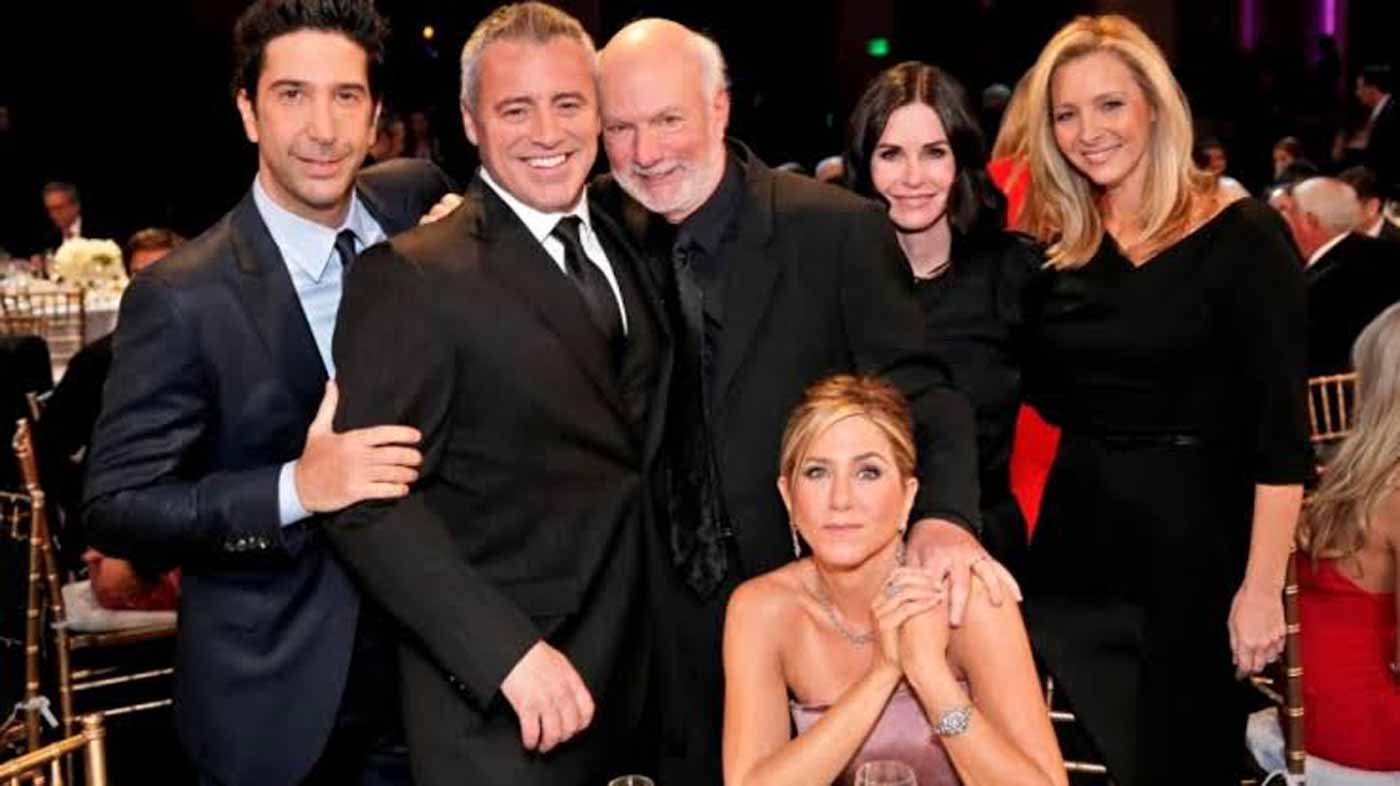
For more than five decades, Burrows stood at the centre of American television comedy, directing over 1,000 episodes and helping create some of the most beloved sitcoms in television history. His extraordinary career included landmark shows such as Cheers, Friends, Frasier, Will & Grace, Taxi, Mike & Molly and The Big Bang Theory.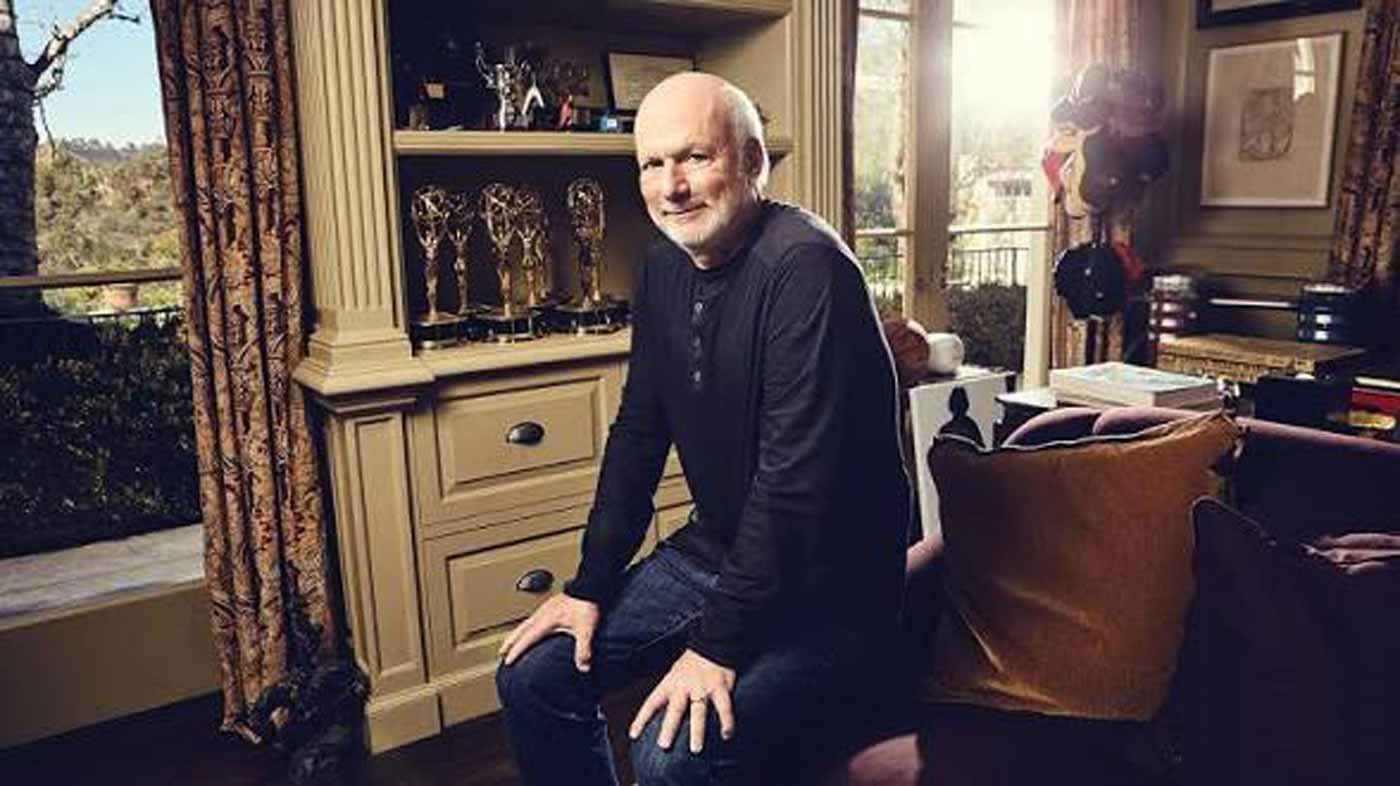
Though millions of viewers may not immediately recognize his face, few television creators have influenced popular culture as profoundly as James Burrows. His understanding of comedy, character relationships and audience connection made him one of the most respected directors in the industry.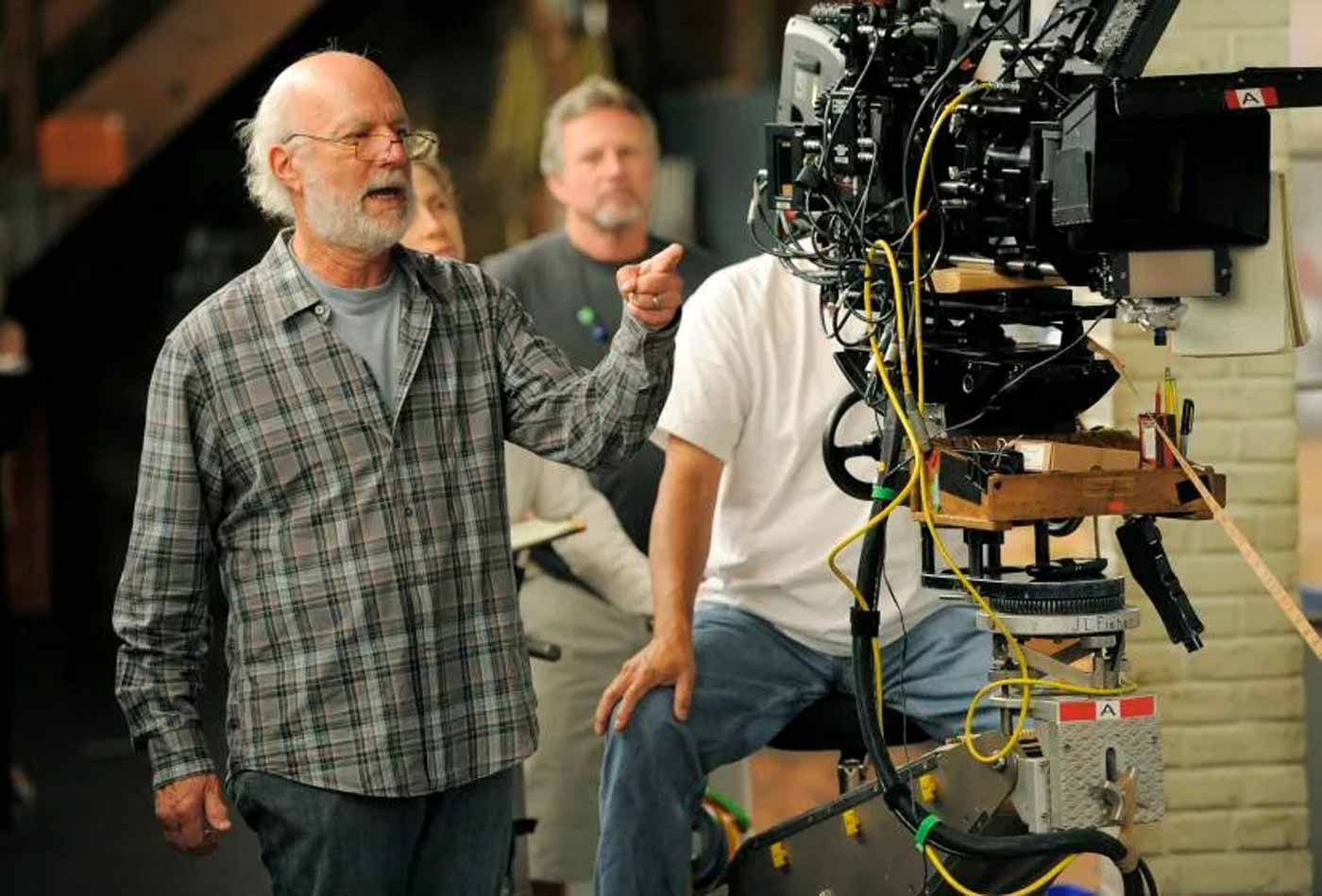
Burrows was born into show business. His father, Abe Burrows, was a renowned playwright and director, and the younger Burrows eventually found his calling in television. Beginning his career in the 1970s, he quickly established himself as a master of multi-camera sitcoms and ensemble storytelling.
His breakthrough came with Taxi and later with Cheers, the iconic sitcom that became one of television’s greatest successes. His ability to guide actors, shape comic timing and create emotional depth made him an indispensable creative force.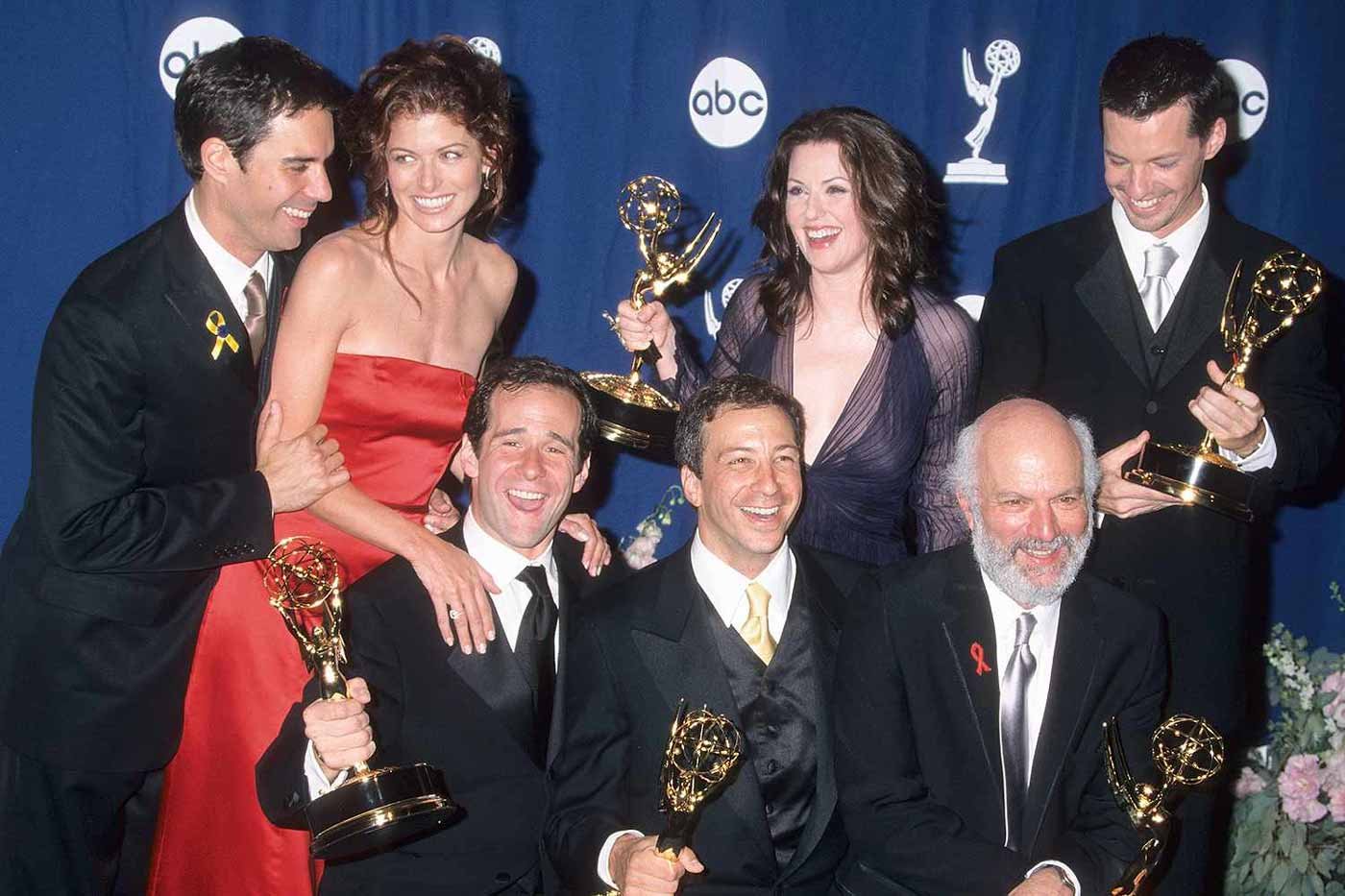
Friends remains one of the most important chapters in his career. Burrows directed the pilot episode and played a pivotal role in helping the young cast discover the chemistry that would eventually make the show a global phenomenon. The relationships he built with the actors continued long after the series ended.
Jennifer Aniston, paying tribute after his death, described him as a father figure and remembered how he supported the cast through some of the most important moments of their lives. She recalled his affectionately referring to the actors as “the kids” and spoke about the encouragement and guidance he provided both on and off the set.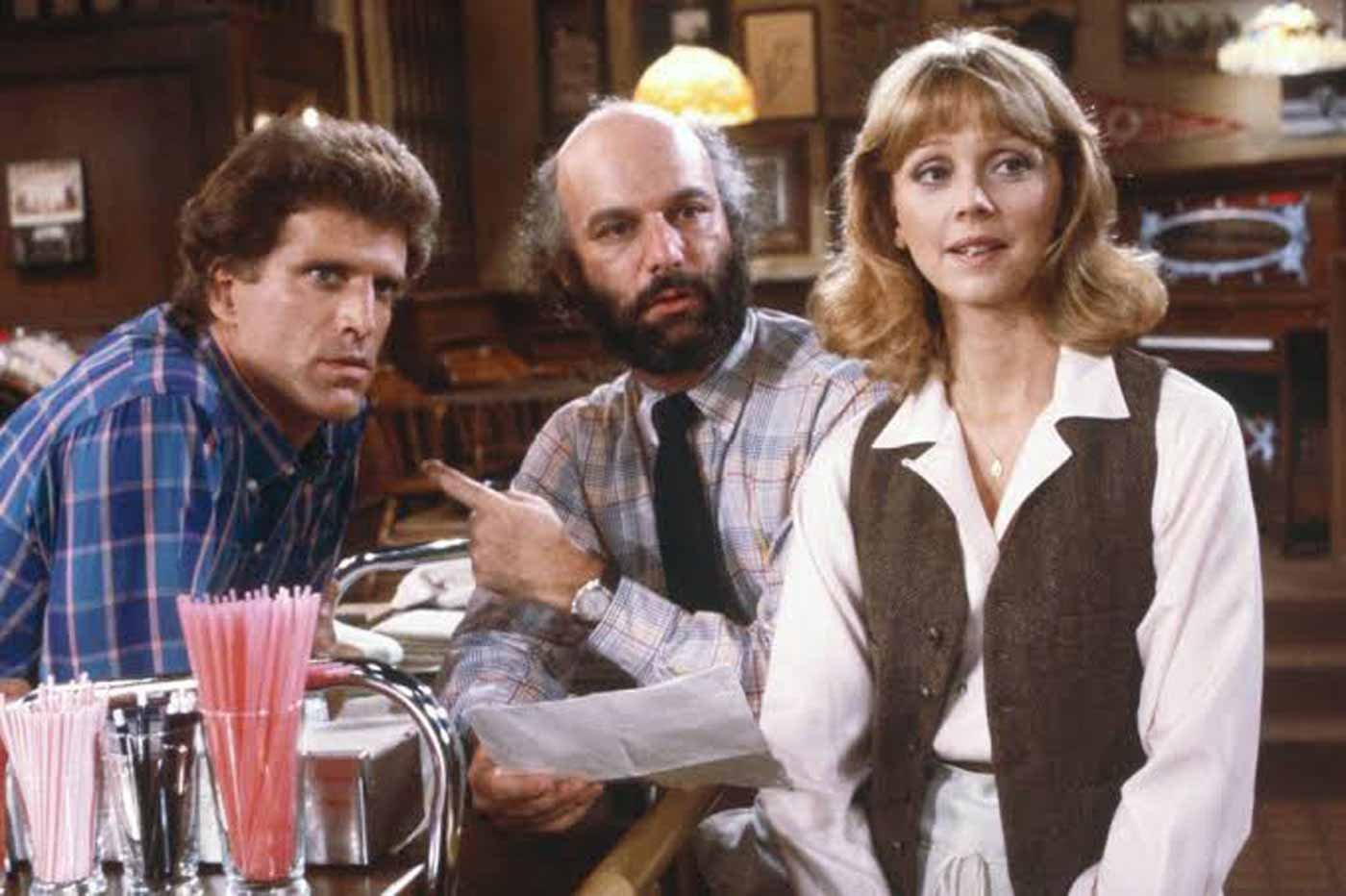
Other members of the Friends cast also remembered him as a mentor whose kindness and confidence helped shape their careers.
For fans of The Big Bang Theory, Burrows occupies a unique place in the show’s history. After the original pilot failed to connect with audiences, he directed the second pilot that ultimately established the show’s tone and chemistry. His contribution helped launch one of the most successful sitcoms of the twenty-first century.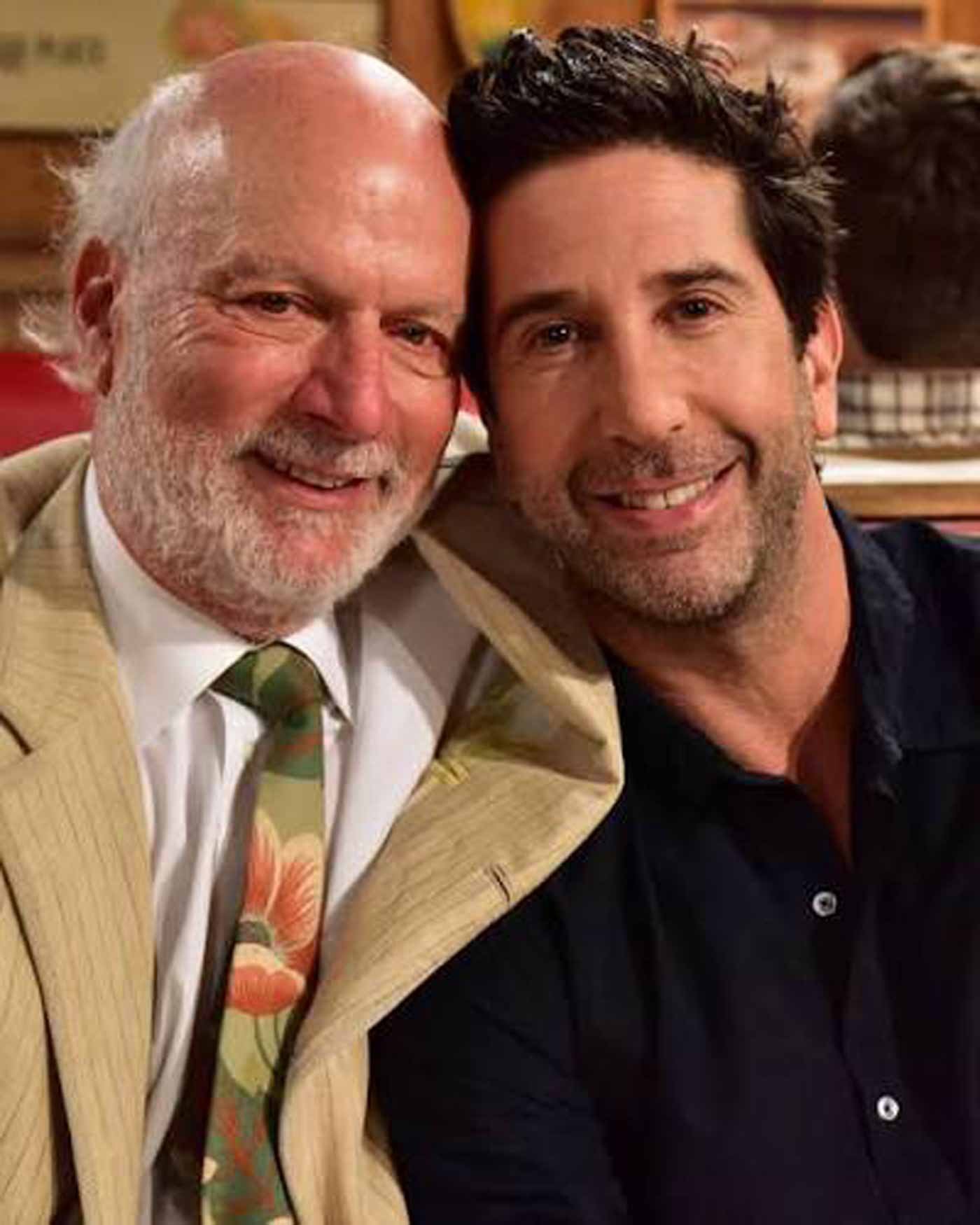
Television writers and fans have frequently acknowledged that Burrows’ instincts for ensemble comedy and character relationships played a critical role in the series’ eventual success.
The news of his passing prompted an outpouring of tributes across social media platforms. Actors, writers, producers and directors shared memories of a man many affectionately called Jimmy. Colleagues spoke about his generosity, his patience and his extraordinary ability to bring out the best in performers.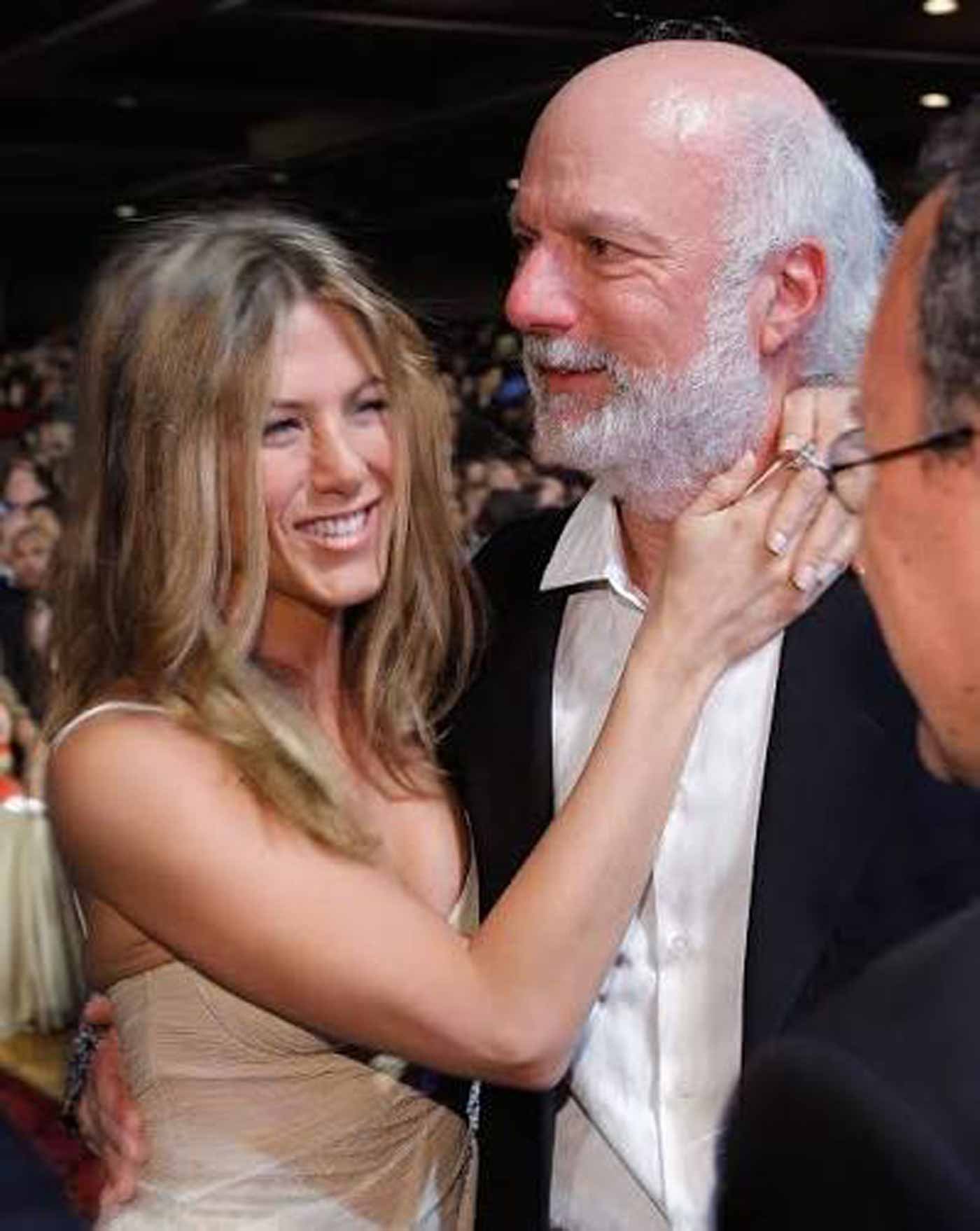
In 2016, NBC celebrated Burrows’ achievement of directing 1,000 television episodes with an all-star tribute that reunited cast members from Friends, Cheers, Frasier, Will & Grace and The Big Bang Theory. The special served as a testament to the enormous influence he had across multiple generations of television.
Burrows often explained that comedy was both instinct and hard work. In a memorable interview, he once said, “My mind is never a blank. If something isn’t funny, I’ll try nine ways to make it funny.”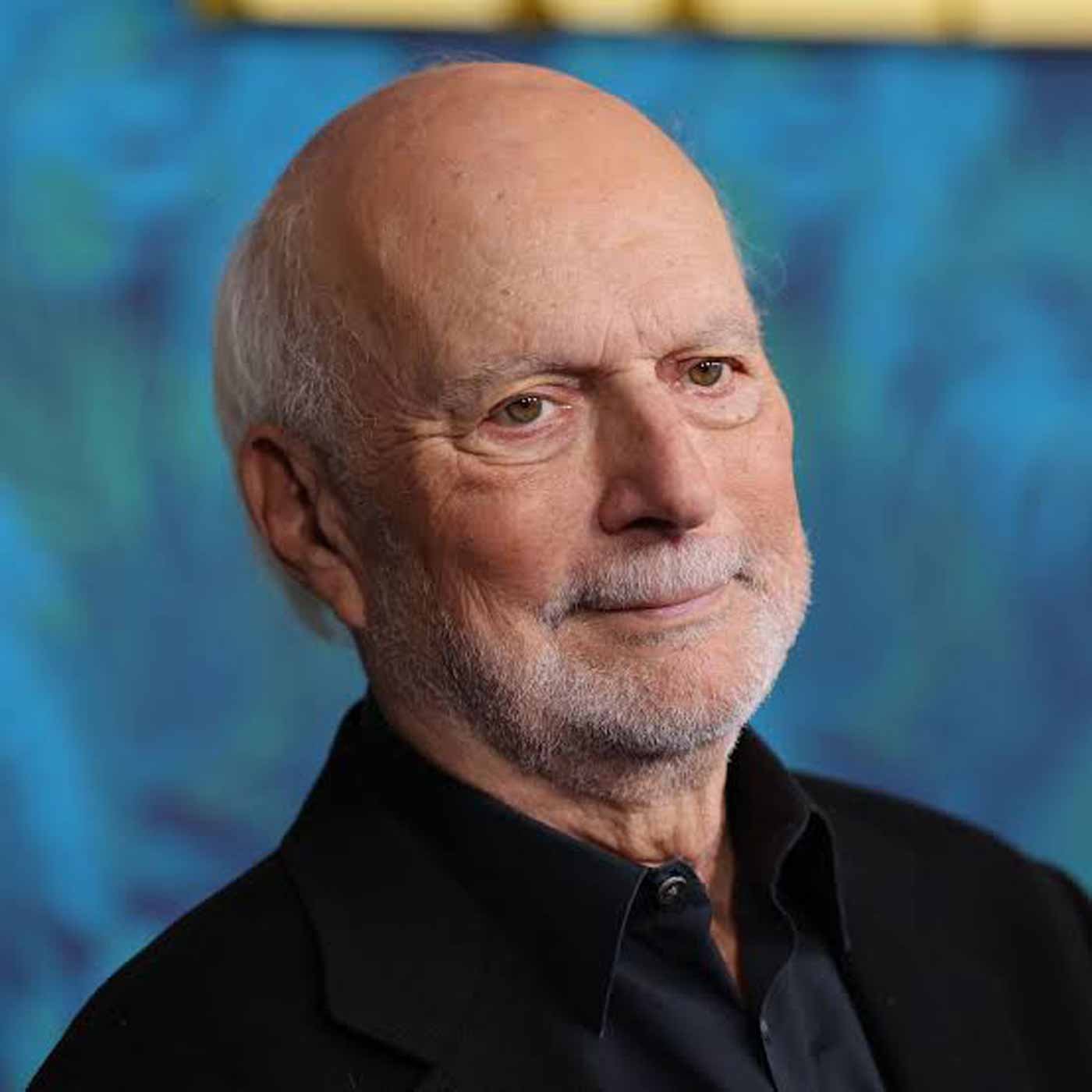
That philosophy defined his career. Yet his greatest gift was not simply making people laugh. It was understanding that comedy succeeds when audiences care deeply about the characters on screen.
The worlds of Central Perk, the Cheers bar, Seattle radio stations and Pasadena apartments became cultural landmarks because Burrows helped make their characters feel authentic and relatable.
His influence extended beyond the shows themselves. Actors repeatedly described him as a teacher and mentor who made them feel comfortable, encouraged experimentation and helped build confidence.
As Hollywood mourns his loss, James Burrows leaves behind an extraordinary legacy that continues to shape television. His work remains timeless because it was built on warmth, humanity and an understanding of relationships that transcended generations.
Television may continue to evolve, but the lessons James Burrows taught about storytelling, timing and human connection remain enduring.
Some directors create episodes.
James Burrows created memories.
And every time audiences revisit Friends, Cheers, Frasier or The Big Bang Theory, they will also be revisiting the legacy of the man who taught television how to laugh.