
Jay Kelly review: A quiet return to Hollywood’s lost melody
Jay Kelly review by Kausalya Rachavelpula
Jay Kelly is one of those rare films that quietly slip into the world and then manage to rise far above the expectations set by their trailers. Directed by Noah Baumbach and co-written with Emily Mortimer, the film carries the gentle, thoughtful tone that both filmmakers are known for. Yet it also offers something more: a soft, steady melody of emotion that feels like a return to a kind of Hollywood storytelling that has become far too rare.
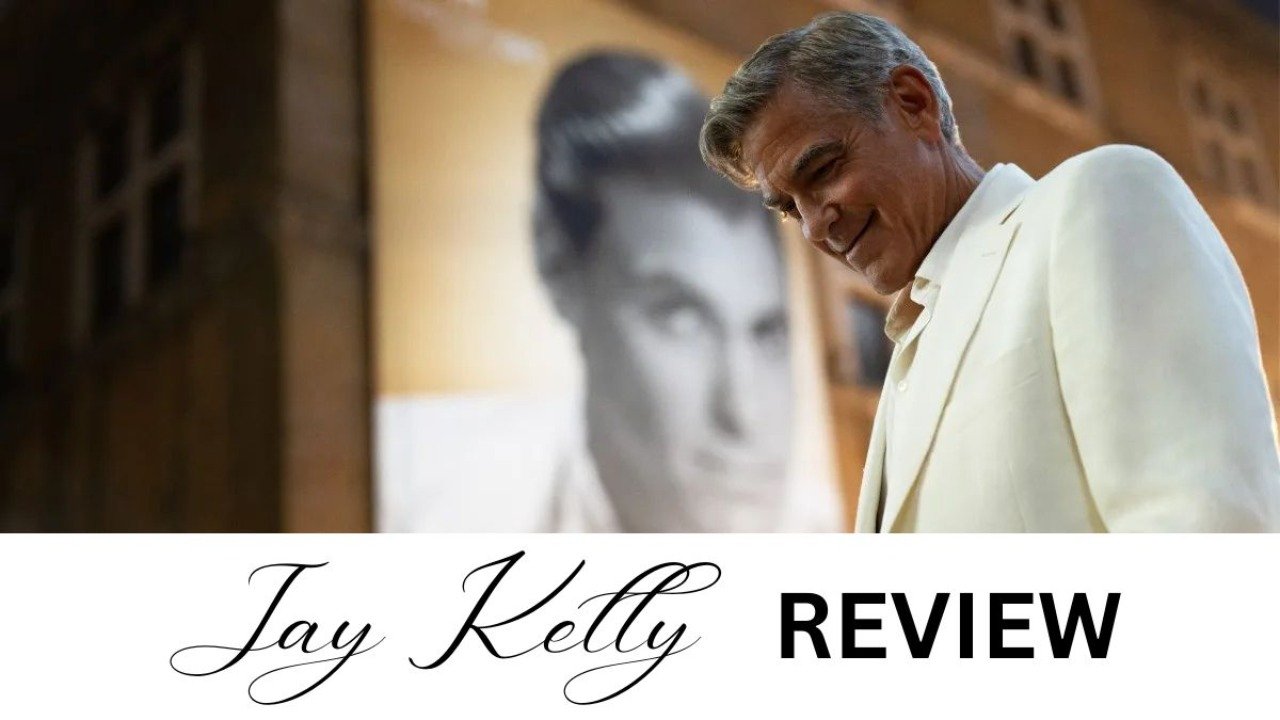
The film follows George Clooney as an ageing, world-famous actor travelling across Europe with his loyal team and his long-time manager, played by Adam Sandler. On the surface, it is a simple journey: hotels, airports, quiet dinners, hurried press events. But beneath all that, the film builds a reflective space where the character looks back on his life, questioning his choices, the people he has loved, and the legacy he fears he might leave behind. Clooney plays this role with a warm, weary charm, and Sandler gives one of his most grounded and honest performances yet. It is no surprise that both received Golden Globe nominations.
From the first scene, the film moves like a melodious song, slow, steady, and beautifully arranged. There is a softness in its pacing, supported by romantic, almost nostalgic music that wraps around the story like a gentle embrace. Watching it feels a bit like watching an old favourite film from a time when Hollywood still made quiet, character-driven dramas without rushing to please every possible audience. It is refreshing, soothing, and strangely comforting.
The story also touches on a question many successful people quietly fear: did they truly earn their success, or was it only luck, or even worse, did they take an opportunity that belonged to someone else? The film answers this with a gentle reassurance. It suggests that life unfolds as it should, and that the rewards people receive often come when they deserve them. This adds a layer of sweet, comforting clarity, easing the character’s, and perhaps the audience’s, self-doubt about the origins of achievement.
However, the film is not without its flaws, and the clearest one lies in the portrayal of the main character’s eldest daughter. Her anger, resentment, and constant blaming of her father feel somewhat exaggerated and not entirely convincing. The film suggests that she carries deep childhood trauma, yet we are also shown scenes where she appears happy during her teenage years. Because of this, her bitterness in adulthood seems to come and go without clear emotional grounding.
It is completely natural for children to confront their parents about past mistakes, especially once they grow old enough to understand the weight of their own disappointments. But at some point, most adults also begin to recognise why their parents behaved the way they did. In Jay Kelly, the daughter appears stuck in her self-pity, placing all responsibility for her lack of success on her father, even though her own choices clearly play a role. This makes her seem less like a complex character and more like someone unable to move forward. A little more depth, or a clearer picture of her painful memories, would have made her struggle feel more believable.
Aside from this, the film paints a rich and touching picture of life behind fame. One of its strongest elements is how it shows the people around a successful actor, managers, assistants, friends, who absorb the stress and emotional weight that come with fame. Sandler’s character, in particular, represents the quiet sacrifices made by those who stand just outside the spotlight. His loyalty, frustration, and unspoken exhaustion form one of the film’s most moving threads.
By the time the credits roll, Jay Kelly leaves behind a lingering feeling, sad, warm, and reflective all at once. It is the kind of film that reminds us that cinema can still be gentle without being dull, emotional without being dramatic, and meaningful without being complicated. It is almost a shame that films like this seldom get a proper theatrical release anymore, because the big screen would have suited its beauty perfectly.
Jay Kelly review: In the end, Jay Kelly is not just a film about a movie star. It is a quiet reminder that, as one line in the film says, “That’s what movies are for us… Pieces of time.” And this one is a piece worth holding on to.