
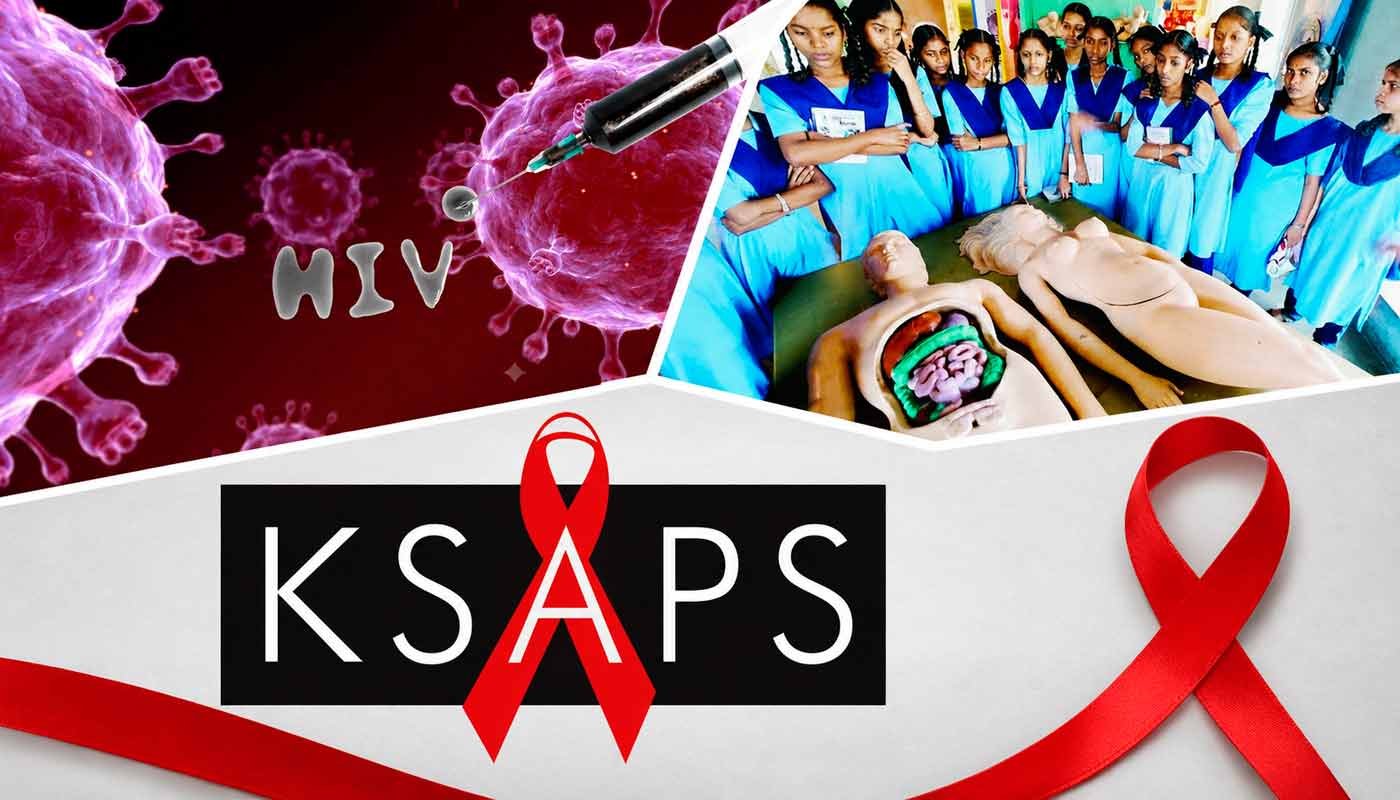
For generations, India has treated sex as an uncomfortable conversation. Unfortunately, HIV doesn’t care about social taboos. Karnataka’s decision to introduce integrated HIV testing and counselling camps across engineering and degree colleges has brought a difficult reality back into public discussion. Behind the numbers lies a much larger concern: thousands of young Indians continue to enter adulthood without receiving basic, scientifically accurate information about sexual health.
Why Karnataka Is Taking This Step
On the request of the Karnataka State AIDS Prevention Society (KSAPS), Visvesvaraya Technological University (VTU) and the Collegiate Education Department have begun conducting integrated health camps offering HIV testing and counselling for students across colleges. The decision comes amid worrying data.
According to the National AIDS Control Organization’s Sankalp: Status of National AIDS and STD Response 2024, Karnataka ranks third in India in the number of people living with HIV. The state currently has approximately 2.6 lakh people living with HIV, with nearly 2.5 lakh receiving antiretroviral therapy (ART). However, authorities estimate that around 54,000 people remain unaware of their HIV status, making early diagnosis one of the state’s biggest public health priorities.
Even more concerning is the age distribution.
The number of HIV-positive individuals between 18 and 35 years reportedly increased from 45,500 in 2023–24 to around 66,600 in 2025–26. Recent reports also indicate that more than 7,000 young people aged 18–25 have been diagnosed with HIV.
Understanding the 95-95-99 Goal
KSAPS has also urged institutions to support the 95-95-99 public health targets.
The goals are straightforward:
- Ensure 95% of people living with HIV know their status.
- Link 95% of diagnosed individuals to treatment.
- Achieve viral suppression for 95% (or the target specified by the programme) of those receiving treatment, reducing transmission and improving long-term health outcomes.
These targets rely on one thing above everything else: awareness.
Silence Is Not Prevention
Many young people learn about sex through social media, pornography, friends, or misinformation instead of structured health education. This creates dangerous myths. Some mistakenly believe HIV is only a concern for certain communities. Others wrongly assume that condoms are unnecessary in some sexual situations or do not fully understand how HIV and other sexually transmitted infections are transmitted and prevented.
Accurate sex education does not encourage sexual activity. It equips young people with the knowledge to make informed, safer decisions whenever they become sexually active.
Why Sex Education Matters
Sex has existed throughout human history. Pretending otherwise has never prevented people from having relationships. What comprehensive sex education can do is reduce misinformation, encourage consent, explain contraception, promote condom use, improve understanding of sexually transmitted infections, and help young people seek medical care without shame.
Countries that invest in evidence-based sexual health education consistently report better awareness, earlier testing, and healthier outcomes.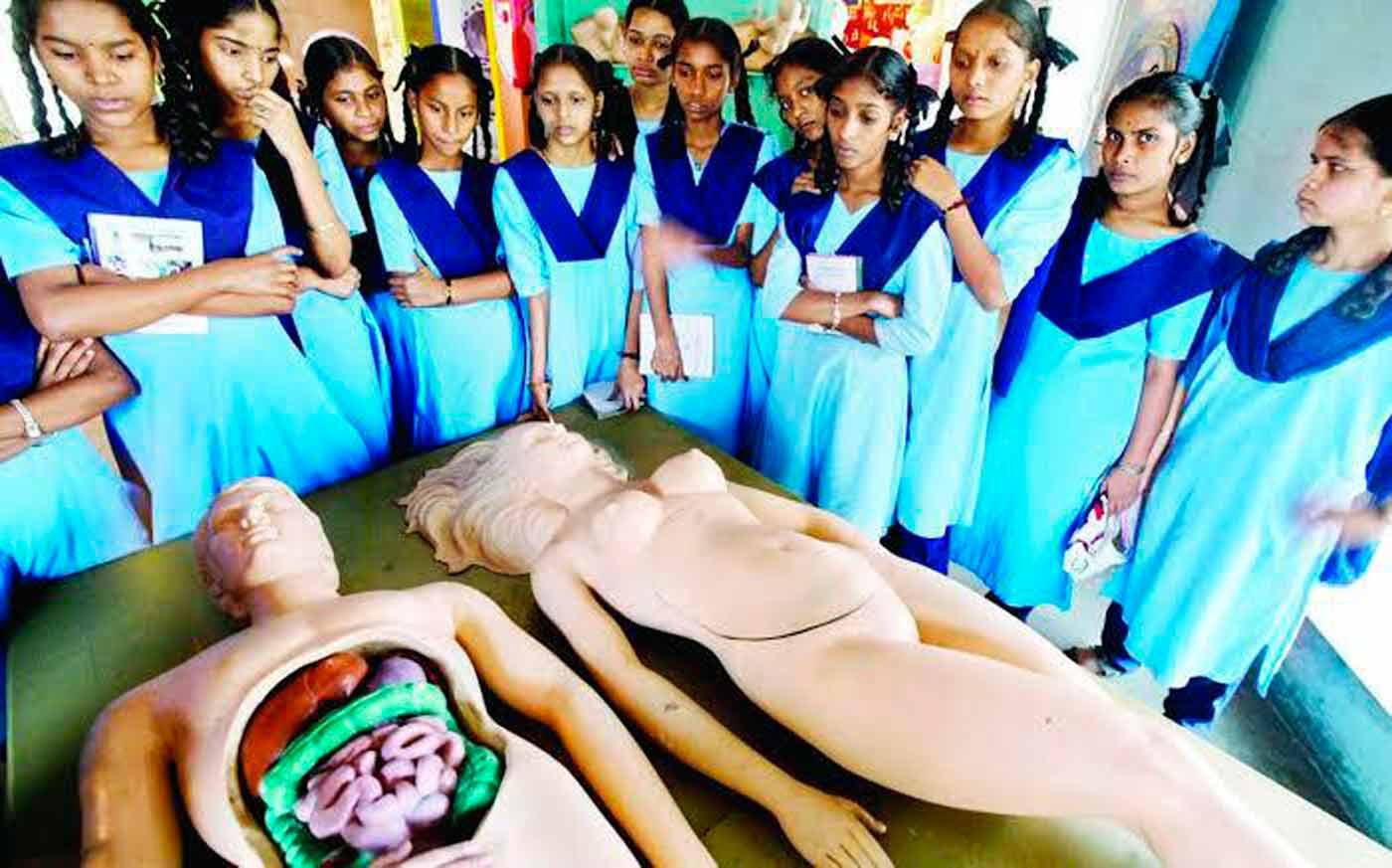
Testing Should Never Be Stigmatized
One of the biggest barriers to HIV prevention remains fear. Many people avoid testing because they worry about social judgment rather than the disease itself. In reality, HIV is no longer the death sentence it once was. With early diagnosis and consistent antiretroviral therapy, many people living with HIV can lead long, healthy lives and dramatically reduce the chance of transmitting the virus to others.
Early testing saves lives. Late diagnosis costs them.
The Future of Public Health Depends on Honest Conversations
India’s youth represent the country’s future. Protecting them requires more than hospital infrastructure and awareness campaigns. It requires honest conversations in classrooms, colleges, and homes.
Karnataka’s testing initiative is an important public health measure. But testing alone cannot solve the problem. If young people continue to grow up without accurate information about sexual health, consent, contraception, and HIV prevention, the gap between awareness and reality will only widen.
Science should never be treated as taboo. Because informed choices, not silence, are one of the strongest tools we have against HIV.