
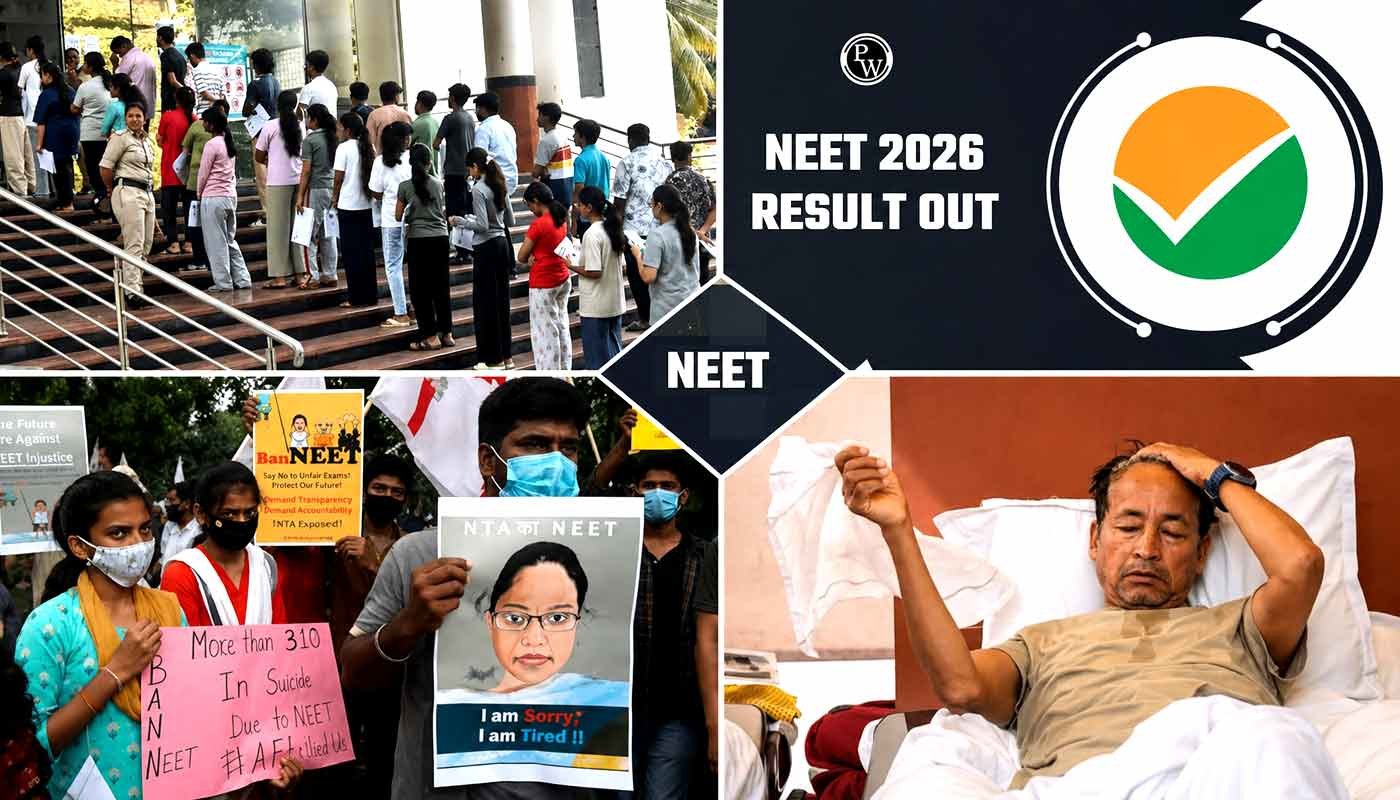
The NEET 2026 results are finally here. For lakhs of students, months ,if not years, of relentless preparation have culminated in a scorecard that could determine the next chapter of their lives. To every student who secured the result they hoped for: congratulations. To those who didn’t, remember that one examination does not define your worth or your future.
But once the celebrations fade, an uncomfortable question remains. What about everything that happened before these results?
The paper leak allegations. The uncertainty. The calls for a re-examination. The emotional distress experienced by students and families across the country. The allegations of systemic failures.
The public outrage over accountability.
The debate surrounding the 2026 NEET cycle was never only about marks. It became a conversation about trust in one of India’s most important competitive examinations. For thousands of aspirants, the biggest loss wasn’t simply time, it was confidence in the fairness of the system.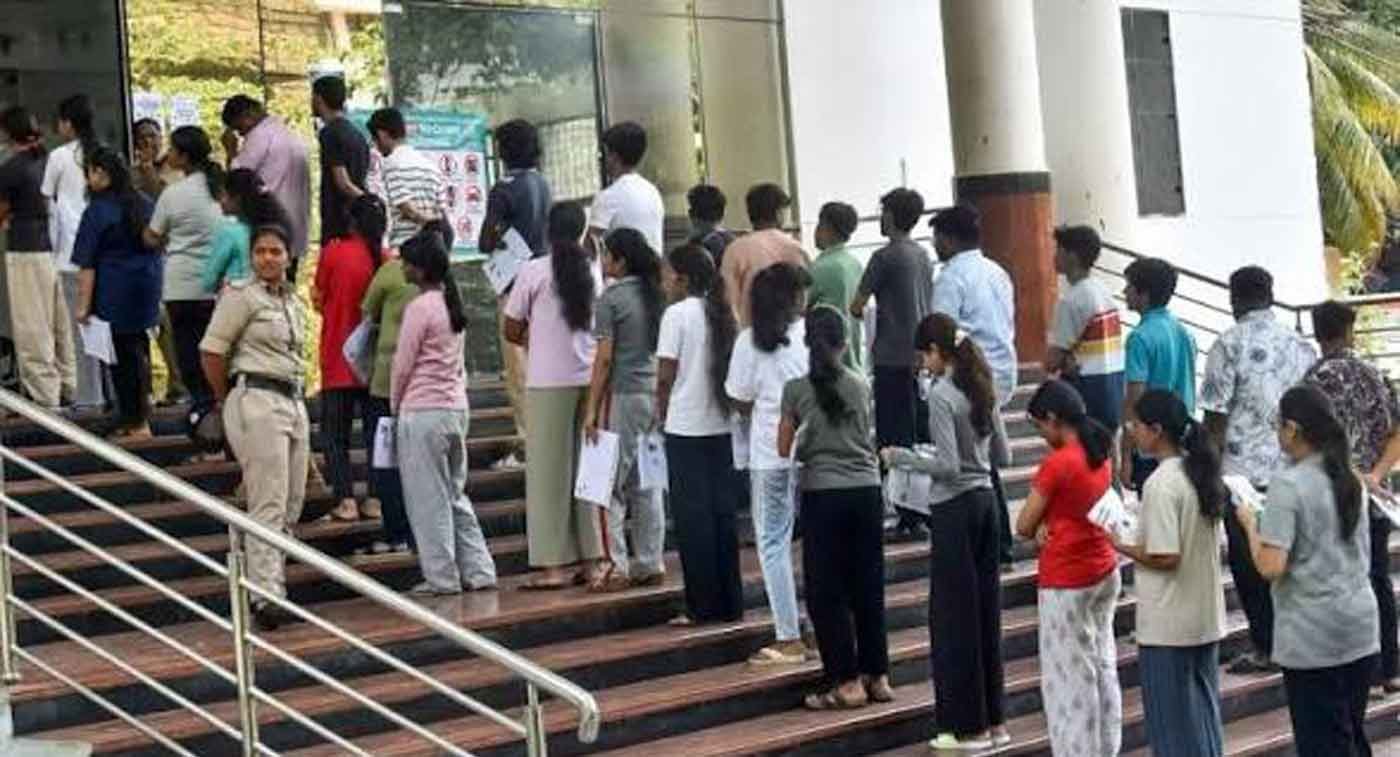
Throughout the controversy, students, parents, teachers, and activists demanded greater transparency and stronger safeguards against future irregularities. Many also called for political and administrative accountability.
Among the most prominent voices was education reformer Sonam Wangchuk, whose fast drew national attention to concerns about examination integrity and broader issues within India’s education system. His protest became symbolic of a larger demand: that students deserve an examination system they can trust.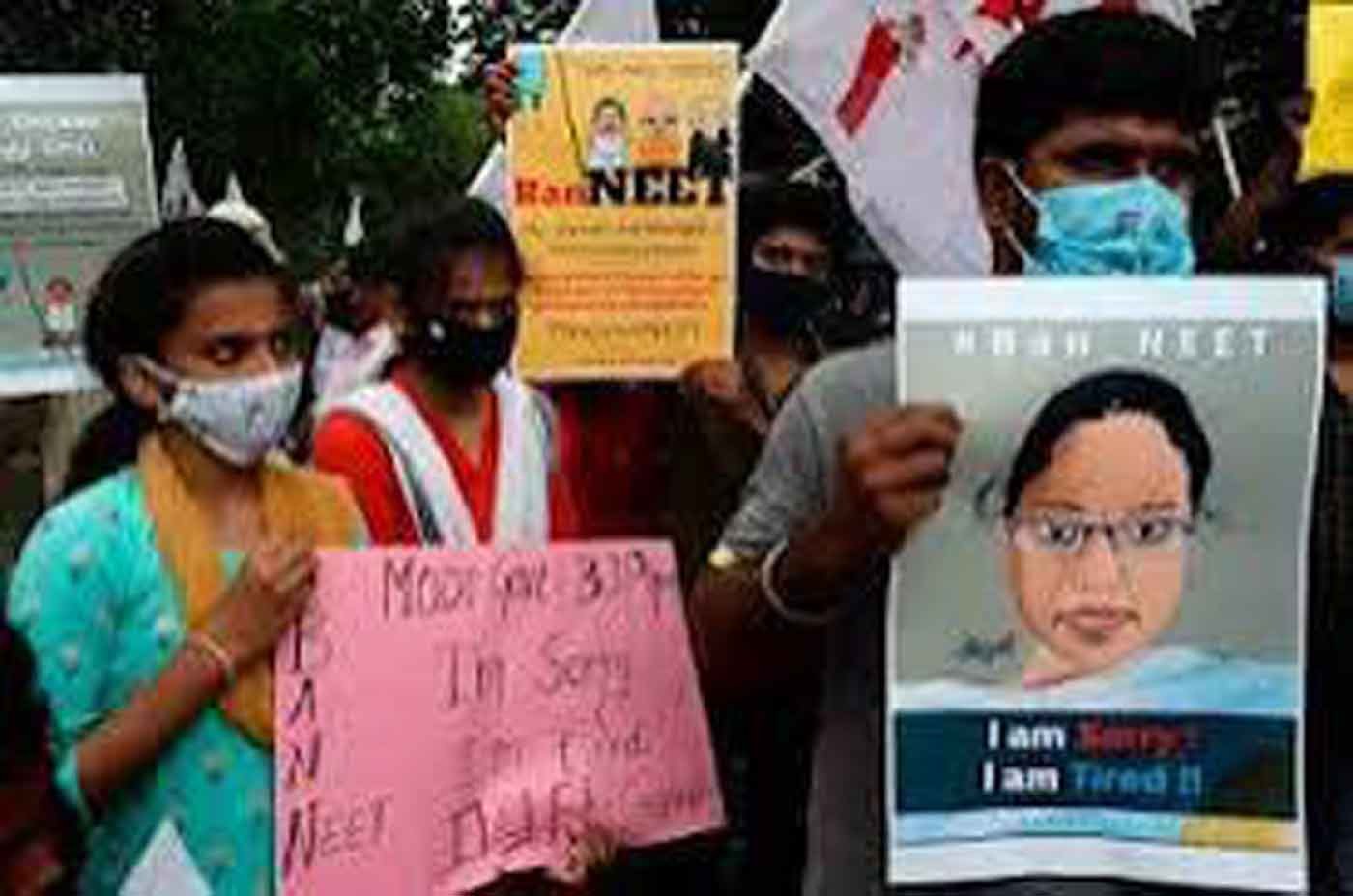
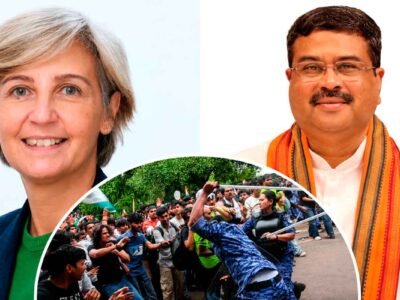
Meanwhile, opposition leaders and education activists questioned whether enough responsibility had been taken for the events that unfolded. Education Minister Dharmendra Pradhan faced sustained criticism and repeated demands for accountability, while debates over administrative responsibility continued in Parliament and beyond.
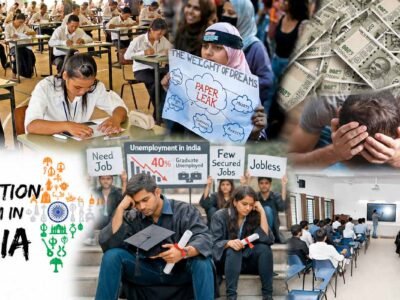
The controversy also sparked discussions about the immense psychological burden carried by India’s competitive exam aspirants. Mental health experts have repeatedly warned that high-stakes examinations, especially when accompanied by uncertainty or allegations of unfairness, can significantly amplify anxiety and emotional distress among students.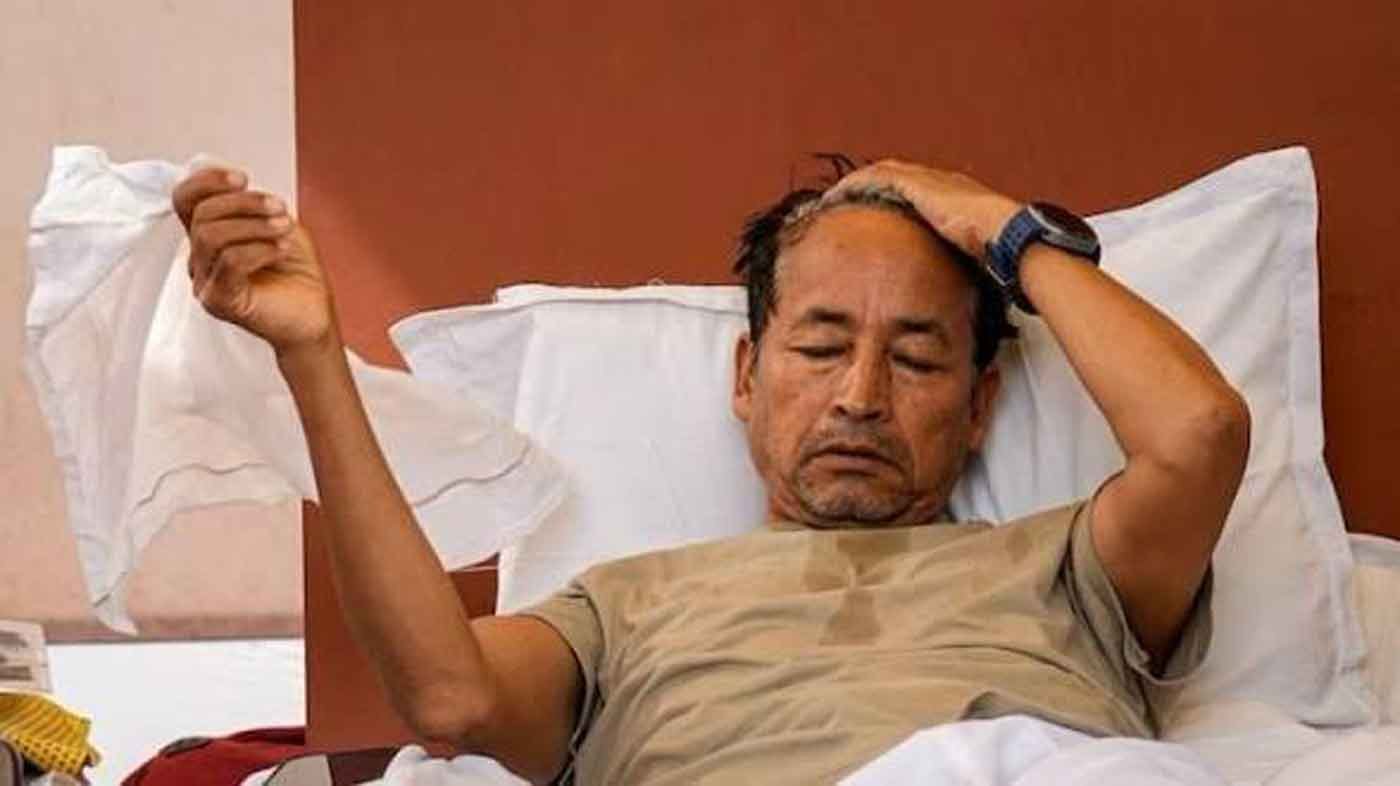
The release of the results may bring closure to the examination process. It does not automatically resolve the concerns that emerged during it. If anything, this year’s events have highlighted the urgent need for stronger examination security, transparent investigations into alleged irregularities, better mental health support for students, and institutional accountability whenever public trust is shaken.
A competitive examination should reward merit. Equally important, it must inspire confidence that merit alone determines the outcome. Because students can prepare for difficult questions.
What they should never have to prepare for is uncertainty about whether the system itself is fair. The results may be declared. The larger conversation about accountability, transparency, and rebuilding trust in India’s education system is far from over.