
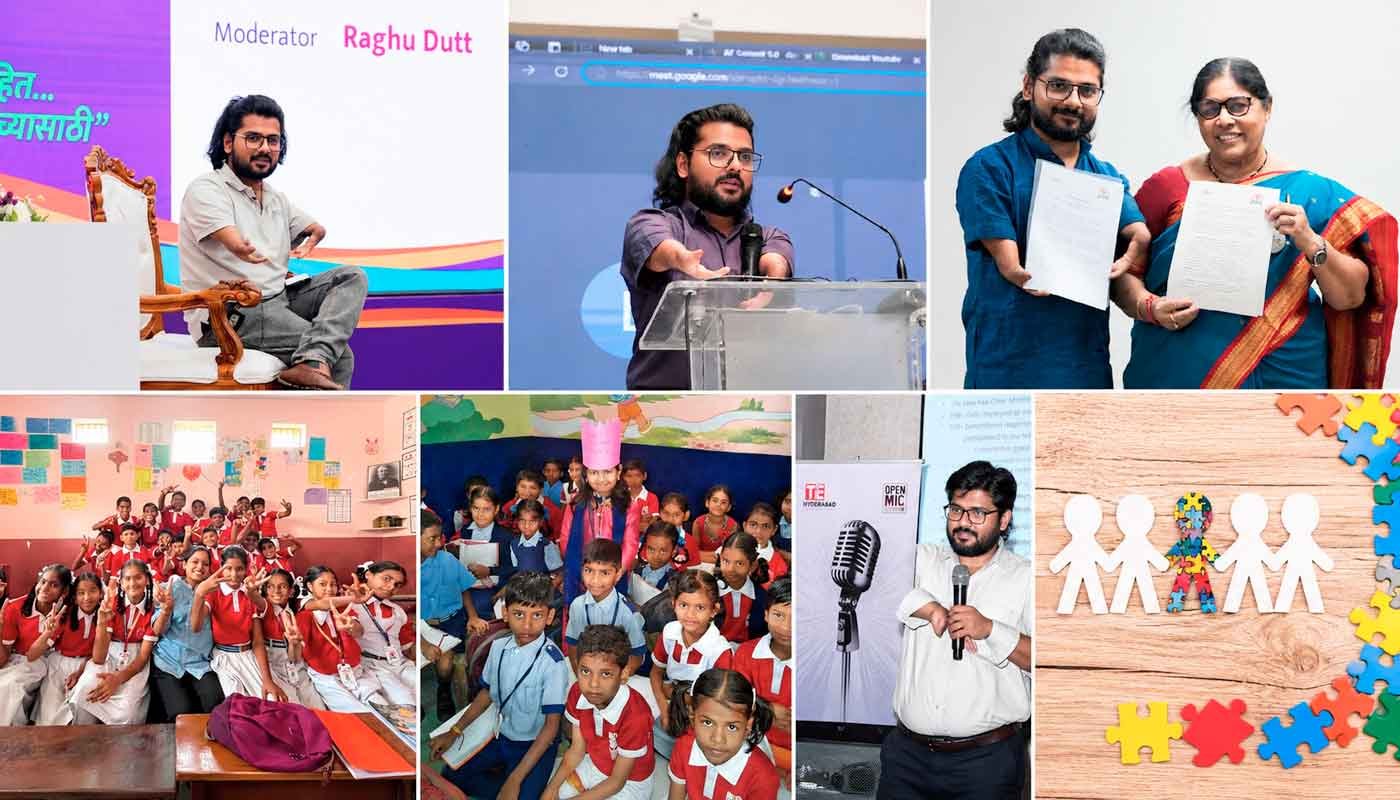
From an experience of rejection to a seven-year journey of social impact, Raghu Duth Degala’s TheGoodTalkFactory is creating spaces for education, inclusion, accessibility and unheard stories.
That philosophy is now coming together in TGTF’s collaboration with Akan Hyderabad’s Independence Day fundraiser lunch Akan Aahvaanam 2026 to aid autism awareness and support, child education and livelihoods, and accessibility and inclusion.
Some organisations begin with a grand vision. TheGoodTalkFactory began with a rejection.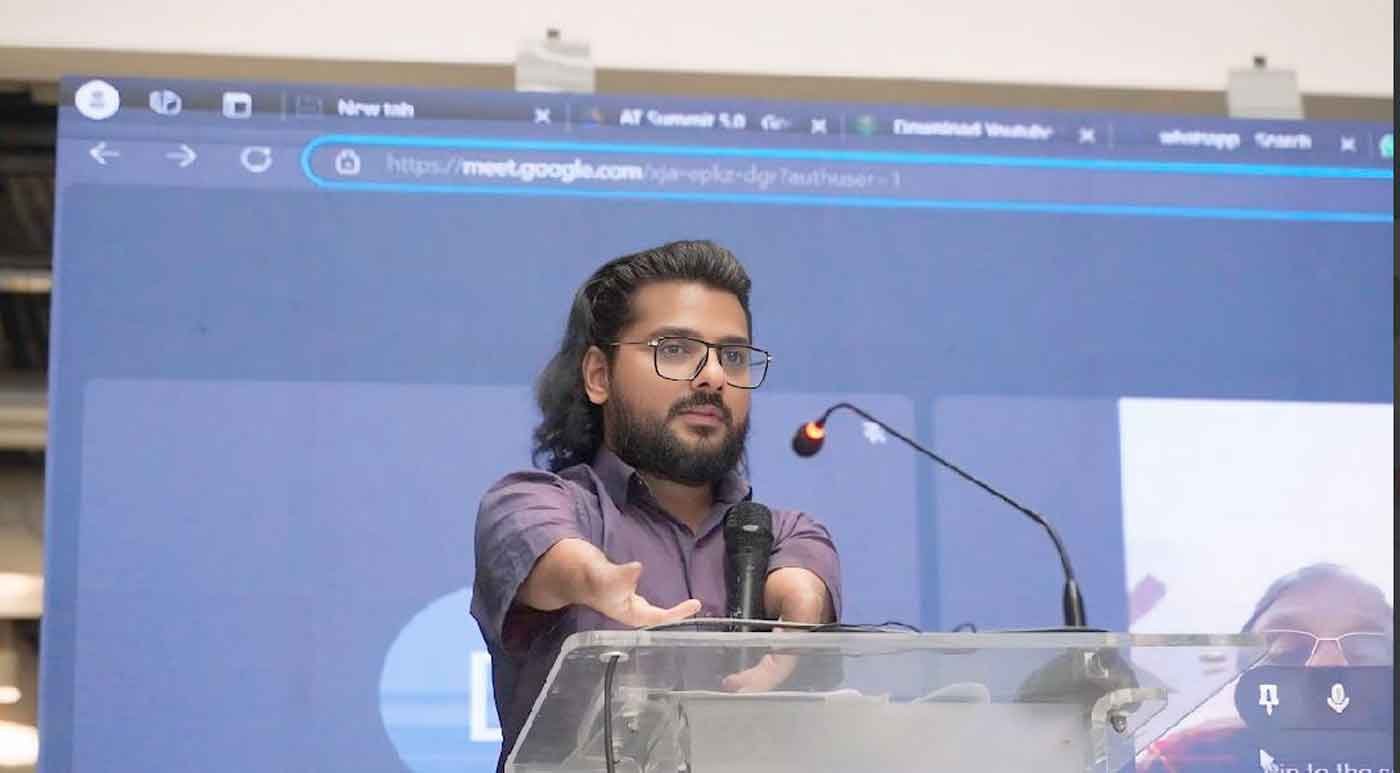
In 2018, Raghu Duth Degala was suggested as a potential speaker for an organisation that wanted to showcase inspiring stories. Raghu had already spent years working in training and development, counselling and life-skills development. But there was one problem: he was not on social media.
His story, despite its substance, was rejected. Rather than allowing the experience to end there, Raghu began questioning why certain stories were considered worthy of being heard while others were overlooked simply because the people behind them were not famous.
That question eventually became TheGoodTalkFactory (TGTF).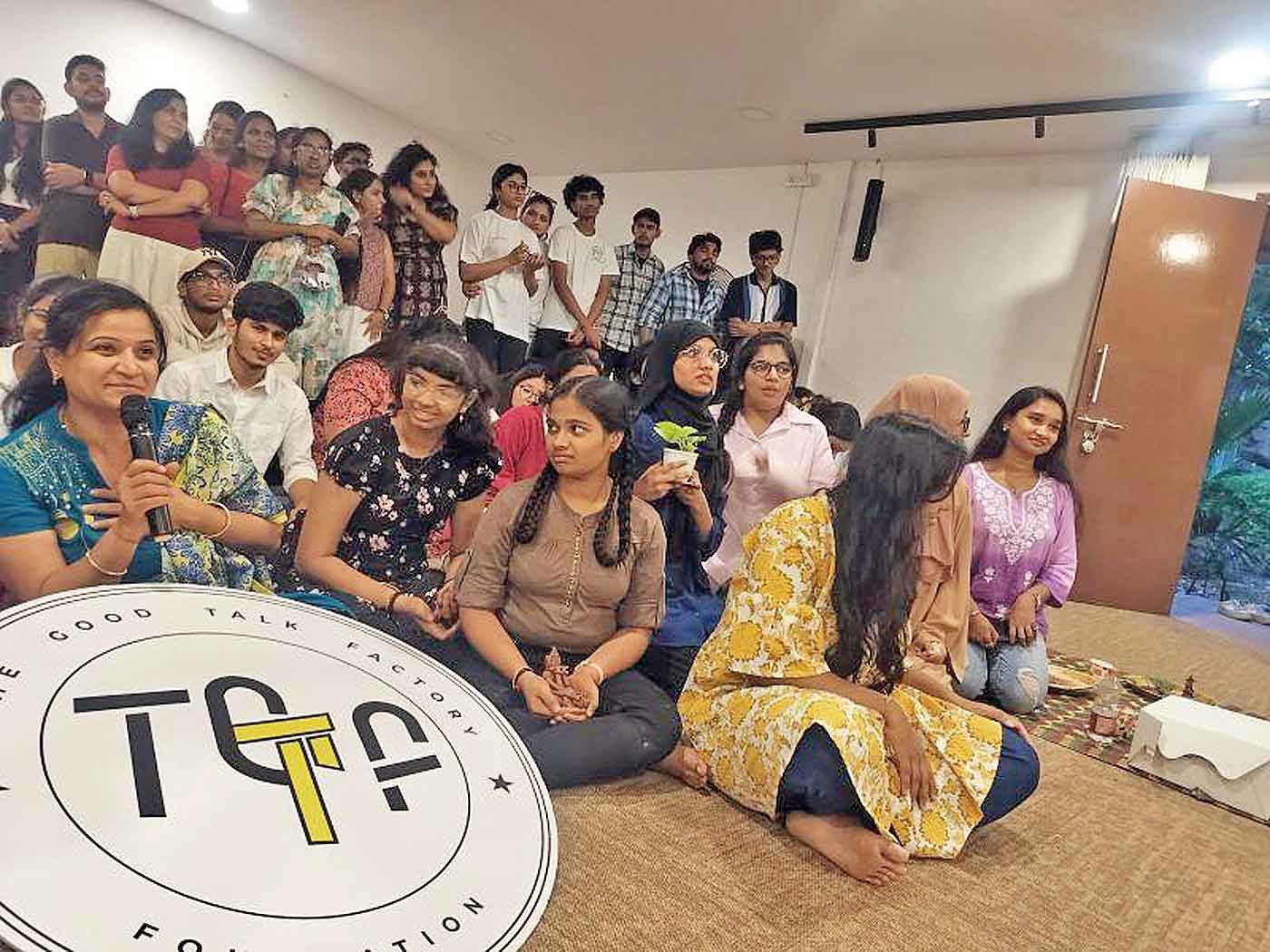
Founded in Hyderabad on December 15, 2018, TGTF was built around a simple belief: “Everyone has a story and every story is worth experiencing.” What began as a platform for unheard stories has since evolved into a social-impact organisation working across education, inclusion, accessibility, life skills, creative expression and community engagement.
The Rejection That Became a Purpose
For Raghu, the founding of TGTF was not initially about his personal experience as a person with a disability.
“It just came out because of the rejection,” he explains.
The organisation was conceived as an inclusive space that did not restrict representation to celebrities, influencers or people with already established platforms. Instead, TGTF wanted to create opportunities for ordinary people to share extraordinary experiences through storytelling, music, poetry, theatre, art and other forms of expression.
That distinction remains central to Raghu’s understanding of social impact.
He describes TGTF as an organisation that should not merely speak about communities, but create spaces where people from those communities can speak for themselves.
Over the years, that philosophy has taken TGTF well beyond storytelling.
Today, the organisation works across education, inclusion, accessibility, youth development and community engagement, while continuing to place human stories at its centre.
When Storytelling Becomes Social Impact
One of TGTF’s most significant areas of work is education. Through Project TGTF Vidya, the organisation supports students from underserved communities through educational sponsorship, mentorship and life-skills development. The initiative has directly supported nearly 30 students through educational sponsorship and reached more than 100 students through learning and life-skills sessions. It has also been recognised as a Best Initiative for Child Education NGO at South India’s CSR Summit.
But Raghu believes simply paying a child’s school fees is not enough.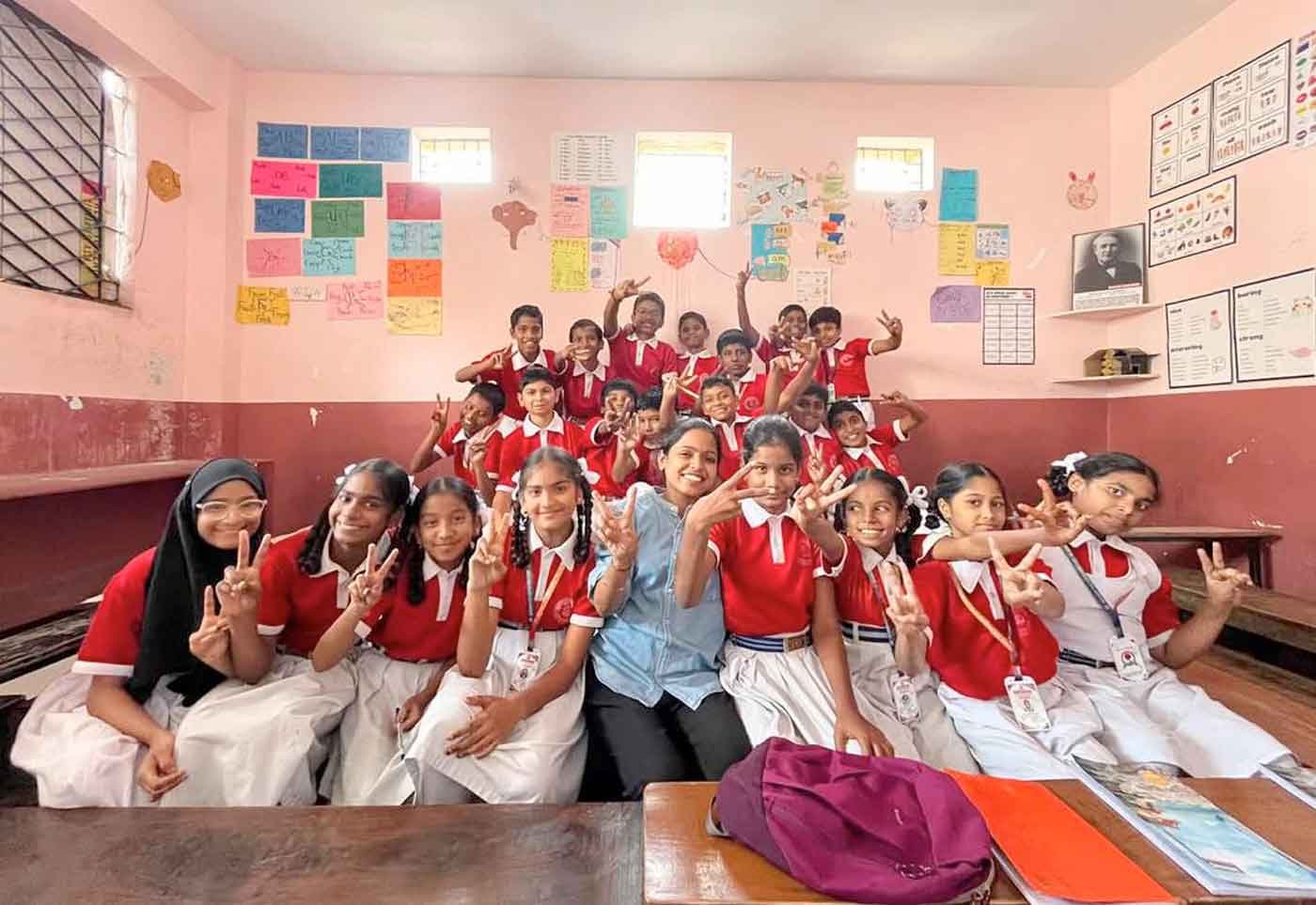
His approach emerged from his own experience of supporting a child from a low-income family who had lost a parent and was struggling to afford education. The experience made him realise that financial assistance could open a door, but life-skills training could help a young person navigate what came after that door opened.
That became the foundation of TGTF’s life-skills model.
For nearly two and a half years, the organisation has worked with students at Khushbu Vidyaniketan in Banjara Hills, focusing on life skills, etiquette, communication and understanding everyday life beyond the classroom.
Raghu sees this as one of the major gaps in India’s education system.
“We are very much into the same routine system of science and maths,” he says. Social science and, particularly, practical life skills often receive considerably less attention.
His hope is that schools eventually integrate life-skills education into the curriculum rather than treating it as an optional addition.
Accessibility Is More Than Awareness
Another pillar of TGTF’s work is accessibility and inclusion, an area that is particularly meaningful to Raghu. As a person with a disability, he has experienced first-hand how often society focuses on limitations instead of recognising ability.
Yet he is careful to distinguish his personal experience from the reason TGTF was founded.
“The organisation itself was never intended to be a disability-focused NGO. Instead, its inclusive philosophy has gradually led it towards conversations around disability, accessibility and representation.” He shares.
TGTF has participated in initiatives such as International Purple Fest Goa, where it has contributed through volunteer mobilisation, training and sensitisation. According to the organisation’s profile, approximately 1,200 student volunteers were trained for Purple Fest 2024.
The organisation conducts sensitisation workshops designed to help people understand the diversity of disability and communicate more effectively with persons with disabilities.
For Raghu, awareness cannot stop at an awareness week.
“First be ready to acknowledge the fact that everybody is special,” he says.
His argument is simple: people with disabilities, autistic individuals, senior citizens and others who may require accessibility support are not separate from society. They are part of the same ecosystem.
The change, therefore, has to happen through both awareness and implementation. That means accessible infrastructure, inclusive communication, government collaboration and greater trust in organisations already working on the ground.
The Akan Aahvaanam 2026 Collaboration
That philosophy is now coming together in TGTF’s collaboration with Akan Hyderabad for Akan Aahvaanam 2026, the restaurant’s Independence Day fundraiser.
Scheduled for August 15, 2026, from noon to 4 p.m. at Akan Hyderabad in Madhapur, the event is designed around the idea of celebrating freedom while creating social impact.
Raghu reveals, “This year, TGTF’s fundraising focus centres on three interconnected areas: autism awareness and support, child education and livelihoods, and accessibility and inclusion.
The event will combine food, music, art and community experiences, with a “Pay As You Please” lunch, live performances, community stalls, an art experience and a sensory experience zone.”
For Raghu, however, the event is about much more than raising money. It is about bringing an entire ecosystem together.
TGTF is collaborating with organisations such as Rising Sun Child Development Center, which works with autistic and severely neurodivergent children, to create a sensory space where visitors can experience and better understand aspects of the spectrum.
The event will also include art experiences involving not only persons with disabilities but caregivers, recognising that caregivers are equally important stakeholders in the inclusion ecosystem.
TGTF will also showcase a Wall of Journey, documenting seven and a half years of the organisation’s work, while children supported through its educational programmes will participate in the event.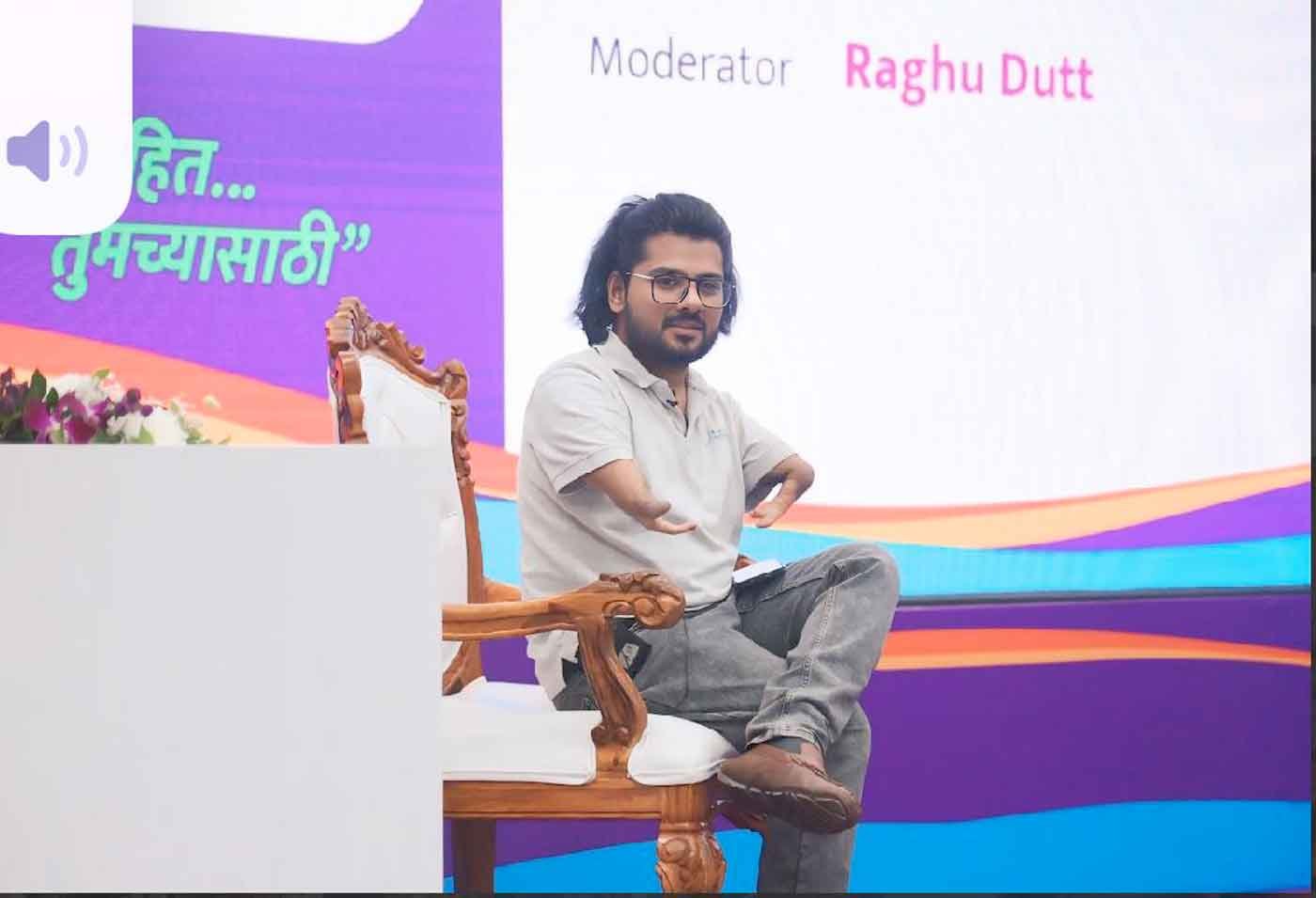
And the collaboration has already resulted in one tangible accessibility improvement.
Akaan already has wheelchair access and a ramp system. Following conversations with TGTF, the restaurant is also working towards creating an accessible restroom for persons with disabilities and elderly guests.
For Raghu, that is precisely what meaningful inclusion should look like: not merely discussing accessibility, but physically changing spaces to make them more accessible.
Why Autism Awareness Cannot Be Seasonal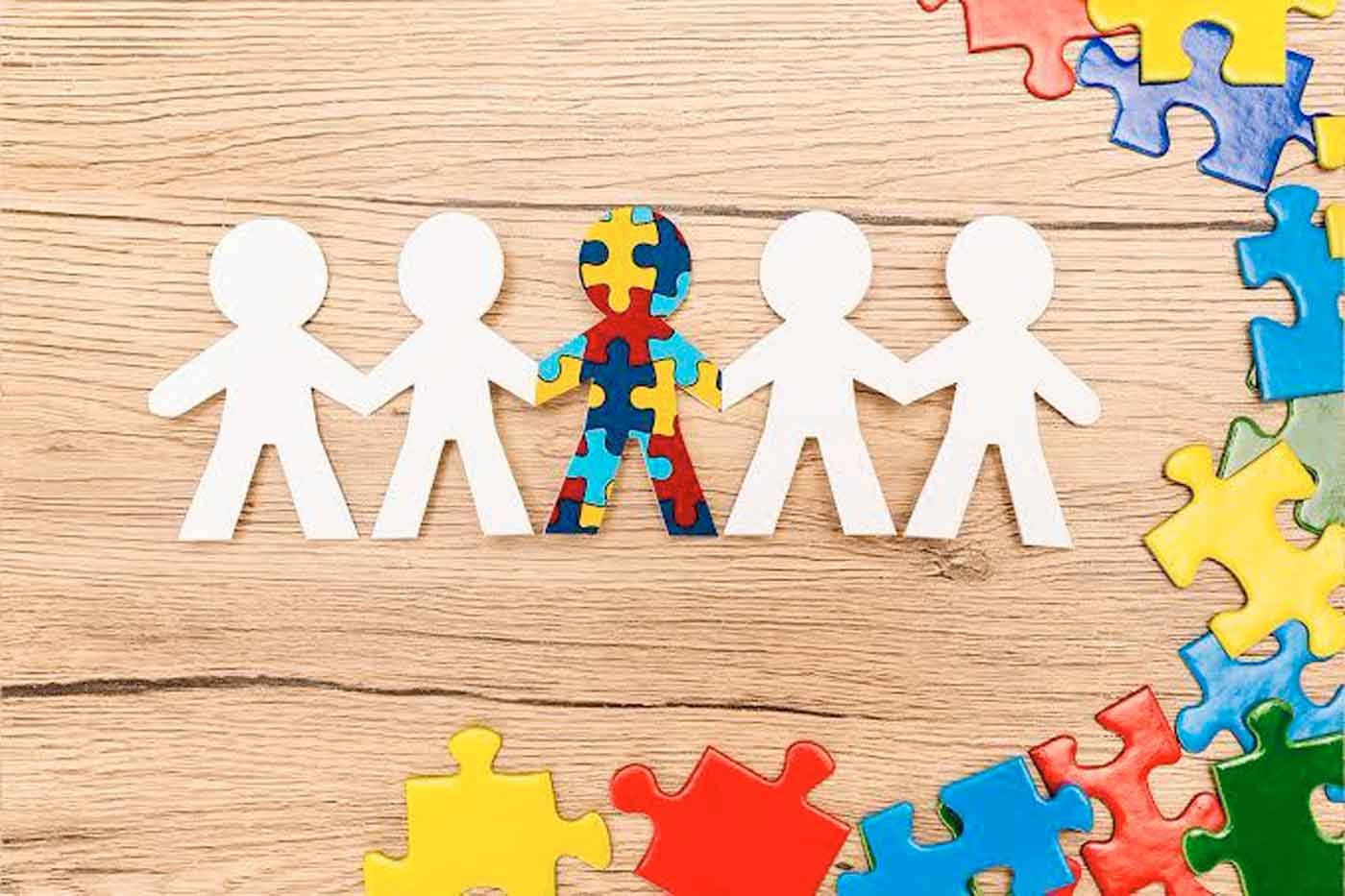
Raghu believes India has made progress in recognising autism, but there remains a significant gap between awareness and implementation.
Autism-friendly conversations often intensify around designated awareness weeks, campaigns and films, only to disappear from public attention afterwards.
“The rest of the year is where the lag is happening,” he says.
His concern is not simply whether people know what autism is. It is whether schools, restaurants, public spaces, workplaces and institutions are actually prepared to accommodate autistic individuals and their families.
That is why TGTF’s approach focuses on collaboration with organisations already working directly with communities. Raghu believes governments and institutions should work more closely with such organisations because they possess practical, on-ground expertise.
“We cannot do it individually,” he says. “Trust in our work and then we’ll change it together.”
A Personal Story Behind the Mission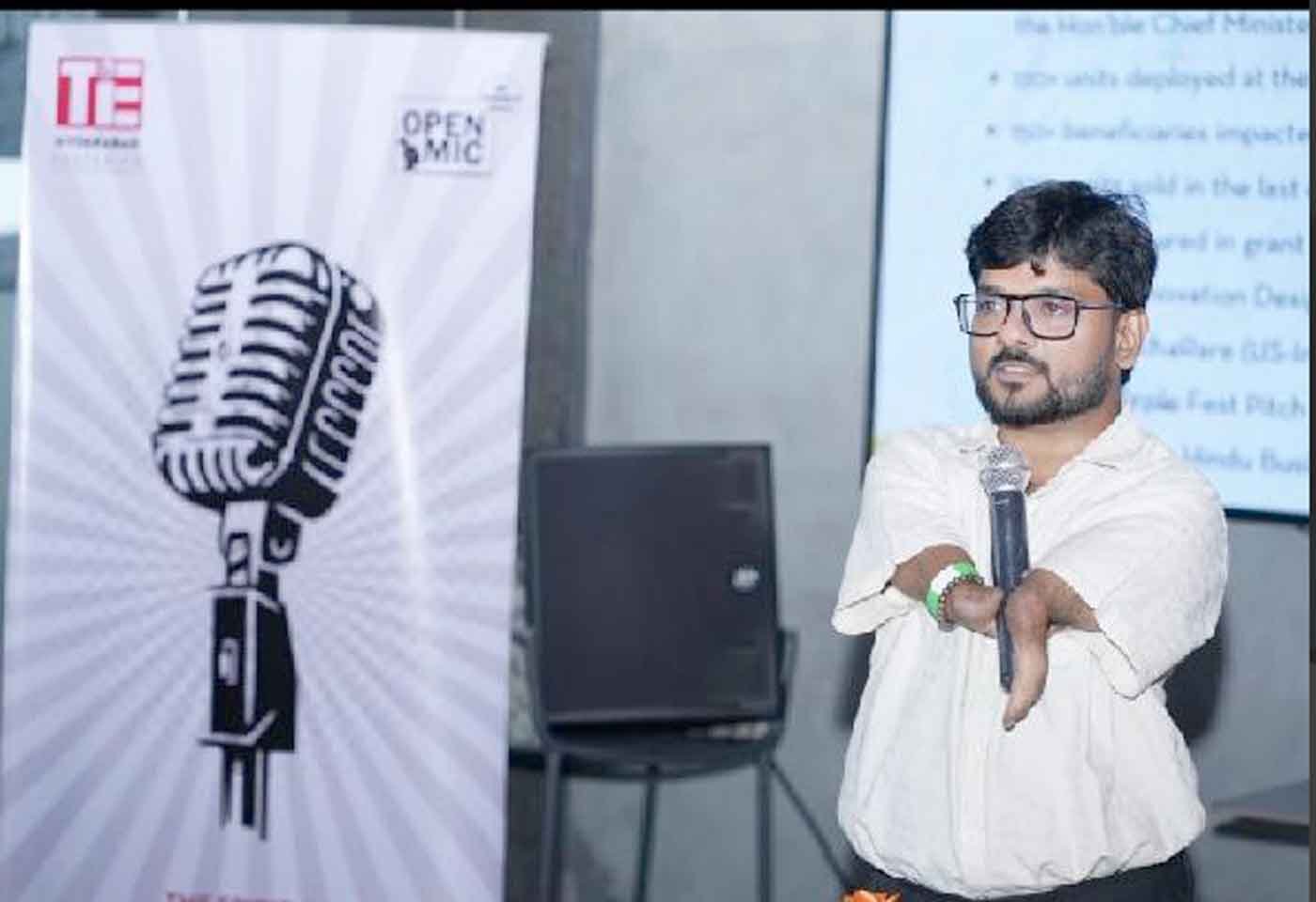
For an organisation built around stories, there is one story that remains particularly important to Raghu. It is the story of a child whose education he personally supported.
She had lost her father when she was around eight or nine years old and came from a difficult financial background. But what stayed with Raghu was not simply her hardship. It was the way she continued rebuilding her life despite it.
There is another remarkable coincidence: she shares Raghu’s birthday. She also became part of TGTF’s own origin story. On December 15, 2018, when TheGoodTalkFactory was formally launched, she was invited to speak. She spoke for nearly 20 minutes to a room full of people she had never met.
By the end, Raghu says, many in the room were in tears. For him, that moment proved something fundamental. TGTF did not need its founder to be the centre of every story. The stories themselves could carry the organisation forward.
“That was a day we felt TGTF is here to live, irrespective of whether its founder is there or not,” he recalls.
From Stories to Systems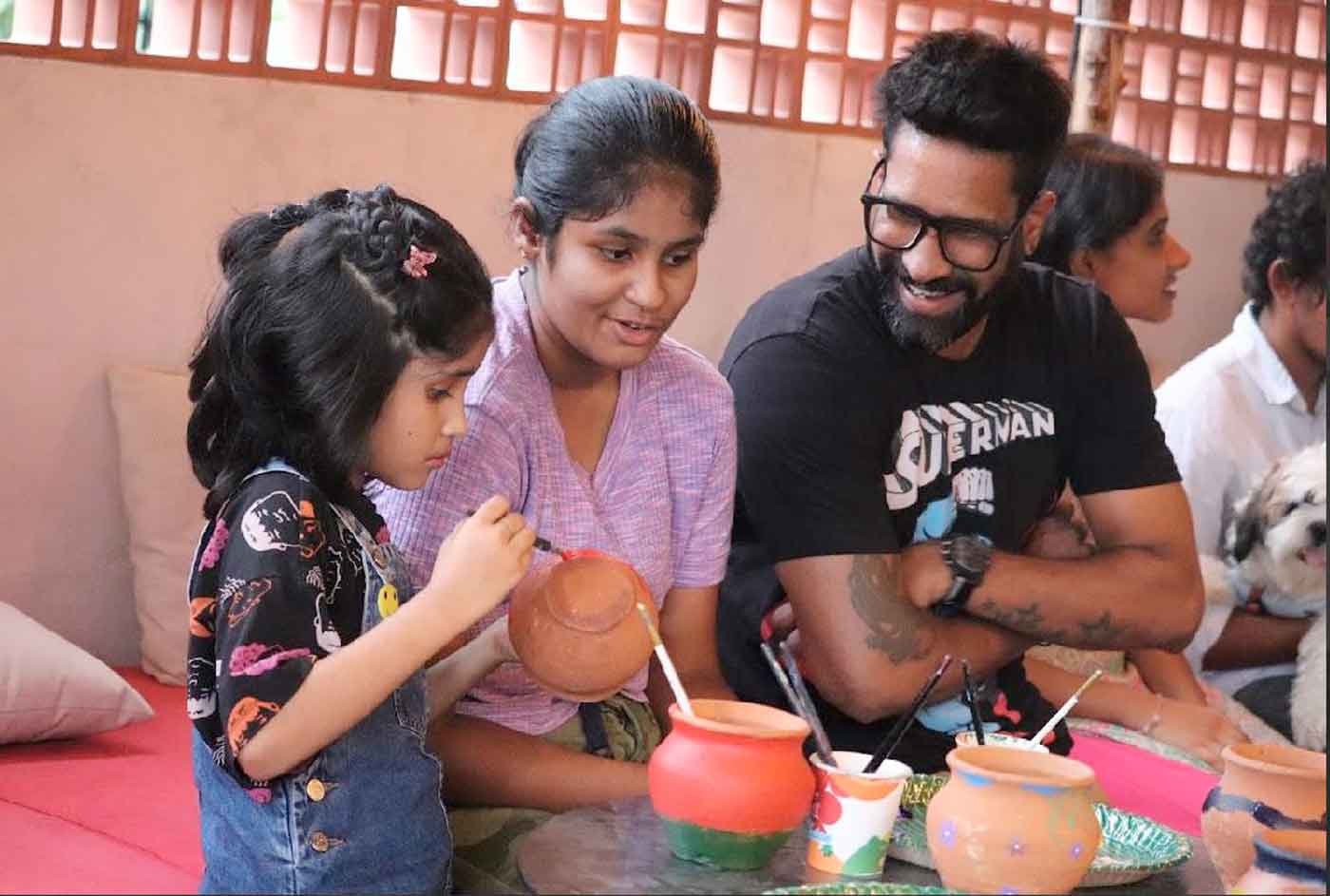
Today, TheGoodTalkFactory’s work extends across a growing range of initiatives, including Elderly Tales, Mrid Katha, corporate events, sensitisation programmes, life-skills programmes and community storytelling initiatives. Its community projects have also included Taare Zameen Par, KALEIDO Carnival, KALEIDO Khelathon and Purple Solvathon.
In 2026, TheGoodTalkFactory Foundation also became CSR-1 registered, marking another step towards building more structured and sustainable partnerships for its social-impact programmes.
Raghu himself brings more than a decade of experience across training, counselling, life-skills development, sports psychology and youth engagement. His work has focused on communication, personal development, leadership and mental toughness among young people and professionals.
But his understanding of impact remains surprisingly uncomplicated. Social impact, he says, is not simply about raising awareness. It is about creating opportunities for people to be heard, supported, included and given the chance to grow.
That philosophy takes TheGoodTalkFactory back to the question that started everything. Who gets to have a story worth hearing? Raghu’s answer is everyone.
Because the organisation he built out of rejection was never really about finding better storytellers. It was about making sure fewer people are rejected from the conversation in the first place.
And seven years after that first rejection, TheGoodTalkFactory is still pursuing the same idea with a larger community, more programmes and an increasingly tangible impact:
Everyone has a story. And every story is worth experiencing.