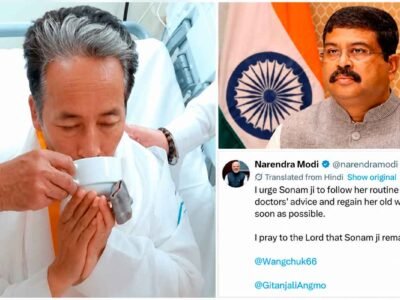

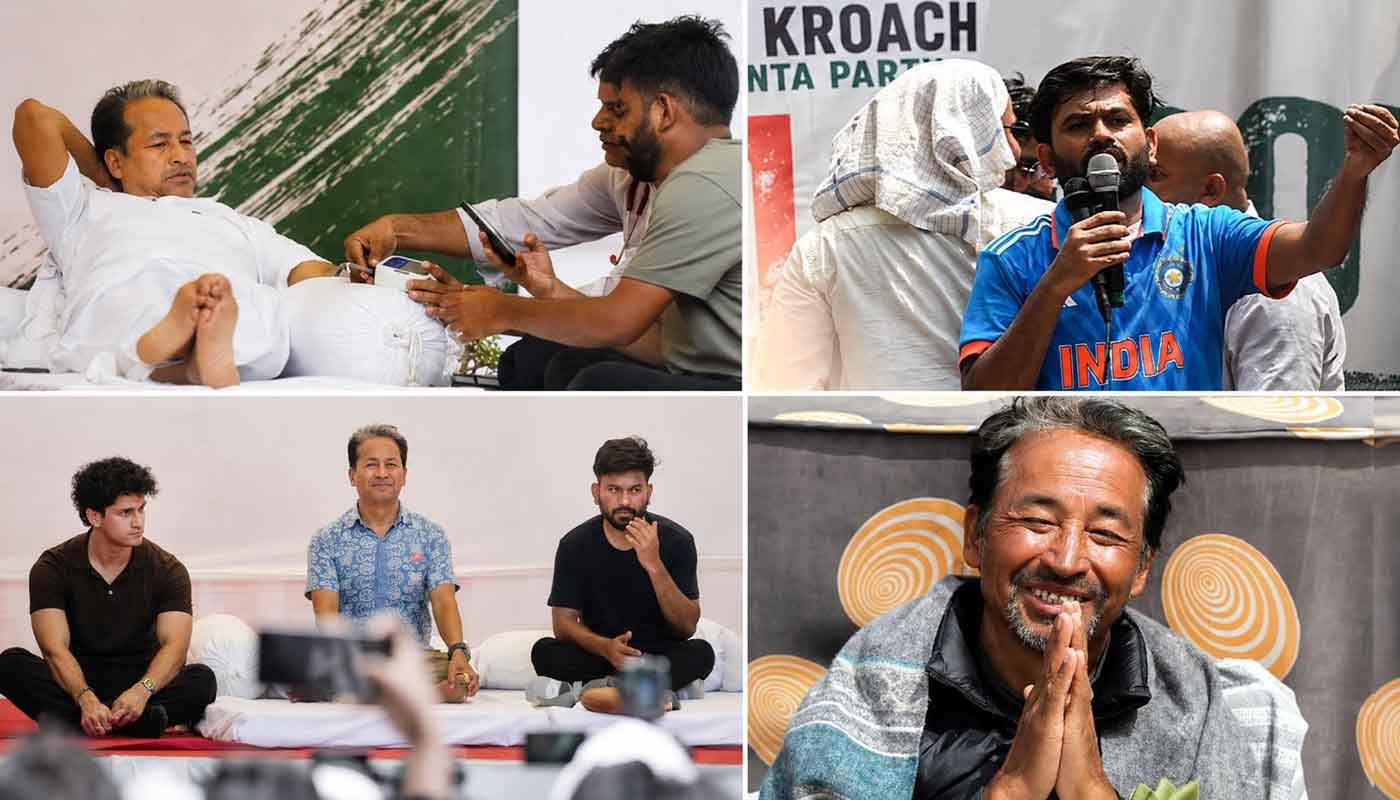
As the Cockroach Janata Party’s (CJP) protest against alleged irregularities in India’s examination system entered its thirteenth day, growing concern surrounded activist and education reformer Sonam Wangchuk, whose health reportedly deteriorated on the fifth day of his indefinite hunger strike. According to organisers, Wangchuk’s blood sugar level dropped to 60 mg/dL, while his blood pressure remained alarmingly low, prompting fresh concerns from doctors, supporters, and civil society members.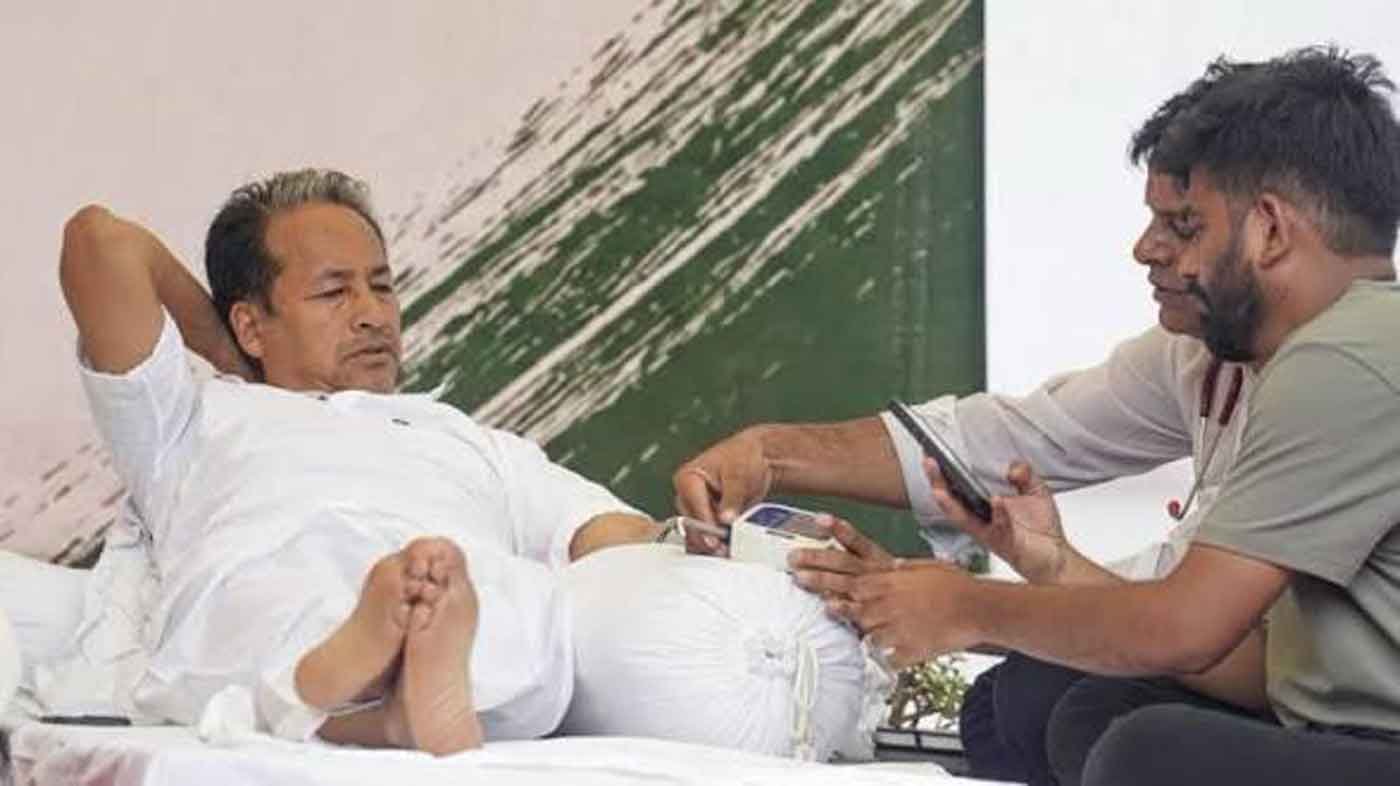
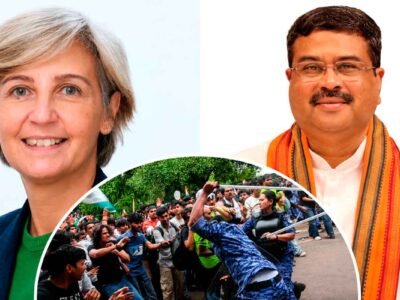
The hunger strike, which Wangchuk joined in solidarity with protesting students at Jantar Mantar, has become one of the defining moments of the ongoing movement demanding accountability for alleged examination irregularities, including the NEET controversy. Protesters continue to demand the resignation of Union Education Minister Dharmendra Pradhan, arguing that repeated paper leaks and lapses in the examination system have shattered the trust of millions of students.
Sharing Wangchuk’s latest health update on X, CJP founder Abhijeet Dipke wrote:
“Sonam Wangchuk’s health is continuously deteriorating. His sugar level has dropped to 60, and his blood pressure is also very low. If anything happens to Sonam sir, the government will be responsible for it.”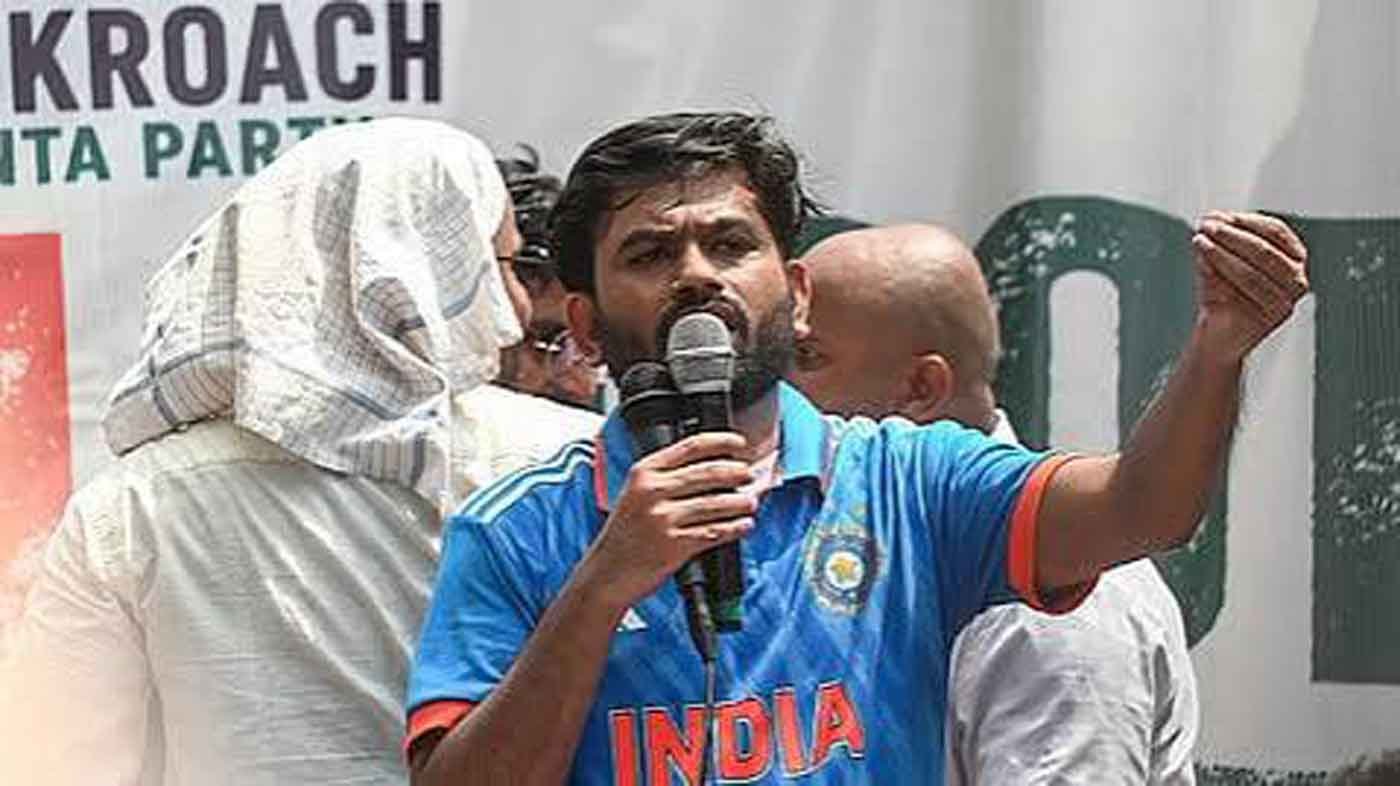
The statement has intensified public concern, with supporters urging authorities to engage with the protesters before the situation worsens further.
Despite his declining condition, Wangchuk has continued to remain at the protest venue, becoming a symbol of solidarity with students who say they have been failed by the country’s examination system. His participation has also drawn wider public attention to the movement, which initially began as a student-led protest but has since received support from activists, lawyers, academics, and political leaders.
The protest itself has continued to expand. Alongside Wangchuk, six students associated with the All India Students’ Association (AISA) remain on an indefinite fast. According to AISA, several of the fasting students have also recorded dangerously low blood sugar levels, with some nearing the point of losing consciousness. Even after medical advice to discontinue their fast, the students have chosen to continue their protest until their demands are addressed.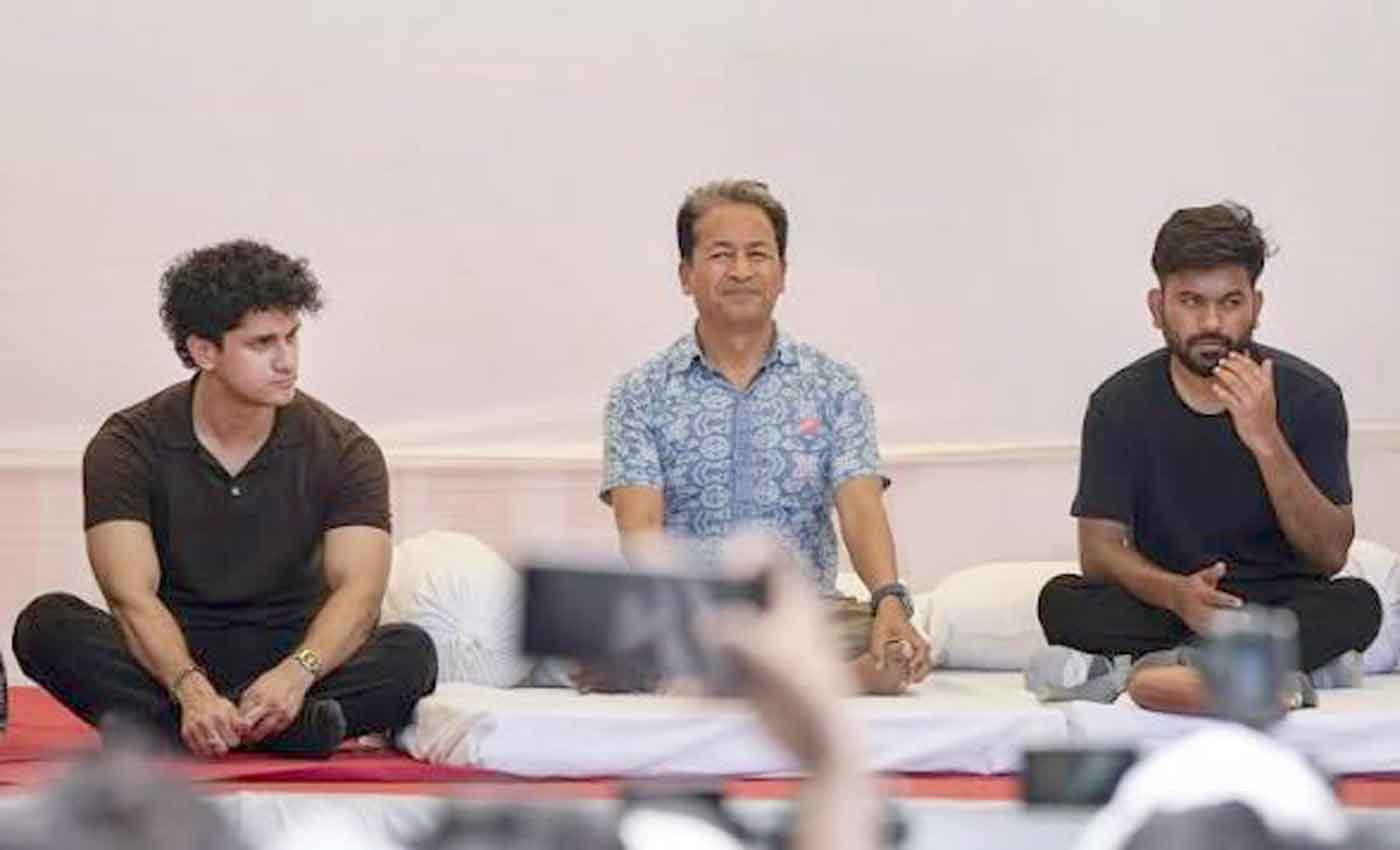
The movement has also witnessed fresh controversy. CJP organisers alleged that Delhi Police assaulted two youths attempting to establish a small public library at the protest site and removed books, including works on Chhatrapati Shivaji Maharaj and Bhagat Singh. Police have not publicly confirmed these allegations.
Meanwhile, several prominent public figures have visited Jantar Mantar to express solidarity with the protesters, including Dipankar Bhattacharya, Nikhil Dey, Prashant Bhushan, Yogendra Yadav, Brinda Karat, D. Raja, Annie Raja, and Sagarika Ghose. Many have described the issue as one of public accountability rather than merely an education dispute.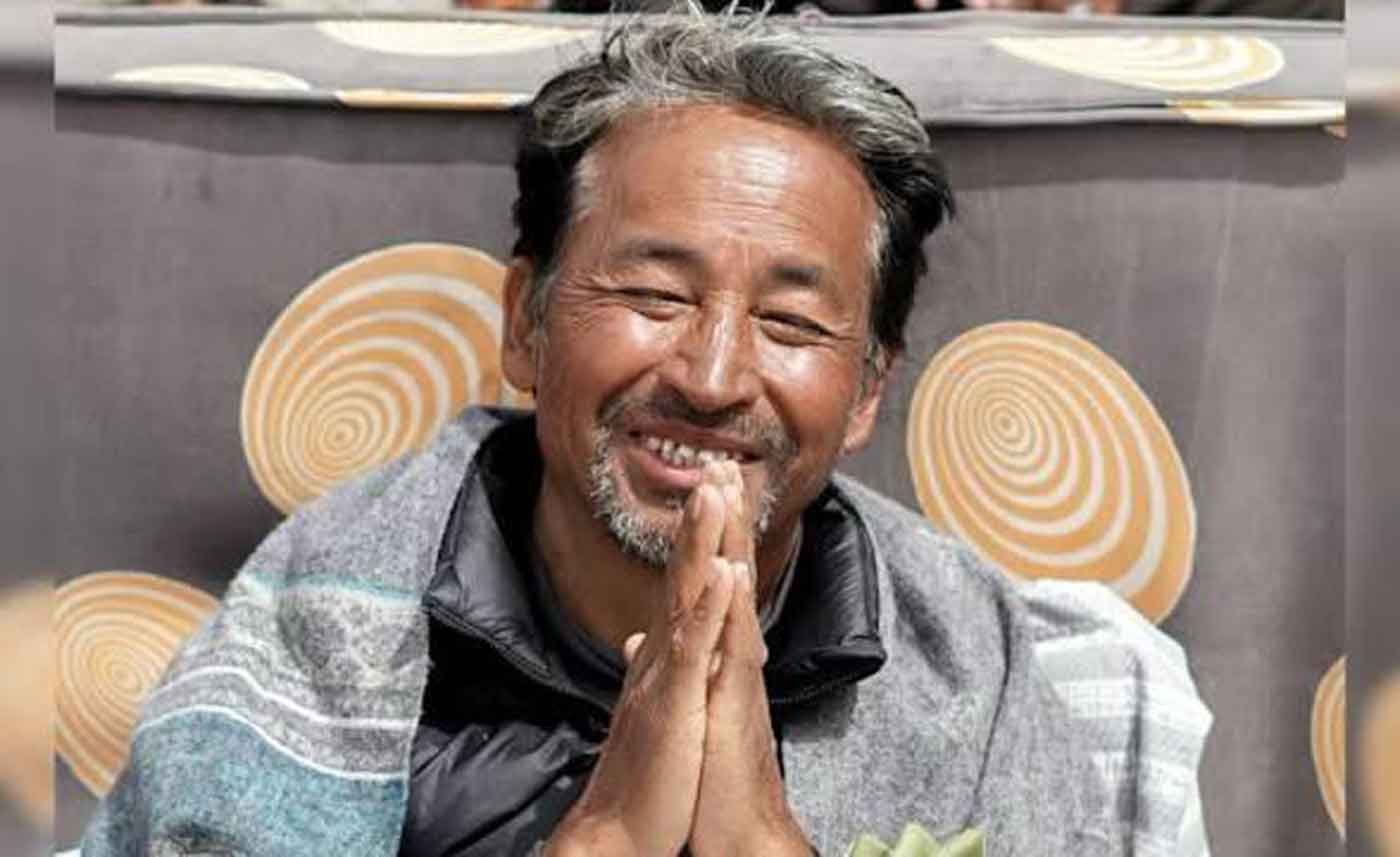
For many young Indians, Wangchuk’s fast has become more than an individual act of protest. It has evolved into a powerful symbol of a generation demanding transparency, accountability, and fairness in one of the country’s most competitive examination systems. As his health continues to decline, pressure is mounting on the government to respond—not only to the concerns surrounding the examination process but also to the increasingly urgent humanitarian dimensions of the protest