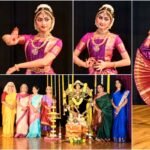

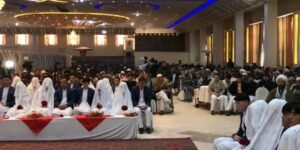
For years, the Taliban has steadily narrowed the lives of Afghan women. First came schools. Then universities. Then workplaces. Then parks. Then beauty salons. Then public spaces. Now, they have entered the bridal room.
In its latest directive, the Taliban has imposed sweeping new restrictions on Afghan weddings, banning brides from wearing makeup, perfume, hair extensions, and even wedding rings. The order also reinforces existing bans on music, dancing, and many engagement rituals, transforming what was once one of the happiest days in a woman’s life into yet another heavily policed event. The directive reportedly instructs religious leaders to communicate these rules during Friday sermons, framing them as a return to what the Taliban considers “proper” Islamic practice.
For many women in Afghanistan, a wedding was one of the few occasions where they could express themselves freely. It was a celebration filled with colour, music, laughter, family, and community. Even after years of restrictions, weddings remained one of the last spaces where women could briefly experience joy. That space is now shrinking too.
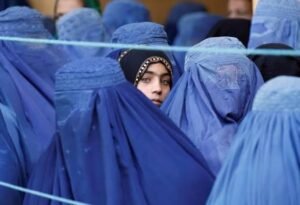
The ban comes after years of escalating restrictions that have systematically pushed Afghan women out of nearly every aspect of public life. Since returning to power in 2021, the Taliban has barred girls from secondary schools and universities, prohibited many forms of employment, restricted women’s movement without a male guardian in many situations, shut down beauty salons, and enforced increasingly strict dress codes. Human rights organisations and international bodies have described this pattern as systematic gender persecution, with some experts referring to it as “gender apartheid.”
The symbolism of these latest wedding restrictions is difficult to ignore.
A bride’s wedding day is not simply about clothing or cosmetics. It is about identity, hope, celebration, and the beginning of a new chapter. When even that moment becomes subject to state control, the message extends far beyond fashion.
It tells women that even their happiness requires permission.
The new directive reportedly prohibits practices the Taliban claims are influenced by Western culture, including exchanging wedding rings and certain engagement customs. Music and dancing, already heavily restricted at weddings, remain forbidden, while brides are discouraged from leaving home to have their makeup professionally done, a practice already devastated after beauty salons were ordered to close.
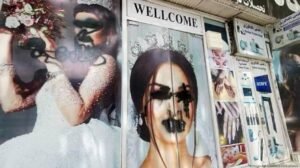
What makes this especially heartbreaking is that Afghan women have already lost so much.
Many young girls who once dreamed of becoming doctors, engineers, teachers, or artists now find themselves unable to continue their education. Women who once built careers have been forced out of workplaces. Public parks, gyms, and recreational spaces have disappeared from their lives. Their visibility in society has been systematically erased.
Now even celebration itself is being regulated.
The tragedy is not merely that these rules exist.
It is that millions of women are living under them every single day.
For those of us watching from elsewhere, it is impossible not to recognise our own privilege. The ability to attend university, choose a career, wear what we wish, celebrate milestones, or simply step outside without fear are freedoms so easily taken for granted.
For countless Afghan women, those freedoms no longer exist.
History will remember these restrictions not because they banned makeup or wedding rings, but because they revealed how far authoritarian control can extend when women’s autonomy is treated as something to be erased rather than protected.
When a government begins dictating how a bride should celebrate her wedding, it is no longer regulating ceremonies.
It is regulating humanity itself.