

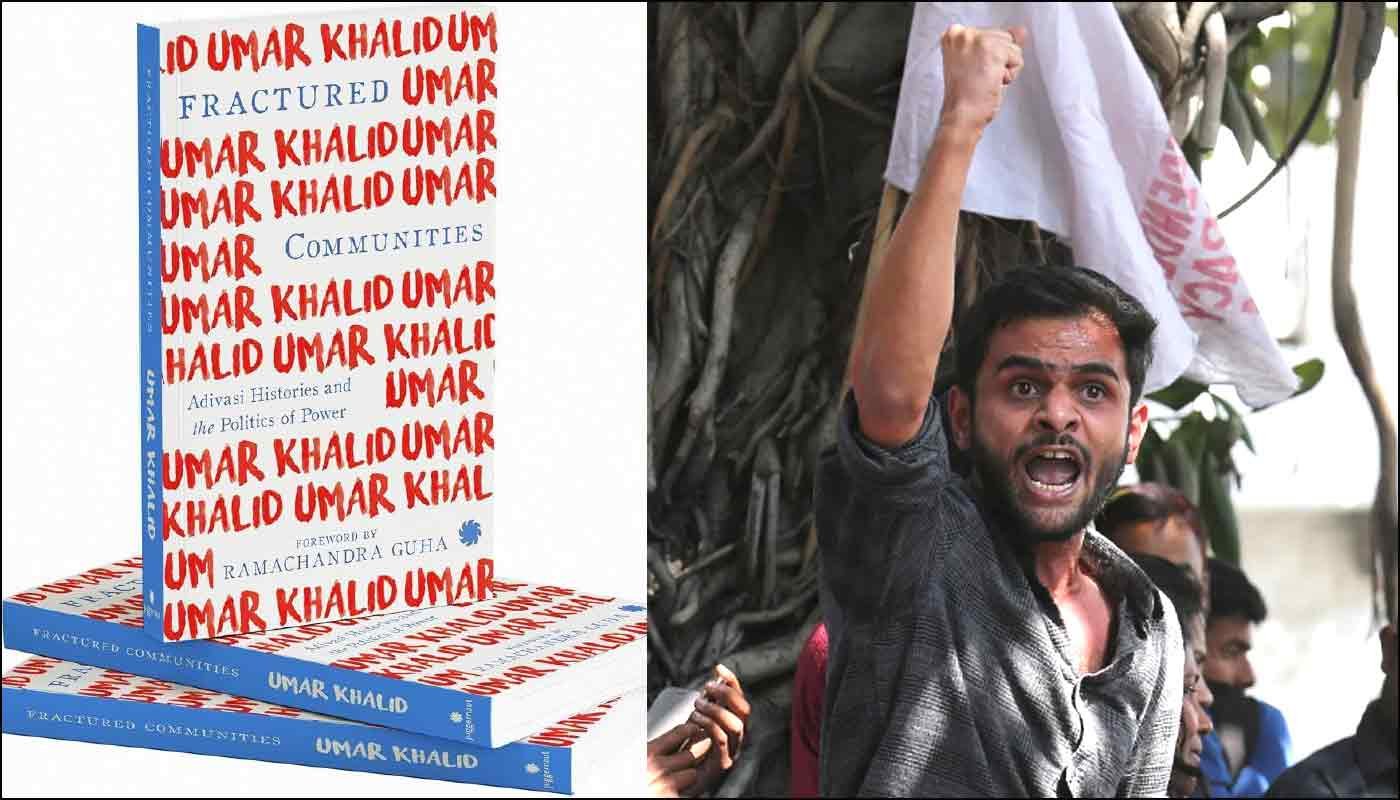
On June 27, 2026, a new book will enter India’s literary and academic landscape. Under ordinary circumstances, this might have been a routine publishing event. Yet Fractured Communities, the debut book by activist and former Jawaharlal Nehru University (JNU) scholar Umar Khalid, arrives carrying a significance that extends far beyond the pages it contains. Written from years of academic research and adapted from his doctoral work, the book examines the complex histories of Adivasi communities in Singhbhum, a region located in present-day Jharkhand. Rather than treating tribal societies as a monolithic entity, the work explores their internal diversities, social structures, and interactions with colonial rule.
The publication of Fractured Communities is notable not only because of its subject matter but because of its author.
Who is Umar Khalid?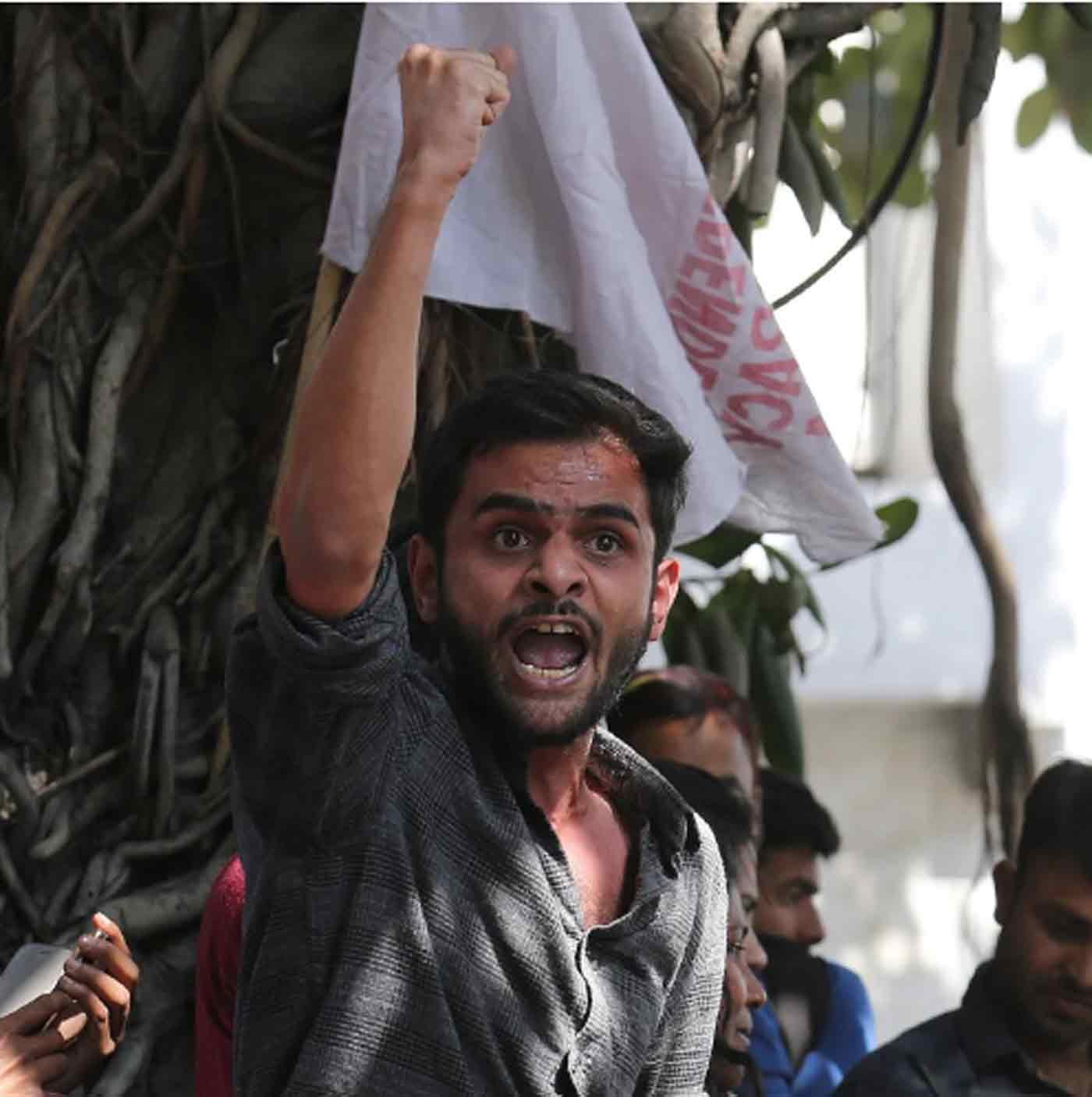
For many Indians, Khalid first entered the national spotlight during the 2016 JNU controversy, when allegations of anti-national slogans at a university event triggered a nationwide debate about nationalism, free speech, and student politics. A research scholar in history at JNU, Khalid soon became one of the most recognizable faces of student activism in the country.
Over the years, however, his public identity shifted from that of a scholar and activist to that of an accused in one of India’s most politically contentious legal cases. Khalid was arrested in September 2020 under the Unlawful Activities (Prevention) Act (UAPA) in connection with allegations relating to the 2020 Delhi riots conspiracy case. Investigative agencies have maintained that there is sufficient evidence to proceed against him, while Khalid has consistently denied all allegations and maintained that he is being targeted for his activism and political views. Courts have repeatedly denied his regular bail pleas, although he has received limited interim bail on specific humanitarian grounds. His trial has yet to begin.
It is against this backdrop that Fractured Communities assumes a deeper significance.
The book draws from Khalid’s academic engagement with the history of Singhbhum’s indigenous communities, a subject he researched extensively during his doctoral studies. In many ways, its publication serves as a reminder that before he became a headline, a political controversy, or a symbol in competing ideological narratives, Umar Khalid was a historian. His doctoral research focused on questions of authority, governance, and community formation among Adivasi societies in Jharkhand, themes that now form the foundation of his first book.
The release of a debut book from prison inevitably carries symbolic weight. Supporters view it as an act of intellectual resilience—a scholar continuing to contribute to public discourse despite years of incarceration. Critics may continue to focus on the legal proceedings that surround him. Yet irrespective of one’s political position, the publication underscores the enduring power of scholarship to survive beyond the circumstances of its author.
At a time when Umar Khalid remains a deeply polarizing figure, Fractured Communities offers an opportunity to engage with another aspect of his identity: not the activist, not the accused, but the researcher seeking to understand and document the histories of communities that are often overlooked in mainstream narratives.
Whether the book becomes a major academic contribution or a wider public conversation remains to be seen. What is certain is that its release marks a rare moment where a prison cell, a university thesis, and a publishing house converge to produce a story that is as much about knowledge as it is about the man behind it.