
“What is the value of journalism?” At first glance, the answer seems simple: to inform the public.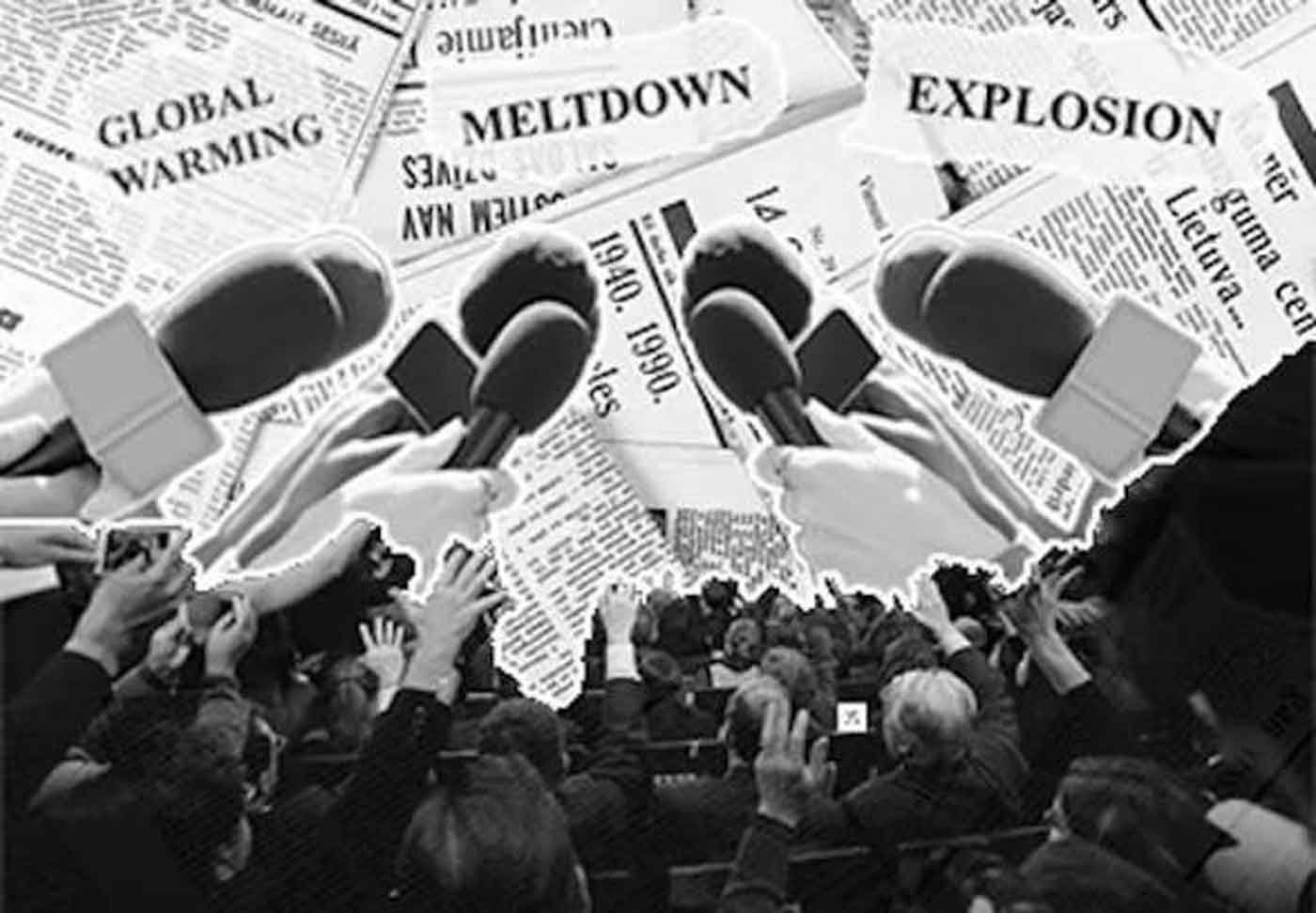
But in reality, journalism does something far greater. It holds power accountable, uncovers corruption, documents history, exposes injustice, gives a voice to the unheard, and, at times, quite literally saves lives.
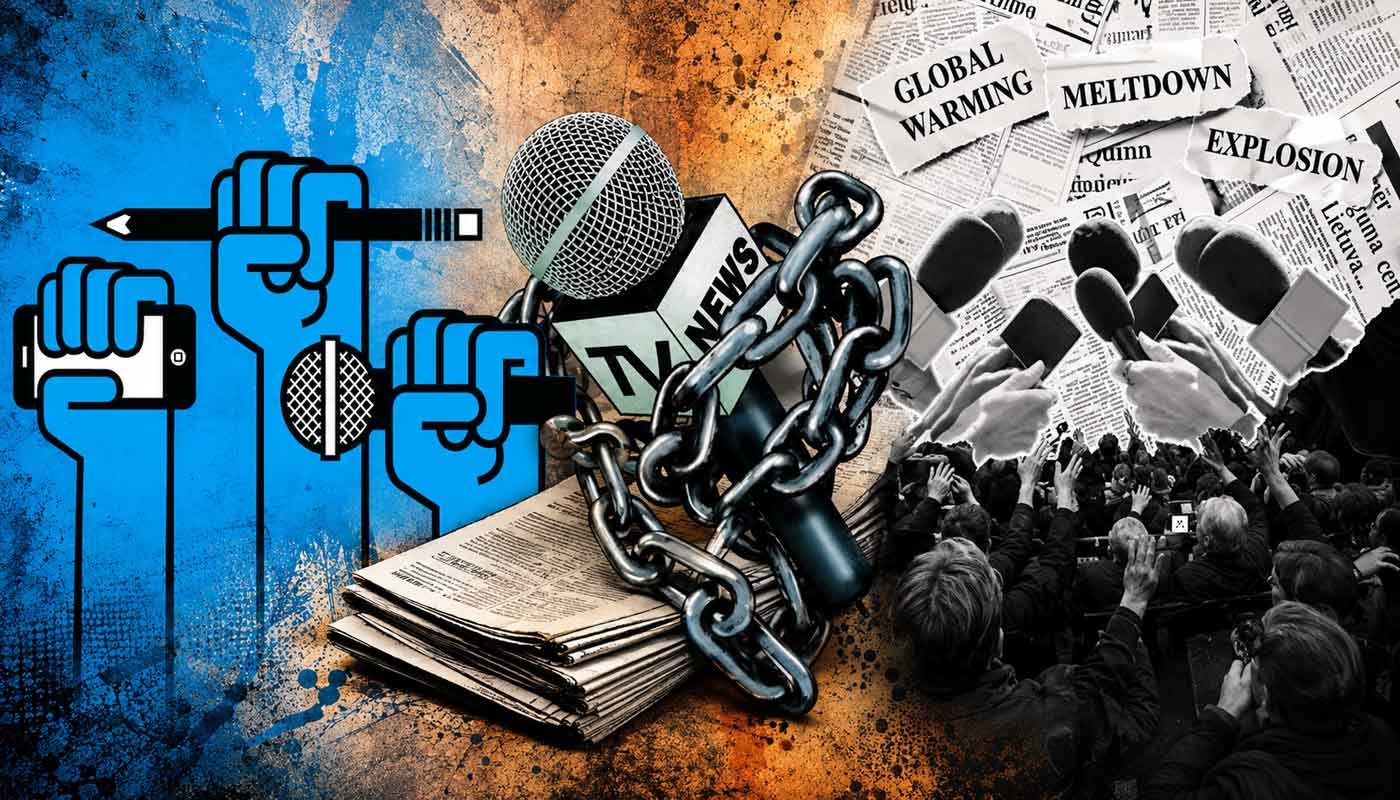
At a time when artificial intelligence can generate convincing fake videos, misinformation spreads faster than verified facts, and journalists increasingly face censorship, imprisonment, and violence, the value of independent journalism has never been clearer. Yet, paradoxically, this is also the period when journalism itself is under unprecedented pressure.
According to UNESCO, more than 1,600 journalists have been killed worldwide since 1993 while carrying out their work. Countless others continue to face intimidation, arbitrary detention, surveillance, and legal harassment simply for reporting the truth. The consequences extend far beyond newsrooms.
Research consistently shows that countries with greater press freedom tend to experience stronger democratic institutions, lower levels of corruption, higher government transparency, and healthier economic growth. When independent journalism weakens, public accountability weakens alongside it. The economic argument is equally compelling.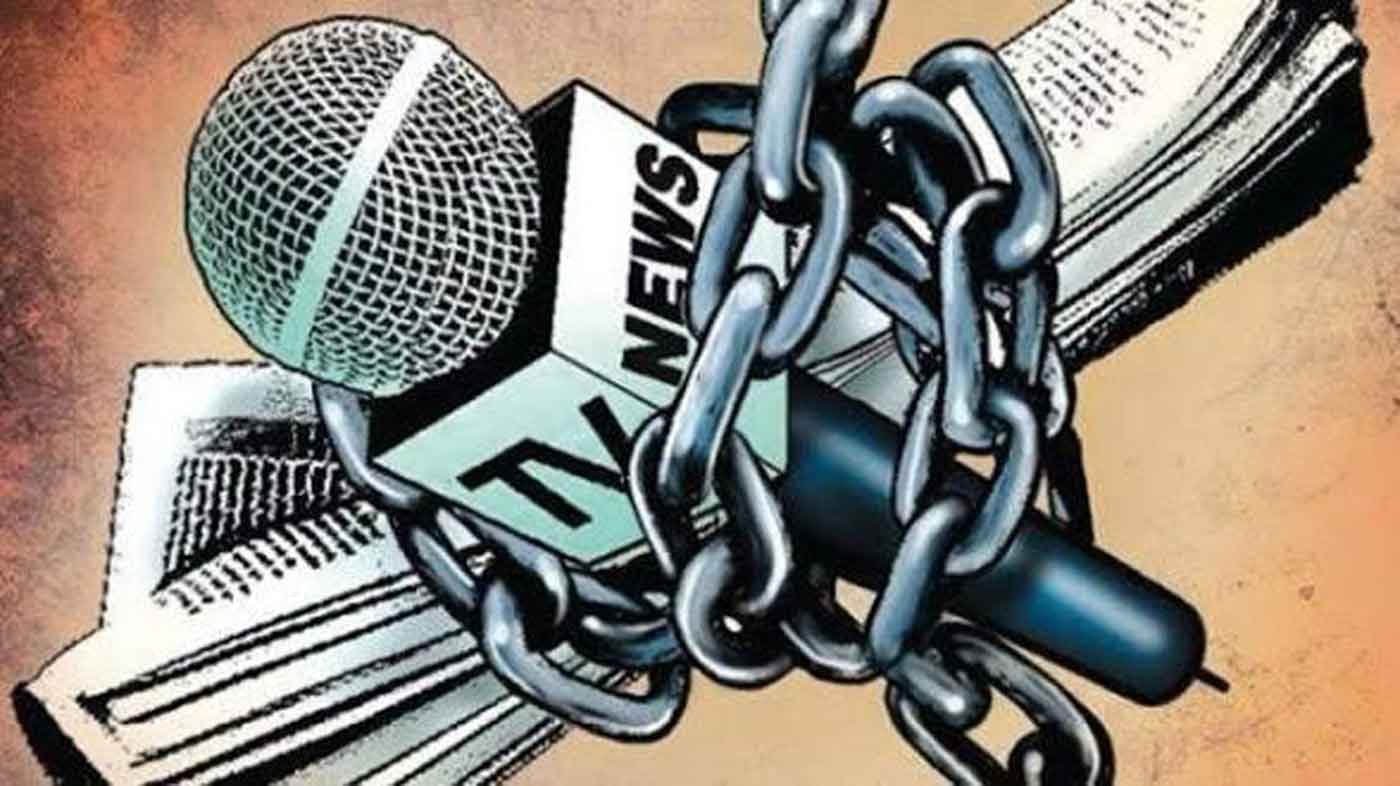
Studies suggest that every $1 invested in investigative journalism can generate well over $100 in public value through recovered public funds, exposed fraud, policy reforms, and improved governance. Few public investments produce such significant social returns.
Meanwhile, the cost of misinformation continues to rise dramatically.
False information, online scams, election manipulation, health misinformation, and AI-generated disinformation are estimated to cost societies between $350 billion and $500 billion every year through financial fraud, declining public trust, political instability, and economic disruption.
In an era where almost anyone can generate content within seconds, journalism provides something increasingly rare: verification.
Professional journalism is built upon evidence, multiple sources, editorial oversight, and accountability. It asks difficult questions before publishing answers. That distinction has become more valuable than ever in a digital ecosystem flooded with unverified claims. Journalism also plays a critical humanitarian role.
Coverage of wars, famines, natural disasters, refugee crises, and humanitarian emergencies often becomes the catalyst for international aid. Images, eyewitness reports, and investigative documentaries have repeatedly mobilized governments, NGOs, and citizens to provide life-saving assistance to communities that would otherwise remain invisible. History offers countless examples.
From exposing the Watergate scandal to uncovering the Panama Papers, from documenting war crimes to revealing environmental disasters and corporate misconduct, journalism has repeatedly demonstrated that democracy functions best when those in power know someone is watching. Perhaps its greatest contribution, however, cannot be measured in headlines or awards. Journalism preserves the public’s right to know.
Without independent reporters asking uncomfortable questions, citizens cannot make informed decisions. Elections lose meaning without reliable information. Institutions become less accountable. Misinformation fills the vacuum left by facts.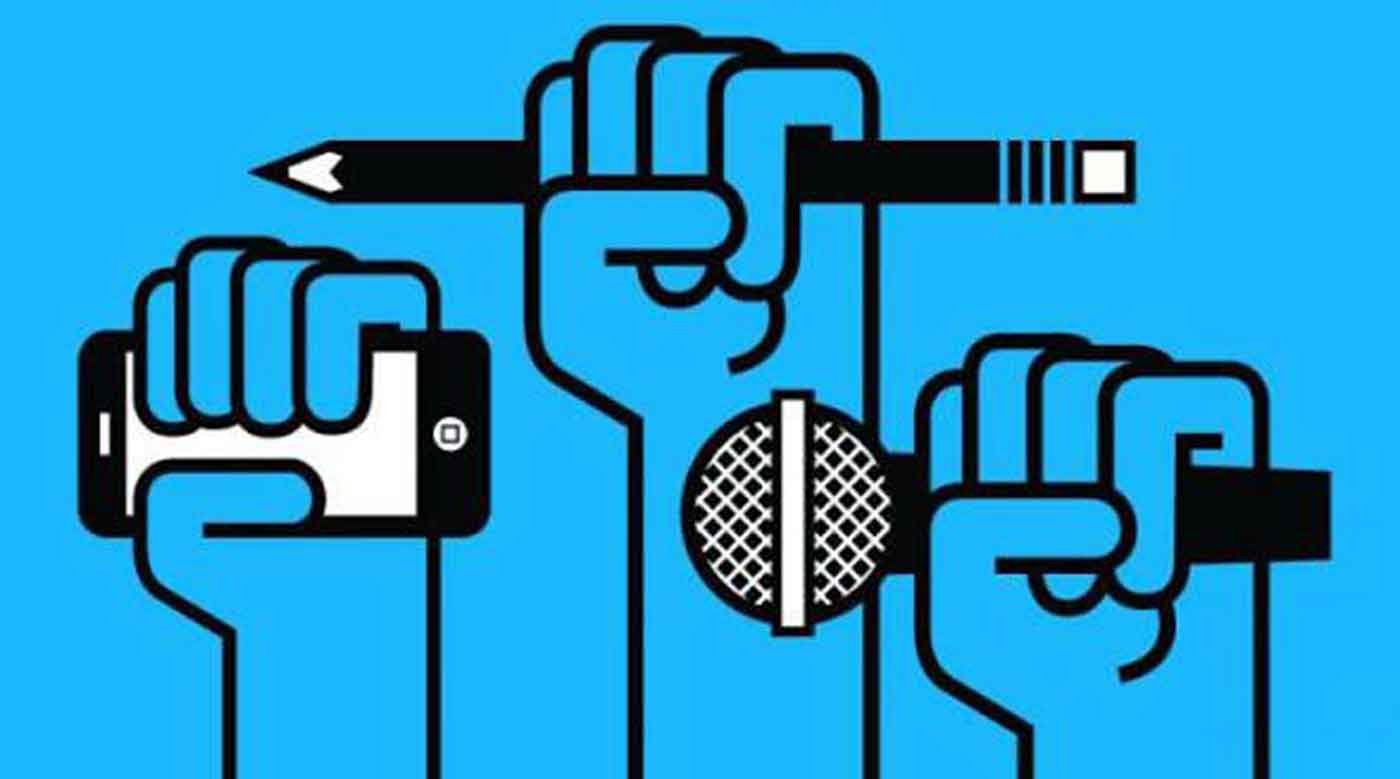
The challenges confronting journalism today are immense. Shrinking newsrooms, declining advertising revenue, algorithm-driven social media, online abuse, political polarization, and AI-generated misinformation have fundamentally transformed the information landscape.
Yet these very challenges reinforce journalism’s importance rather than diminish it. Independent journalism is not merely another industry. It is public infrastructure for democracy. It is a safeguard against misinformation. It is a watchdog over power. It is a record of history as it unfolds. And above all, it is an investment in more resilient, prosperous, informed, and humane societies.
Because when journalism thrives, democracy has a fighting chance. And when journalism is silenced, it is rarely just the media that loses—it is society as a whole.