

For generations, marriage in India was rarely presented as a choice. It was presented as a milestone. A woman studied, found a job, and eventually married. The question was often not if she would get married, but when. Staying unmarried was frequently treated as something temporary, unfortunate or even suspicious.
But that script is beginning to change. More Indian women are delaying marriage, and a growing number are also becoming comfortable with the possibility of never marrying at all. The reasons extend far beyond career ambitions. They include financial independence, higher education, changing expectations from relationships, unequal domestic responsibilities, concerns about motherhood, personal freedom and, increasingly, the belief that marriage should add to a woman’s life rather than define it.
The numbers offer an important glimpse into this shift. According to a National Statistical Office report, the proportion of women aged 15–29 who had never married increased from 13.5% in 2011 to 19.9% in 2019. The statistic does not mean that nearly one in five Indian women has consciously rejected marriage; many are simply marrying later. But it does point towards a broader change in the timing and expectations surrounding marriage among young Indians.
And that change is happening alongside another major transformation: Indian women are becoming more educated and, for some, more financially independent.
Women Have More Options Before Marriage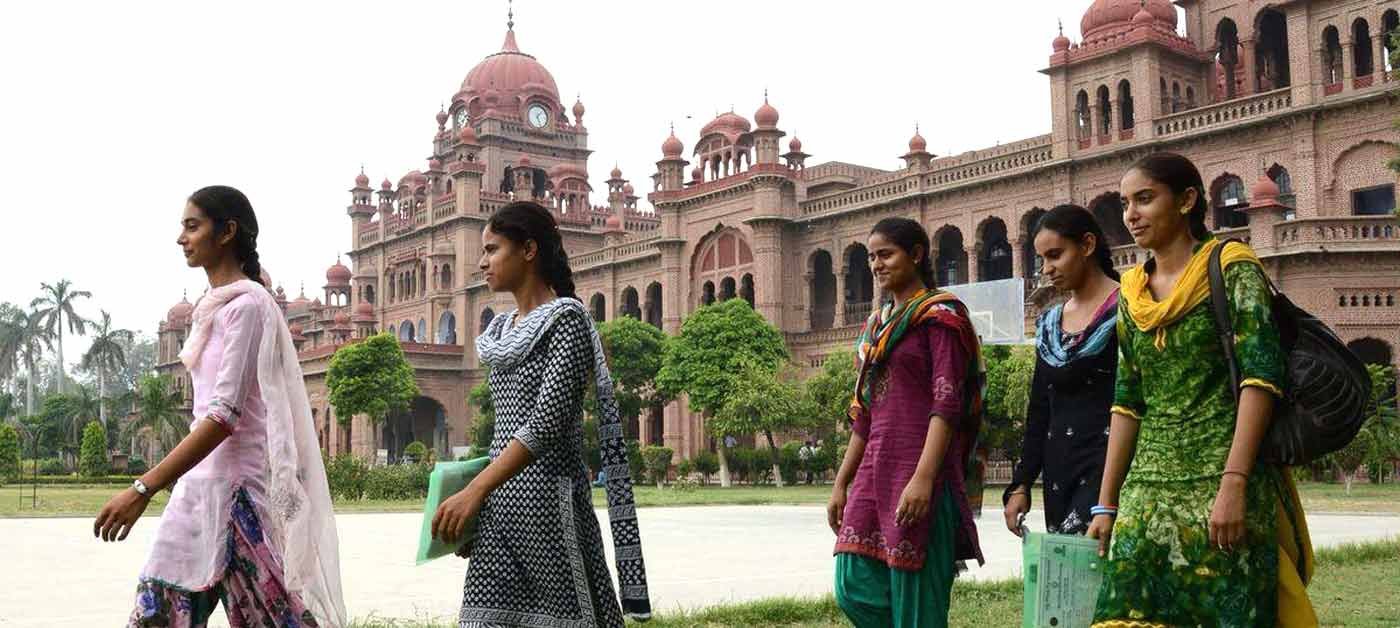
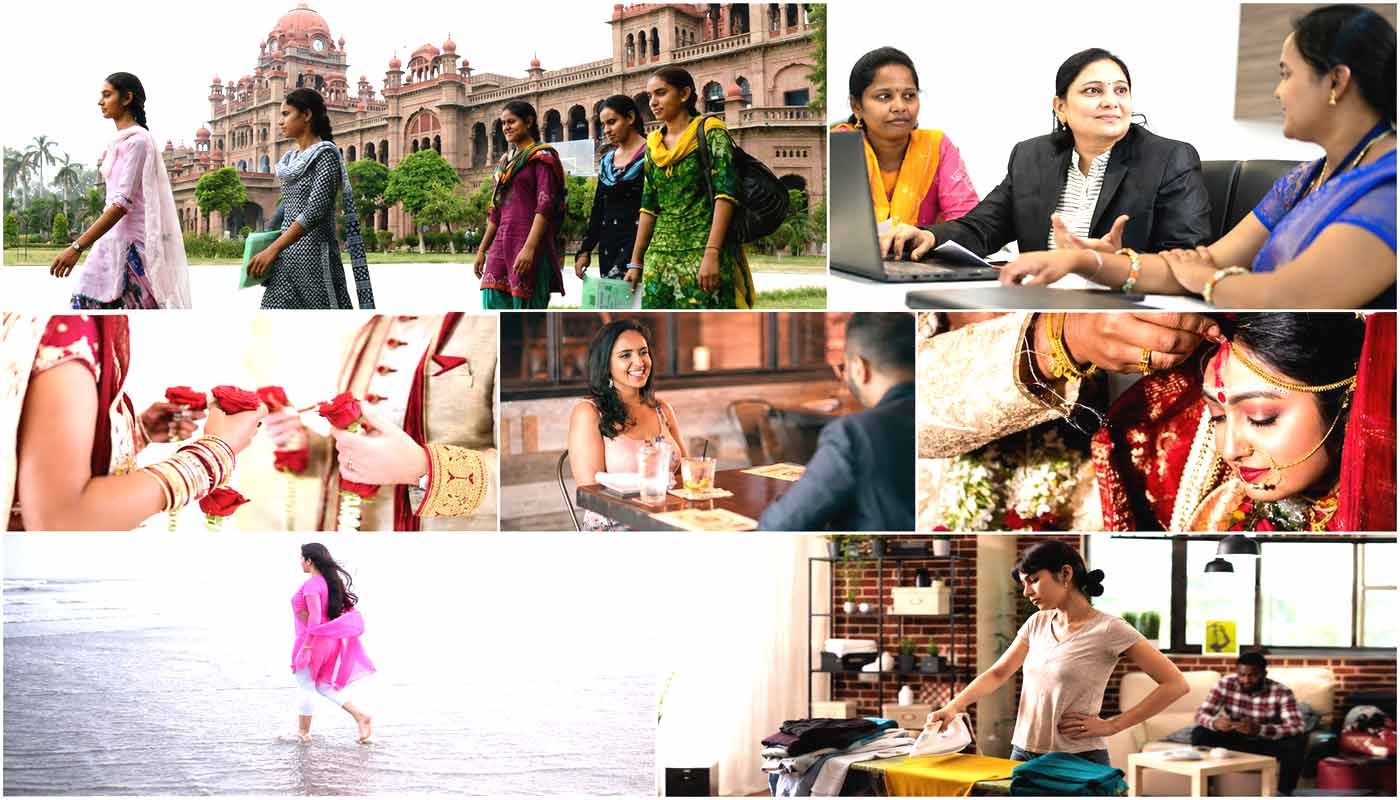
One of the biggest changes has happened in education. The latest All India Survey on Higher Education shows that female enrolment in higher education increased from 1.57 crore in 2014–15 to 2.24 crore in 2023–24, a 42.2% increase. Female Gross Enrolment Ratio has also risen from 22.9% to 31.2%, with the female Gender Parity Index standing at 1.08 in 2023–24. In other words, women now account for a remarkably strong share of India’s higher-education population.
Education does not automatically make a woman reject marriage. What it can do is give her more choices. A woman who spends her twenties pursuing a degree, building professional experience and establishing financial independence may no longer see marriage as the gateway to adult security. She can earn her own money, rent or buy her own home, travel, support her parents, build friendships and plan her future without necessarily needing a husband to provide those things.
That changes the question. Marriage becomes less about “Will this person provide me with a life?” and more about “Will this person make the life I have built better?”
That is a much higher standard.
Financial Independence Has Changed the Equation
For decades, economic dependence played an important role in keeping marriage central to women’s lives. Marriage could mean financial security.
For many women today, that equation is different. This does not mean every Indian woman is financially independent. Women’s labour-force participation continues to face significant structural barriers, including safety concerns, caregiving responsibilities and limited access to quality salaried employment. A 2025 Reuters poll of economists noted that India’s female labour-force participation remains well below that of other major economies, despite recent improvement.
But for women who are financially independent, the bargaining power within relationships changes dramatically. There is less incentive to tolerate a relationship simply because leaving it would create financial instability.
There is also less urgency to marry simply because remaining single is economically difficult. A woman can increasingly ask whether a relationship offers companionship, emotional security, respect and partnership rather than simply financial protection.
And if the answer is no, staying single becomes a viable alternative.
The Problem Inside the Home: Who Does the Work?
Money, however, is only one part of the equation. The other is what happens after both partners come home from work. India’s Time Use Survey 2019 revealed one of the clearest gender disparities in everyday life. Women spent an average of 299 minutes a day on unpaid domestic services for household members, compared with just 97 minutes for men. Women also spent more time on unpaid caregiving activities.
That difference matters enormously when women think about marriage. A woman may have a demanding career, but marriage can still come with expectations that she will cook, clean, organize the household, remember birthdays, manage children’s schedules, care for aging parents and maintain relationships with in-laws.
In other words, earning an income does not necessarily mean escaping traditional gender roles. For some women, the fear is not marriage itself.
It is the possibility of ending up with two full-time jobs, one at the workplace and another at home. That is why conversations around domestic labour have become increasingly important in how younger women think about relationships.
The question is no longer simply, “Will my husband allow me to work?” It is increasingly, “Will my partner share the work of the life we are building together?”
Women Are Becoming Less Willing to Settle
Another shift is happening at the level of expectations. For previous generations, compatibility could sometimes be treated as secondary to factors such as family background, caste, financial stability, social standing and community approval.
Those factors still matter enormously in many Indian families. But younger women increasingly have their own criteria. Emotional maturity matters. Respect matters. Shared domestic responsibilities matter. Compatibility matters. A partner’s attitude towards a woman’s career matters. So does the ability to communicate.
And perhaps most importantly, the idea that a woman should simply adjust because marriage requires sacrifice is being questioned. This does not mean women have stopped wanting relationships. Quite the opposite.
Many women still want love, companionship, intimacy and family. But they may be less willing to accept a relationship that demands the surrender of their independence in exchange.
Seeing What Happened to Their Mothers
There is another factor that statistics cannot fully capture: observation. Many women have grown up watching their mothers navigate marriages in which compromise was disproportionately expected from the woman.
They have watched mothers give up careers. They have seen women become primary caregivers. They have witnessed unhappy marriages maintained “for the children.” They have seen emotional labour go unrecognised. And some have watched women stay in relationships because they had nowhere else to go.
Those experiences can fundamentally change how the next generation views marriage. A daughter may look at her mother’s life and think:
I want love, but I don’t want to disappear inside it.
That does not necessarily mean she rejects marriage. It means she wants a different version of it.
Marriage Is Happening Later
The broader demographic trend is therefore not simply about women “saying no” to marriage. It is also about marriage happening later. The NSO data itself showed that early marriage has been declining over time. Among women aged 15–19, the proportion who had been married by age 15 fell sharply from 11.9% in 2005–06 to 1.7% in 2019–21.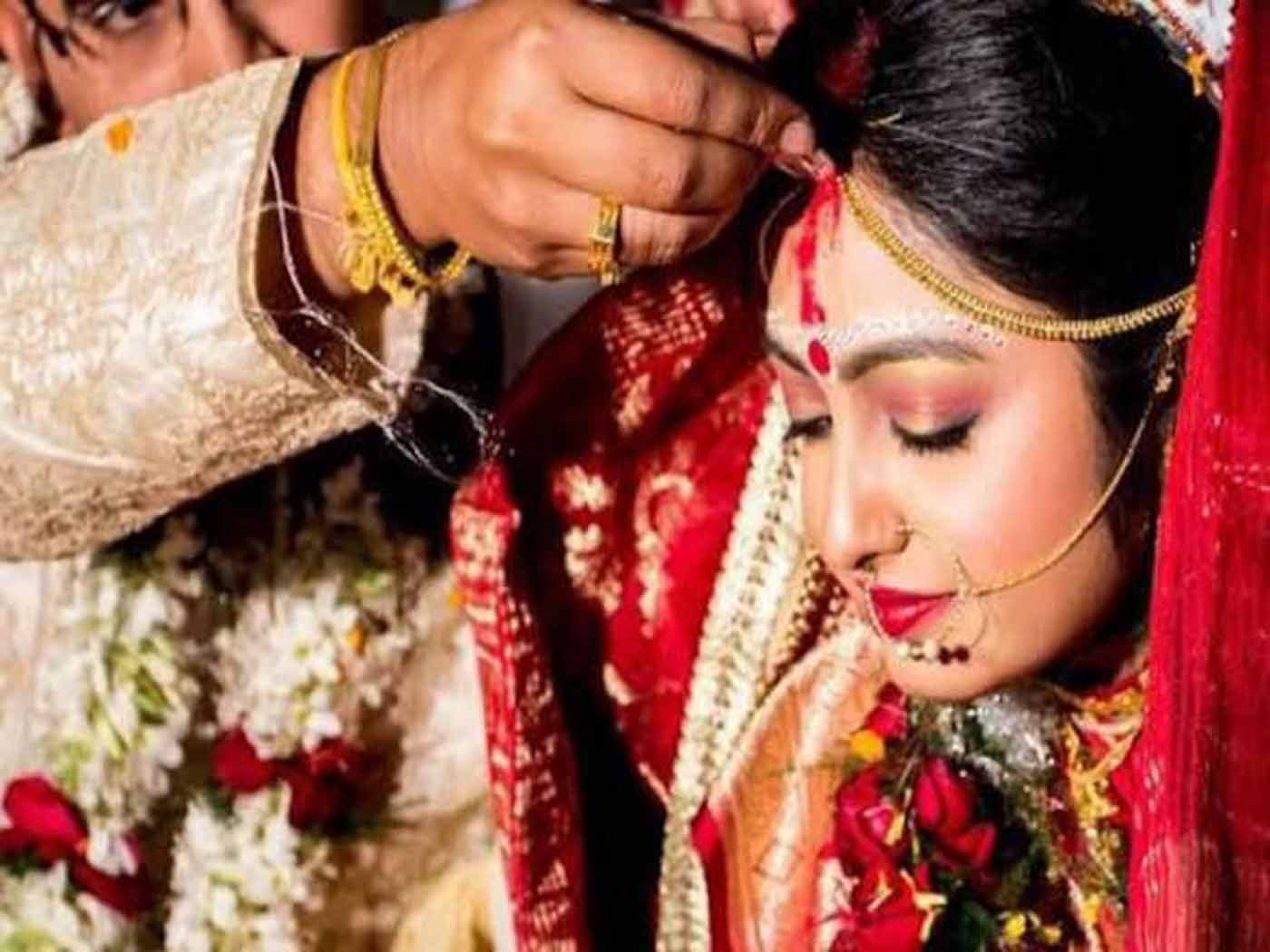
As education expands and young people spend longer periods in college and employment, marriage naturally moves further into adulthood. That creates a new window of independence.
A woman who might once have married at 21 or 22 may now be 25, 28 or 30 before she seriously considers it. By then, she has already experienced adulthood independently.
She knows what she likes. She knows what she does not like. She has a career. She has friends. She has travelled. She may have lived alone. She may have supported her family.
Marriage is no longer the beginning of her adult life. It becomes one possible addition to a life that already exists.
And Then Comes the Question: “Who Will Look After You?”
Despite all these changes, one question continues to follow unmarried Indian women:
“Who will look after you when you’re older?”
It is perhaps one of the most common arguments used to convince women that marriage is necessary. But it also reveals how deeply marriage has historically been connected with the idea of security.
Women are increasingly questioning whether security has to come from marriage. Could it come from financial planning? Friendships? Community? Siblings? Chosen families? Professional networks? Personal savings? Healthcare and social infrastructure?
For younger generations, these questions are becoming increasingly relevant. Being unmarried no longer necessarily means being socially isolated.
A woman can have an extensive support system without having a husband. And that distinction matters.
Single Does Not Automatically Mean Lonely
One of the most persistent assumptions surrounding unmarried women is that they must secretly be unhappy. But singlehood and loneliness are not the same thing.
A woman can be single and deeply connected to friends, siblings, colleagues, parents, communities and herself. She can also be married and profoundly lonely.
The quality of one’s relationships matters far more than marital status alone. That is perhaps one of the biggest psychological shifts taking place.
For generations, marriage was treated as the ultimate indicator that a woman’s life had “worked out.” Increasingly, younger women are asking whether a fulfilling life can be measured by something else entirely.
This Is Not the End of Marriage
It would be misleading to interpret these trends as evidence that Indian women are abandoning marriage altogether. They are not. Marriage remains deeply important across much of Indian society, and millions of women continue to actively seek it.
What is changing is the meaning of marriage. For some women, it remains a deeply desired institution. For others, it is something they want only if the right person comes along. For some, it is being postponed. And for others, remaining unmarried is becoming a legitimate life choice rather than a personal failure.
The distinction is crucial. The question is no longer simply whether women want to marry. It is whether they believe marriage is worth giving up anything for.
A New Definition of Partnership
The growing number of unmarried young women tells us something important about India. Women are not necessarily becoming anti-marriage.
They are becoming more choice-oriented. They are entering relationships with more information, more independence and, in many cases, higher expectations.
They want partners rather than providers. They want shared responsibility rather than traditional gender roles. They want emotional intimacy without sacrificing identity. And they increasingly believe that being single is preferable to being trapped in a partnership that diminishes them.
Perhaps that is the real change.For generations, women were taught that marriage was something they needed in order to build a complete life. The emerging generation is asking a different question:
What if a complete life is something you build first and marriage is something you choose only if it fits?
India’s marriage story is not ending. It is simply being rewritten.