
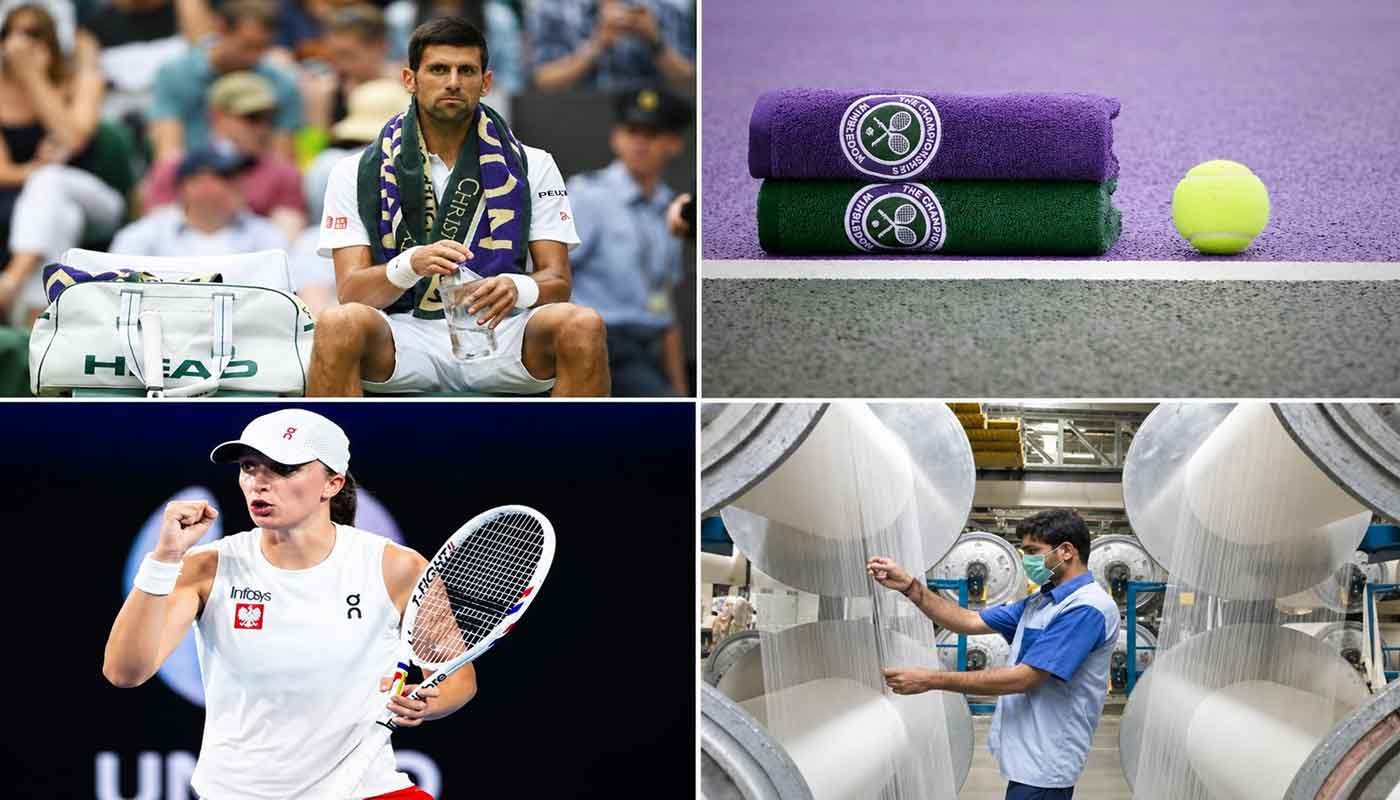
When the cameras zoom in on Novak Djokovic wiping away sweat between points or Naomi Osaka draping a towel over her shoulders during a changeover, few viewers realize they’re looking at one of India’s quietest global success stories. For the past 17 years, the iconic towels used by the world’s biggest tennis stars at Wimbledon have been manufactured not in England, but in Gujarat.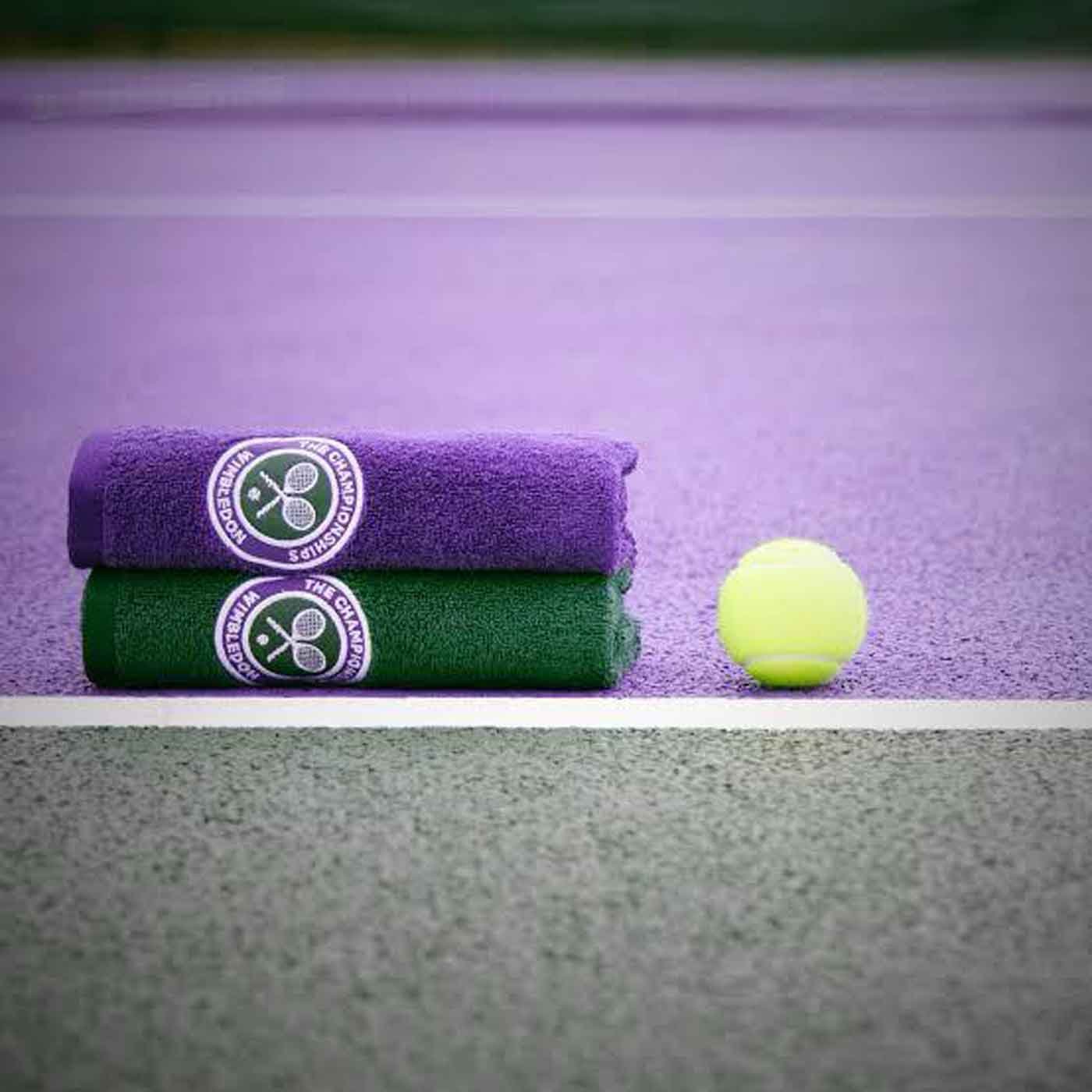
Since 2009, these prestigious towels have been produced by Welspun Living Limited, one of India’s largest home textile companies. Every year, the towels make their way from the company’s manufacturing facilities in Vapi (Valsad district)and Anjar (Kutch district) to the lush green lawns of the All England Club, where they become an inseparable part of the Wimbledon experience.
The story began long before the towels arrived in India. For more than 35 years, the official Wimbledon towels were produced by the British textile company Christy, based in Manchester. In 2006, Welspun acquired Christy and gradually shifted manufacturing operations to India. What remained unchanged, however, was the uncompromising quality expected by one of the world’s most prestigious sporting events.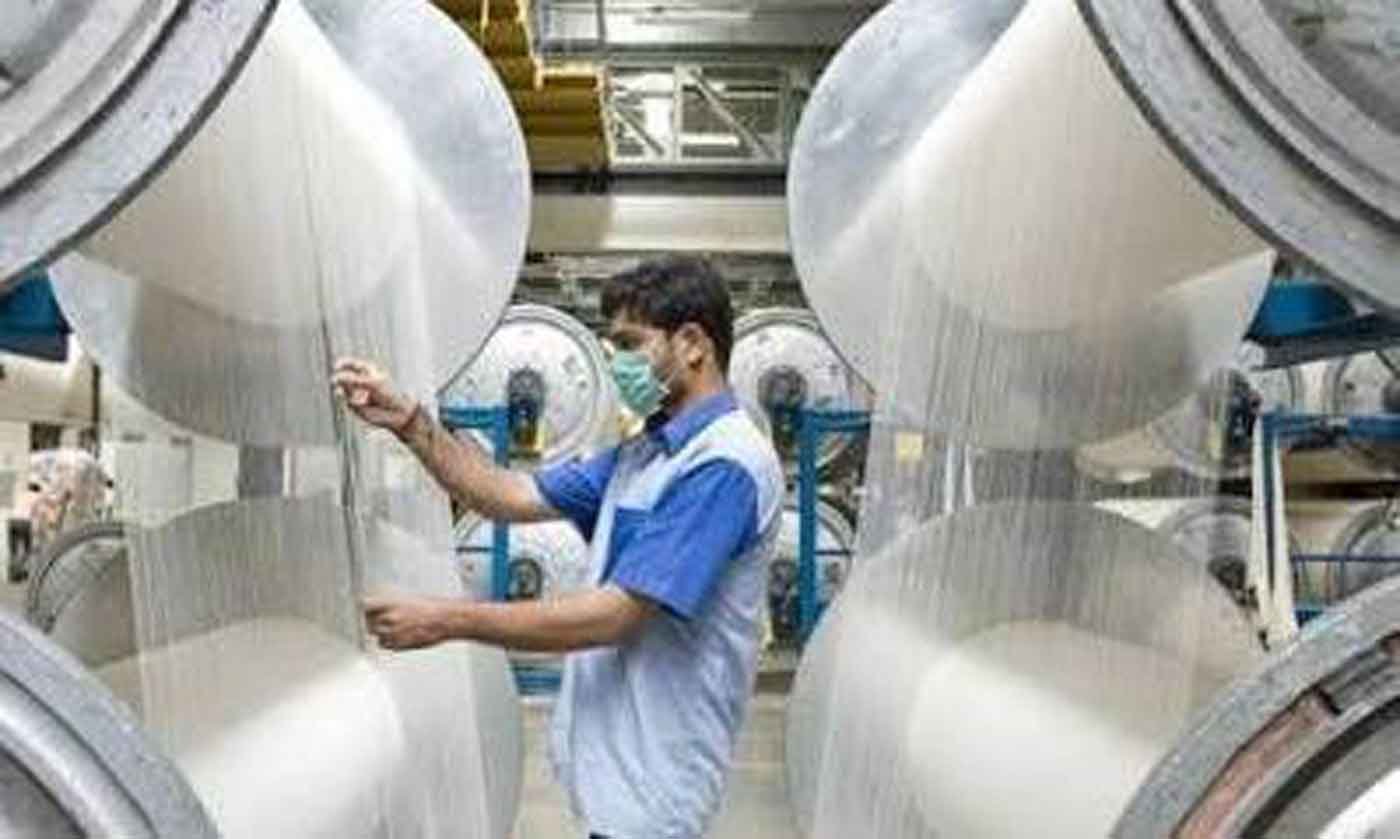
Making a Wimbledon towel is far more complicated than weaving a piece of fabric. According to Welspun, the design process begins nearly 18 months before the tournament, with close coordination between designers and Wimbledon officials. Every detail, from the weave and texture to the dimensions and colours, is carefully reviewed before production even begins.
Once the design is finalized, each towel takes approximately seven days to manufacture, undergoing multiple stages of weaving, dyeing, finishing, quality testing, and packaging before it is deemed worthy of Centre Court. In many ways, more planning goes into these towels than some college final-year projects.
The colours themselves carry tradition. The men’s towels consistently feature dark green, purple, and gold, reflecting Wimbledon’s historic club colours. The women’s towels, however, receive a fresh colour palette every year. For this edition of the Championships, they feature an elegant combination of red and white, giving collectors yet another unique design to treasure. And treasured they certainly are.
The towels have become legendary among players themselves. Novak Djokovic has reportedly admitted to carrying a separate suitcase just to take Wimbledon towels home after the tournament. Roger Federer once revealed that he often collected them as gifts for family and friends. Meanwhile, five-time Grand Slam champion Iga Świątek summed up the obsession perfectly when she joked:
“We love our towels. Every Slam, 10 friends and family want one.”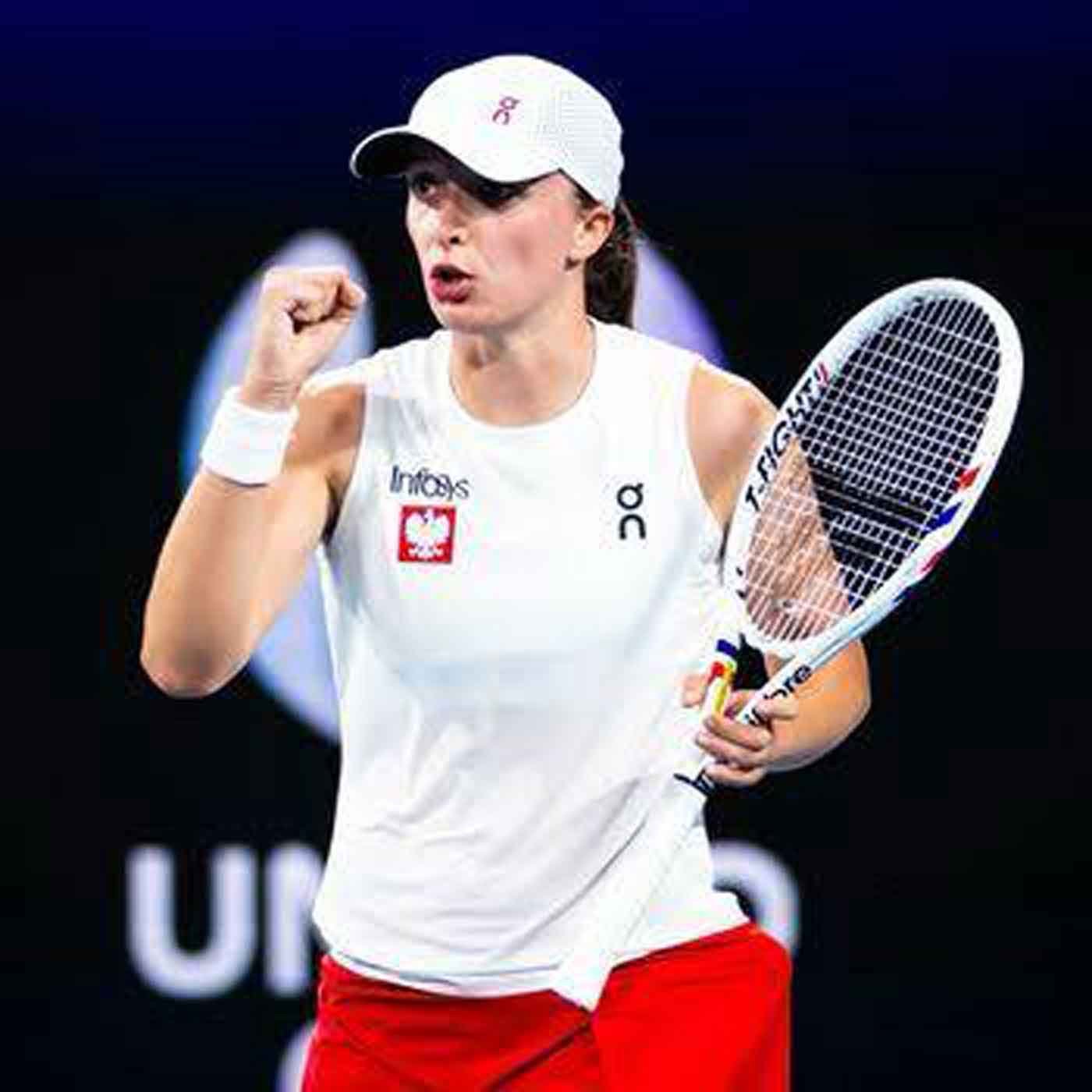
The fascination isn’t limited to tennis professionals. Wimbledon fans eagerly purchase the towels from official merchandise stores, where they retail for approximately €40 each. Many buyers have never stepped onto a tennis court, yet still consider the towel one of the tournament’s most iconic souvenirs.
Such is their popularity that organisers reportedly faced an unusual challenge during the 2025 Championships, with an estimated 500 towels disappearing every single day. While many eventually found their way into players’ luggage, countless others left the venue alongside enthusiastic spectators eager to own a piece of Wimbledon history.
Behind this global phenomenon lies India’s booming textile industry. Welspun Living, valued at around $2.7 billion, has transformed Gujarat into an international hub for premium home textiles. With significant investments in manufacturing infrastructure across Vapi and Anjar, the company has demonstrated how Indian craftsmanship can quietly become part of the world’s most celebrated sporting traditions.
For most viewers, Wimbledon is remembered for its pristine grass courts, strawberries and cream, and unforgettable matches. But hidden in plain sight is another symbol of excellence, a towel woven thousands of kilometres away in Gujarat.
It’s a reminder that sometimes, India’s greatest exports aren’t always the loudest. Sometimes, they’re simply draped over the shoulders of the world’s greatest champions.