

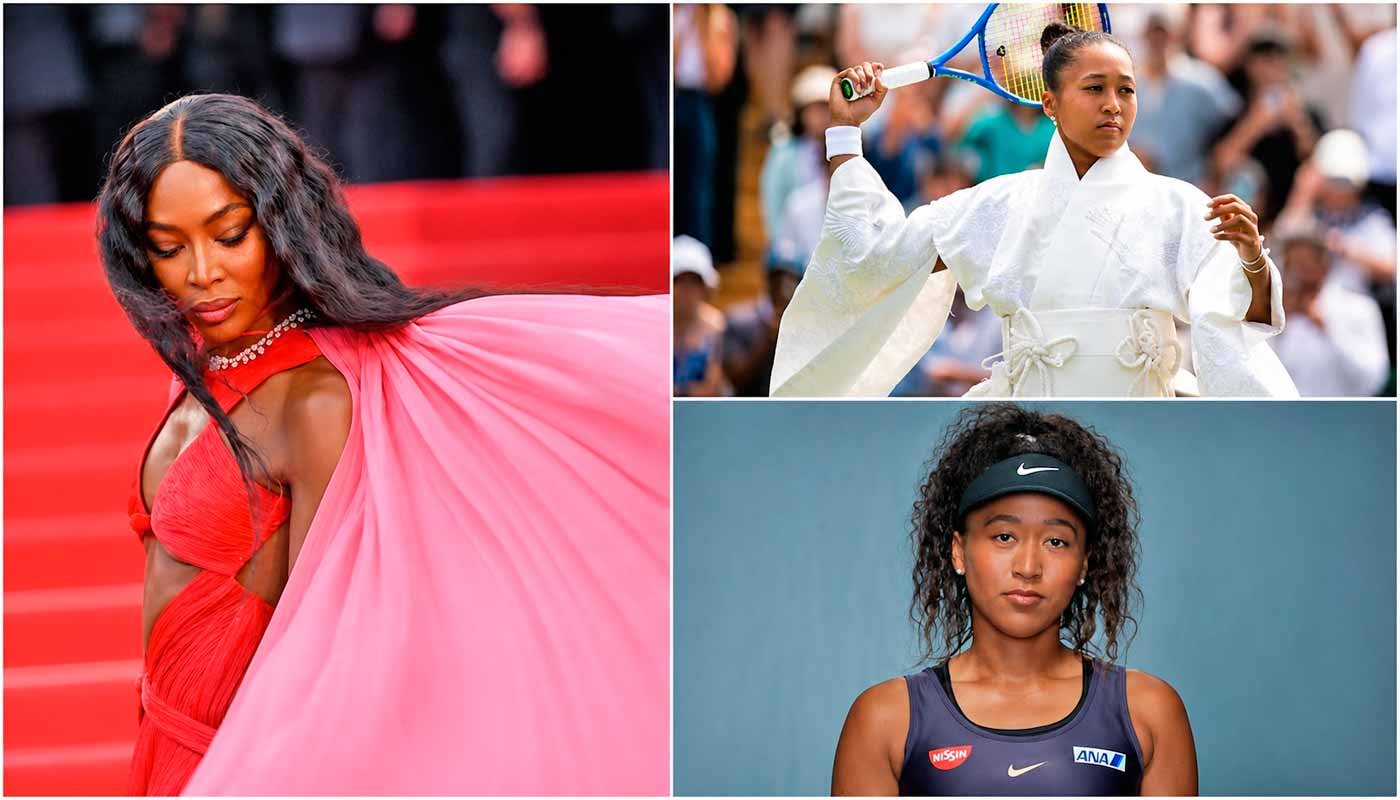
Every year, the Cannes Film Festival dominates headlines not only for the films it premieres but also for the breathtaking couture that graces its iconic red carpet. Designers, stylists, and celebrities are celebrated as much as filmmakers themselves. No one questions why fashion is part of Cannes. It simply belongs there. So why is it different when the conversation shifts to Wimbledon?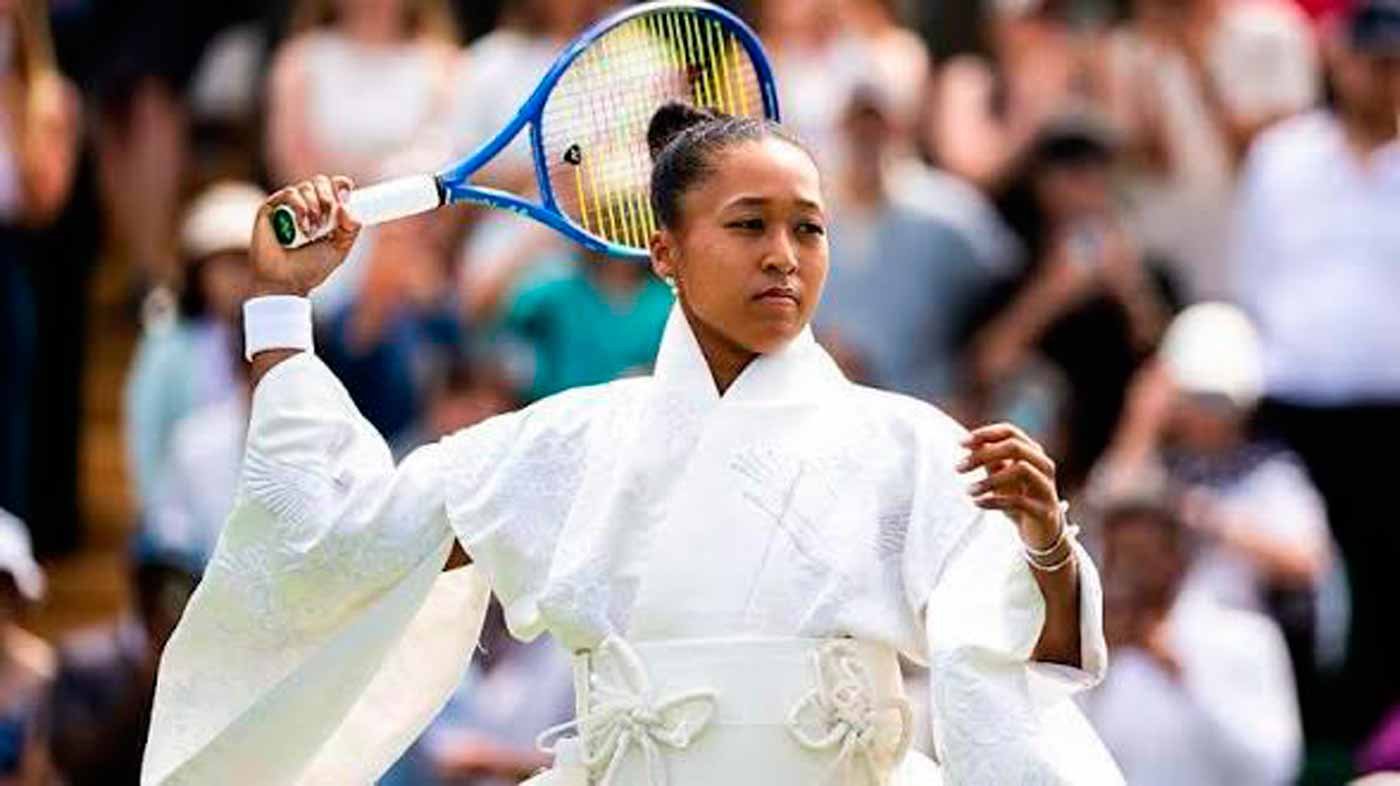
This year’s tournament witnessed a fresh wave of debate after Naomi Osaka stepped onto the court in a striking kimono-inspired ensemble, blending Japanese heritage with contemporary sportswear. The look immediately became one of the most talked-about fashion moments of the tournament. While many applauded its originality and cultural significance, others dismissed it as unnecessary, arguing that tennis should be about the sport alone.
The criticism raises an interesting question.
Why can’t Wimbledon be about sports and fashion, just as Cannes is about cinema and fashion?
Tennis has never existed in a vacuum. Wimbledon itself is built on tradition, from its famous all-white dress code to its manicured lawns, royal patronage, strawberries and cream, and timeless elegance. Fashion has always been woven into the identity of the tournament. The difference today is that athletes are using style not merely to comply with tradition but to express their individuality.
Naomi Osaka has consistently used fashion as an extension of her personality. Whether collaborating with global designers or incorporating elements of her Japanese heritage into her outfits, her clothing tells a story beyond the scoreboard. Her Wimbledon appearance was no exception. The kimono-inspired details were not about distracting from tennis. They were about celebrating culture on one of sport’s grandest stages.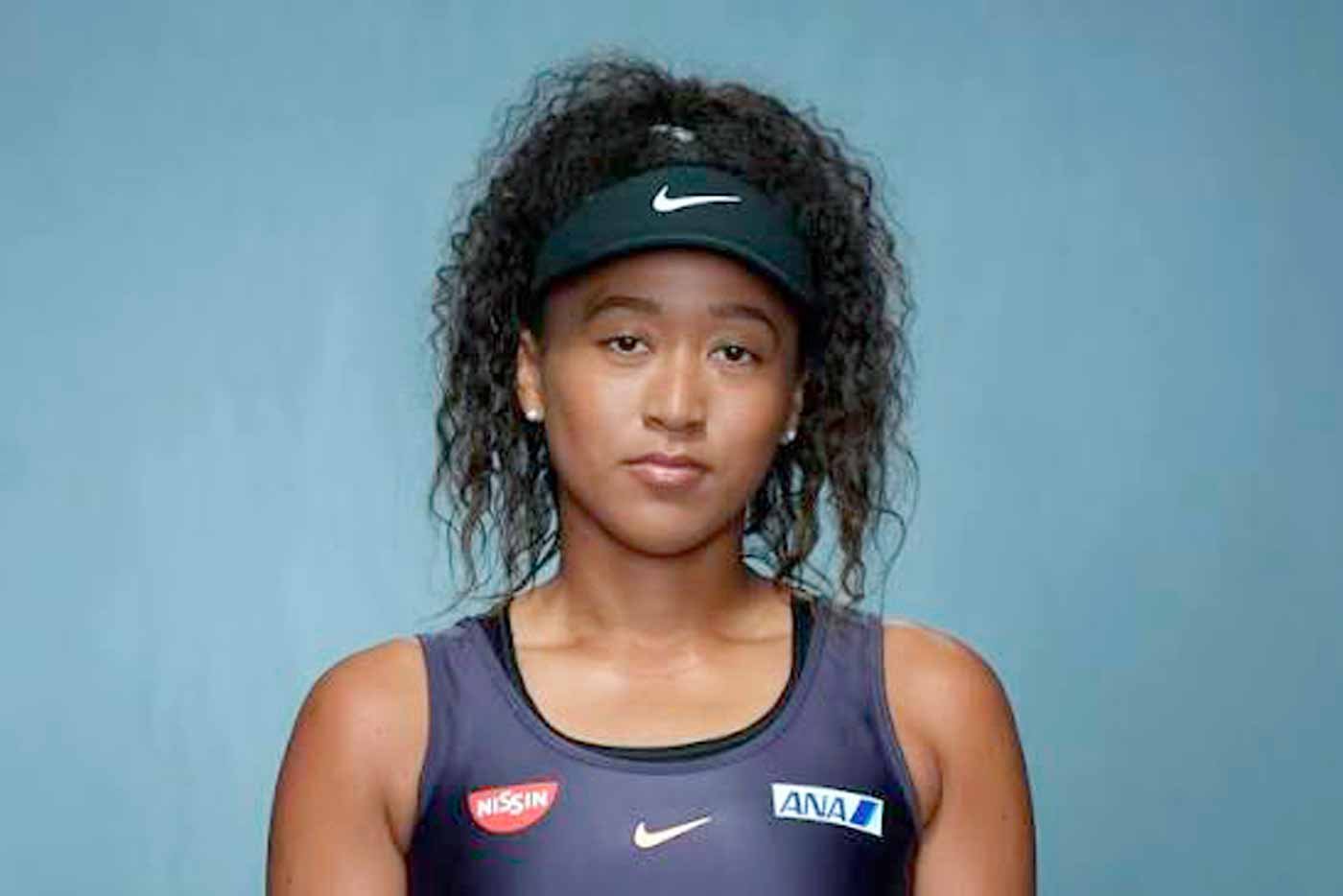
Yet, as soon as the outfit went viral, familiar criticisms emerged. Some questioned why people were discussing clothing instead of forehands and serves. Others accused the look of being attention-seeking, suggesting that fashion somehow diminished the seriousness of athletic competition.
But must one cancel out the other?
Can an athlete not be both exceptionally talented and exceptionally stylish?
History suggests otherwise.
From Serena Williams’ unforgettable on-court outfits to Roger Federer’s effortlessly elegant tailoring and Venus Williams’ long-standing fashion ventures, tennis has repeatedly demonstrated that sport and style can coexist beautifully. These athletes were never remembered only for what they wore. They were remembered because they excelled while remaining unapologetically themselves.
Perhaps the most thought-provoking response to the criticism came from a simple comment circulating online:
“Why do people have to succumb to what others say, as long as they’re doing what they want to do?”
It is a deceptively simple question.
As long as an athlete respects the rules of the tournament and delivers on the court, why should self-expression become controversial? Fashion is not the enemy of sport. It is another form of storytelling. Every outfit reflects identity, culture, confidence, and creativity. Just as a racket showcases skill, clothing can reflect personality.
This conversation extends far beyond Naomi Osaka.
It speaks to a larger tendency in society to police how public figures present themselves. Women, in particular, often find themselves navigating impossible expectations. If they embrace fashion, they risk being labelled superficial. If they ignore it, they are criticised for lacking charisma. They are expected to excel, but not stand out too much.
The irony is impossible to ignore.
Millions celebrate red carpets at film festivals. Formula One drivers regularly become fashion ambassadors. Footballers launch luxury campaigns. Cricketers appear on magazine covers. Yet when a tennis player chooses to make a sartorial statement, some suddenly argue that sport should remain untouched by fashion.
Perhaps the real issue isn’t the outfit.
Perhaps it is our discomfort with people expressing themselves outside the narrow roles we assign them.
Sport has always been about more than competition. It is about identity, culture, confidence, and inspiring others. Fashion simply becomes another language through which athletes communicate those values.
If Cannes can celebrate cinema and couture without compromising either, there is no reason Wimbledon cannot celebrate tennis and style in the very same breath. After all, greatness has never been defined by fitting in. It has always belonged to those courageous enough to stand out.