

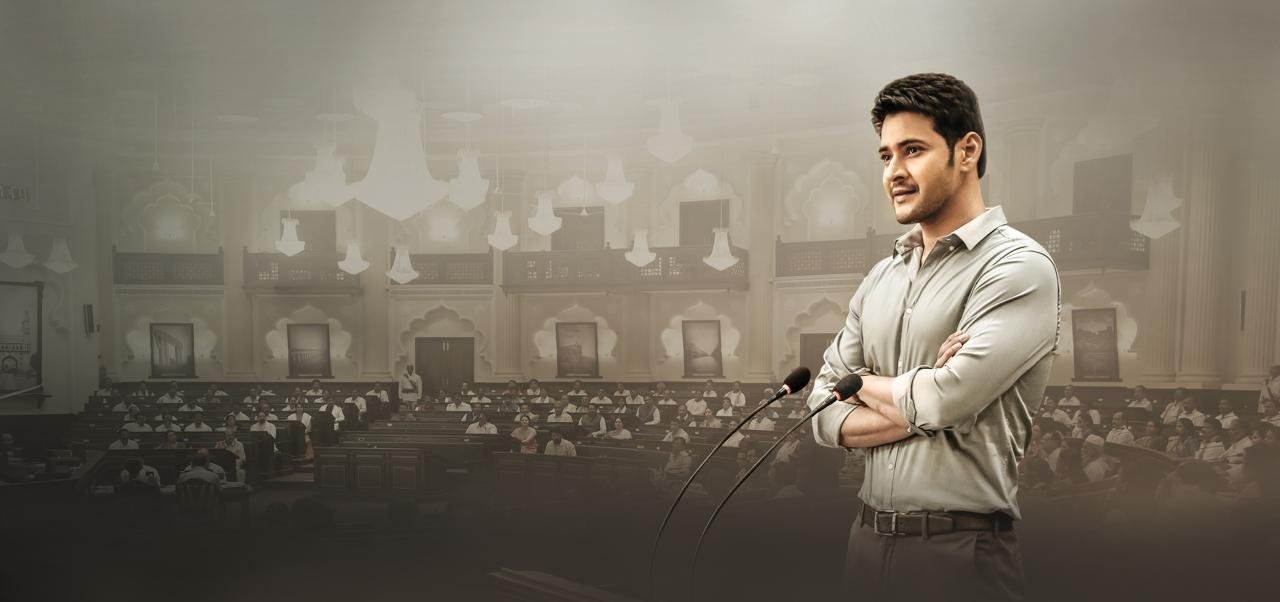
10 Telugu Films That Dared to Question the System
Cinema has always reflected society. Sometimes it entertains. Sometimes it questions.
Telugu cinema has never shied away from taking on corruption, political hypocrisy, corporate greed, caste oppression, or institutional failure. While these films delivered commercial success, they also asked uncomfortable questions about the systems people live under every day.
Here are ten Telugu films that challenged the status quo and reminded audiences that cinema can be both entertaining and socially powerful.
1. Oke Okkadu (1999)
Director: Shankar
Cast: Arjun Sarja, Manisha Koirala

What would happen if an ordinary citizen became Chief Minister for just one day? That simple question drives Oke Okkadu. A fearless television journalist accepts the challenge to govern Andhra Pradesh for 24 hours. Instead of making promises, he takes immediate action against corruption, bureaucracy, and political crime.
The film became one of Indian cinema’s most memorable political thrillers because it imagined a government built on accountability rather than compromise.
Theme: Political accountability, governance, public responsibility.
2. Tagore (2003)
Director: V. V. Vinayak
Cast: Chiranjeevi
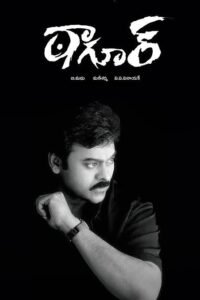
Tagore transformed corruption into the central villain. Chiranjeevi plays a college professor who secretly leads an anti-corruption movement known as the Anti-Corruption Force. The organisation punishes corrupt officials who exploit ordinary citizens while exposing how deeply bribery has become embedded in everyday life.
The film sparked conversations across India about corruption and civic responsibility.
Theme: Corruption, justice, accountability.
3. Prasthanam (2010)
Director: Deva Katta
Cast: Sharwanand, Sai Kumar, Sundeep Kishan

Unlike conventional political dramas, Prasthanam explores what power does to people. The film follows a political family torn apart by ambition, succession, greed, and moral compromise. Every character faces impossible ethical choices, showing how politics often blurs the line between justice and survival.
Even today, it remains one of Telugu cinema’s finest political dramas.
Theme: Political power, morality, ethics.
4. Leader (2010)
Director: Sekhar Kammula
Cast: Rana Daggubati, Richa Gangopadhyay, Priya Anand

What happens when an honest man inherits a corrupt political system? Rana Daggubati’s debut film follows a young Chief Minister determined to transform governance through transparency, clean administration, and ethical leadership. Instead of relying on violence, he attempts reform from within the system itself.
The film remains remarkably relevant years after its release.
Theme: Political reform, ethical leadership, governance.
5. Bharat Ane Nenu (2018)
Director: Koratala Siva
Cast: Mahesh Babu, Kiara Advani

After unexpectedly becoming Chief Minister, Bharath refuses to accept mediocrity. He introduces strict governance, enforces accountability among public officials, improves public services, and reminds citizens that rights must be matched with responsibilities.
Rather than portraying politics as hopeless, the film argues that strong leadership can reshape institutions.
Theme: Governance, civic responsibility, administrative reform.
6. Rangasthalam (2018)
Director: Sukumar
Cast: Ram Charan, Samantha Ruth Prabhu

Set in a rural village during the 1980s, Rangasthalam exposes how unchecked local political power can become oppressive. As villagers suffer under an authoritarian village president, they slowly unite against exploitation, intimidation, and corruption. The film combines rural drama with a powerful commentary on grassroots democracy.
Its emotional climax remains one of Telugu cinema’s most celebrated moments.
Theme: Grassroots resistance, abuse of power, democracy.
7. Maharshi (2019)
Director: Vamshi Paidipally
Cast: Mahesh Babu, Pooja Hegde, Allari Naresh

Success means little when those who feed the nation are struggling. Maharshi follows a successful businessman who returns to his village after reconnecting with his childhood friend. There, he witnesses the hardships faced by farmers trapped by debt, land disputes, and corporate exploitation.
The film brought agricultural distress into mainstream commercial cinema.
Theme: Farmers’ rights, agriculture, corporate exploitation.
8. Yatra (2019)
Director: Mahi V. Raghav
Cast: Mammootty

Based on Y. S. Rajasekhara Reddy’s historic padayatra, Yatra focuses less on politics and more on people. The film follows his journey across rural Andhra Pradesh, highlighting farmers’ distress, poverty, unemployment, healthcare challenges, and the importance of listening before governing.
It presents leadership as service rather than authority.
Theme: Public welfare, leadership, people’s struggles.
9. Republic (2021)
Director: Deva Katta
Cast: Sai Dharam Tej, Aishwarya Rajesh, Ramya Krishna

Republic asks a difficult question: Can honest bureaucrats survive corrupt politics? Sai Dharam Tej plays an IAS officer who refuses to compromise while taking on powerful politicians and entrenched interests. The film explores how institutions are weakened when political influence overrides constitutional values.
It became one of Telugu cinema’s strongest commentaries on governance.
Theme: Bureaucracy, constitutional values, systemic corruption.
10. Vakeel Saab (2021)
Director: Venu Sriram
Cast: Pawan Kalyan, Nivetha Thomas, Anjali, Ananya Nagalla

More than a courtroom drama, Vakeel Saab challenges victim-blaming and patriarchal attitudes. A lawyer defends three young women against influential men while repeatedly reinforcing one simple principle: consent matters.
The film adapted Pink for Telugu audiences while expanding its emotional and social impact.
Theme: Women’s rights, consent, legal justice.
11. Khaidi No. 150 (2017)
Director: V. V. Vinayak
Cast: Chiranjeevi, Kajal Aggarwal

Marking Chiranjeevi’s return to cinema, Khaidi No. 150 centres on farmers fighting against powerful corporations attempting to seize their land. The film questions the human cost of rapid industrialisation and reminds audiences that development should never come at the expense of livelihoods.
Its message about land rights continues to resonate.
Theme: Farmers’ rights, land acquisition, corporate exploitation.
When Cinema Speaks Truth to Power
These films differ in genre, scale, and storytelling. Some use political thrillers. Others rely on courtroom drama, rural realism, or emotional family narratives.
Yet they all ask the same question:
Who holds power, and who pays the price when that power goes unchecked?
That is why these films continue to matter. They don’t simply entertain. They encourage audiences to question authority, demand accountability, and imagine a more just society.