
India’s growing energy demand and the recent concerns over LPG supply disruptions have made energy conservation a topic of increasing importance. With households, restaurants and industries relying heavily on LPG for daily cooking needs, even small shortages can disrupt routines and increase expenses. The situation highlights the need for both awareness and practical measures to save gas and energy at home.
Across India, LPG consumption has risen steadily over the years, particularly after the expansion of government schemes that brought cleaner cooking fuel to millions of households. According to government energy data, LPG now reaches the vast majority of Indian homes, replacing traditional fuels such as firewood and kerosene. However, rising global energy prices, shipping disruptions and seasonal demand spikes often create supply pressures in the domestic market.
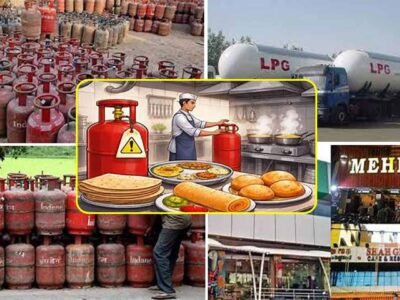
In recent weeks, reports of LPG shortages and rising commercial cylinder prices have emerged in cities like Hyderabad. Restaurants and caterers in the city have reported difficulty in obtaining regular cylinder refills, while the cost of commercial LPG cylinders has increased significantly. Although domestic supply remains relatively stable, such developments highlight the importance of efficient energy use at both household and commercial levels.
Saving LPG at home does not require major lifestyle changes. Small adjustments in cooking habits can make a significant difference. One of the simplest methods is using a pressure cooker, which cooks food faster and consumes less gas. Covering utensils while cooking also helps retain heat and reduces fuel usage.
Proper preparation before turning on the stove is another effective practice. Washing and cutting vegetables beforehand ensures that the burner is not kept running unnecessarily. Similarly, soaking pulses and rice for a short time before cooking can reduce cooking time and save gas.
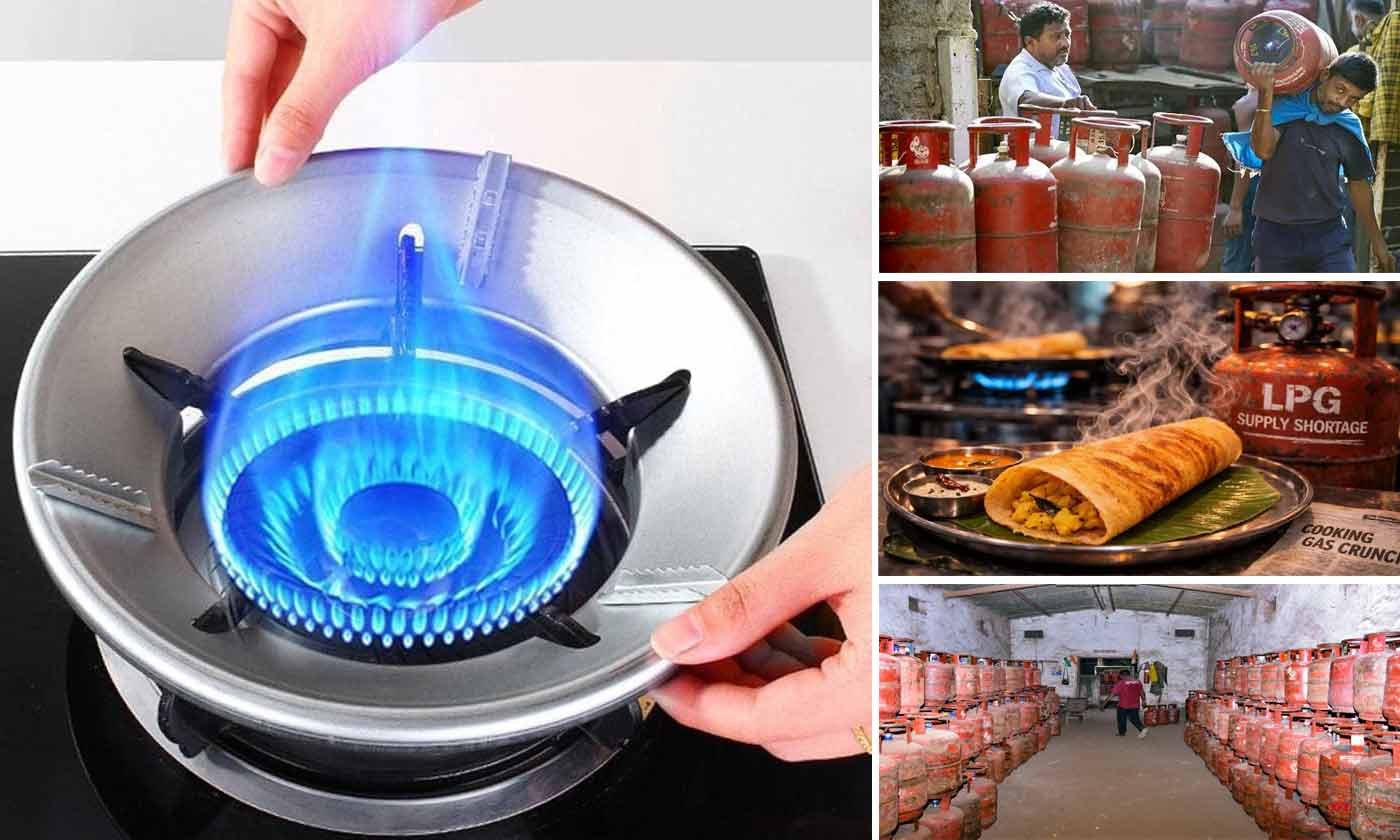
Maintaining kitchen equipment also plays a crucial role in energy efficiency. Regularly cleaning burners ensures that the flame burns blue and steady, which indicates efficient combustion. Yellow or uneven flames usually signal blockage or improper air supply, leading to higher gas consumption.
Households can also consider adopting complementary energy-saving practices such as using induction cooktops or solar cookers when possible. These alternatives reduce dependence on LPG and provide flexibility during supply fluctuations.
In cities like Hyderabad, where the hospitality sector relies heavily on LPG, efficient usage becomes even more important. Restaurants and hostels are already exploring ways to optimise kitchen operations, reduce waste and manage energy consumption more carefully.
Ultimately, conserving LPG is not only about reducing household expenses. It also contributes to national energy security by lowering demand pressure on supply chains. As India continues to expand its energy infrastructure, responsible consumption at the individual level will remain an essential part of ensuring reliable access to cooking fuel for everyone.