

Recent comments attributed to actor Timothée Chalamet have reignited a long-standing cultural debate: are traditional performance arts like ballet and opera fading into irrelevance, or simply evolving for a new generation? While the phrasing of such remarks may appear stark, the underlying question is far more complex—and increasingly relevant in today’s fast-changing entertainment landscape.
Ballet and opera have historically been regarded as pillars of high culture. With roots stretching back centuries, both art forms have shaped global artistic expression through their emphasis on discipline, storytelling, and technical mastery. However, in an era dominated by digital media, streaming platforms, and rapidly shifting audience preferences, these traditions face mounting challenges in maintaining widespread appeal.
Attendance trends in many parts of the world suggest a gradual decline in younger audiences engaging with classical performance arts. Factors such as high ticket costs, perceived elitism, and limited accessibility have often been cited as barriers. Compared to the immediacy and convenience of modern entertainment—ranging from short-form video content to blockbuster cinema—ballet and opera can appear distant or inaccessible to newer generations.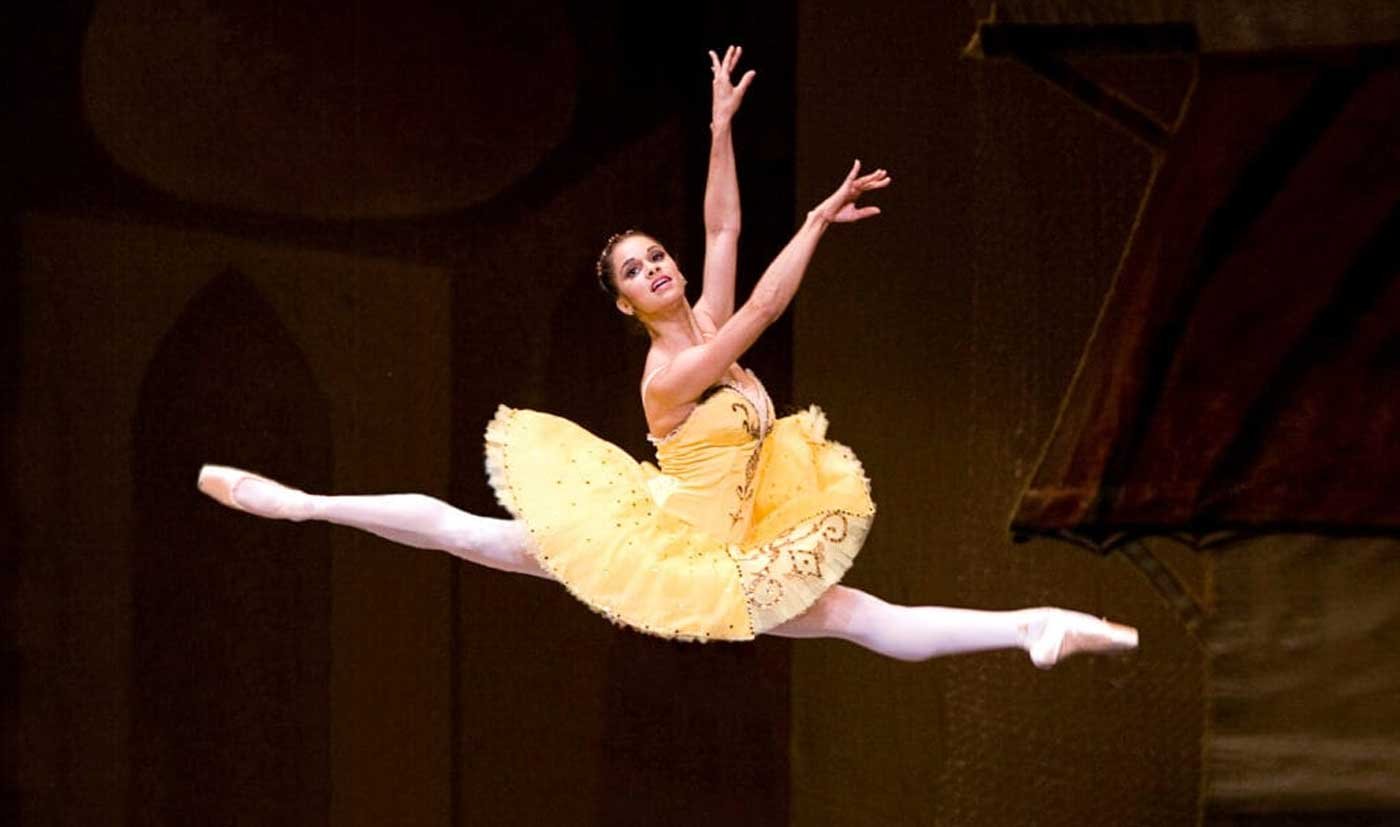
At the same time, labeling these art forms as “dying” may overlook important nuances. Many institutions and artists are actively working to modernize their approach. Contemporary productions increasingly experiment with diverse casting, innovative choreography, and updated narratives that resonate with present-day audiences. Digital streaming of performances and social media outreach have also helped bring ballet and opera beyond traditional venues, expanding their reach globally.
Moreover, there remains a dedicated audience that continues to support and celebrate these art forms. Prestigious companies and opera houses still draw significant attendance, and international festivals regularly showcase both classical and experimental works. Educational programs and grassroots initiatives are also playing a crucial role in introducing younger audiences to these disciplines.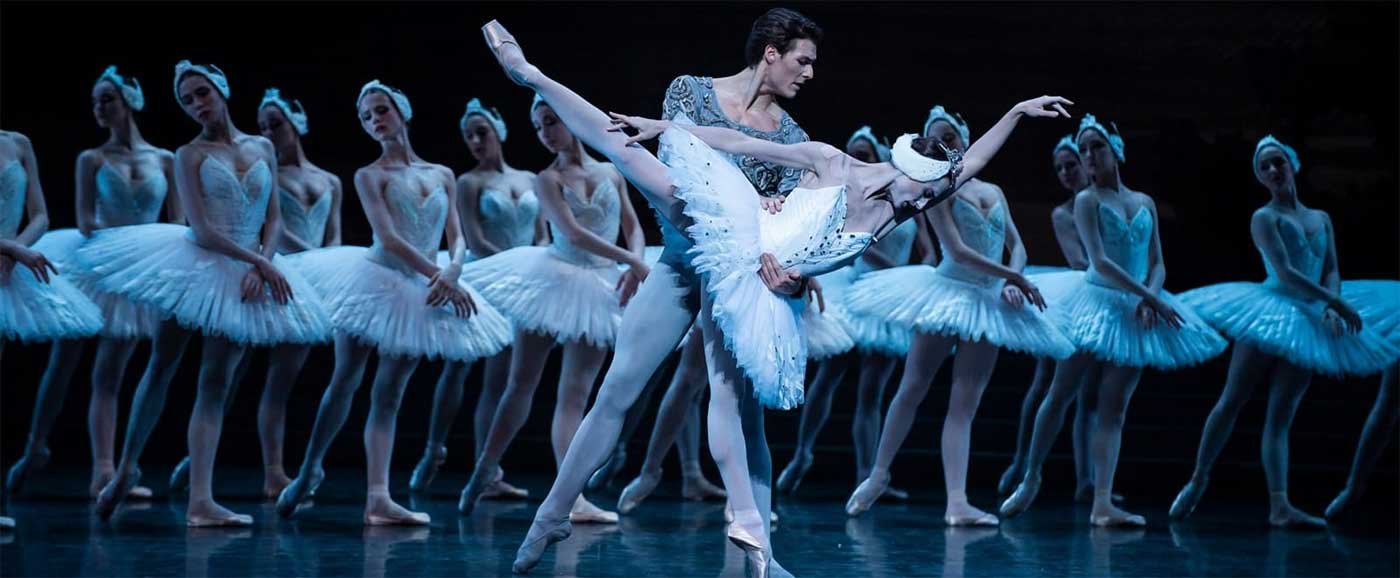
The conversation sparked by such remarks ultimately reflects a broader cultural shift rather than a definitive decline. It raises questions about how art evolves, who it is for, and how it can remain relevant without losing its essence. Rather than disappearing, ballet and opera may be undergoing a transformation—adapting to coexist alongside newer forms of entertainment while preserving their rich heritage.
As the debate continues, one thing remains clear: the future of these art forms will depend not only on tradition but also on innovation, accessibility, and the willingness to engage with changing audiences.
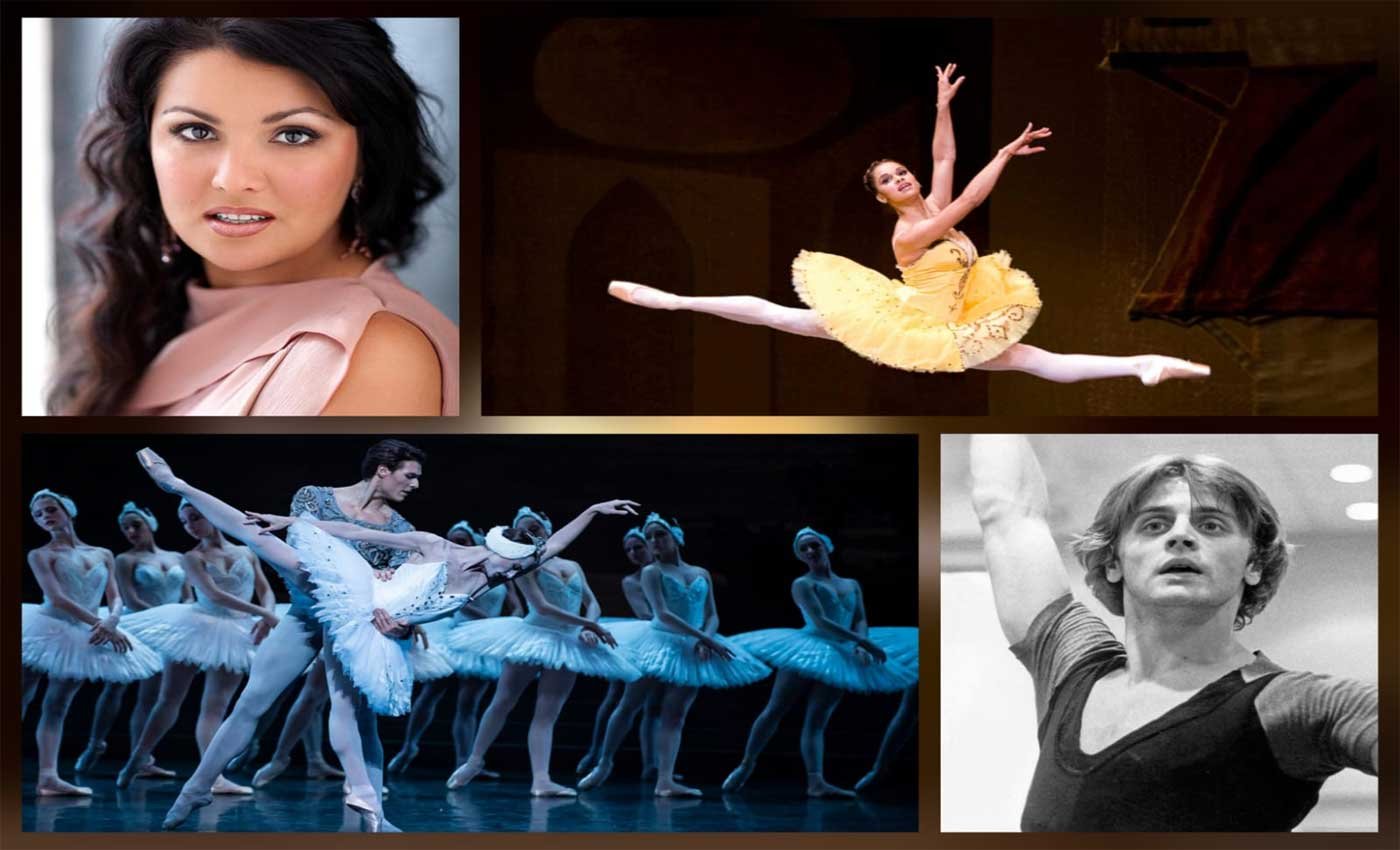
Prominent living figures continue to shape ballet and opera today, including Mikhail Baryshnikov, Misty Copeland, and Anna Netrebko. Baryshnikov remains an influential voice in dance through his artistic leadership and advocacy. Copeland, as a principal dancer with American Ballet Theatre, has broken barriers and inspired greater diversity in ballet. In opera, Netrebko is widely recognized for her powerful performances on major international stages. Together, these artists demonstrate how classical traditions can remain vibrant and relevant, connecting with contemporary audiences while preserving the depth and discipline of their respective art forms.