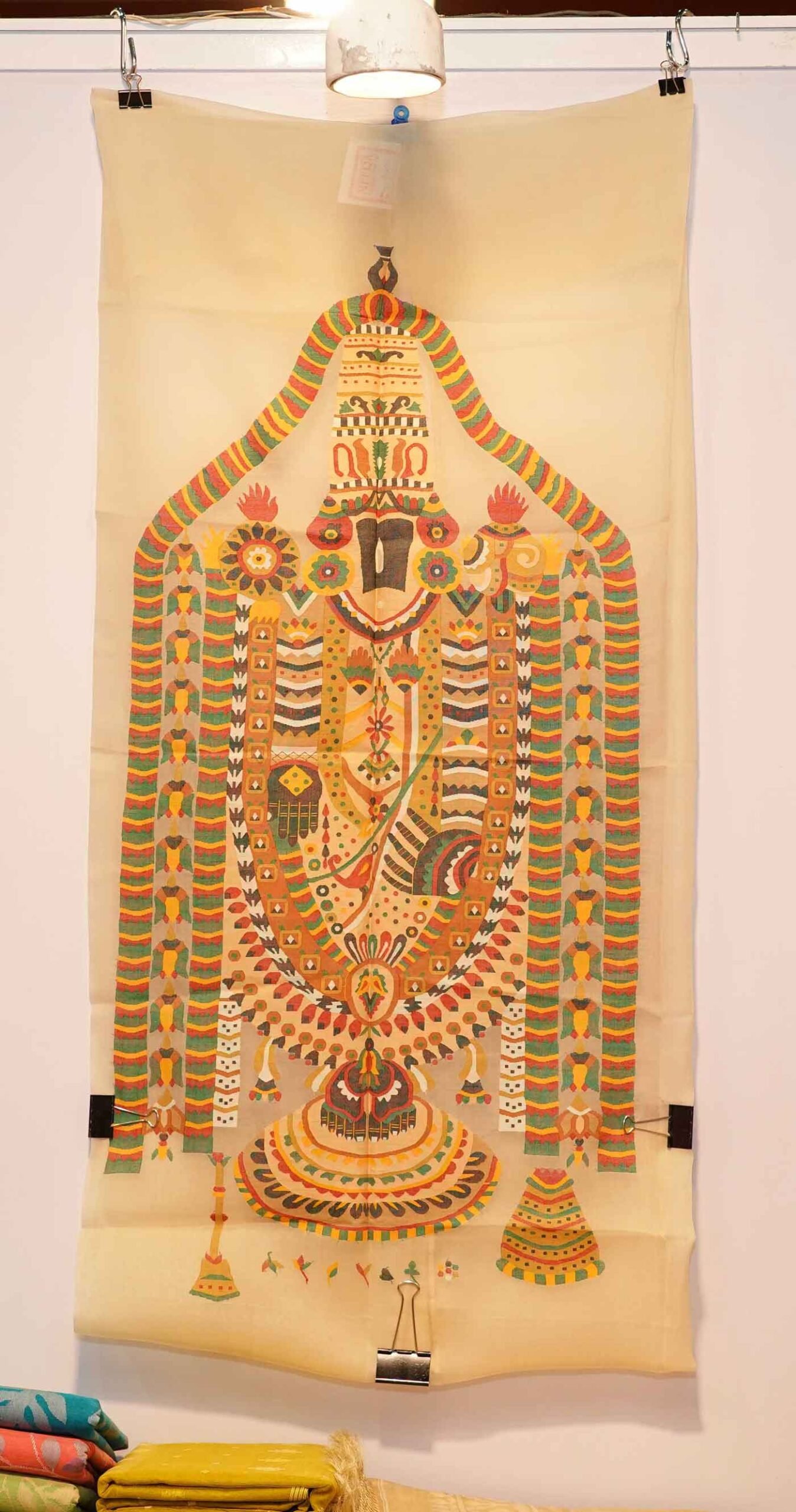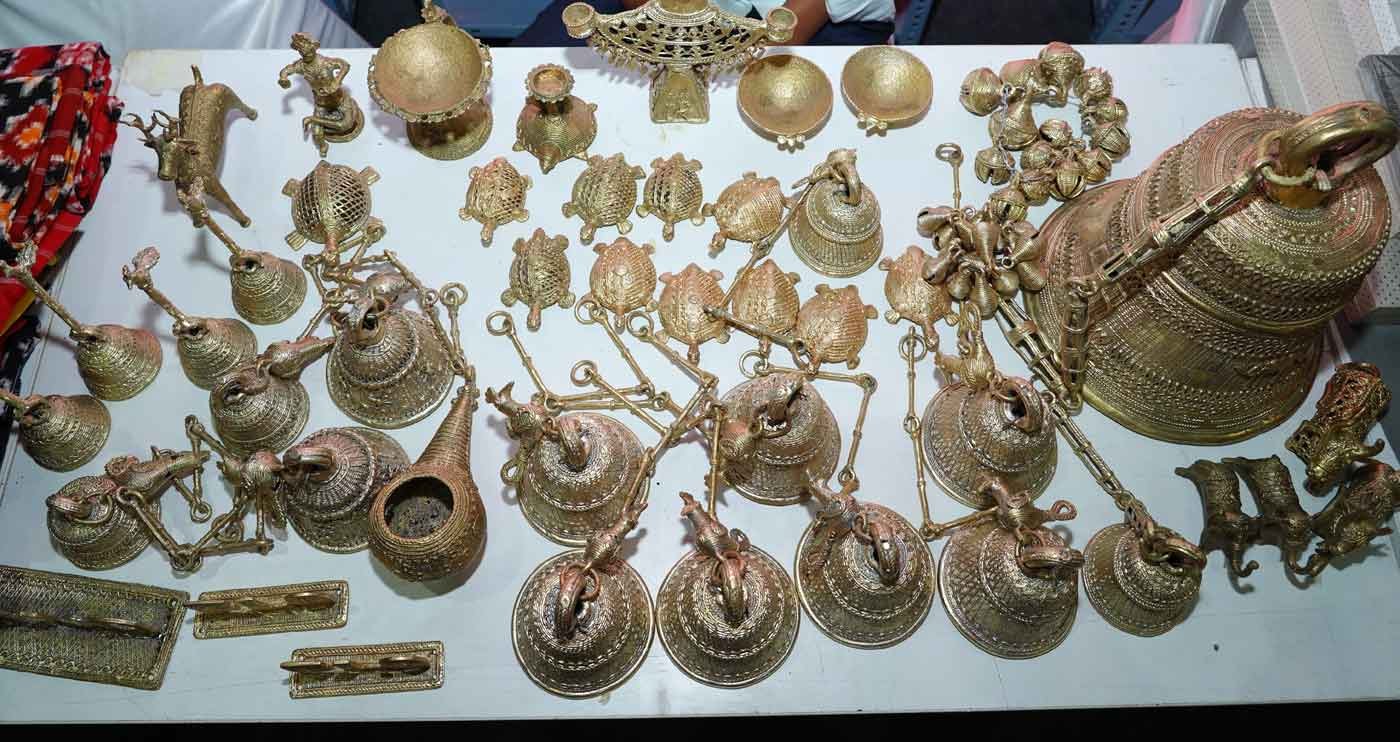

FLO’s Initiative Pavilion offers free space to artisans of Telia Rumal, Narayanpet Handlooms, Gollabhama, Banjara Needlecraft, Dokra, Gadwal, Bidriware, Cheriyal Scroll Painting and other traditional crafts
StyleTatva 2026 is expected to generate business worth over ₹5 crore during the two-day exhibition.
Amid the glamour, fashion and lifestyle offerings at FLO StyleTatva 2026, traditional artisans and heritage craft forms are emerging as some of the biggest crowd-pullers, attracting buyers, collectors, designers and craft enthusiasts from across the city.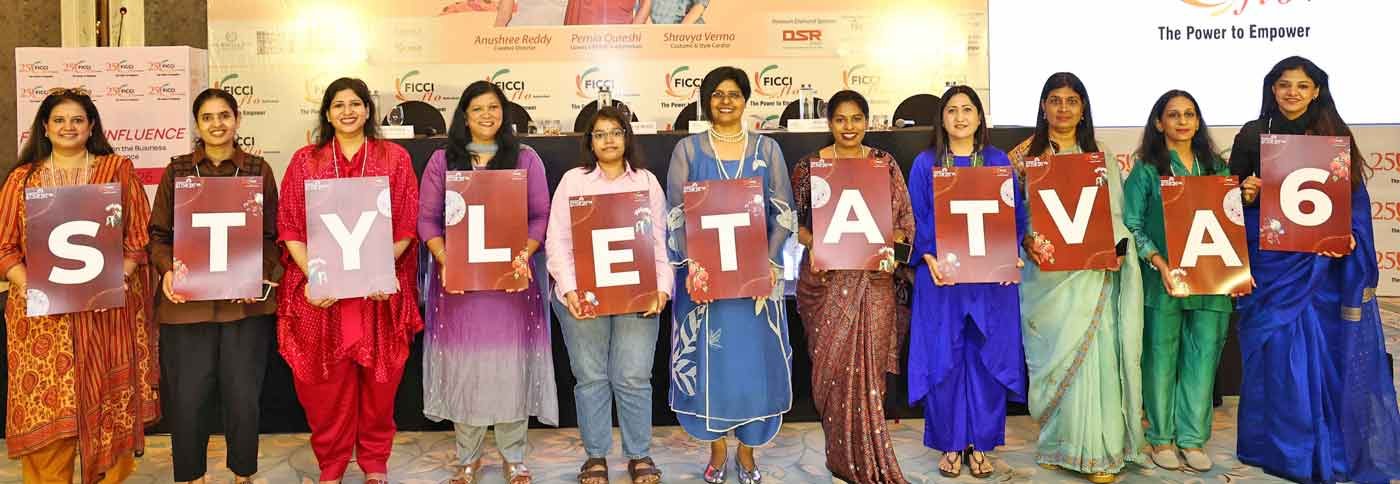
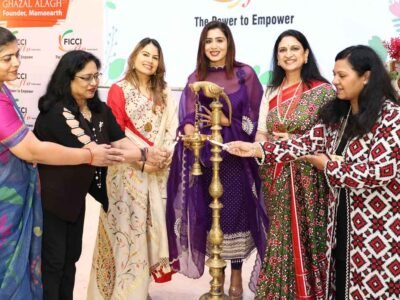
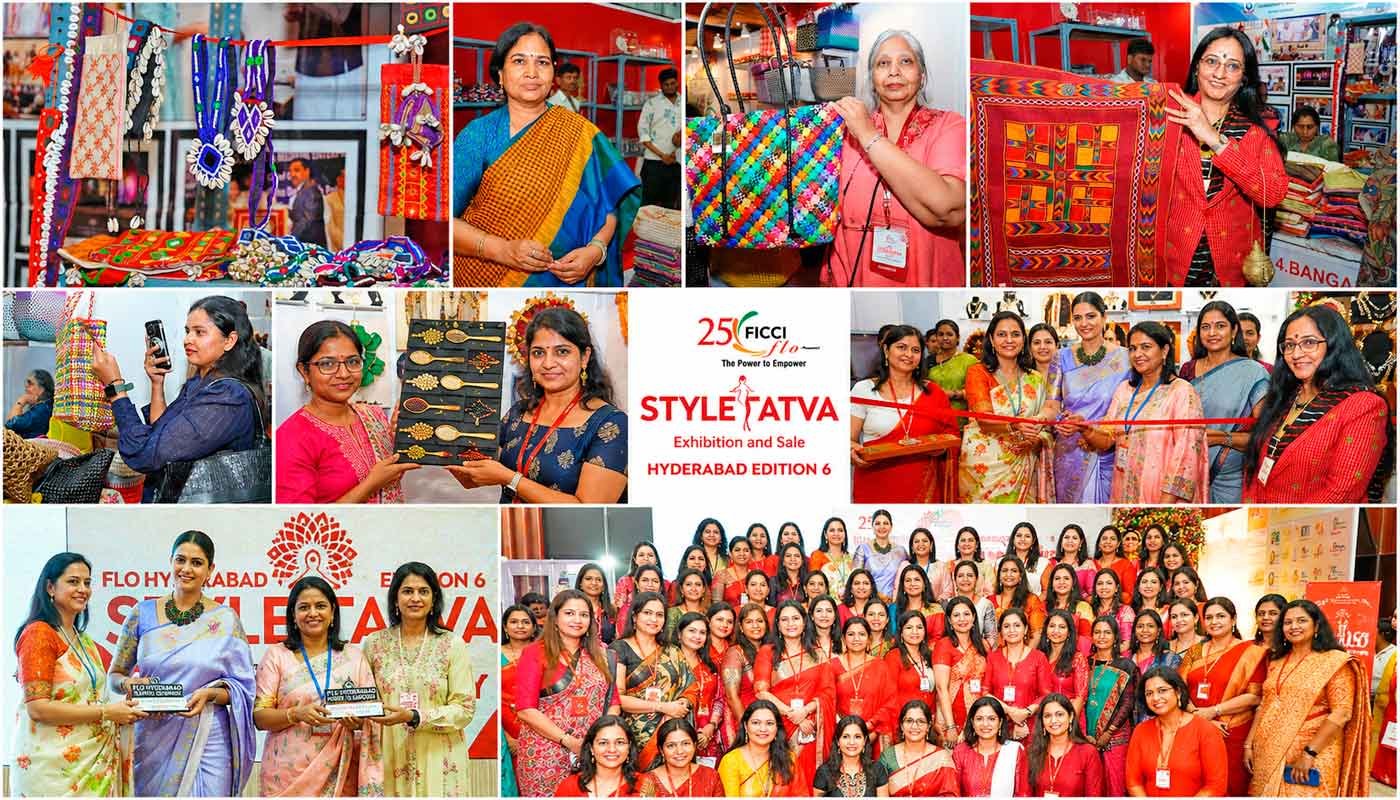
More than a lifestyle exhibition, StyleTatva has evolved into a platform for craft revival, artisan livelihoods and cultural preservation. A special Initiative Pavilion, set up by FLO Hyderabad as part of its Silver Jubilee celebrations, has become one of the most visited sections of the exhibition.
The pavilion brings together nine traditional craft forms that FLO Hyderabad has nurtured, revived and promoted over the past six years, providing artisans with a valuable opportunity to directly engage with customers, showcase their creations and expand their market reach.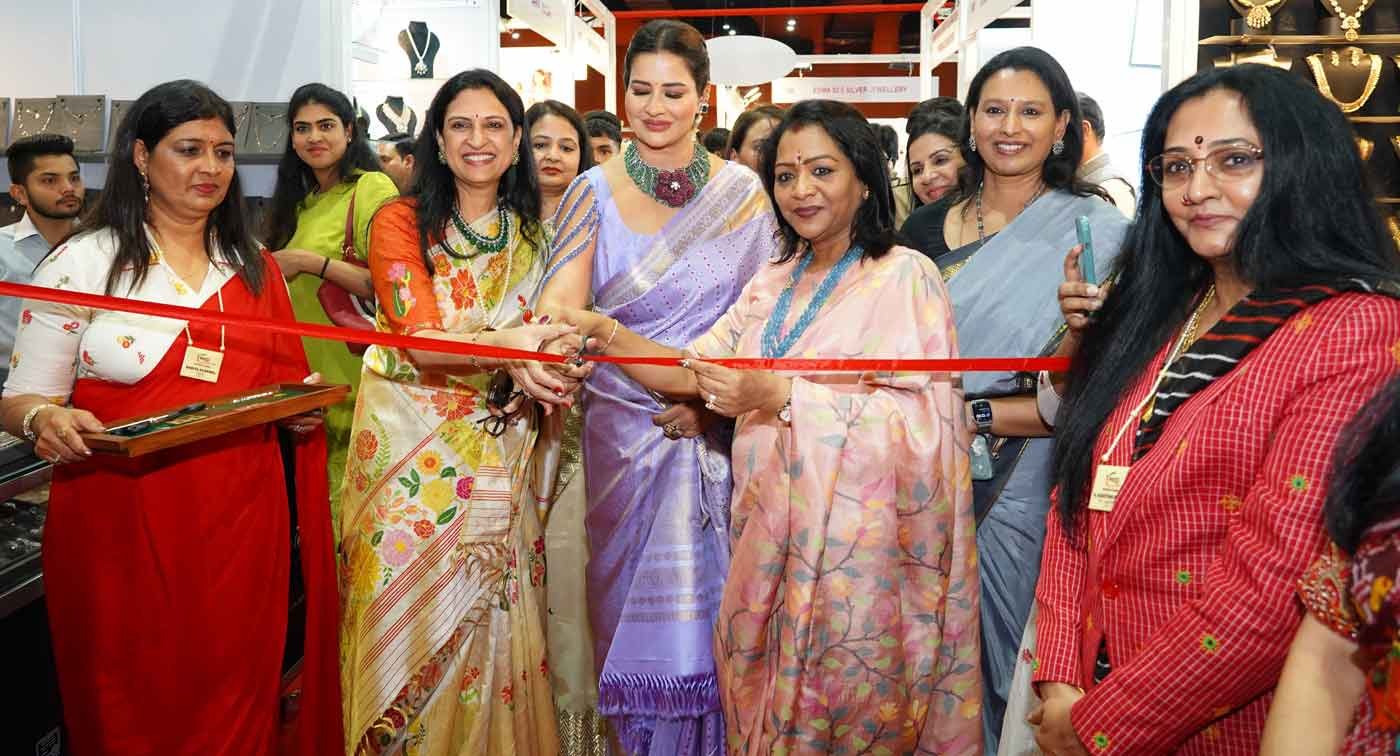
The featured craft traditions include Telia Rumal, Narayanpet Handlooms, Gollabhama, Banjara Needlecraft, Dokra, Gadwal, Bidriware, Cheriyal Scroll Painting and other traditional art forms. Several of these crafts are categorised as endangered, vulnerable or at risk of decline, making market access critical for their survival and growth.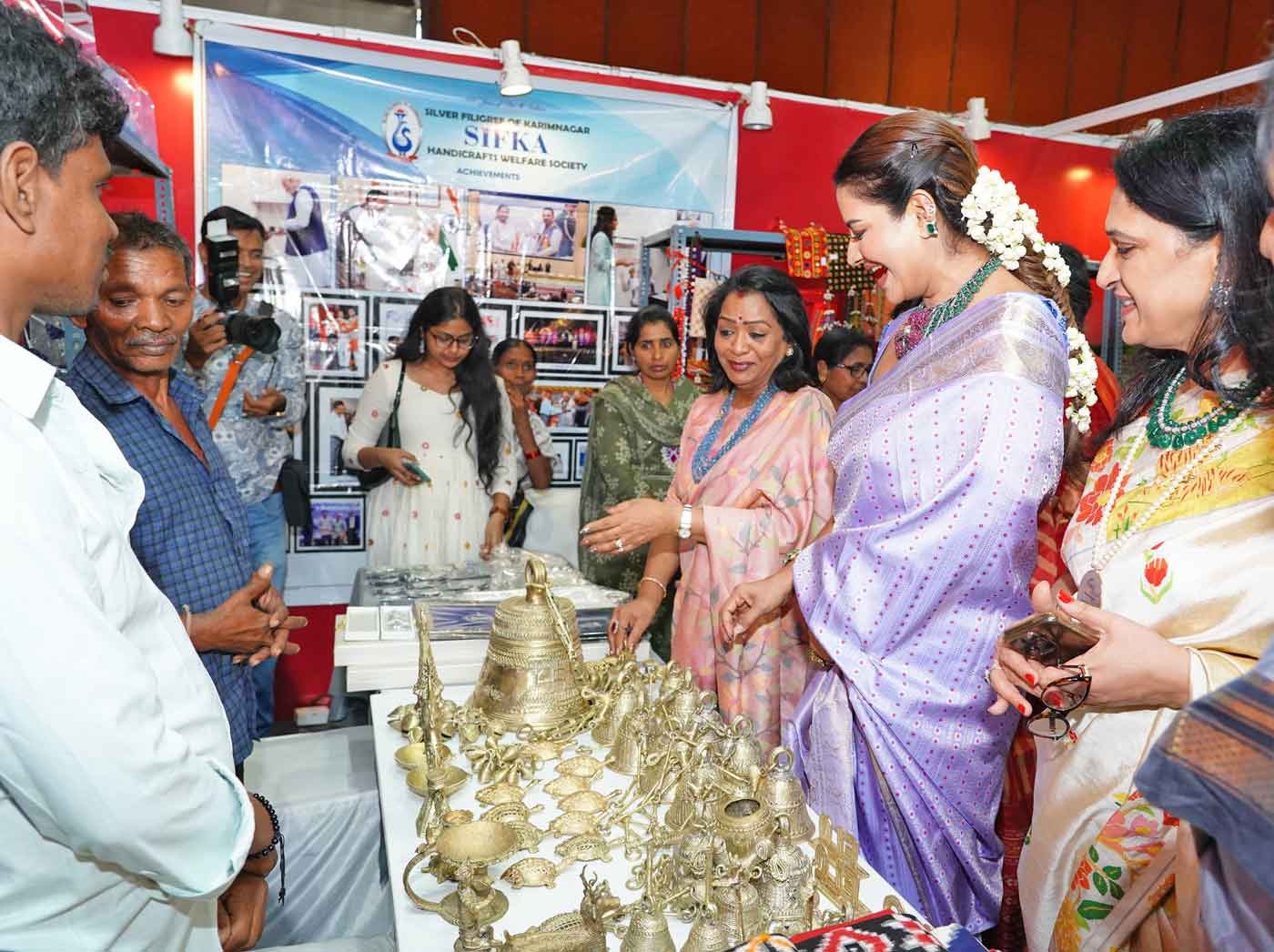
What makes the Initiative Pavilion unique is that FLO Hyderabad has provided exhibition space free of cost to all participating artisan groups. The initiative enables artisans to connect directly with buyers, receive market feedback, generate sales and build long-term business relationships.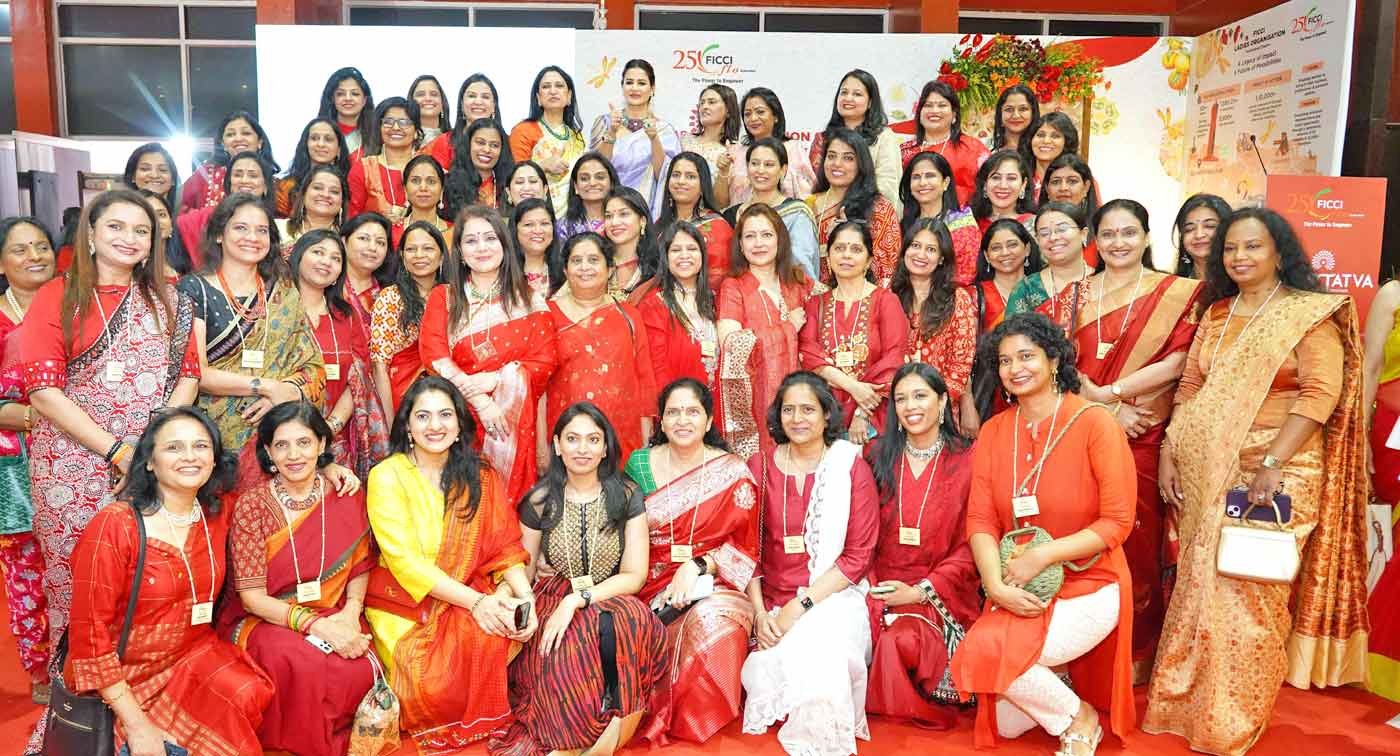
According to FLO Hyderabad, preserving traditional crafts requires more than appreciation—it requires sustained economic opportunities. By creating a platform where artisans can meet consumers, designers, retailers and institutional buyers, StyleTatva is helping transform heritage preservation into sustainable livelihoods.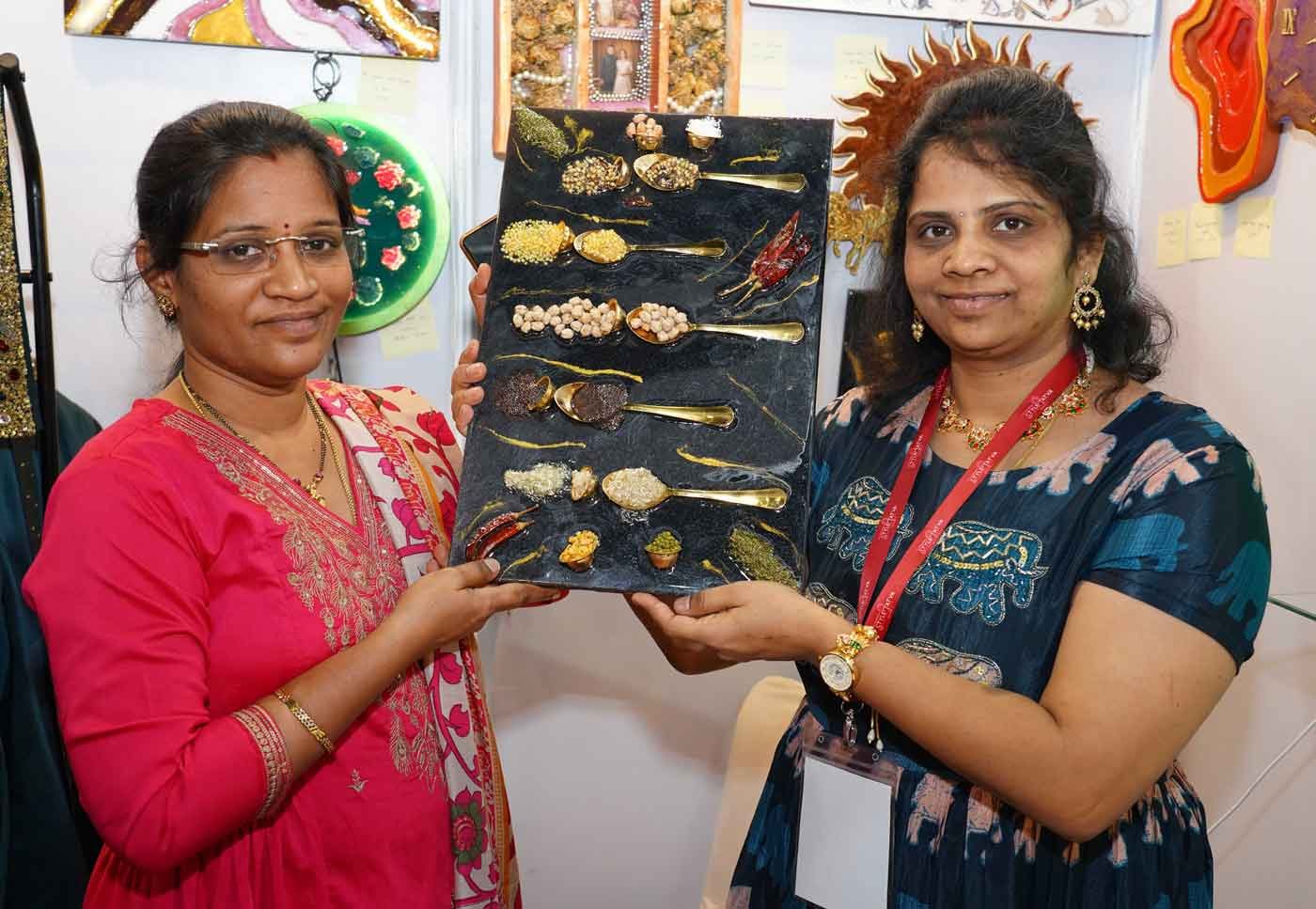
Speaking about the initiative, Ms. Seetha Reddy, Chairperson, FLO Hyderabad, said: “Every year, FLO adopts a traditional craft that is facing challenges and supports it through design intervention, branding, training, market access and promotion. The Initiative Pavilion is a celebration of that journey and an opportunity for artisans to reach new audiences. Our goal is not merely to preserve these crafts but to make them economically viable for future generations.”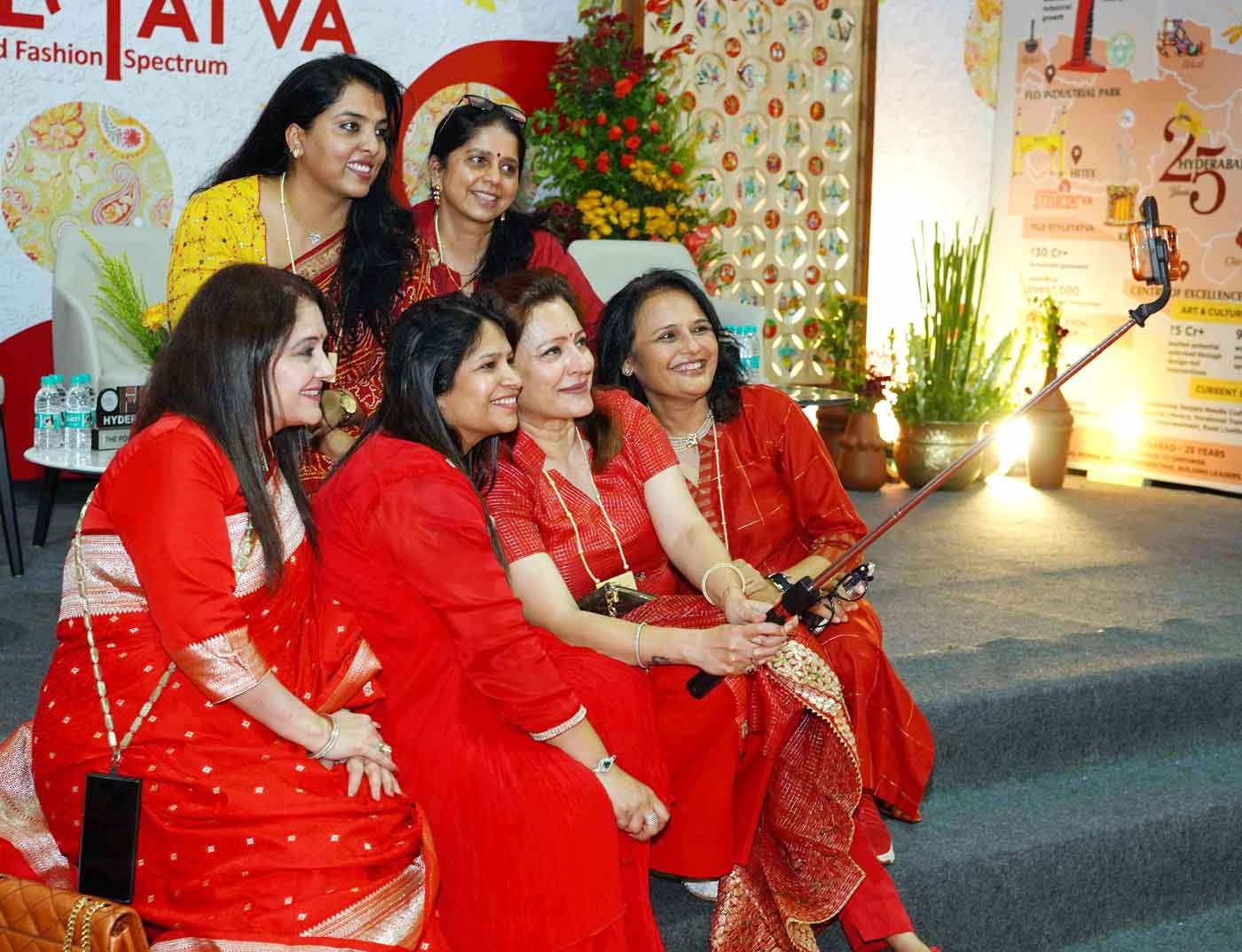
Visitors have shown keen interest in the traditional products on display, with artisans reporting encouraging enquiries and sales. The pavilion has attracted craft lovers, interior designers, collectors, retailers and conscious consumers seeking authentic handmade products with a rich cultural legacy.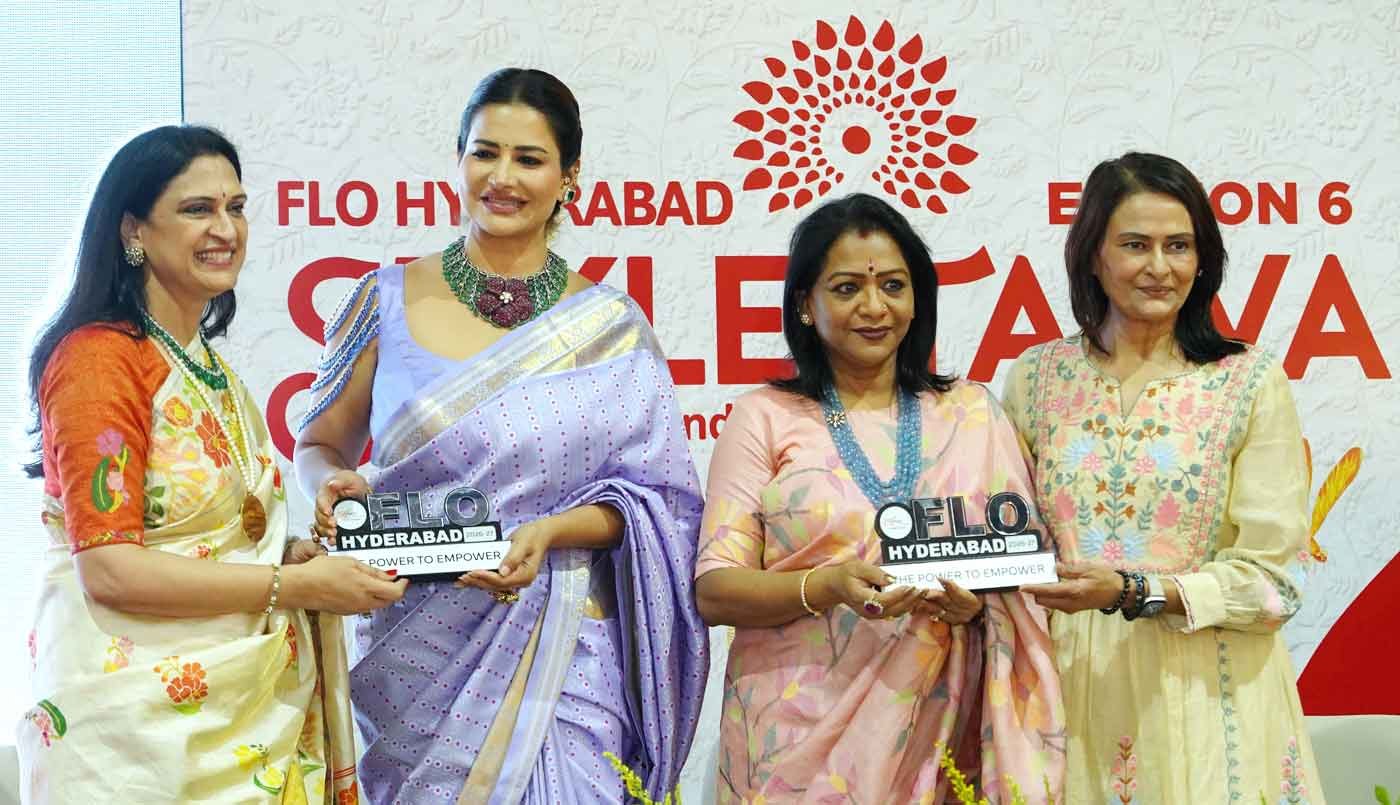
This year, FLO Hyderabad has adopted Banjara Needlecraft, extending support through design intervention, branding assistance and market access initiatives aimed at helping artisans reach wider audiences and improve their livelihoods.
StyleTatva 2026 is expected to generate business worth over ₹5 crore during the two-day exhibition. The proceeds from the event will be reinvested into FLO Hyderabad’s initiatives in women’s entrepreneurship, skill development, craft revival, livelihood generation, leadership development and community empowerment.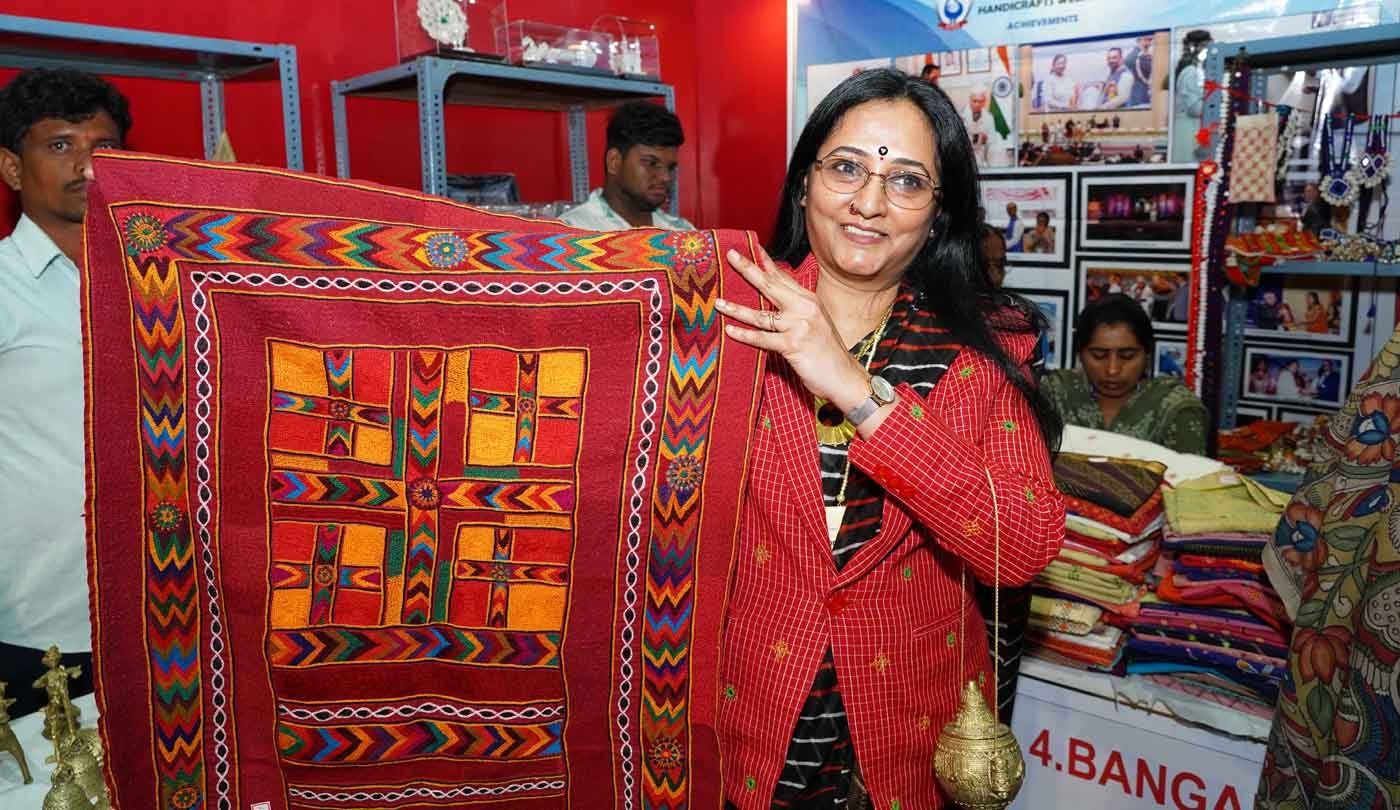
Over the years, FLO Hyderabad has nurtured more than 900 women entrepreneurs, supported over 1,000 businesses and played a significant role in reviving and promoting several traditional craft forms. The previous five editions of StyleTatva have collectively generated business worth more than ₹25 crore while creating valuable market opportunities for artisans, entrepreneurs and emerging brands.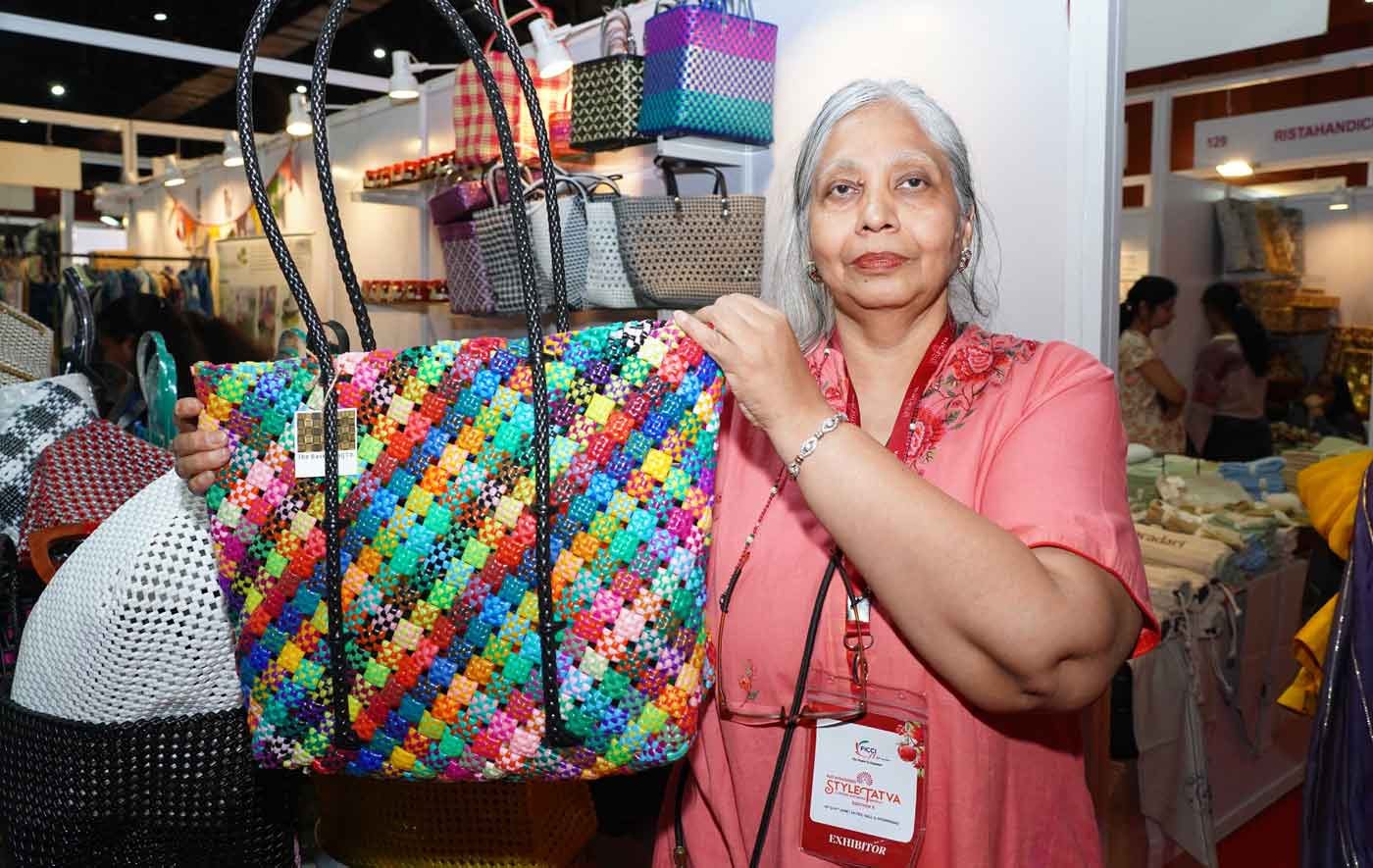
Apart from the Initiative Pavilion, the exhibition showcases more than 200 premium brands across fashion, lifestyle, jewellery and handcrafted products. However, for many visitors, the artisan pavilion has emerged as the emotional heart of the exhibition.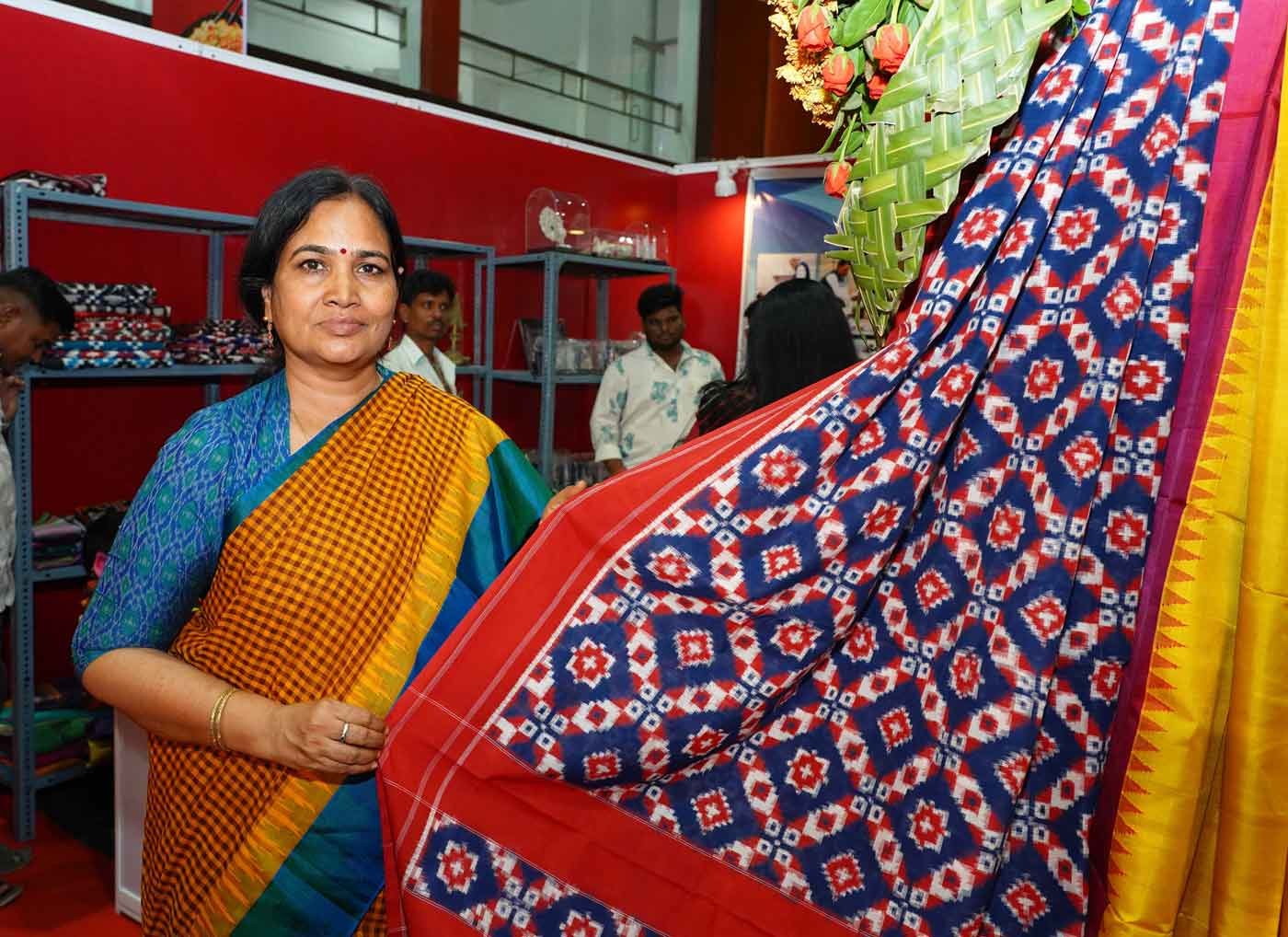
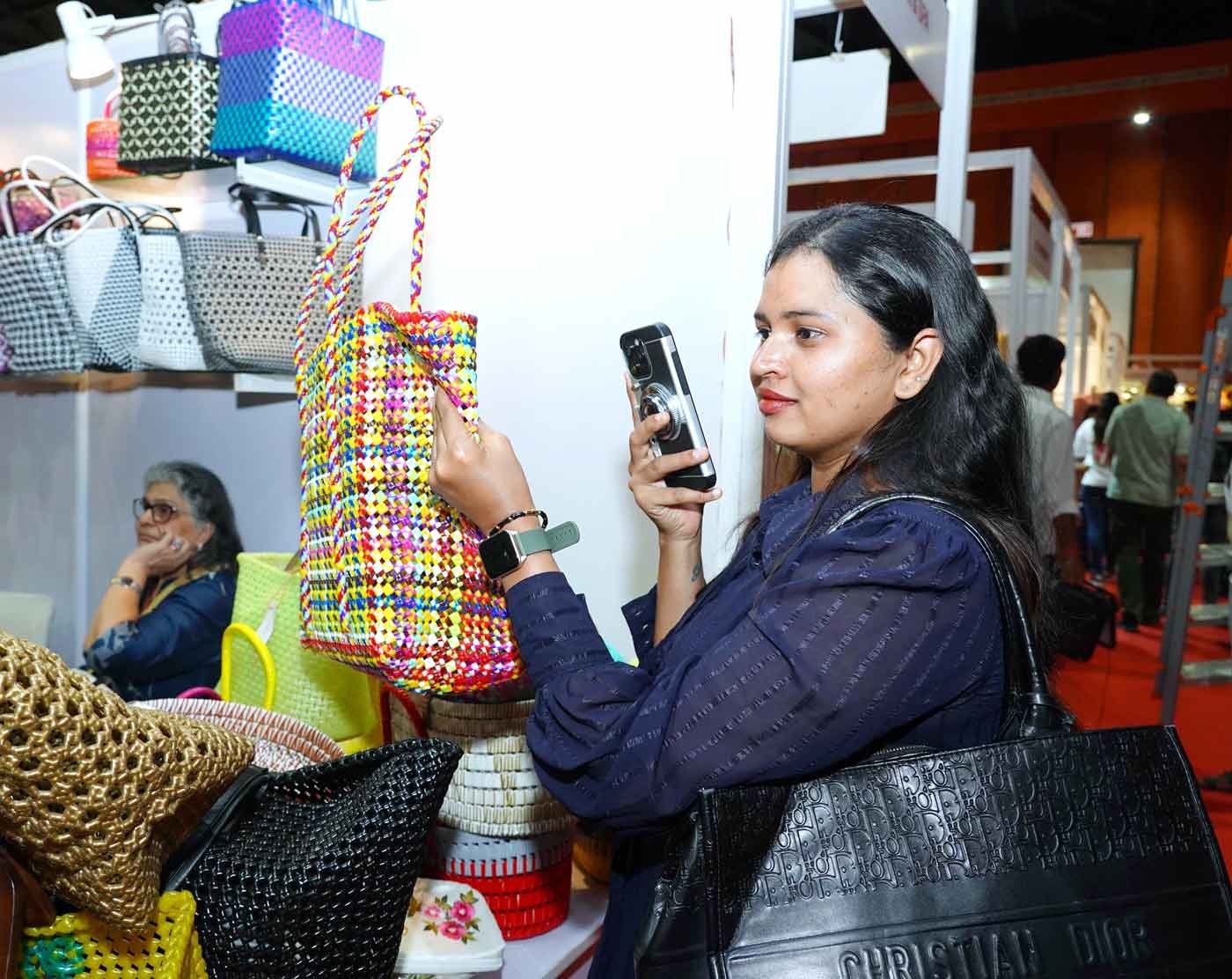
Among the many attractions drawing crowds are innovative wall hangings, exquisite royal carpets, eco-friendly bags made from recycled plastic, designer bindis, textile and leather-crafted bindis, silver-coated decorative items, pure silver artefacts, handcrafted home décor products and sustainable lifestyle offerings.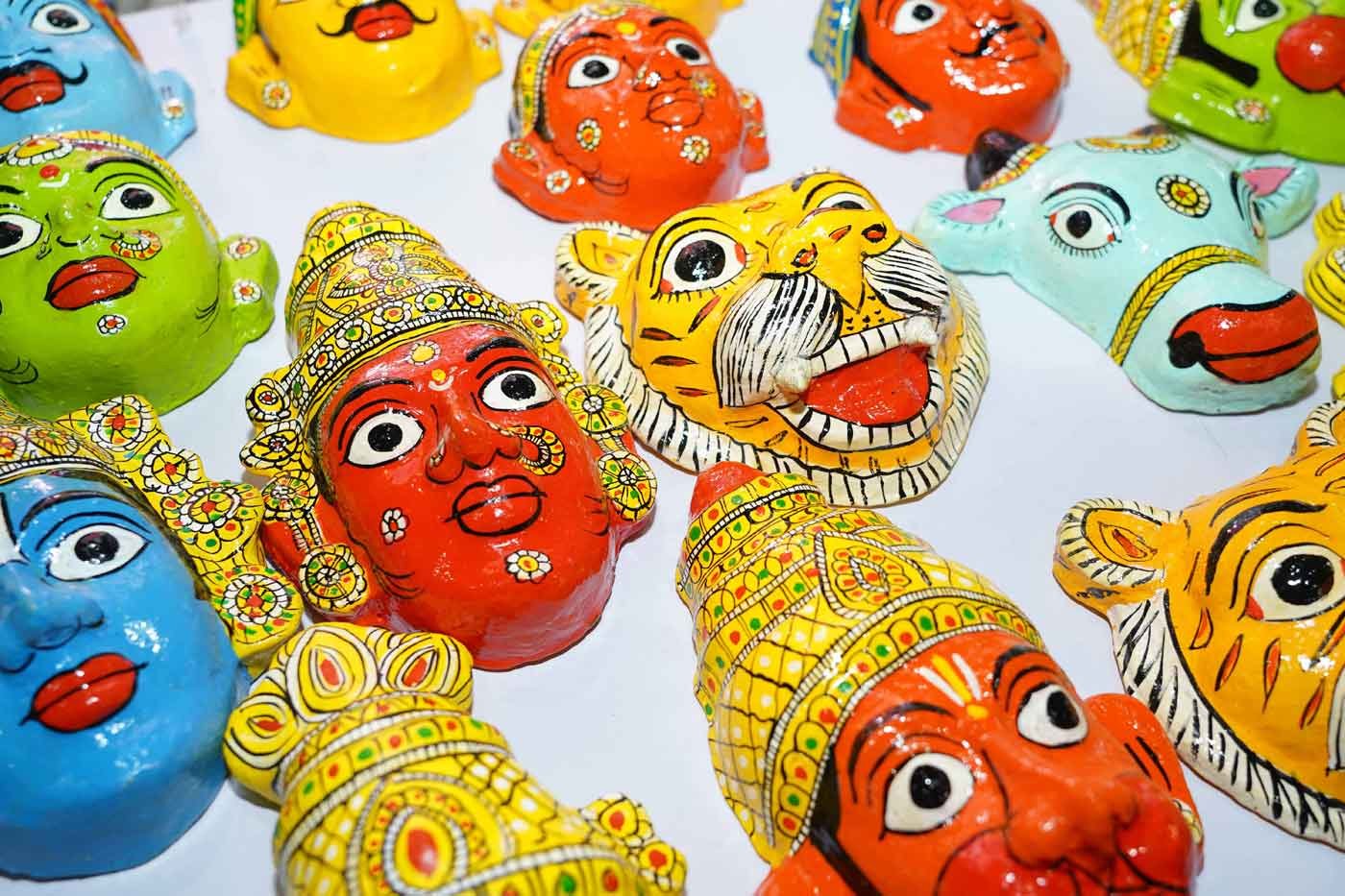
Visitors have also shown strong interest in Vistaraku, a pioneering women-led enterprise manufacturing high-quality disposable, eco-friendly, biodegradable and leak-proof tableware products, reflecting the growing demand for environmentally responsible alternatives.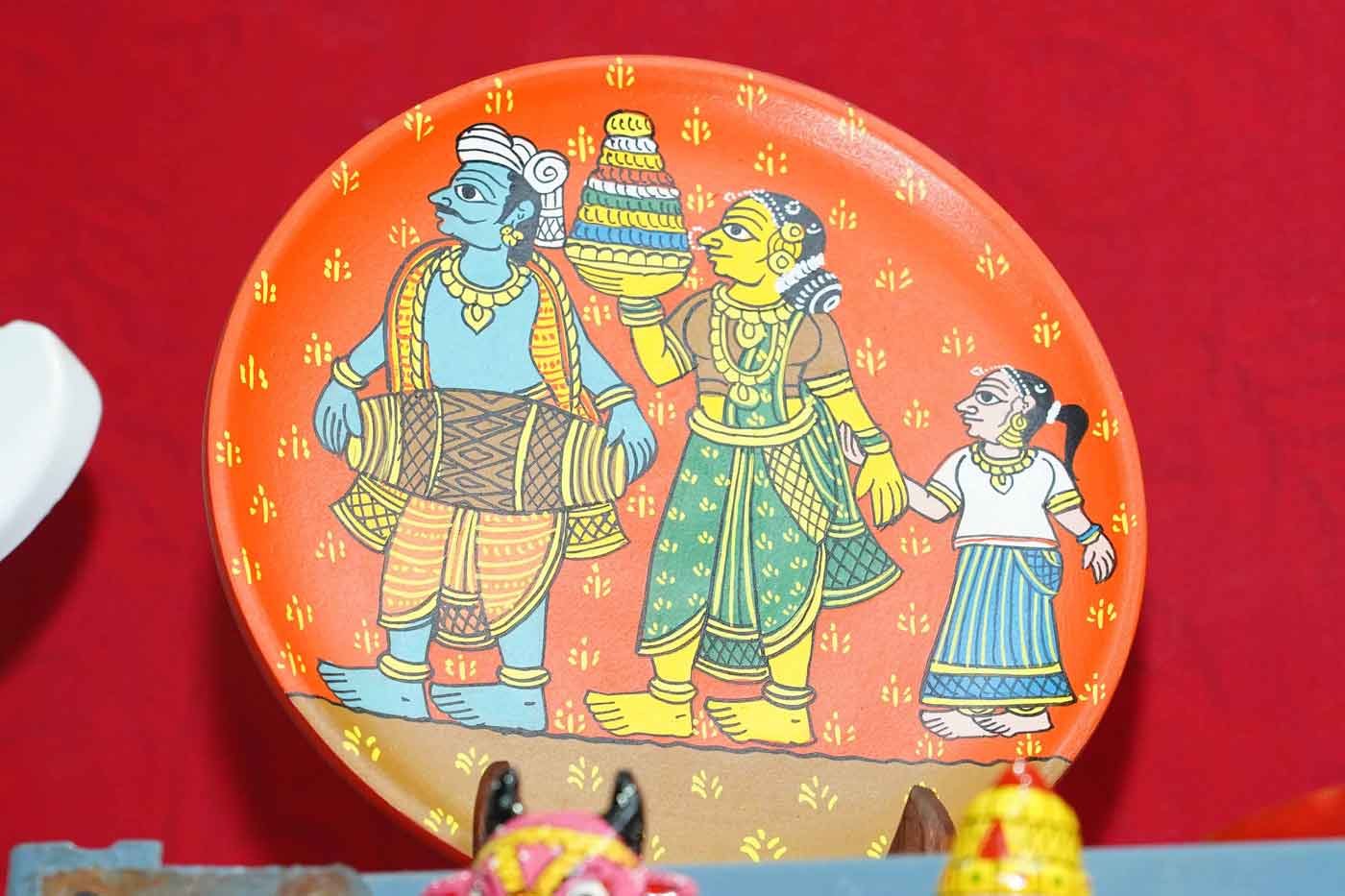
With more than 10,000 visitors attending over the two days, StyleTatva 2026 has demonstrated that when heritage meets market opportunity, traditional crafts can not only survive but thrive.