
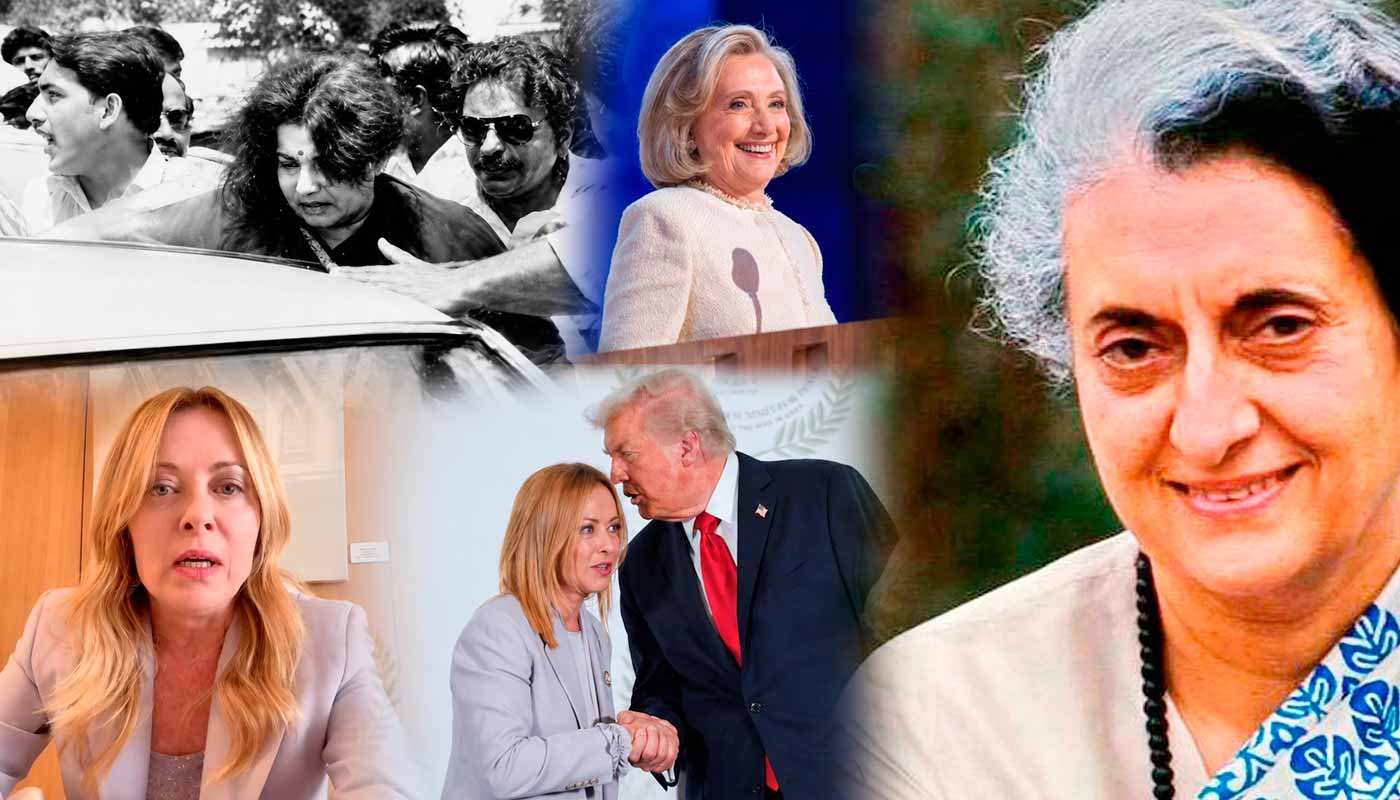
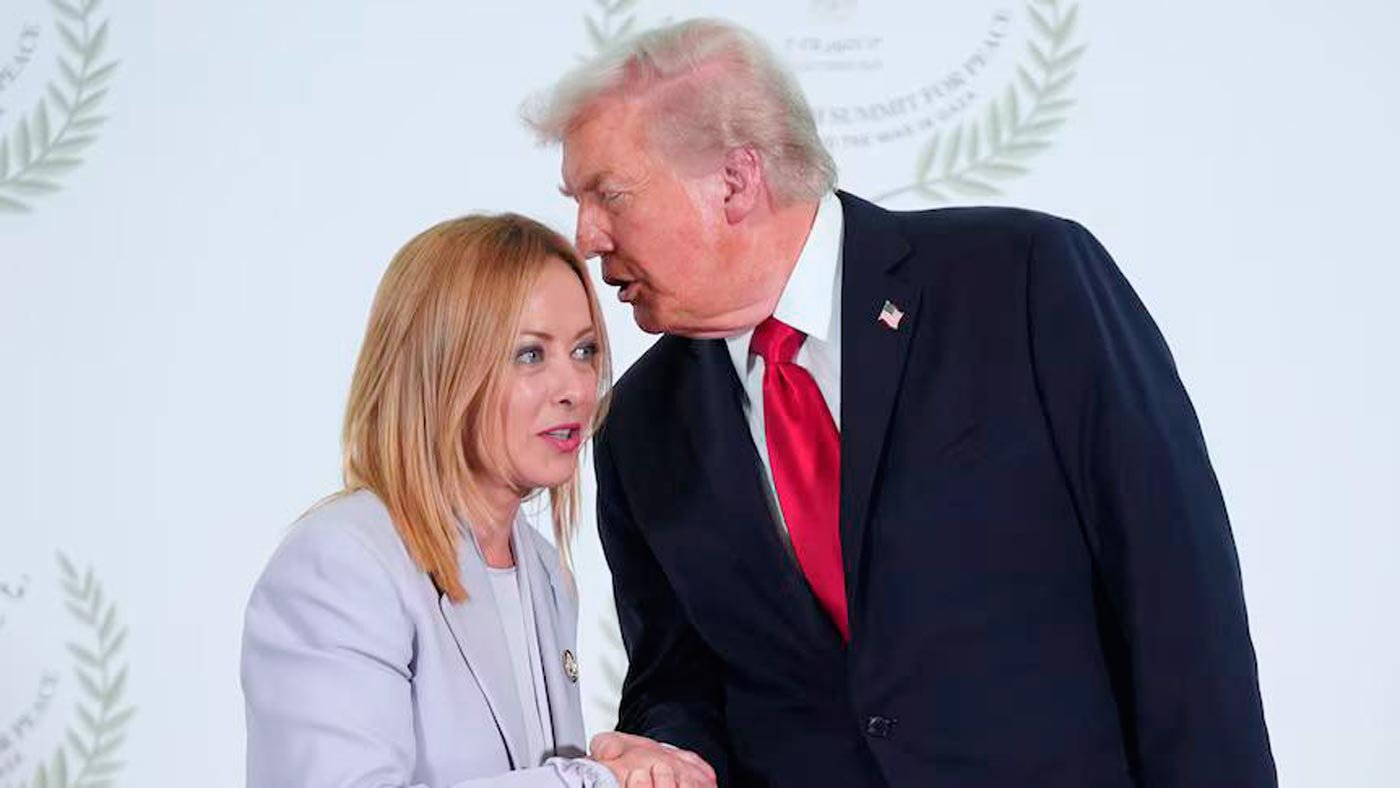
When Italian Prime Minister Giorgia Meloni recently found herself at the centre of a diplomatic controversy involving Donald Trump, the incident sparked more than just headlines. Trump claimed that Meloni had repeatedly “begged” him for a photograph during the G7 Summit. Meloni categorically rejected the allegation, calling it “completely fabricated” and adding a sharp response: “Italy and I never beg.” She further remarked that her association with Trump had cost her allies rather than gained her political advantage.
At first glance, it may appear to be just another political spat.
But beneath the surface lies a much larger question: Do women have it harder in politics?
History suggests the answer is yes.
Unlike their male counterparts, women politicians are rarely judged solely on policy, governance, or leadership. Their appearance, personal relationships, tone of voice, clothing, family choices, and even facial expressions often become subjects of public debate. Male politicians are expected to lead. Women politicians are expected to explain why they deserve to.
India’s political history offers several examples.
Take Indira Gandhi. Despite becoming one of the most powerful leaders in modern Indian history, she frequently faced commentary that focused less on her political decisions and more on her personal life. Rumours, speculation, and allegations about relationships often occupied public discourse alongside discussions of her governance.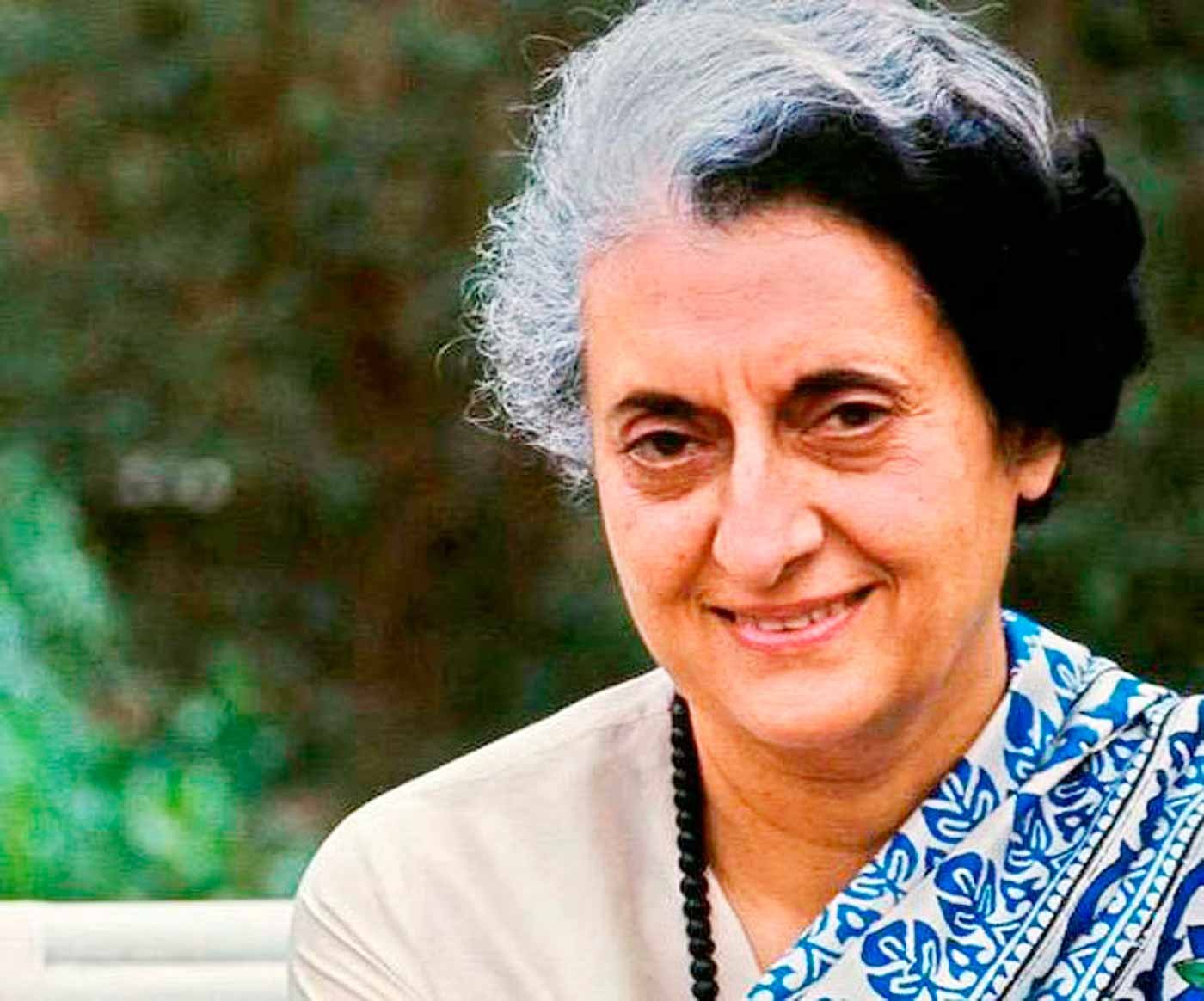
Then there was Jayalalithaa. Before becoming one of Tamil Nadu’s most influential Chief Ministers, she endured relentless scrutiny and humiliation. The most infamous incident occurred in the Tamil Nadu Legislative Assembly in 1989, not Parliament, as is sometimes mistakenly recalled, when chaos broke out during proceedings. Jayalalithaa later alleged that she was physically manhandled, her saree was pulled, and she was publicly humiliated. She walked out of the Assembly vowing to return only as Chief Minister. Years later, she did exactly that, transforming one of the darkest moments of her political life into a symbol of resilience.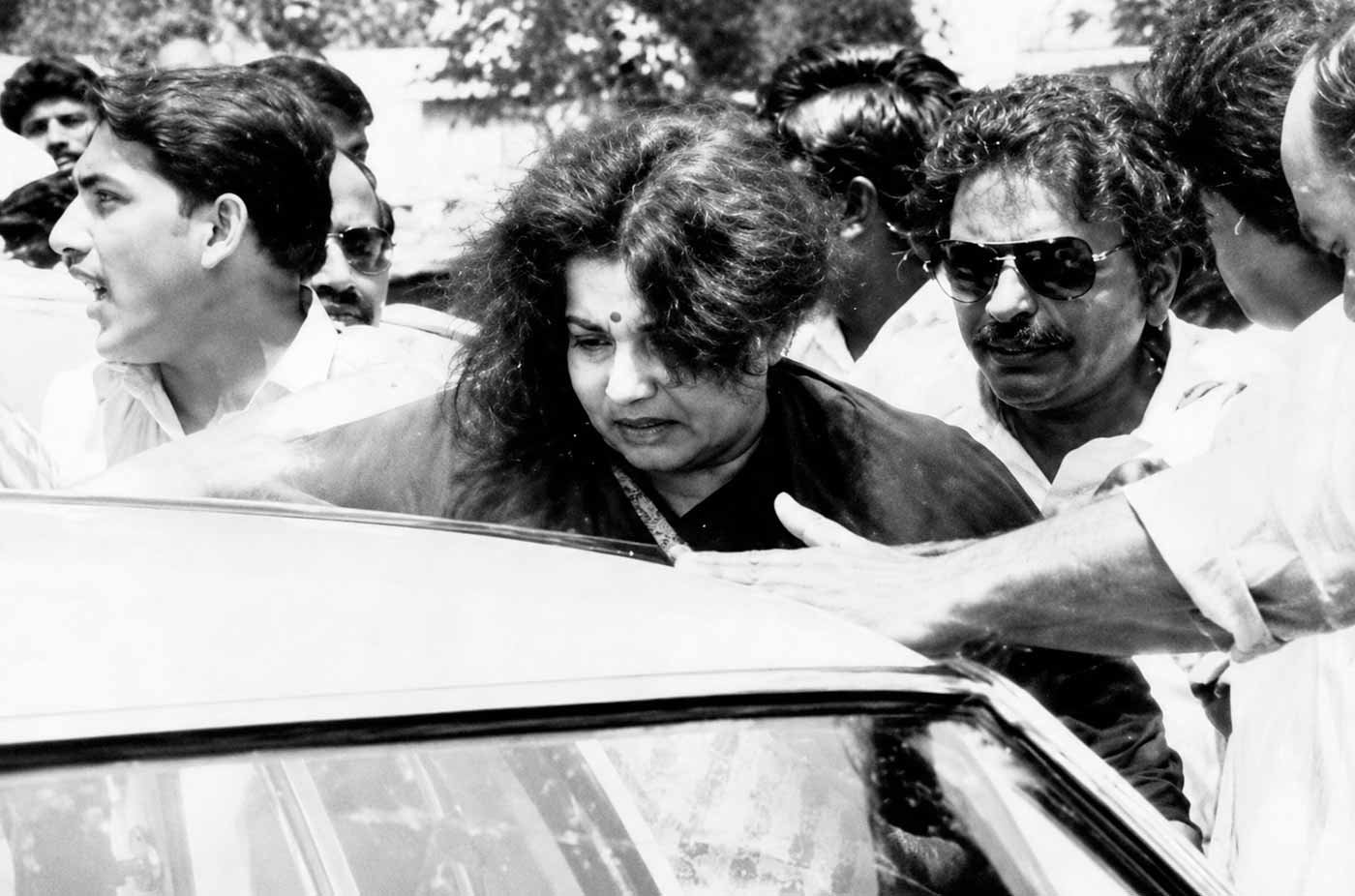
The pattern extends beyond India.
From Hillary Clinton in the United States to Jacinda Ardern in New Zealand, women leaders have often faced questions that their male counterparts rarely encounter. Can they be strong enough? Are they too emotional? Too ambitious? Too aggressive? Too soft? It is a paradox unique to women in power: they are simultaneously criticised for possessing and lacking the very same qualities.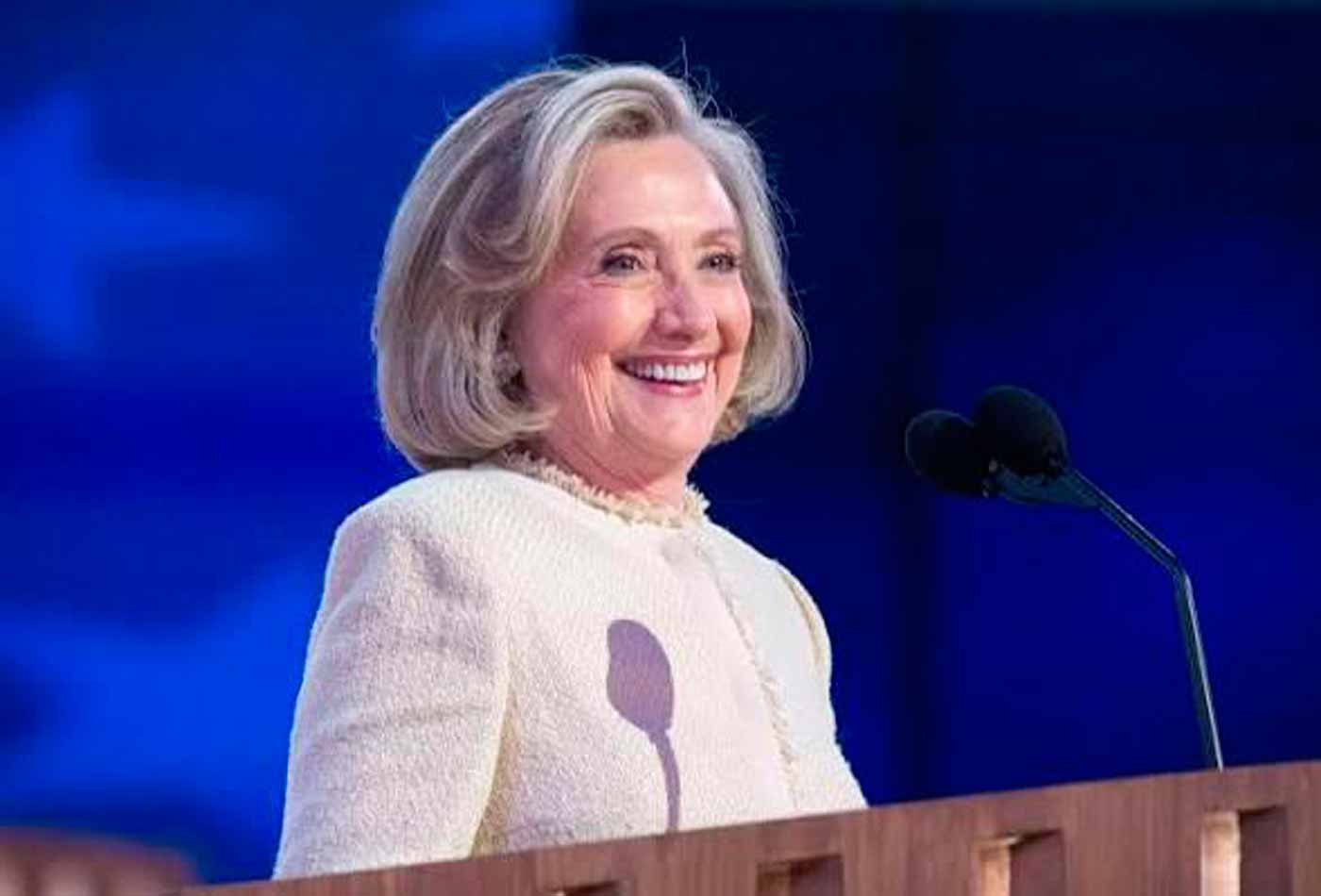
The root of the issue lies in centuries of social conditioning.
Politics was historically designed by men and for men. Leadership became associated with traditionally masculine traits, while women were expected to remain within domestic spheres. Even as societies progressed, many of these assumptions lingered beneath the surface.
The result is a phenomenon political scientists often call the “double bind.” If a woman leader is assertive, she is labelled arrogant. If she is empathetic, she is considered weak. If she is ambitious, she is viewed with suspicion. If she is collaborative, she is perceived as lacking authority.
This does not mean women cannot succeed in politics. Clearly, they can.
Meloni governs Italy. Jayalalithaa dominated Tamil Nadu politics for decades. Indira Gandhi reshaped Indian political history. Countless others have broken barriers and led nations, states, and movements.
But their journeys often require them to clear obstacles their male counterparts never encounter.
Perhaps that is why incidents like the Meloni controversy resonate beyond diplomacy. They remind us that even in 2026, women in politics are often forced to fight two battles at once: one for power and another for legitimacy.
And while the first battle may eventually be won through elections, the second remains far from over.