
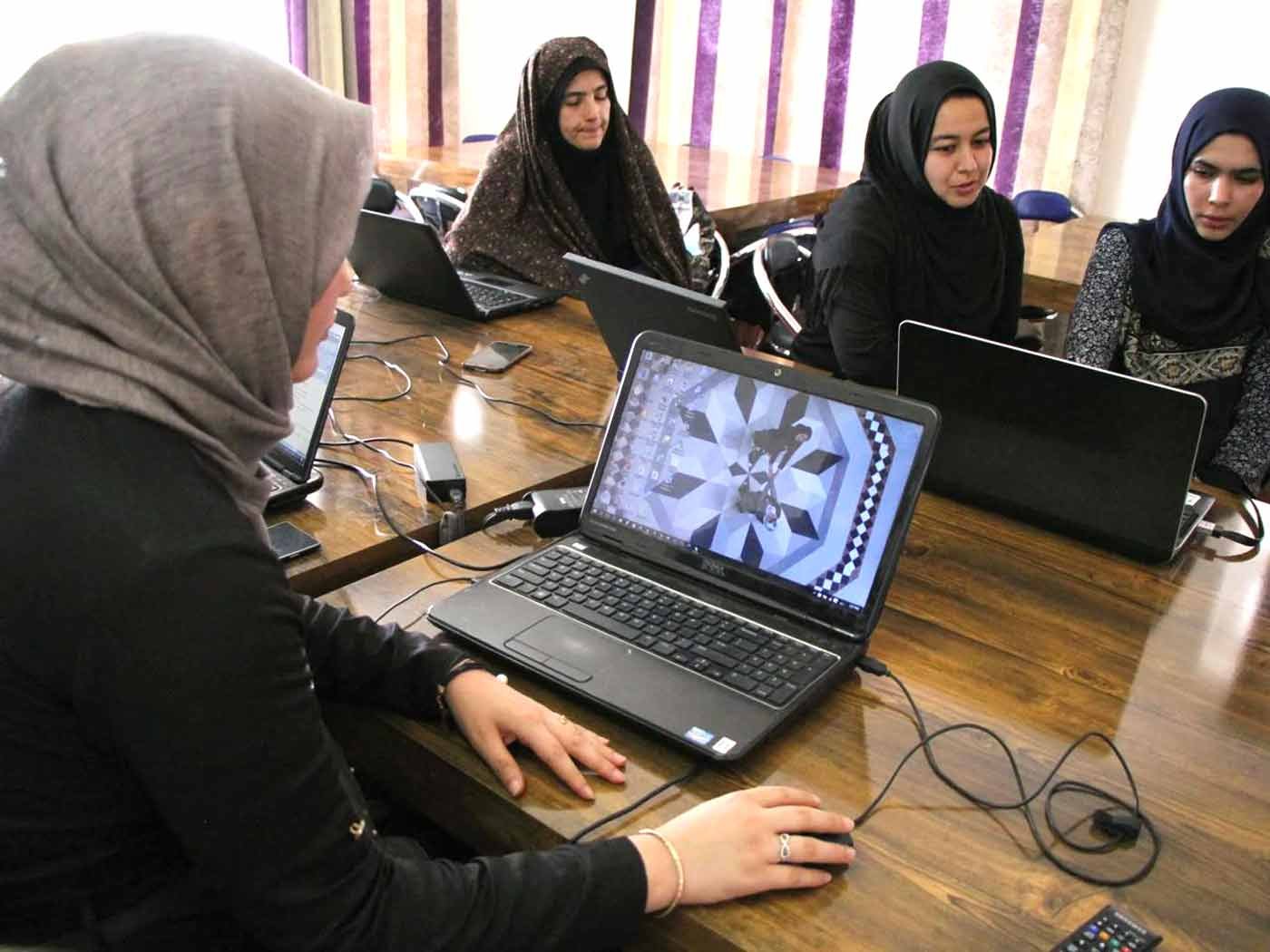
Over the past five years, Afghan women have witnessed one of the most dramatic rollbacks of rights and freedoms in modern history. Universities have closed their doors to them, employment opportunities have shrunk, and restrictions on public life have intensified. Yet amid these challenges, thousands of Afghan women are quietly proving a remarkable truth: resilience often finds a way.
As formal avenues for education and employment become increasingly inaccessible, women across Afghanistan are turning to entrepreneurship as one of the few remaining pathways to economic independence. The numbers tell a sobering story. 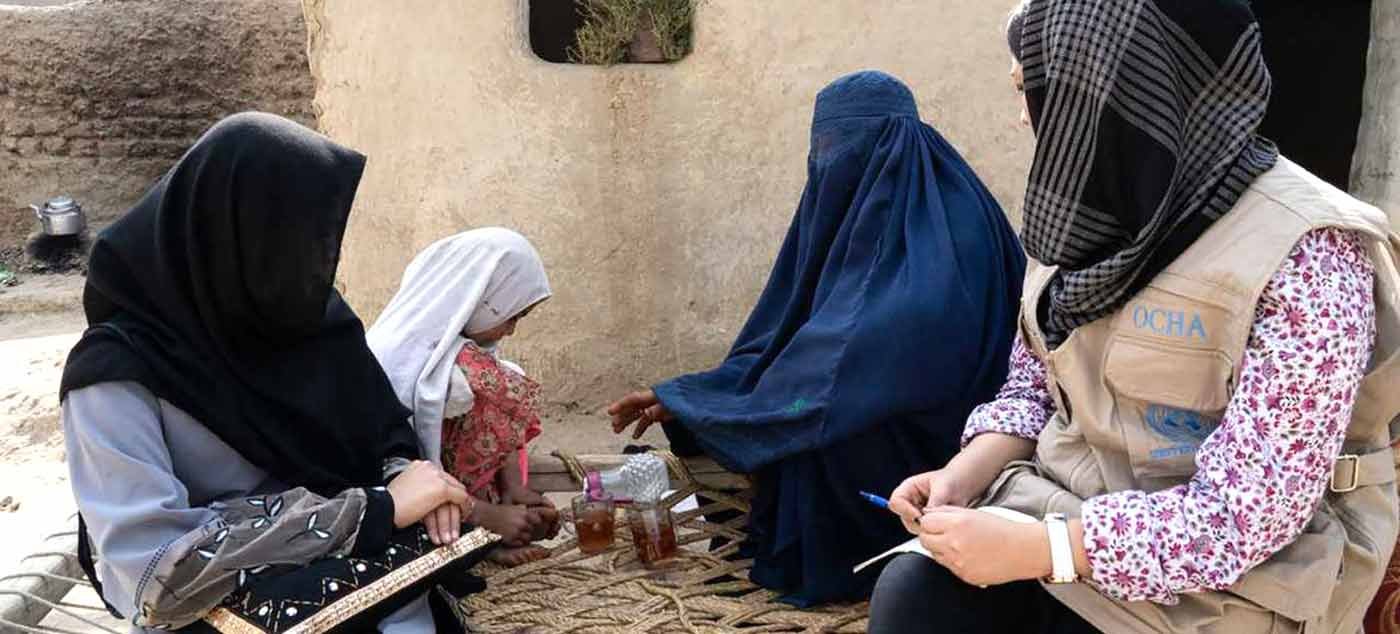
According to estimates from the World Bank and the International Labour Organization (ILO), female labour force participation in Afghanistan fell sharply from 14.6% in 2021 to just 5.2% in 2022. By 2024 and 2025, it stood at approximately 5.1%. In contrast, male labour force participation remained close to 70%. The education sector paints an even more alarming picture.
Data from Afghanistan’s National Statistics and Information Authority shows that female university enrolment fell from 54,861 students in 2019 to just 102 students in the 2023-24 academic year. By 2024-25, no female students were recorded in Afghan universities. Female admissions dropped from 16,496 in 2019 to zero, while female graduates declined from 9,937 to none within just a few years.
Organizations such as UNICEF and UNESCO have attributed this decline to restrictive policies, chronic underinvestment, recurring humanitarian crises, learning poverty, and teacher shortages. The restrictions imposed on girls’ secondary and higher education have fundamentally altered the future prospects of millions.
The media sector has suffered as well. Reports indicate that more than 80% of female media workers lost their jobs following the Taliban’s return to power.
Yet amid this contraction, another trend has emerged.
According to figures cited by the Afghan Women Chamber of Commerce and Industry, registered women-owned businesses increased from 2,421 before the restrictions to 9,162 afterward. Informal women-owned enterprises grew even more dramatically, rising from approximately 52,000 to nearly 120,000.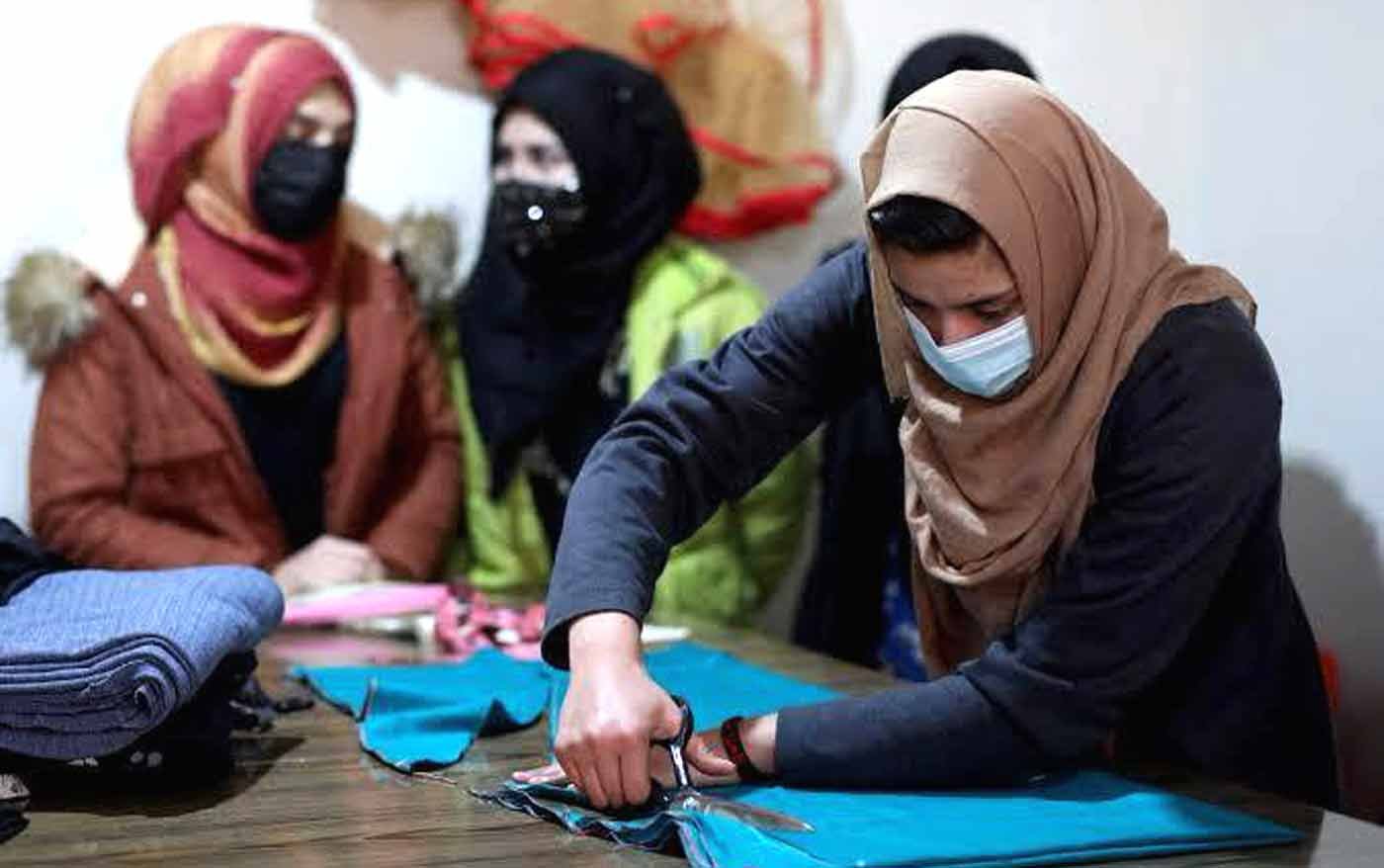
These businesses span manufacturing, services, and trade, including tailoring, carpet weaving, handicrafts, embroidery, food processing, and home-based production. For many women, entrepreneurship is no longer merely a career choice. It is an economic necessity.
Even Taliban officials have publicly acknowledged the importance of women-led businesses to Afghanistan’s economy. In an interview with Reuters, acting Commerce Minister Haji Nooruddin Aziz stated:
“We always support women investors, and we will support any item which can help us for self-sufficiency.”
However, the path remains far from easy.
A 2024 UNDP survey of 3,122 women-led small and medium enterprises across 18 provinces revealed that only 28% were formally registered and licensed. Nearly two-thirds operated without registration, limiting access to larger markets, financial services, and growth opportunities.
Financial constraints continue to be one of the biggest obstacles. The survey found that 41% of women entrepreneurs were in debt. Yet only 5% had secured loans from formal banking institutions. To obtain a business loan, applicants often need extensive documentation, business records, recommendation letters, and property ownership documents, requirements that many Afghan women cannot meet.
As a result, most rely on family networks, personal savings, and community support to sustain their ventures.
The irony is impossible to ignore. While policies have restricted women’s access to universities and formal employment, they have also inadvertently accelerated a grassroots wave of entrepreneurship. Across cities, towns, and villages, Afghan women are creating businesses, generating incomes, supporting families, and preserving a measure of independence in an increasingly difficult environment.
Their success does not erase the challenges they face. Nor does it compensate for the loss of educational and professional opportunities. But it does demonstrate something powerful.
Afghan women are not waiting for permission to build their futures.
Despite barriers that would discourage many, they continue to innovate, adapt, and persevere. Their growing entrepreneurial movement stands as a testament to resilience, proving that even in the face of extraordinary restrictions, determination can become its own form of resistance.
If the past five years have shown the world anything, it is this: Afghan women are unstoppable.