

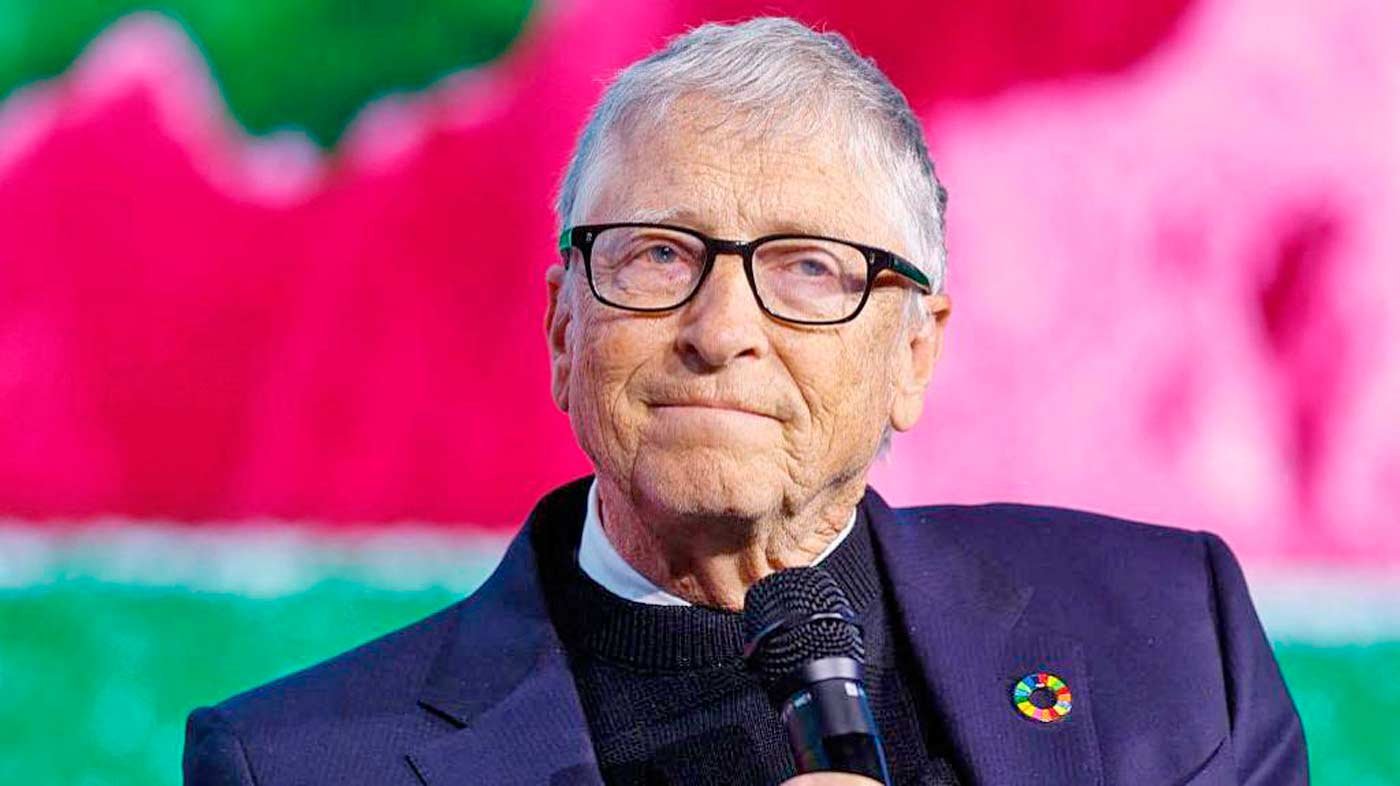
For decades, Bill Gates was largely viewed as the face of technological innovation and global philanthropy. As the co-founder of Microsoft and one of the world’s most influential philanthropists, Gates cultivated an image built on progress, problem-solving, and public service. Yet in recent years, conversations surrounding his legacy have increasingly returned to one uncomfortable subject: his association with Jeffrey Epstein.
The issue is not a new revelation. Gates has publicly acknowledged that meeting Epstein was a mistake and has repeatedly stated that he regrets those interactions. In interviews, he has admitted that he exercised poor judgment in maintaining contact with Epstein after the latter’s conviction for sex-related offenses became public knowledge.
What makes the story persist is not merely the existence of those meetings, but the contrast between Gates’ public image and the questions that followed. The controversy also became intertwined with the end of his marriage to Melinda French Gates. Melinda has spoken publicly about her discomfort with Epstein and described him as someone she regretted meeting. Her comments reignited public interest in the timeline and nature of Gates’ interactions with Epstein.
Separately, Gates has acknowledged that he was not always faithful during his marriage. While personal relationships are often considered private matters, public figures rarely enjoy the luxury of separating their personal decisions from their public reputation. For someone whose influence extended into global health, education, and public policy, scrutiny became inevitable.
The debate surrounding Gates ultimately speaks to a larger question: how should society evaluate powerful individuals?
Can decades of technological innovation and philanthropic work coexist with serious lapses in personal judgment? Should accomplishments outweigh mistakes, or should public figures be held to a higher standard precisely because of their influence?
There are no easy answers.
What is clear, however, is that the public conversation is no longer solely about Microsoft’s success or the work of the Bill & Melinda Gates Foundation. It is also about accountability, transparency, and the consequences of decisions made by those in positions of immense power.
Years after the meetings first came to light, Gates continues to insist that associating with Epstein was an error. Whether that explanation satisfies the public is another question entirely.
And perhaps that is why the story refuses to disappear—not because of what is alleged, but because of what has already been admitted.