
Wanna Get to Bengaluru Faster and Cheaper? Our Government Has a Dream Project
Imagine leaving Hyderabad after breakfast and reaching Bengaluru before your coffee gets cold. Sounds impossible? Well, if everything goes according to plan, that could become reality by 2037.
The Central Government is currently working on an ambitious proposal to connect Hyderabad with Bengaluru, Chennai, and Pune through dedicated bullet train corridors. While the project is still in the planning stage, railway officials have confirmed that Detailed Project Reports (DPRs) are being prepared, marking the first major step toward bringing high-speed rail to the Deccan region. The Hyderabad-Pune DPR has already been submitted, while studies for the Hyderabad-Bengaluru and Hyderabad-Chennai routes are currently underway.
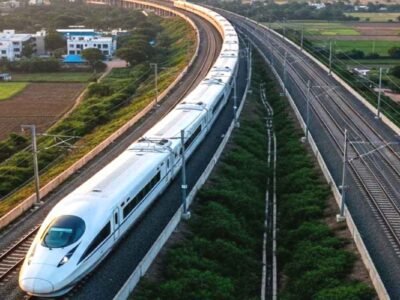
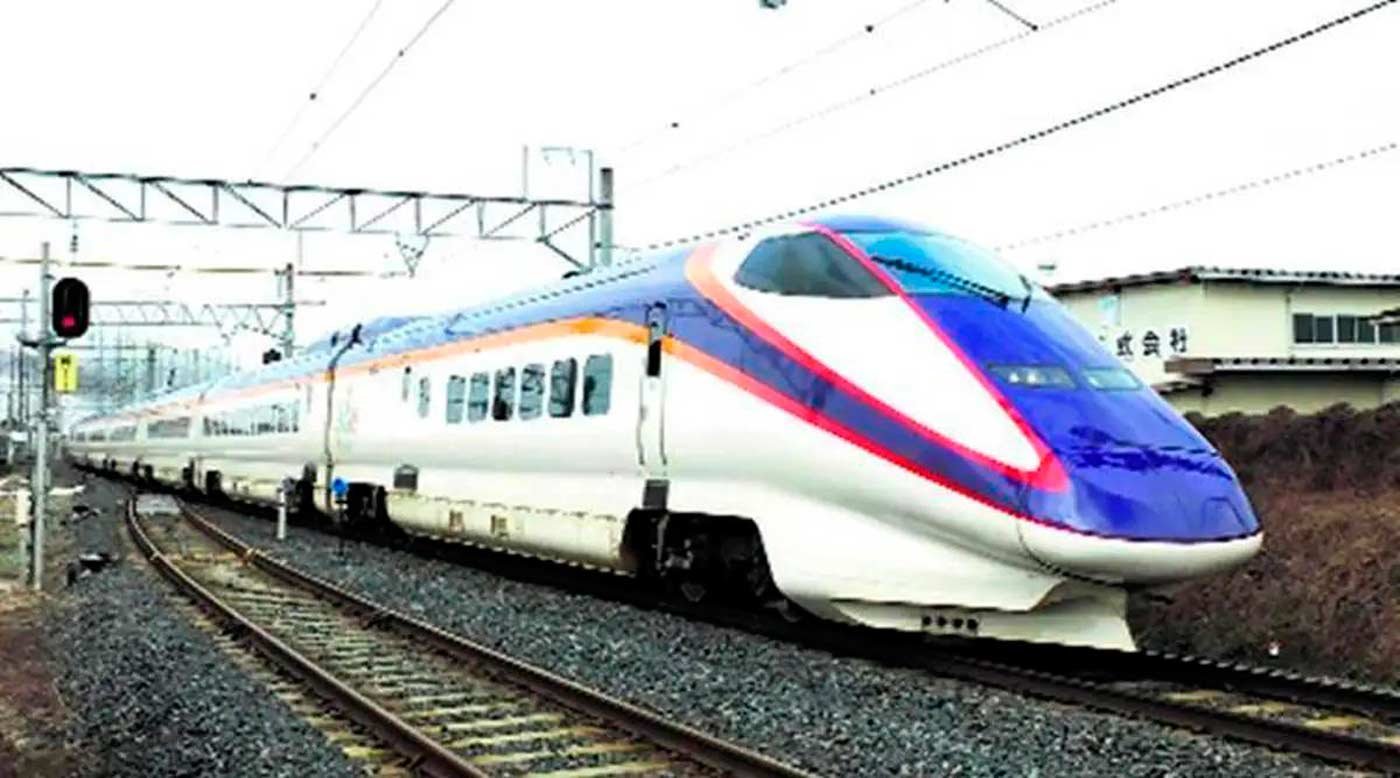
The trains are expected to operate at speeds of around 320 kmph, with a design capability of up to 350 kmph. To put that into perspective, most premium trains in India today operate at speeds between 110 and 130 kmph. A bullet train would be nearly three times faster.
For Hyderabad residents, this could completely transform inter-city travel.
Business travellers could attend meetings in Bengaluru and return home the same day. Students could travel between major educational hubs more conveniently. Tourism between southern cities could witness a massive boost. Most importantly, it could reduce dependence on short-haul flights, which are often expensive during peak travel seasons.
But dream projects come with dream-sized budgets.
Railway officials estimate that every kilometre of elevated bullet train corridor could cost nearly ₹250 crore. Considering that these routes will span hundreds of kilometres, the total project cost could run into several lakh crores once stations, depots, maintenance facilities, signalling systems, rolling stock, and land acquisition expenses are added.
So why is it so expensive? The answer lies in safety.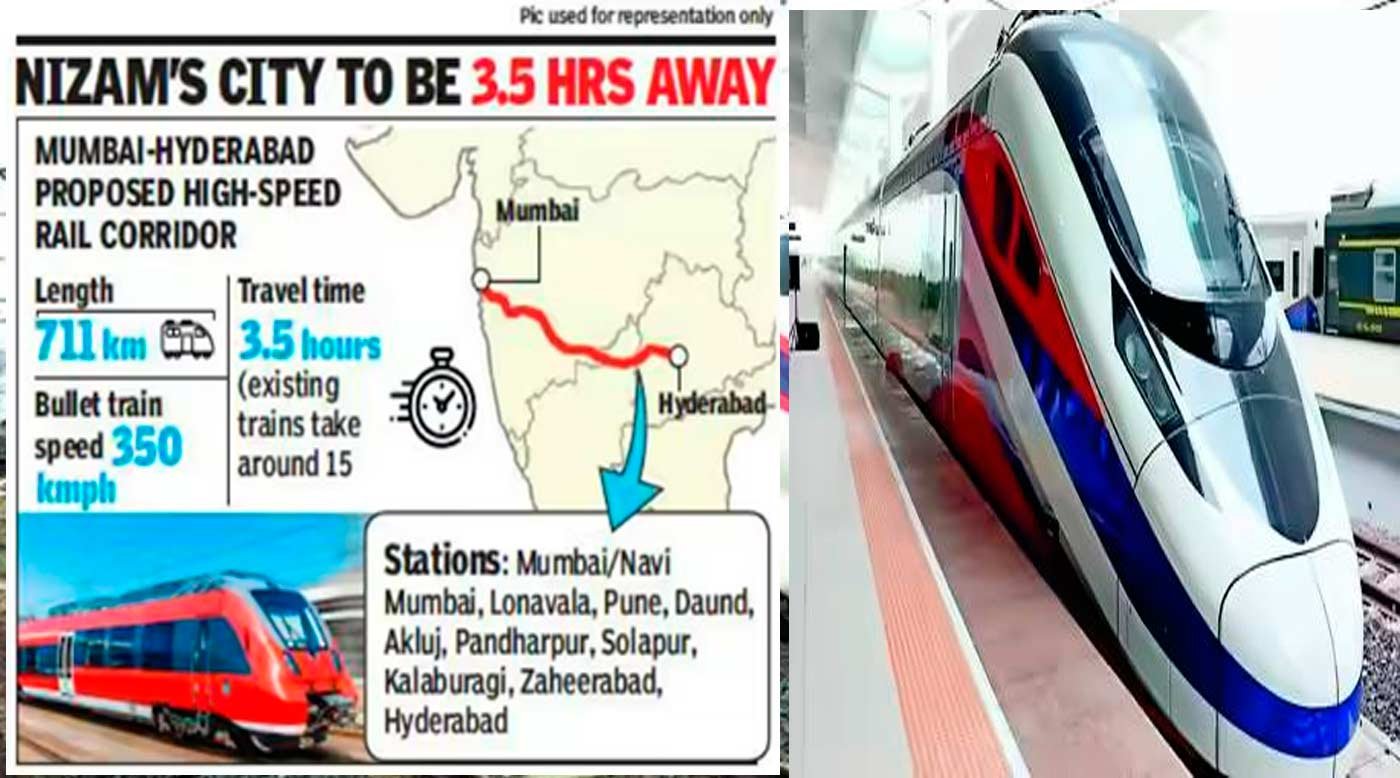
Unlike conventional railways, bullet trains cannot operate on tracks where animals, vehicles, or pedestrians can cross. At speeds exceeding 300 kmph, even a minor obstacle can prove disastrous. That is why the proposed corridors will be completely elevated and fully segregated from existing railway networks.
Officials say the stations themselves are likely to resemble Metro stations, built above ground with dedicated high-speed infrastructure.
The project will be implemented by the National High Speed Rail Corporation Limited (NHSRCL), the same agency responsible for India’s first bullet train corridor between Mumbai and Ahmedabad. That project has already helped India develop specialised expertise in high-speed rail construction, engineering, and operations.
The Telangana government will also play a significant role. While NHSRCL will execute the project, state authorities will be responsible for facilitating land acquisition and local clearances. Since the corridors will pass through multiple states, coordination between governments will be crucial.
However, before construction can begin, several hurdles remain.
The DPRs must first be completed. They will then be reviewed by multiple central agencies, including NITI Aayog, before being placed before the Union Cabinet for final approval. Given the scale of investment involved, the process is expected to take time.
Yet, despite the challenges, the vision is undeniably exciting.
India’s cities are growing rapidly. Distances that once felt manageable are becoming increasingly difficult to navigate due to traffic congestion, airport delays, and overcrowded rail networks. High-speed rail promises a future where cities like Hyderabad, Bengaluru, Chennai, and Pune feel much closer than they do today.
Will the project be expensive? Absolutely.
Will it take years to complete? Most certainly.
But if successful, Hyderabad’s bullet train corridors could become one of the biggest transportation transformations the city has ever witnessed.
After all, every dream project starts with a blueprint—and Hyderabad’s may already be on the drawing board.