
The Taj Mahal Beyond Romance: Rana Safvi Reimagines an Icon at Salar Jung Museum
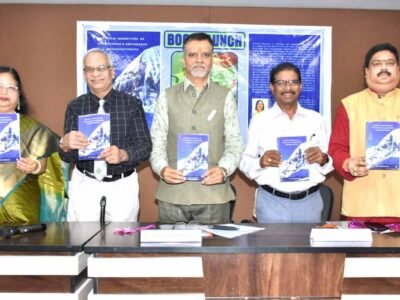
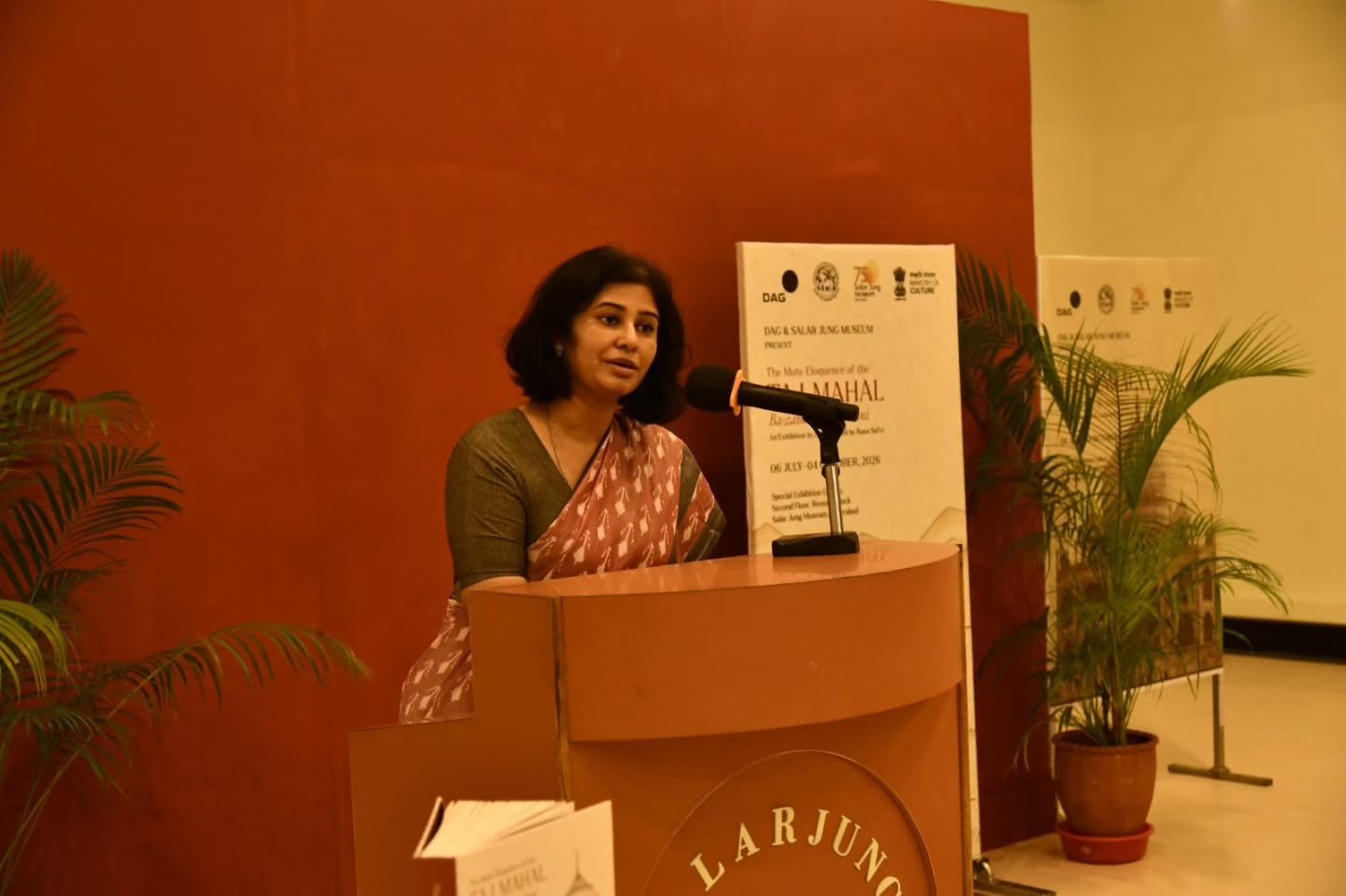
The enduring image of the Taj Mahal as the world’s greatest monument to love was thoughtfully re-examined in Hyderabad as historian and author Rana Safvi inaugurated The Mute Eloquence of the Taj Mahal: Ba-zaban-e Be-zabani at the Salar Jung Museum. Organised by DAG in collaboration with the museum, the exhibition invites visitors to explore the monument through its art, architecture, history and spiritual symbolism rather than through its familiar romantic narrative alone.
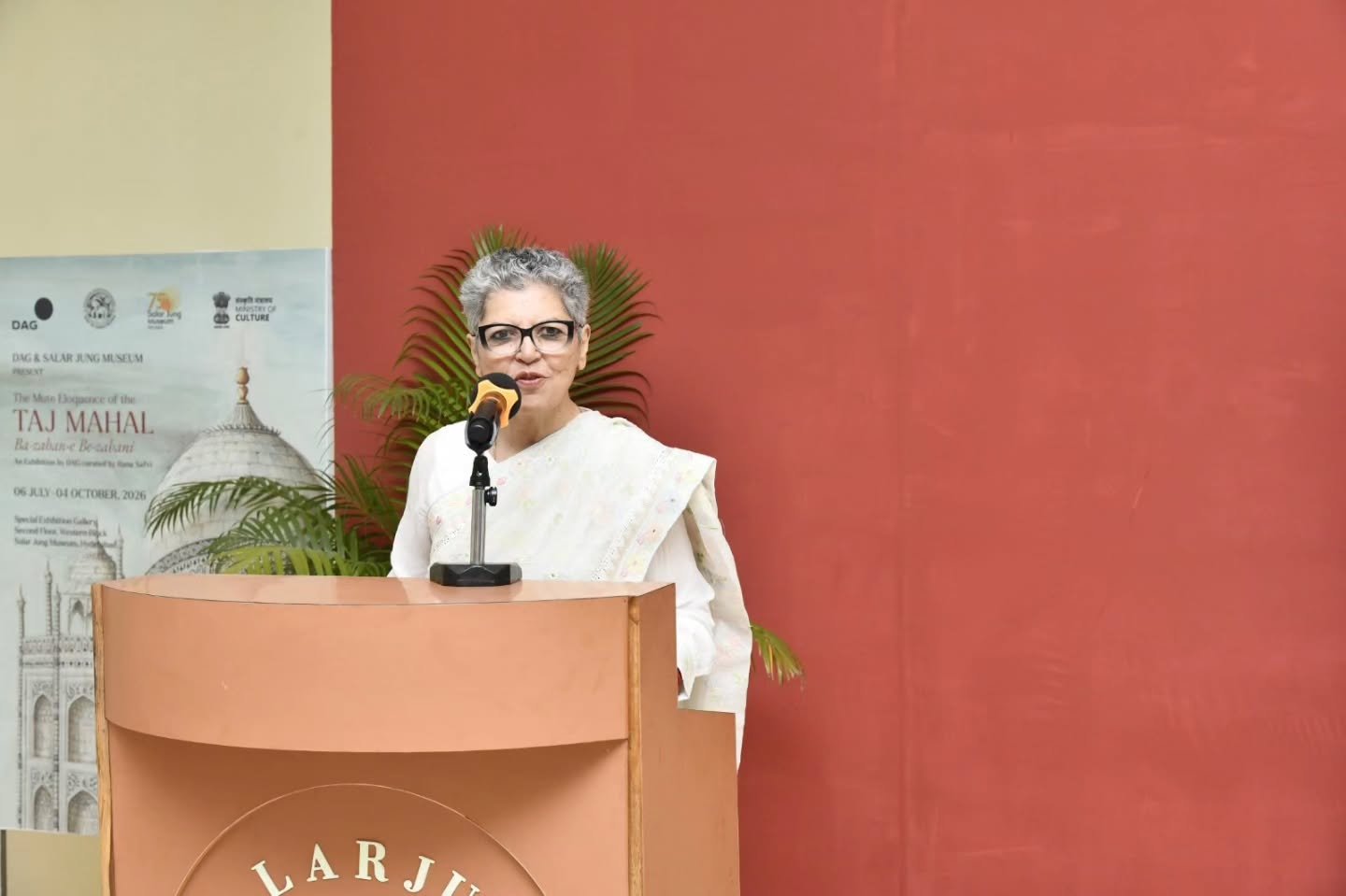
Addressing the gathering, Safvi described the Taj Mahal as a deeply spiritual monument that represents a journey towards paradise in Islamic thought. She explained that the mausoleum, originally known as Rauza-i-Munawwara or “The Illumined Tomb,” was conceived with profound religious symbolism. The Quranic inscriptions, geometric precision, gardens and architectural design together reflect themes of eternity, resurrection and divine beauty, offering visitors a richer understanding of one of the world’s most celebrated landmarks.
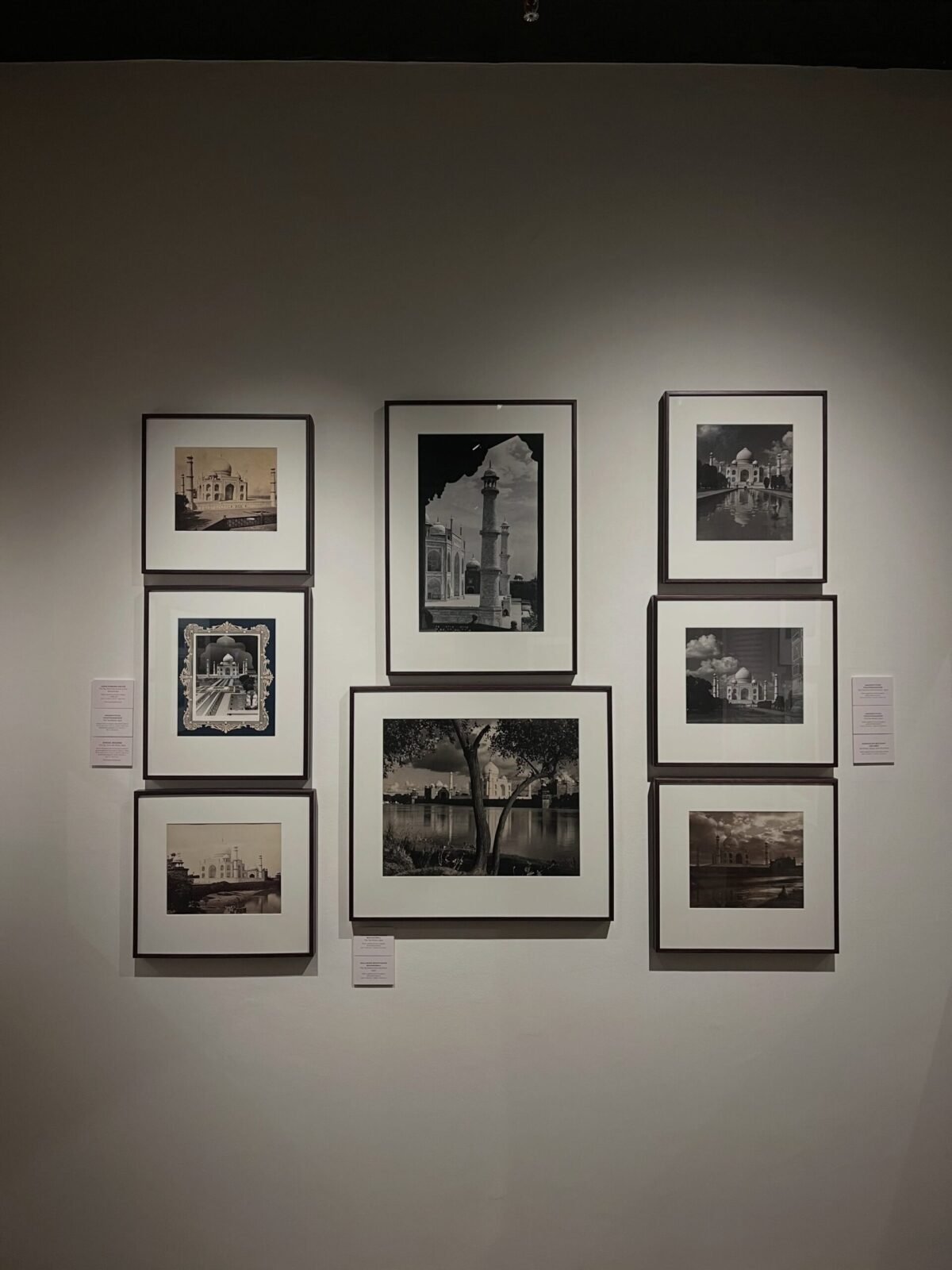
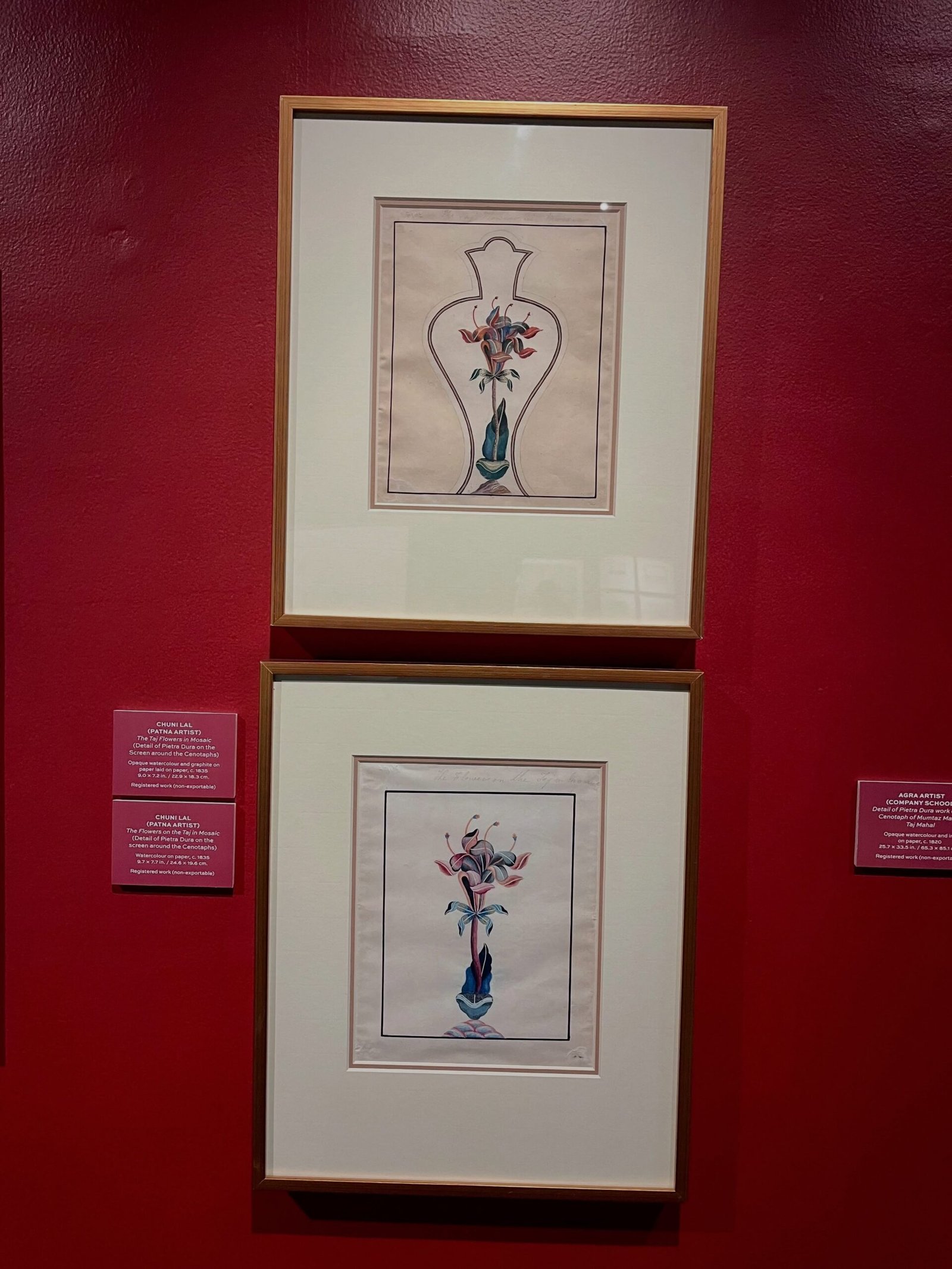
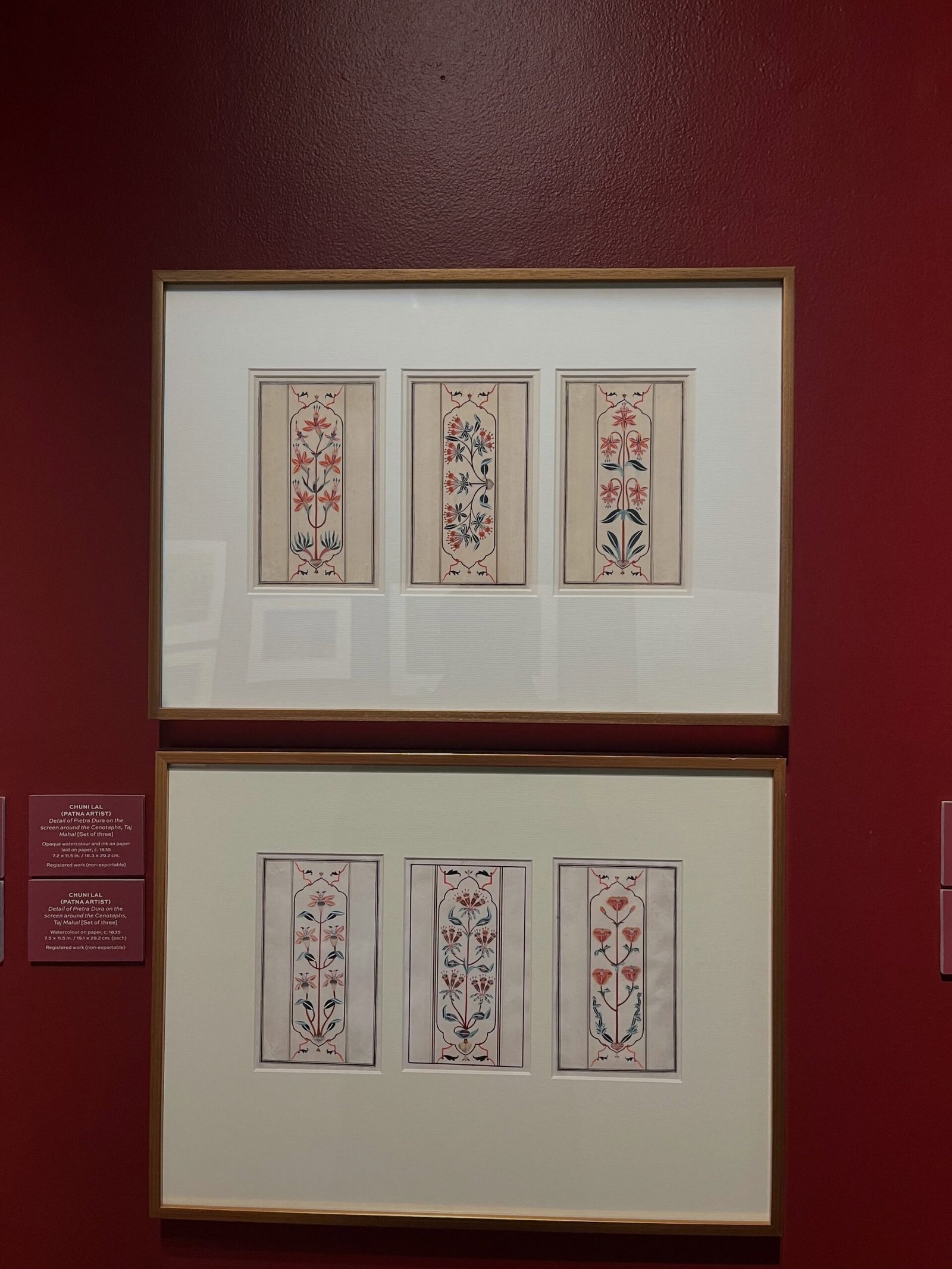
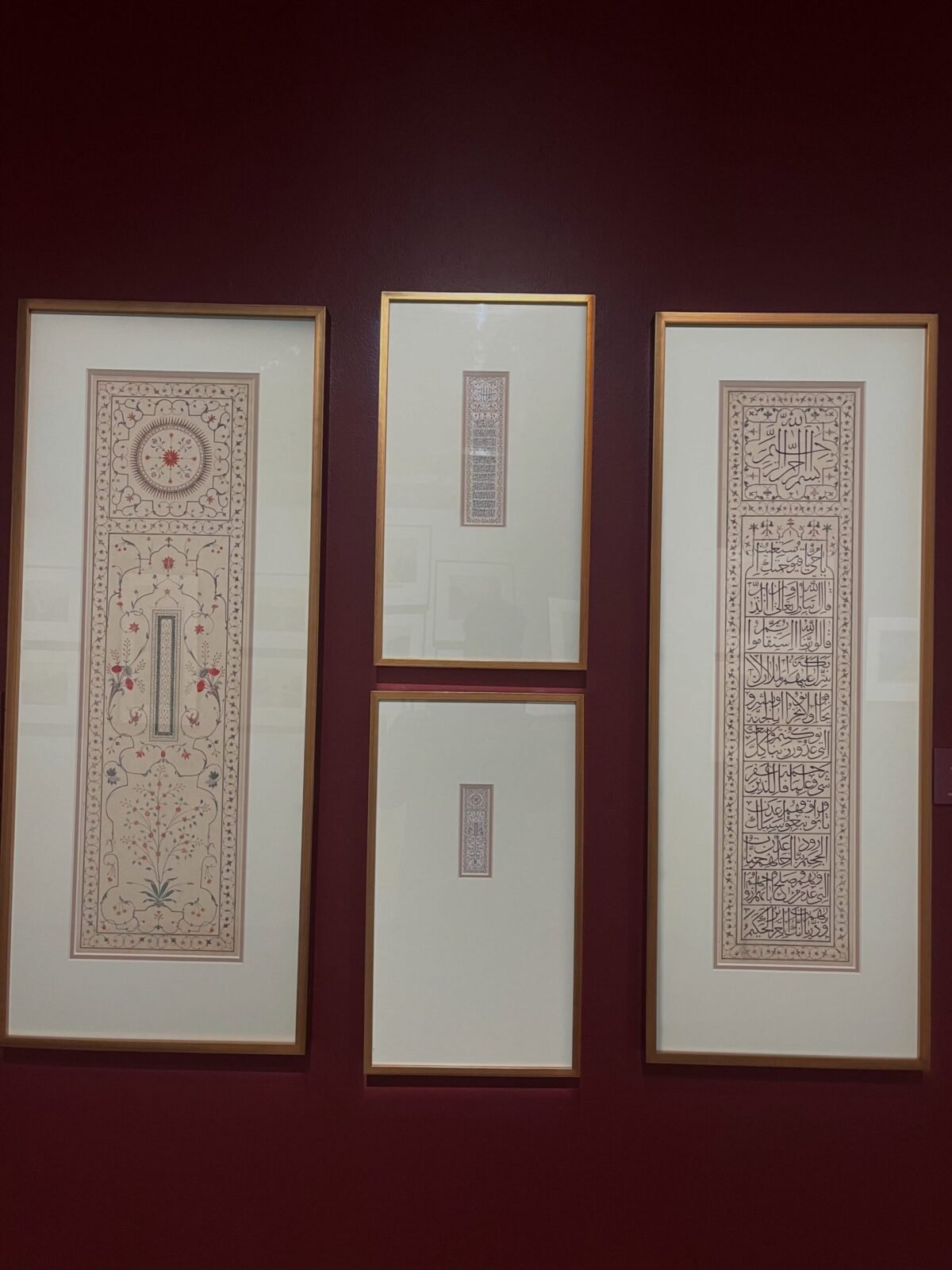
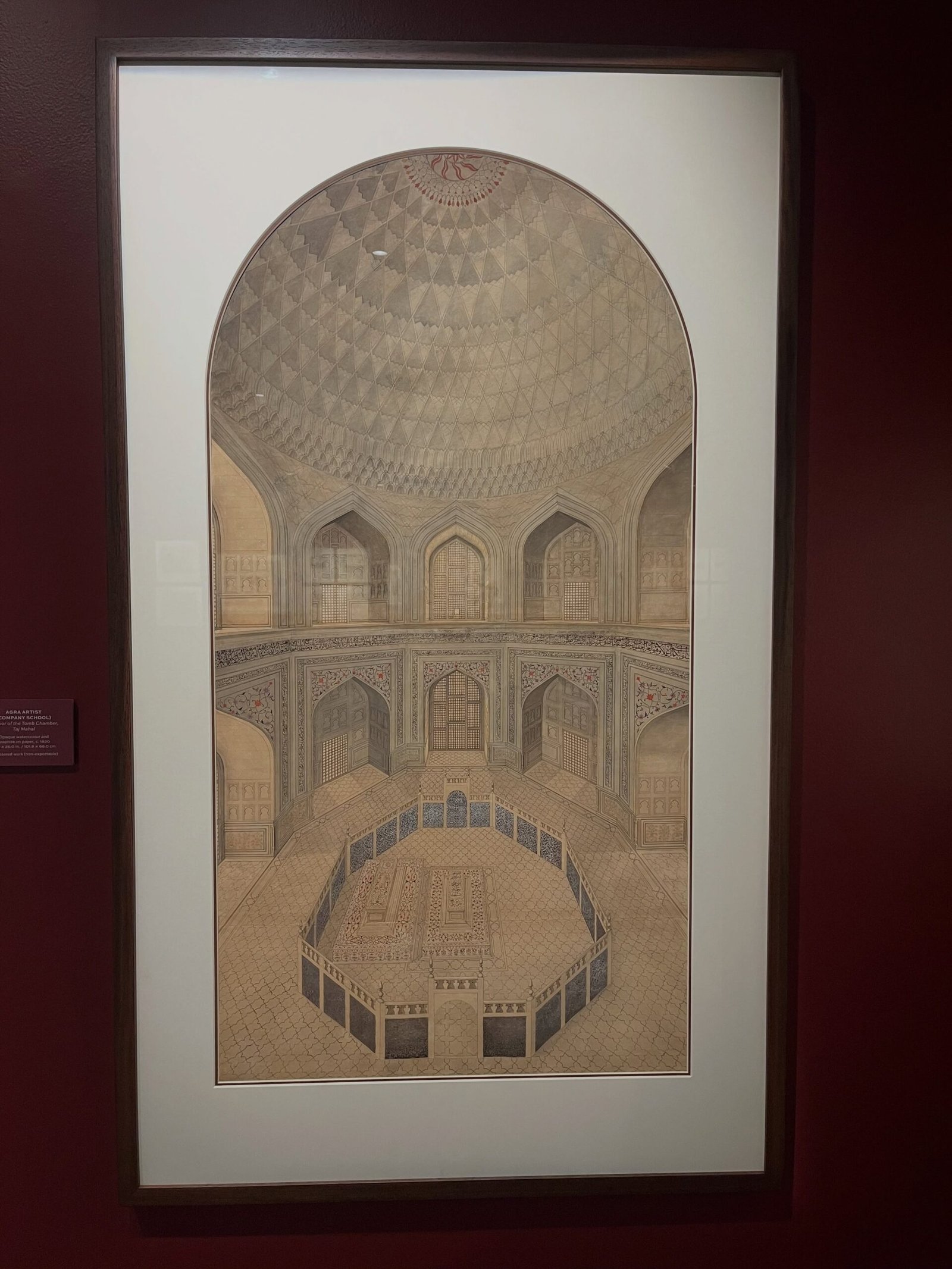
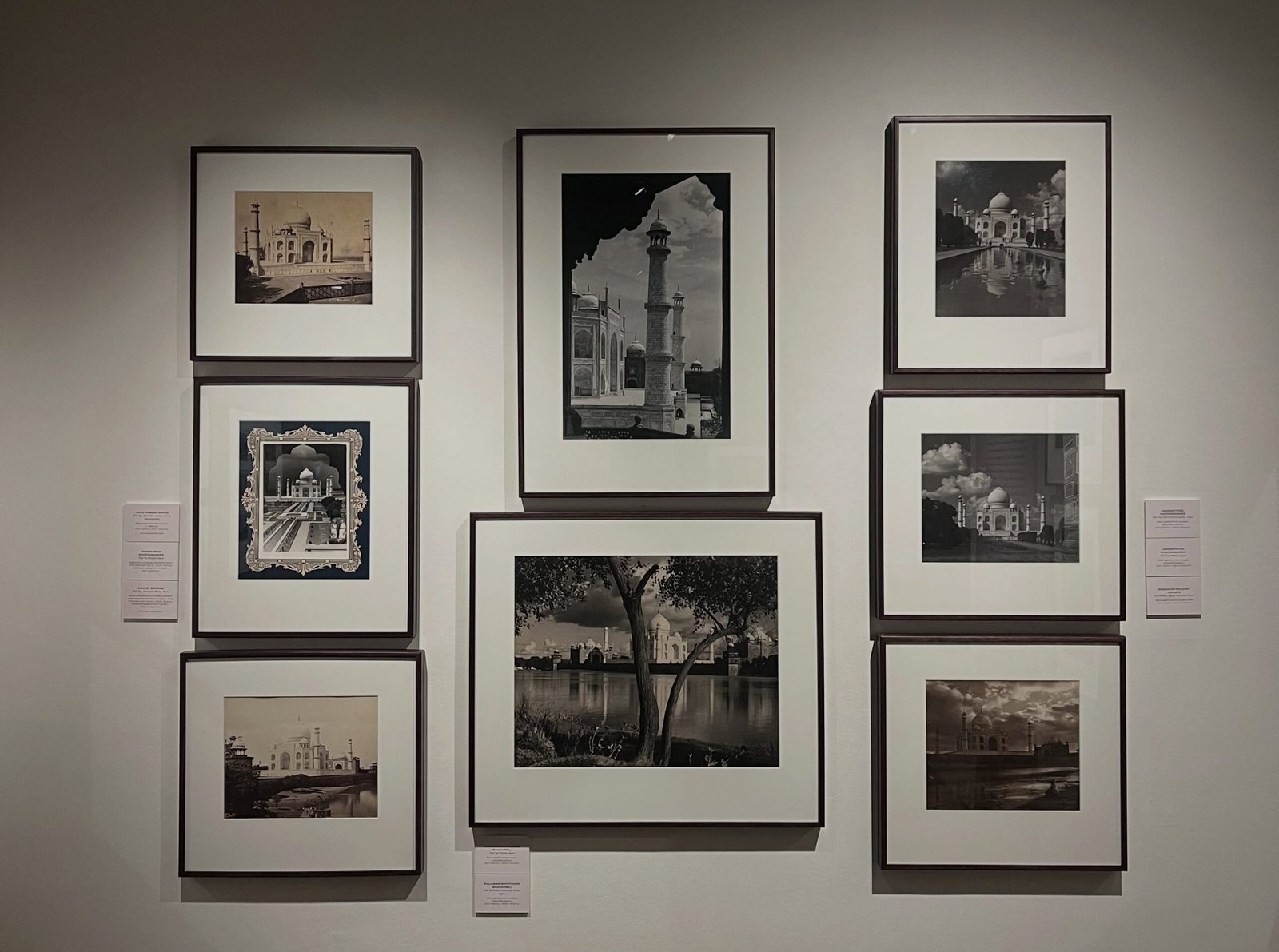
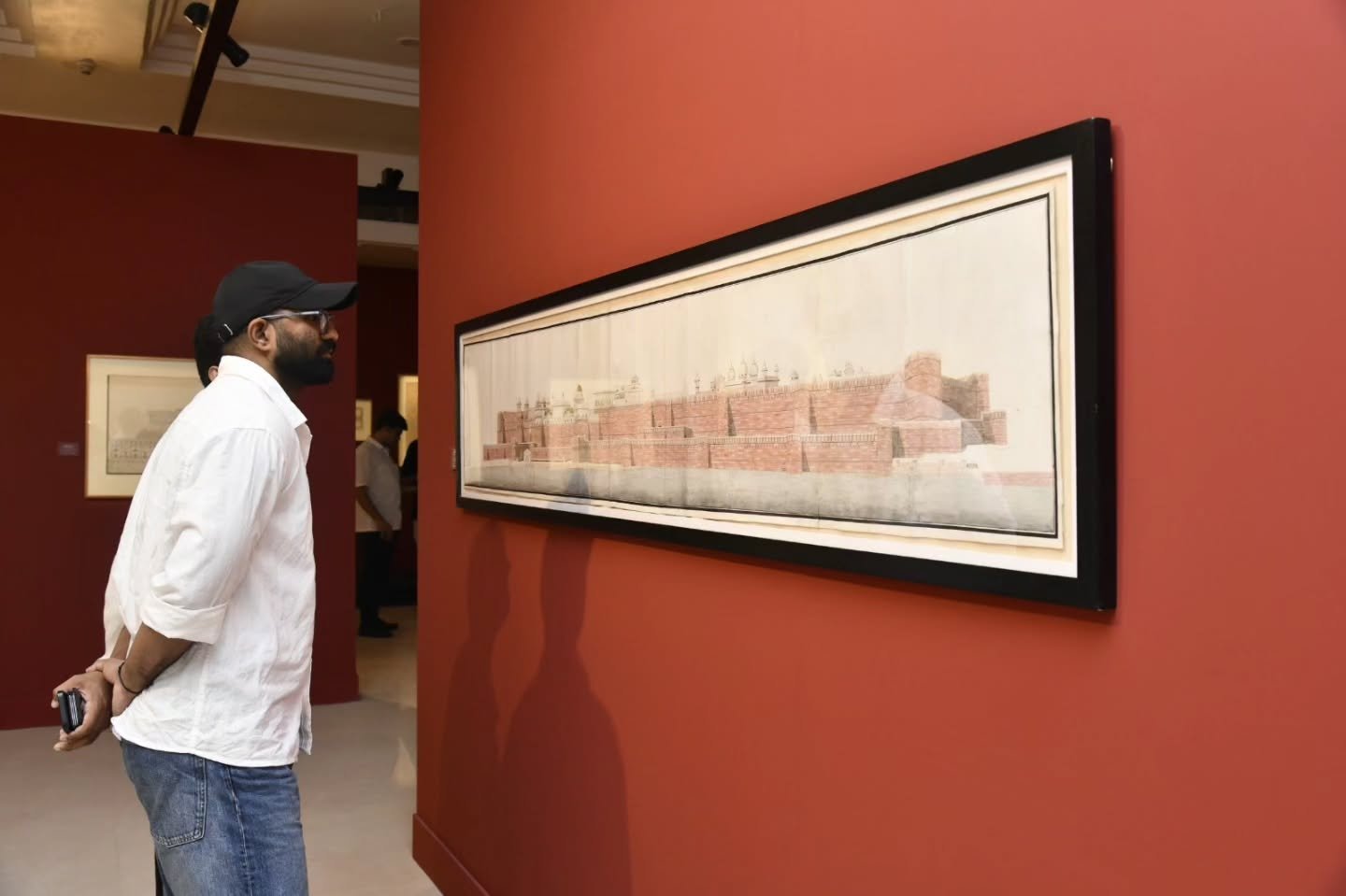
The exhibition presents thar nearly 200 rare paintings, prints, photographs and postcards dating from the late eighteenth to the mid-twentieth century. These works trace the changing ways in which artists, travellers and photographers have interpreted the Taj Mahal over the centuries, revealing how the monument has evolved from a sacred Mughal mausoleum into a global cultural icon. (DAG World)
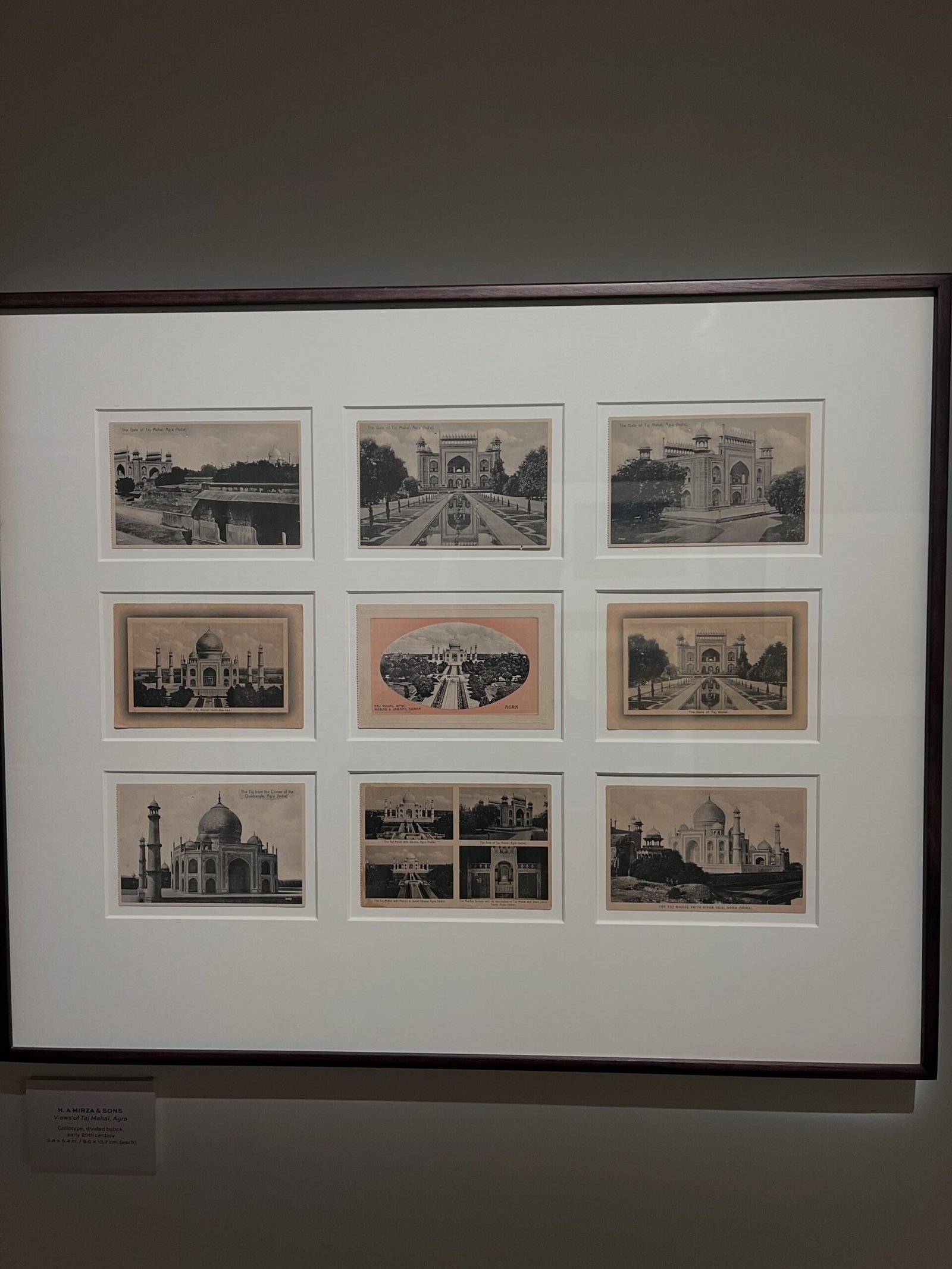
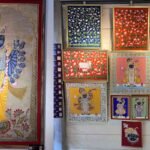
Among the highlights are Company School paintings, works by Indian modernists, archival photographs by pioneering photographers, and rare visual records that document not only the monument’s celebrated façade but also its gardens, interiors, decorative details and surrounding landscape. The exhibition also examines the Taj’s place in India’s visual identity and the many narratives that have shaped its legacy across generations.
During her talk, Safvi also drew attention to the conservation challenges facing the monument, particularly the ecological importance of the Yamuna River, whose groundwater supports the Taj Mahal’s wooden foundations. She emphasised that preserving the monument requires safeguarding its natural environment as much as its marble splendour.
On view at the Special Exhibition Hall of the Salar Jung Museum until October 4, the exhibition offers Hyderabad audiences a rare opportunity to encounter the Taj Mahal as a monument of faith, memory, imperial vision and artistic excellence—encouraging visitors to look beyond its enduring reputation as merely a symbol of love.
The Mute Eloquence of the Taj Mahal: Ba-zaban-e Be-zabani at Salar Jung Museum
DAG, in collaboration with the Salar Jung Museum, Ministry of Culture, Govt. of India invites you to the opening reception of The Mute Eloquence of the Taj Mahal: Ba-zaban-e Be-zabani. Curated by historian Rana Safvi, the exhibition positions the Taj itself as a ‘speaking’—though ironically silent—agent through a comprehensive visual narrative, with works spanning from the late eighteenth to the mid-twentieth century.
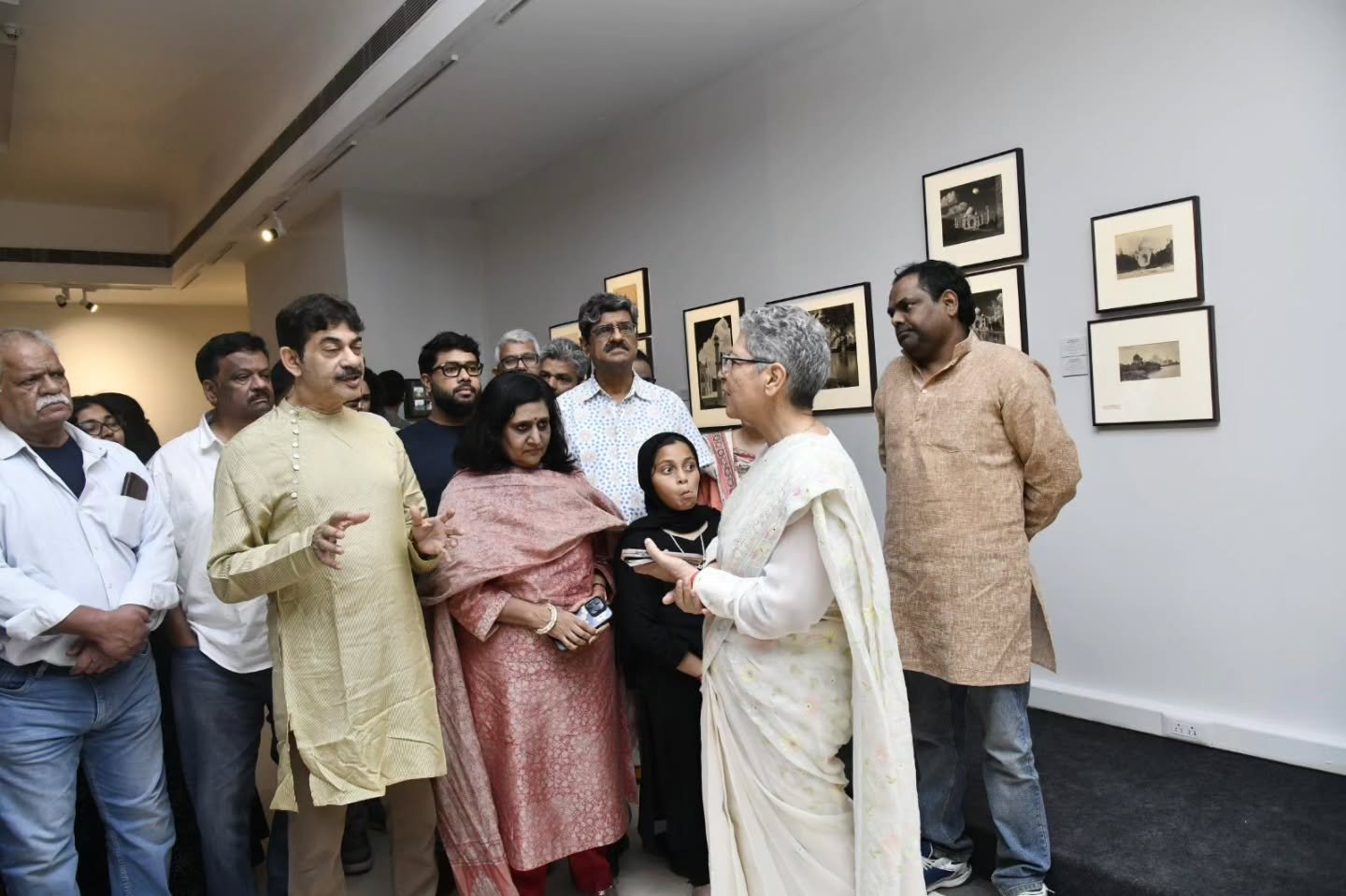
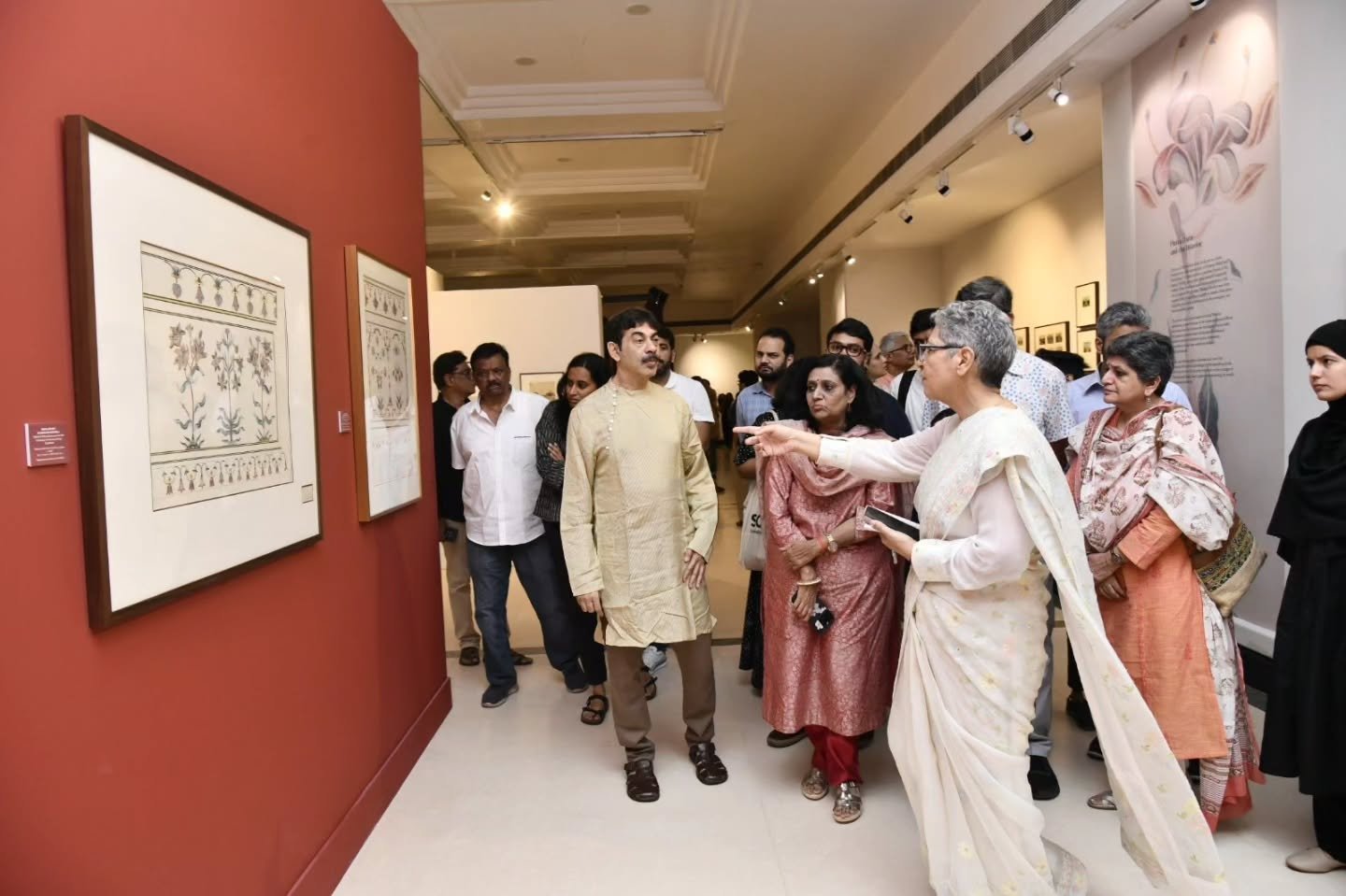
Gallery from Salarjung Museum Opening Day
Gallery From DAG Show in New Delhi