

The story of D.K. Shivakumar is more than the rise of an influential politician—it is the story of a leader who has repeatedly shaped the course of Karnataka‘s politics while quietly emerging as one of the Congress party‘s most dependable strategists. Whether navigating political crisesn, protecting party legislators during turbulent times, or spearheading election campaigns, Shivakumar has earned a reputation as the man the Congress turns to when the stakes are highest.
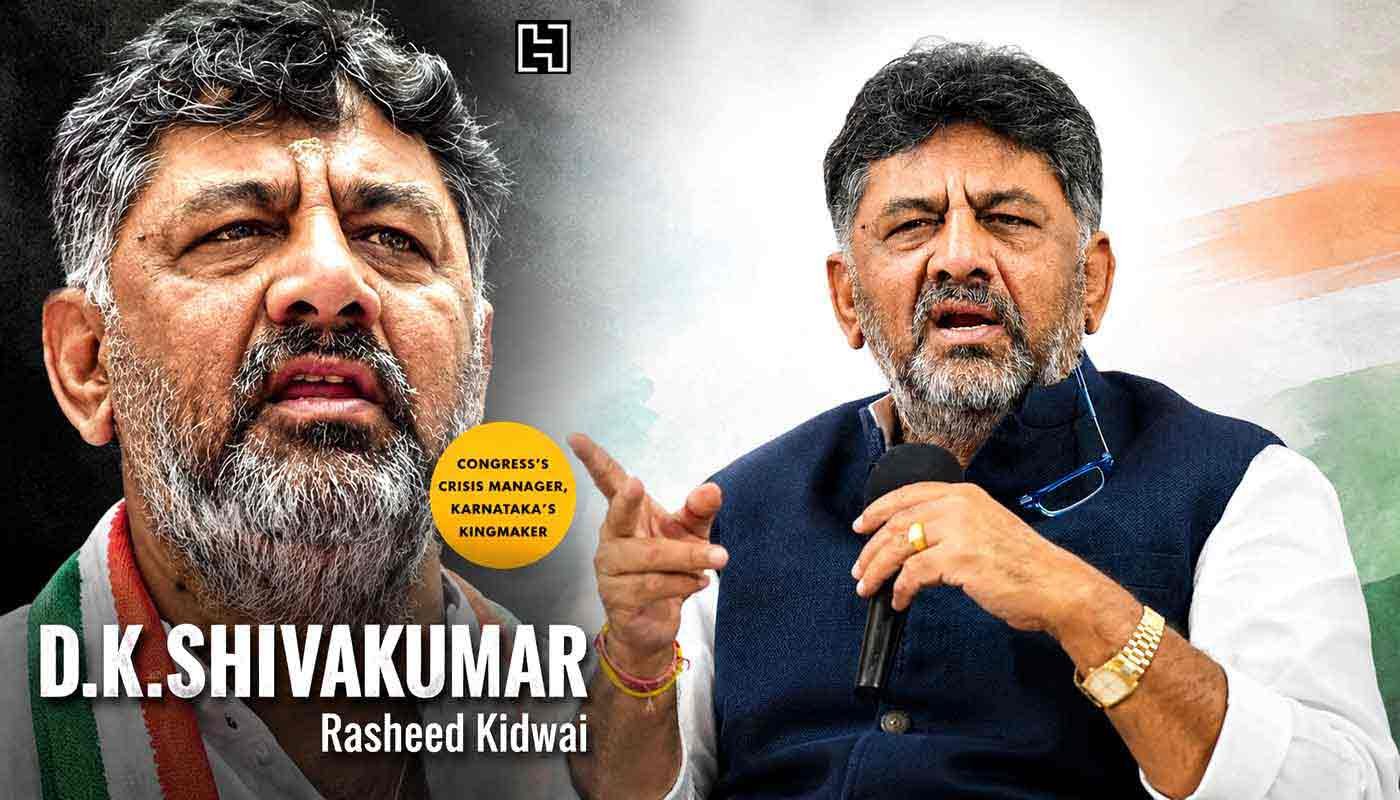
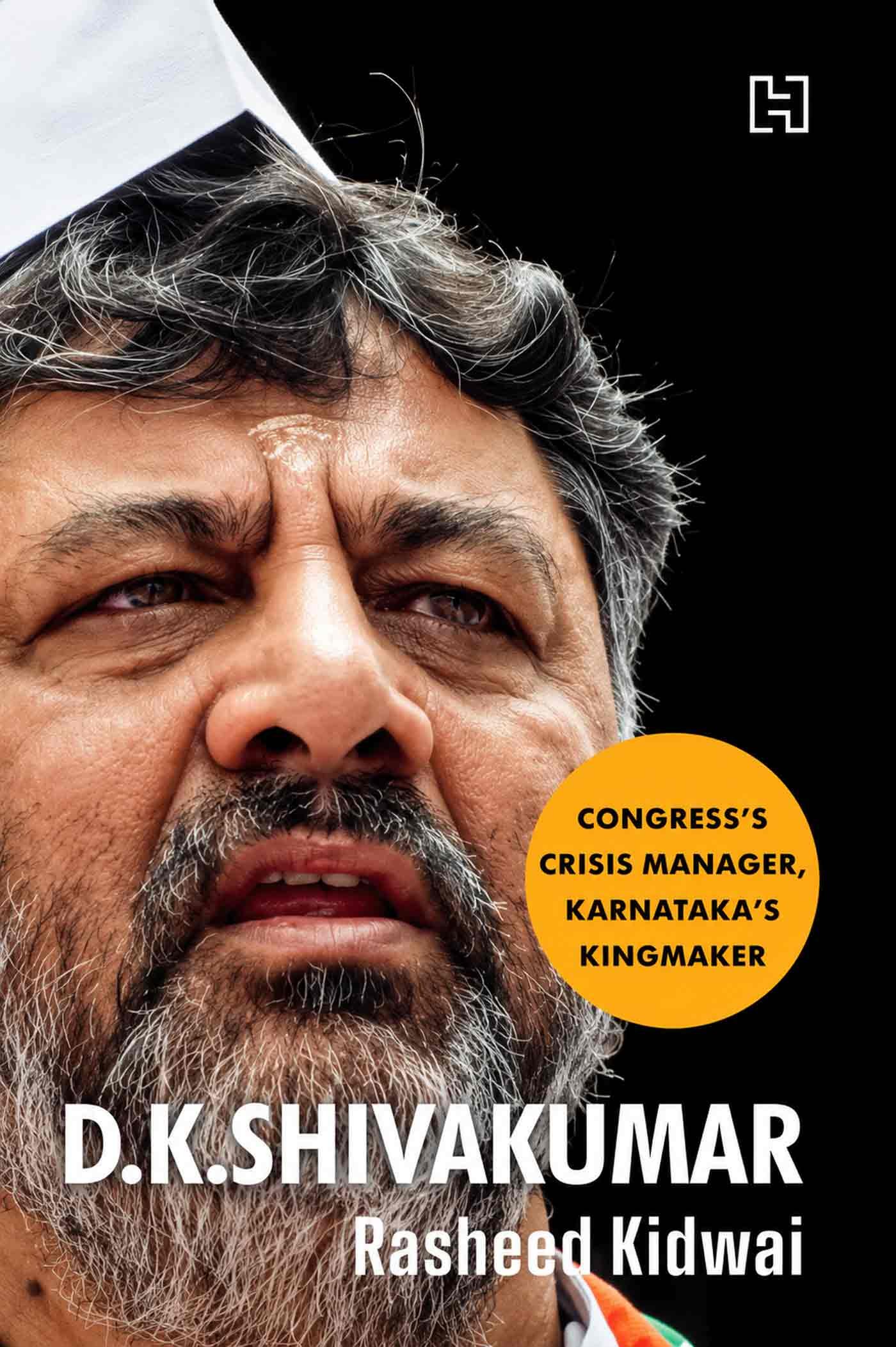
That extraordinary journey now finds its most comprehensive telling in journalist and political author Rasheed Kidwai’s forthcoming biography, D.K. Shivakumar: Congress’s Crisis Manager, Karnataka’s Kingmaker published Hachette India that released on July 16. Rather than merely chronicling electoral victories, the book examines the evolution of a leader whose influence extends far beyond Karnataka.
Shivakumar’s political career has been marked by resilience, strategic thinking and an ability to remain relevant through changing political landscapes. Beginning his journey in student politics, he steadily climbed the ranks to become one of Karnataka’s most powerful political figures. His organisational skills, close engagement with grassroots workers and ability to build political alliances have made him indispensable to the Congress.
Nationally, Shivakumar‘s profile grew significantly during moments of political uncertainty. From safeguarding legislators during government formation battles to leading high-pressure negotiations, he became synonymous with political management. These episodes cemented his image as the Congress party’s “crisis manager,” while his ability to influence government formation earned him the equally compelling description of “kingmaker.”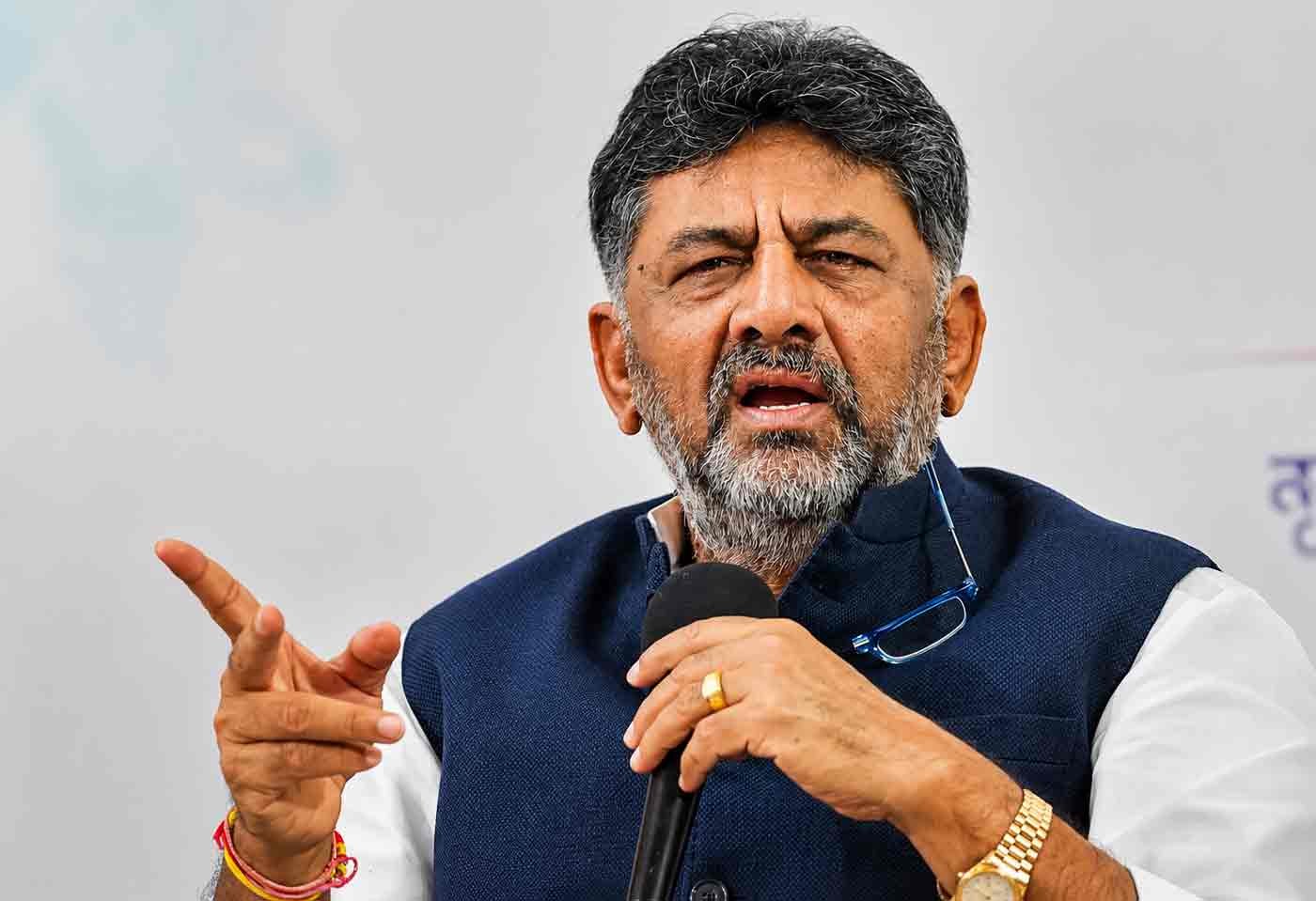
Kidwai’s biography goes beyond public events to explore the personal qualities that have sustained Shivakumar through decades in public life. Drawing upon interviews, archival research and conversations with political colleagues, supporters and observers, the book presents a portrait of a leader whose determination has often been tested by political setbacks, legal challenges and intense public scrutiny.
The biography also places Shivakumar within the broader story of Karnataka’s evolving political landscape, highlighting how regional leadership increasingly shapes national political narratives. His journey reflects larger themes of coalition politics, organisational leadership and the growing importance of state leaders in national decision-making.
For readers interested in contemporary Indian politics, the biography offers valuable insight into how influence is built—not simply through electoral success but through relationships, negotiation and organisational strength. It presents Shivakumar as a politician whose greatest asset may not be charisma alone, but his ability to keep complex political machinery functioning when it matters most.
As India’s political landscape continues to evolve, D.K. Shivakumar‘s story stands as a compelling example of resilience, ambition and strategic leadership. Whether viewed as a kingmaker, administrator or political survivor, his journey offers a fascinating window into the dynamics of modern Indian democracy and the personalities who shape it behind the scenes.