

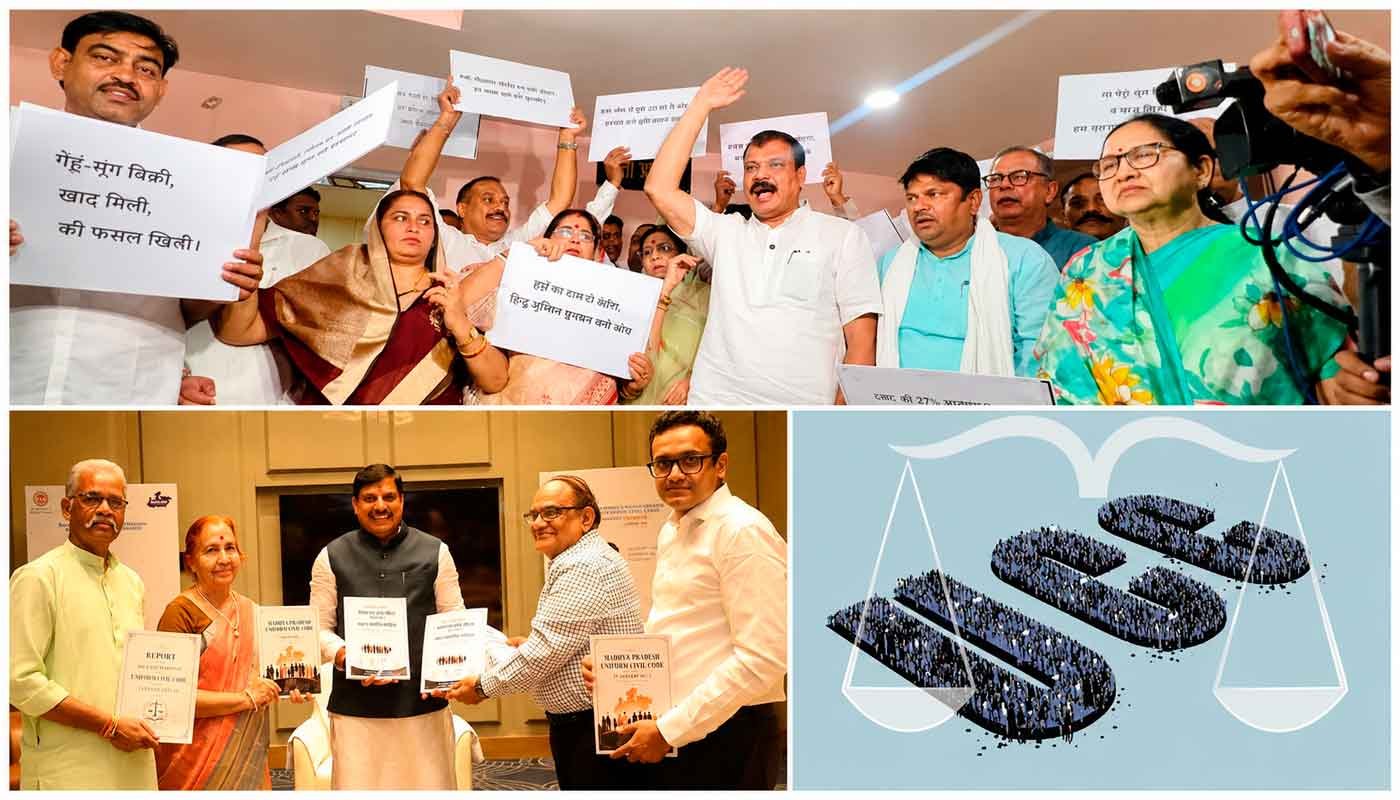
Madhya Pradesh has officially become the fourth Indian state to pass legislation implementing the Uniform Civil Code (UCC), marking another significant milestone in the country’s ongoing debate over a common set of civil laws. The Madhya Pradesh Assembly passed the bill by voice vote, despite strong protests and objections from Congress legislators.
Following the passage of the bill, Chief Minister Mohan Yadav described the development as a “golden moment” for the state, stating that the legislation represents an important step toward ensuring equal civil rights and a more uniform legal framework for citizens. The move aligns with the Bharatiya Janata Party’s long-standing commitment to implementing the Uniform Civil Code across India.
The opposition, however, strongly opposed the legislation. Congress legislators demanded that the bill be referred to a Select Committee for detailed scrutiny before being passed. They also argued that the government should prioritize long-pending issues such as implementing 27% reservation for Other Backward Classes (OBCs) instead of introducing the UCC at this stage.
With the passage of the legislation, Madhya Pradesh joins Uttarakhand, Gujarat, and Assam as the four Indian states that have enacted laws to implement a Uniform Civil Code. Goa continues to remain a unique case, having followed a common civil code inherited from the Portuguese legal system for decades, making it the only Indian state with a long-standing uniform civil law framework.
The Uniform Civil Code seeks to establish a common set of civil laws governing matters such as marriage, divorce, inheritance, adoption, maintenance, and succession, irrespective of an individual’s religion. At present, these issues are largely governed by religion-specific personal laws for communities including Hindus, Muslims, Christians, Parsis, and others. Supporters argue that a common code promotes equality before the law and strengthens the constitutional principle of equal citizenship.
The idea of a Uniform Civil Code finds mention in Article 44 of the Directive Principles of State Policy in the Indian Constitution. It encourages the State to work toward securing a uniform civil code for all citizens. However, because Directive Principles are not legally enforceable, successive governments have differed on how and when such a law should be implemented, making it one of India’s most debated constitutional issues.
Supporters of the UCC argue that it would eliminate legal inequalities between different personal laws, promote gender justice, and simplify civil legal procedures. They contend that a common code would ensure equal rights for women in matters such as inheritance, divorce, and maintenance while strengthening national integration.
Critics, however, have raised concerns that implementing a Uniform Civil Code without broad consultation could undermine India’s religious and cultural diversity. Several legal experts and minority groups argue that personal laws are closely linked to religious freedom protected under the Constitution, and any reform should be carried out through dialogue and consensus rather than political majorities alone.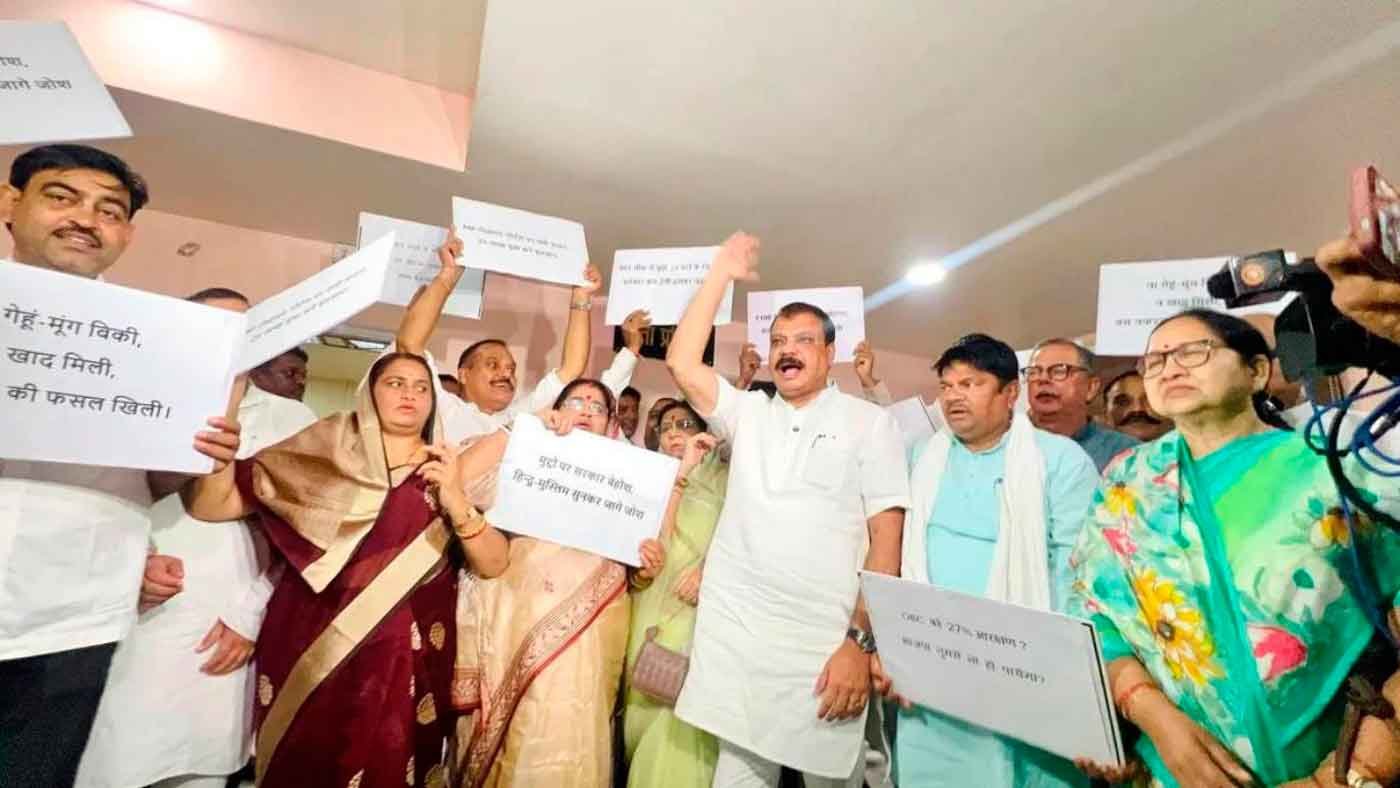
The debate surrounding the UCC has therefore become not only a legal issue but also a political and constitutional one. With more states now adopting their own versions of the legislation, the discussion is expected to intensify over whether India should eventually move toward a nationwide Uniform Civil Code or continue allowing states to frame their own approaches.
As Madhya Pradesh joins the growing list of states implementing the UCC, the legislation is likely to remain at the center of national political discourse, raising important questions about equality, federalism, religious freedom, and the future direction of India’s civil laws.