
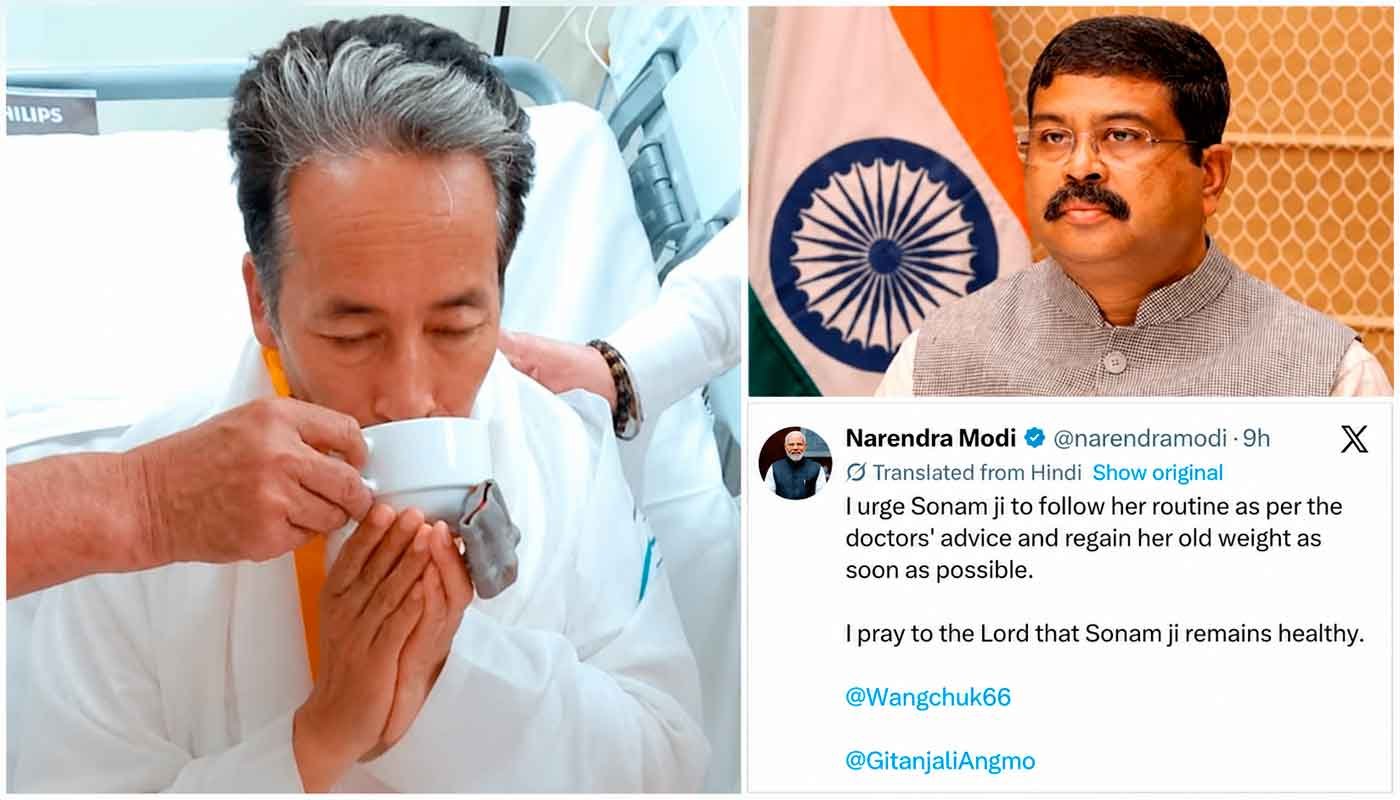
After nearly a month of fasting that became the moral centre of India’s student-led movement, education reform activist Sonam Wangchuk ended his 26-day hunger strike on Friday, July 24, 2026, following discussions with the Central government and assurances conveyed by Union ministers. The development marks a significant turning point in one of the country’s largest youth-led protest movements in recent years.
According to Shering Dorje Lakruk, co-convener of the Leh Apex Body, Wangchuk broke his fast in the presence of Union Ministers J.P. Nadda and Dr. Jitendra Singh, alongside senior leaders from Ladakh. Wangchuk had reportedly lost over 10 kilograms during the prolonged fast, raising serious medical concerns after being shifted to hospital for monitoring.
In a message shared after ending his fast, Wangchuk revealed that the decision followed prolonged negotiations with the government and repeated appeals from public representatives across party lines. More than 60 Members of Parliament had urged him to preserve his health and end the fast.
A Call for Peace Above All Else
Even before concluding his fast, Wangchuk made it clear that he did not want the movement to descend into violence. Addressing supporters on Thursday, he expressed deep concern over reports that anti-social elements were attempting to provoke unrest in different parts of the country. While the demonstrations at Delhi’s Jantar Mantar had largely remained peaceful, he urged everyone associated with the movement to maintain discipline and reject violence in every form.
His appeal reflected the philosophy that has long defined his activism, that lasting change can only emerge through peaceful, democratic participation rather than confrontation.
Modi Responds as Centre Steps In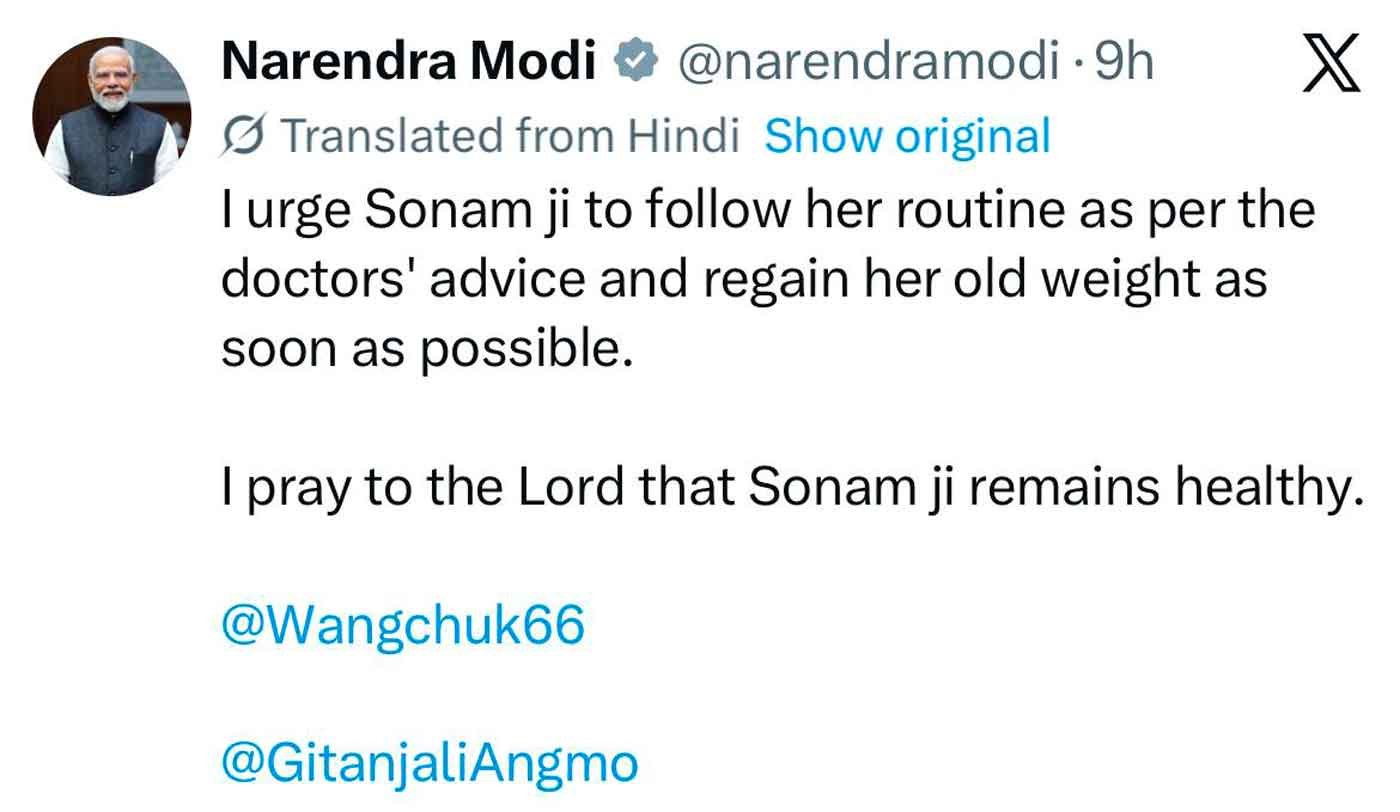
The conclusion of Wangchuk’s fast also came after Prime Minister Narendra Modi publicly acknowledged the concerns surrounding examination irregularities and announced a series of measures aimed at restoring confidence in India’s education system. These include proposals for stronger anti-paper leak legislation, faster judicial processes for examination-related offences, and broader institutional reforms to improve transparency and accountability.
The government’s outreach, coupled with meetings involving senior Union ministers, ultimately paved the way for Wangchuk’s decision to end his fast after 26 days.
The Protest Is Far From Over
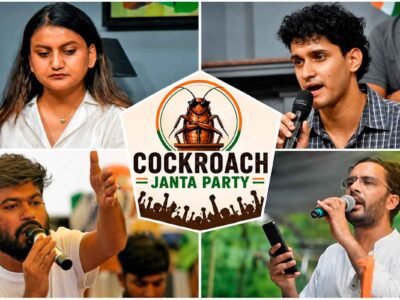
While Wangchuk’s fast has ended, the movement itself has not. Student organisations and the Cockroach Janta Party (CJP), which emerged as one of the primary organisers of the nationwide demonstrations, have reiterated that protests will continue until their core demands, including accountability for examination irregularities and the resignation of Union Education Minister Dharmendra Pradhan, are addressed.
In recent days, demonstrations spread across multiple Indian cities following allegations of police action against protesters during the Parliament march in Delhi. What began as outrage over examination paper leaks has since evolved into a broader conversation about education reform, youth unemployment, institutional accountability, and democratic rights.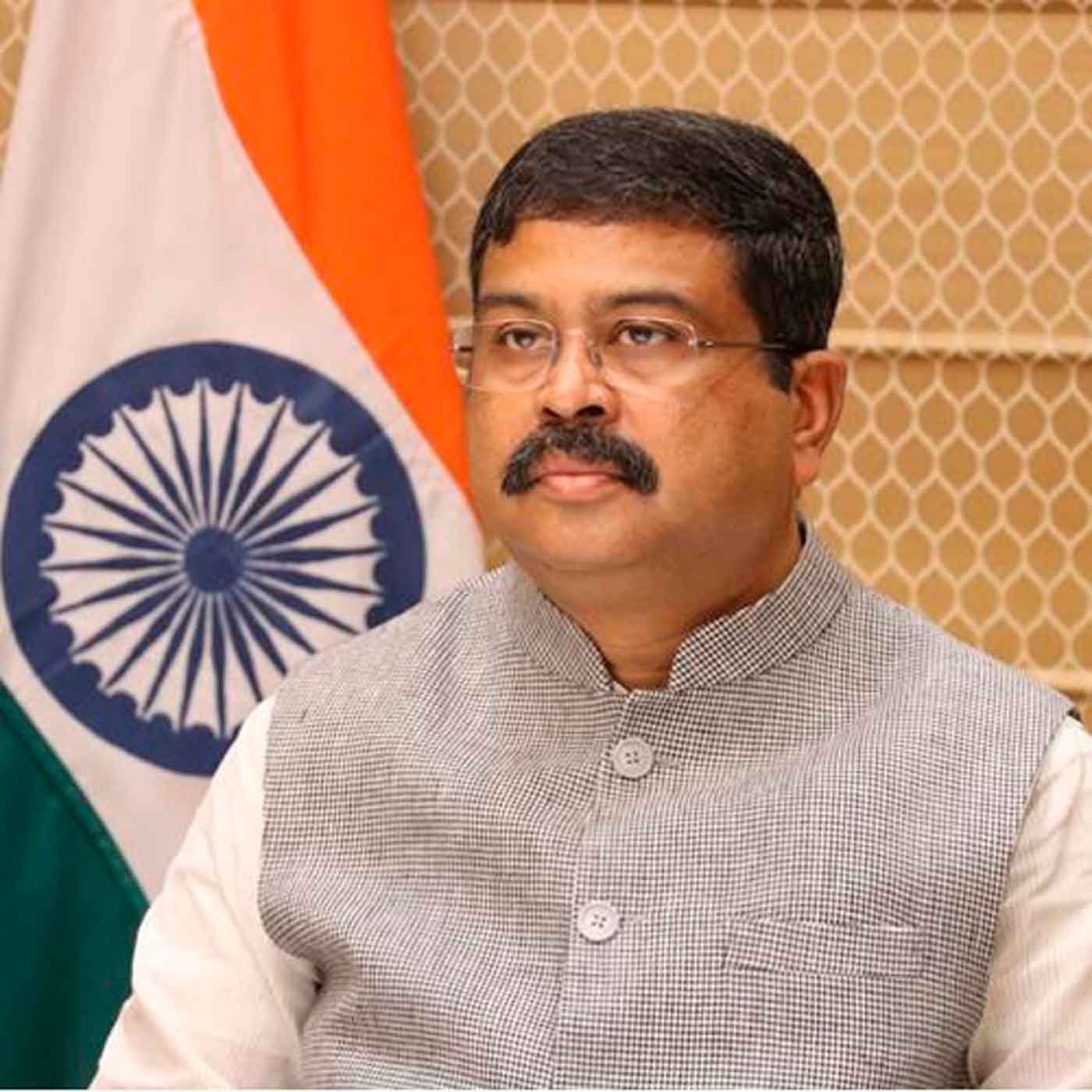
More Than a Hunger Strike
For many supporters, Wangchuk’s fast became more than a personal act of sacrifice. It evolved into a symbol of a generation demanding accountability from institutions they believe have repeatedly failed students.
His decision to end the fast signals a pause, not necessarily an end, to that struggle. By urging peace while encouraging democratic engagement, Wangchuk has attempted to ensure that the movement remains rooted in non-violence even as negotiations continue.
Whether the government’s assurances translate into lasting reforms will determine how this chapter in India’s education movement is ultimately remembered. But one thing is already clear: the questions raised over transparency, accountability, and the future of India’s education system are unlikely to disappear with the end of a hunger strike.