

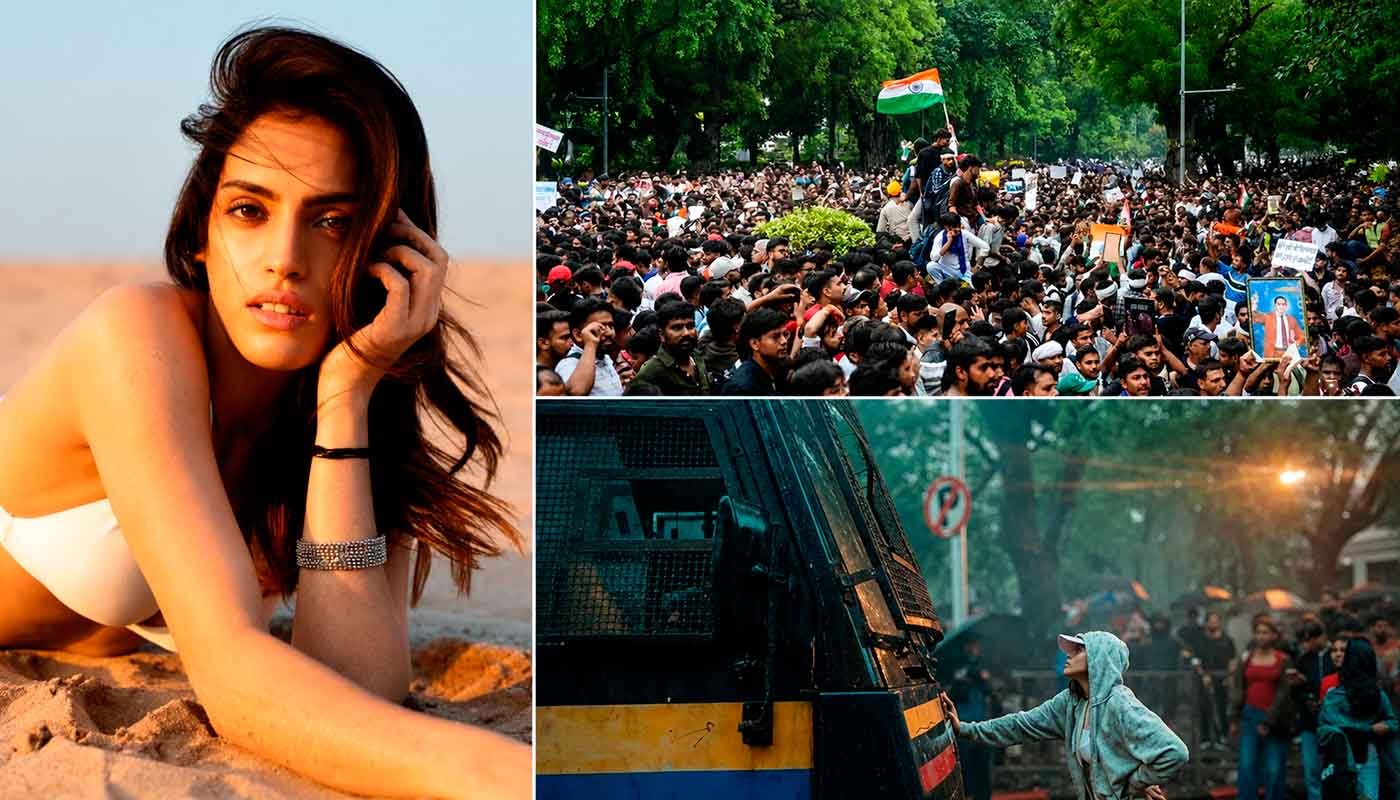
Until a day ago, Rhia Ahir was known primarily as a Mumbai-based theatre actor, model, and entrepreneur. Today, she has become one of the defining faces of India’s student movement after a striking photograph captured her standing alone before a police officer during the recent protests in Delhi.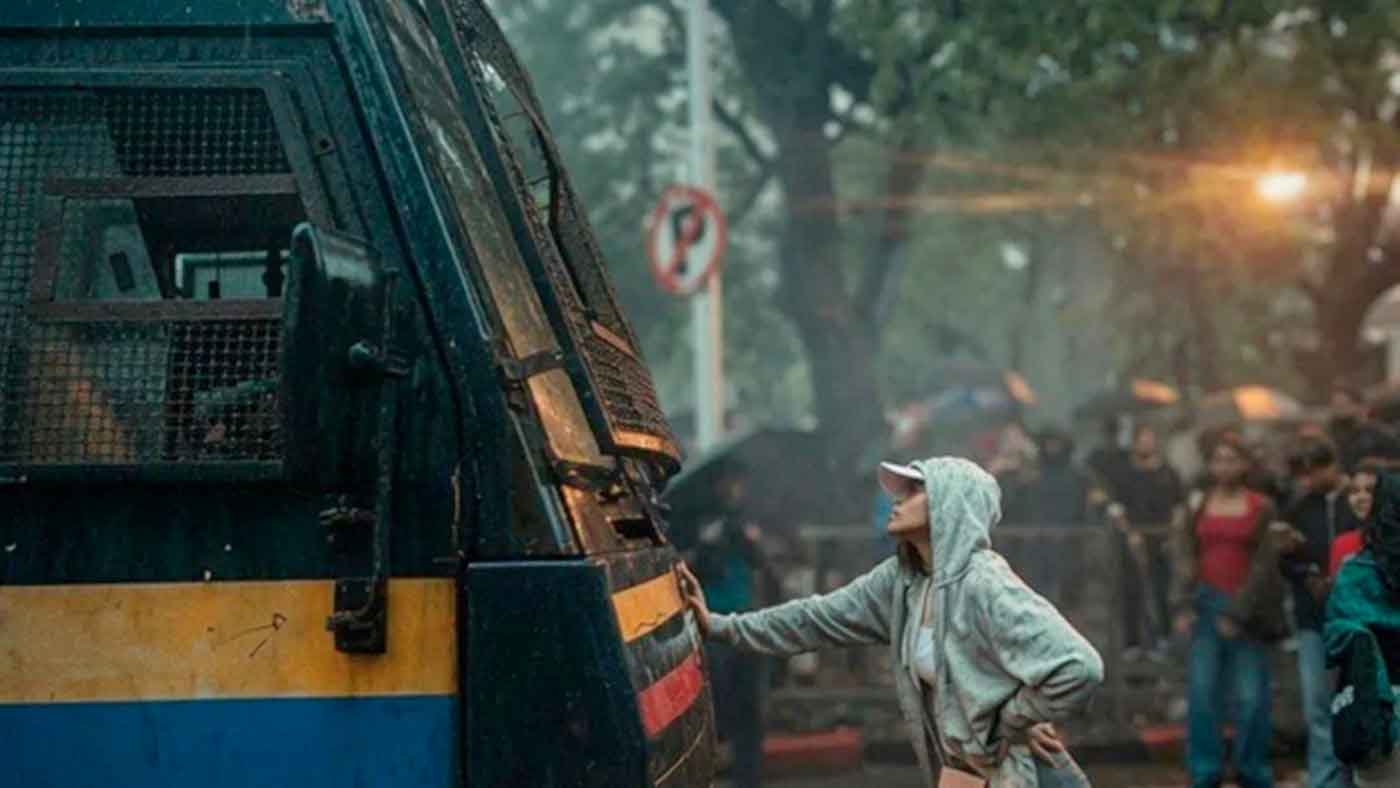
Taken by photographer Indra Joshi, the image rapidly spread across social media platforms, resonating with thousands who saw it as a symbol of courage, peaceful resistance, and the determination of a generation refusing to remain silent. The photograph was widely shared with captions calling Ahir an “icon,” a “hero,” and proof that “the kids are going to be all right.”
What transformed the image into something larger than a photograph was not just its composition, but the moment it captured, a lone protester standing her ground amid heightened tensions surrounding demonstrations over education reforms and democratic rights.
“I Didn’t Want to Go Alone”
Speaking about the now-viral moment, the 27-year-old revealed that she had never intended to become the face of a national movement. “I was actually waiting for people I’d connected with on Instagram because none of us wanted to go to the protest alone,” she recalled.
Like many first-time demonstrators, Ahir simply wanted to stand alongside others who shared her concerns. Instead, one photograph transformed her into one of the most recognisable faces of the protests.
Becoming the Face of a Movement
For Ahir, the overwhelming public attention has been both unexpected and humbling.
“I didn’t expect any of this to happen. Being viral or becoming the centre of this wasn’t my intention at all. But since it has happened, I want to be vocal about what I stood for.”
She believes the demonstrations represent something much larger than examination controversies alone.
“It’s not just about the students anymore. It’s about us as a nation—the farmers, the Adivasis, the Dalits, the women, the environment, and the animals.”
Her words reflect a broader sentiment shared by many protesters, who increasingly see the movement as one connected to wider questions of accountability, justice, and democratic participation.
A Family That Encouraged Her
One of the most touching aspects of Ahir’s story is the support she received from her family.
“My dad has always been supportive. When I thought the protests were cancelled, he told me, ‘So what if they’re cancelled? People will still come. You go.'”
At a time when many young people hesitate to participate in demonstrations out of fear or uncertainty, her father’s encouragement became an important part of the story behind the now-famous photograph.
“I Love Gen Z”
Reflecting on the wave of appreciation directed at young protesters, Ahir spoke passionately about her own generation.
“I love Gen Z. I am Gen Z. Our parents and millennials were taught to adjust. It’s okay, be quiet. It’s not okay. I love that we have voiced it.”
Her remarks capture what many observers believe distinguishes today’s youth activism, a greater willingness to question authority, organise through social media, and publicly speak about issues ranging from education and unemployment to climate change and social justice.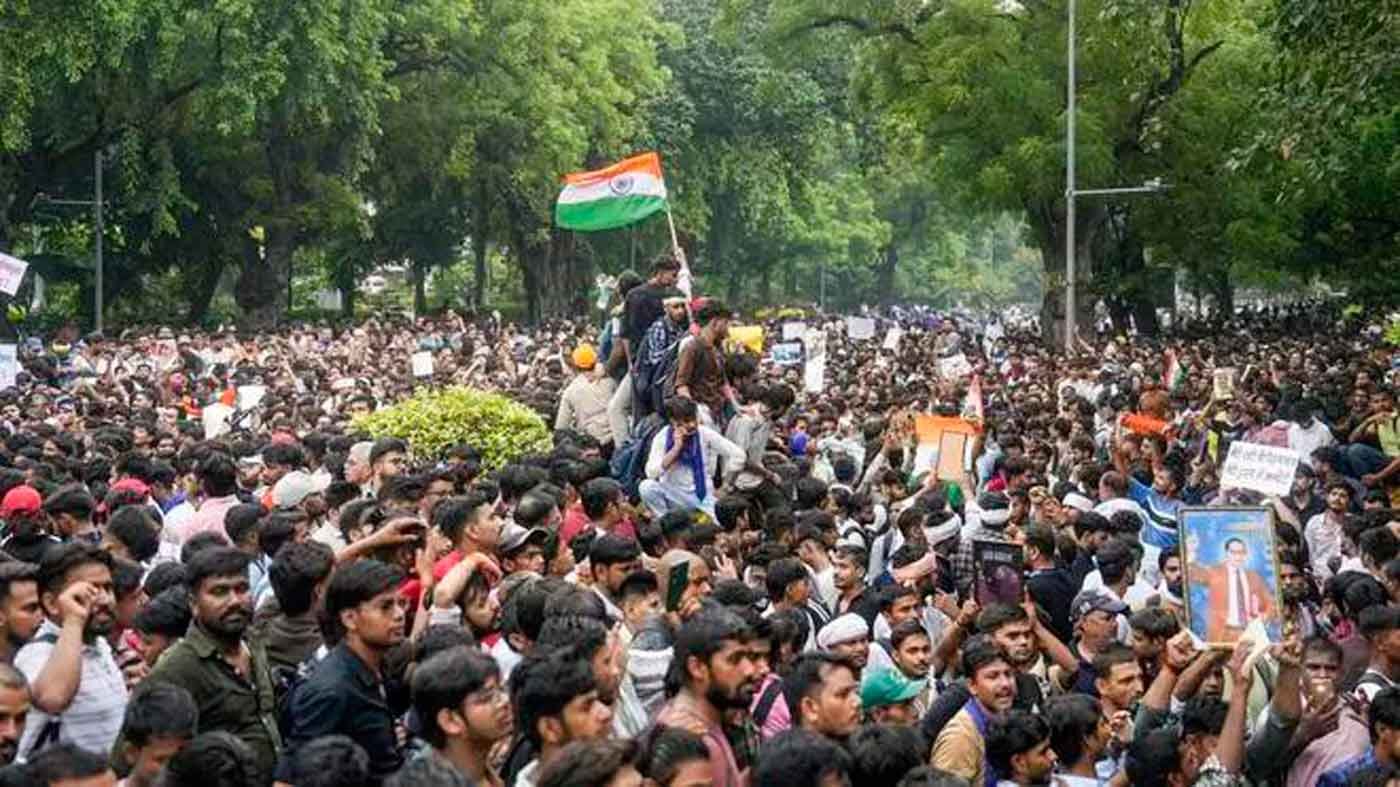
One Photograph, Many Meanings
Throughout history, powerful photographs have often come to represent entire movements. Whether intentionally or not, Ahir’s image has joined that tradition, becoming a visual reminder of peaceful protest and civic participation.
For many, the photograph symbolises the resilience of young Indians who continue to demand accountability and reform despite obstacles. For others, it reflects the enduring power of peaceful dissent in a democracy.
Rhia Ahir herself never set out to become a symbol. She simply showed up because she believed her voice mattered. Sometimes, history remembers not the loudest speech or the biggest crowd, but one quiet moment of courage captured through a camera lens.