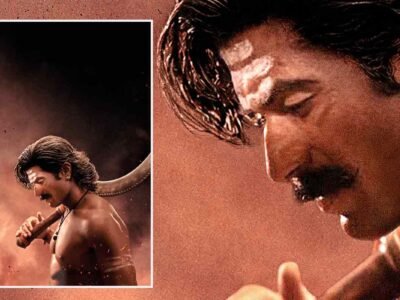


Strong female characters are memorable. Poorly written female characters are unforgettable, for all the wrong reasons. Confidence is not arrogance. Independence is not emotional manipulation. And comedy should never excuse toxic behaviour. These characters may have been popular, but many viewers found their actions frustrating rather than empowering.
Here are six female leads whose writing left audiences scratching their heads.
Bhanumathi – Fidaa (Sai Pallavi)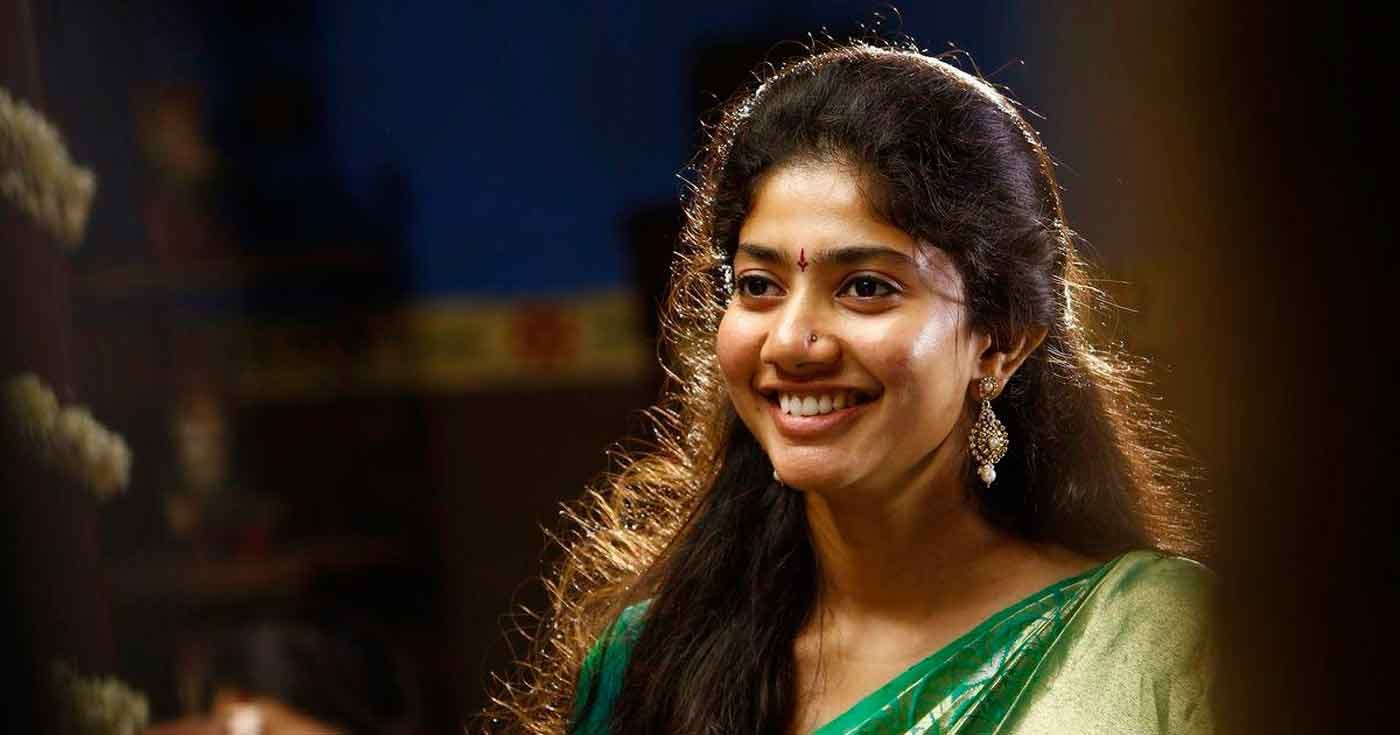
Bhanumathi is often celebrated as an independent, outspoken woman. But beneath that confidence lies a character who frequently judges before understanding. She assumes the worst about Varun, expects him to constantly understand her perspective, yet rarely extends the same empathy in return. Instead of communicating openly, she withdraws, punishes him with silence, and expects him to figure everything out himself.
The infamous slipper-photo response feels unnecessarily harsh. Throughout the film, her stubbornness often crosses the line into emotional immaturity. There’s a fine line between standing your ground and treating people unfairly, and Bhanumathi repeatedly blurs it.
Harika – F2: Fun and Frustration (Tamannaah Bhatia)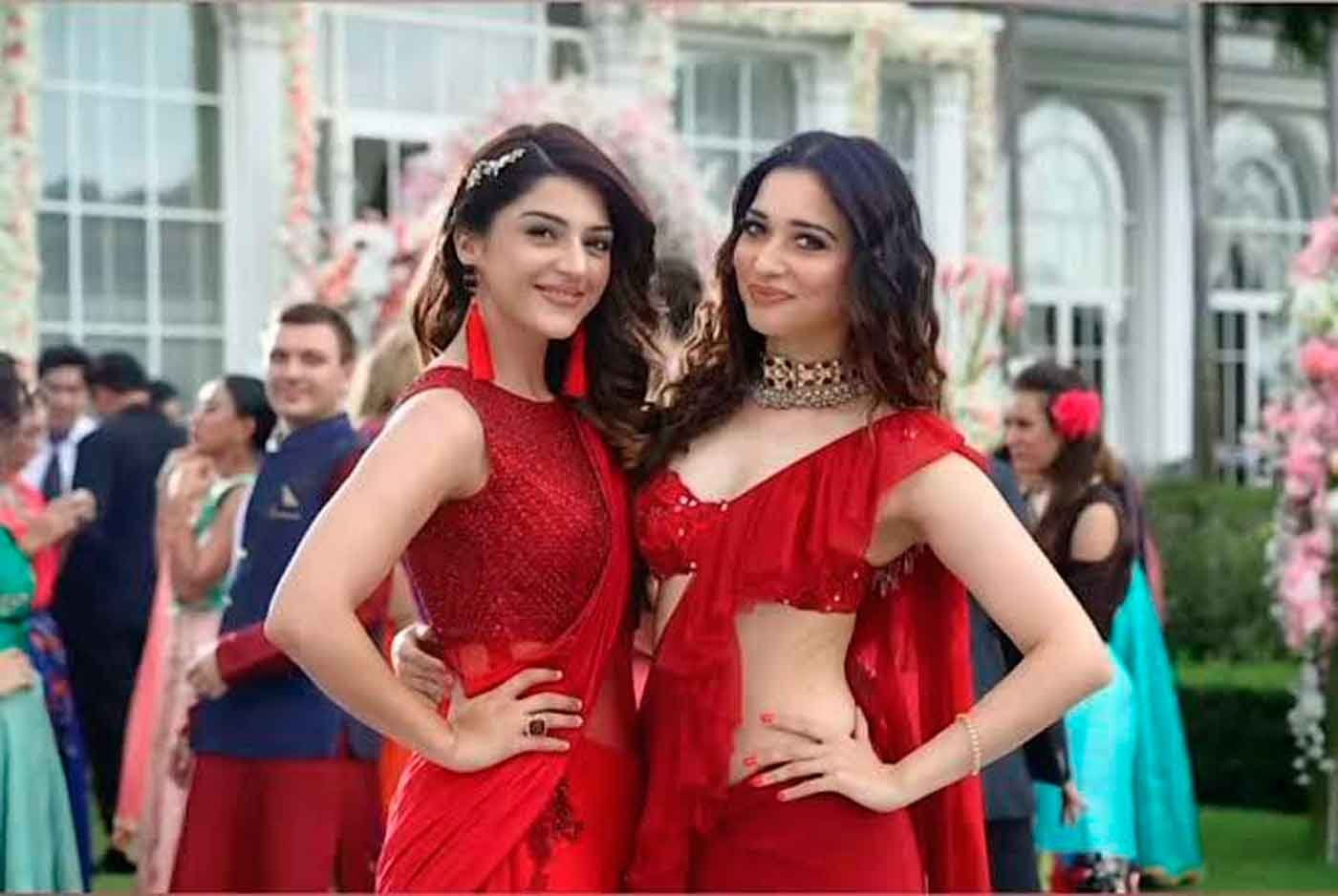
Most conversations around F2 focus on Honey. Harika deserves equal attention. She constantly micromanages Venky’s life, imposes unreasonable rules, and creates drama over minor inconveniences. The film packages her controlling behaviour as comedy, but the humour quickly becomes repetitive.
What makes it even more exhausting is how everyone around her validates her behaviour instead of questioning it. Rather than creating funny marital conflicts, the writing often normalises emotional manipulation.
Charu – Minnaminnikoottam (Meera Jasmine)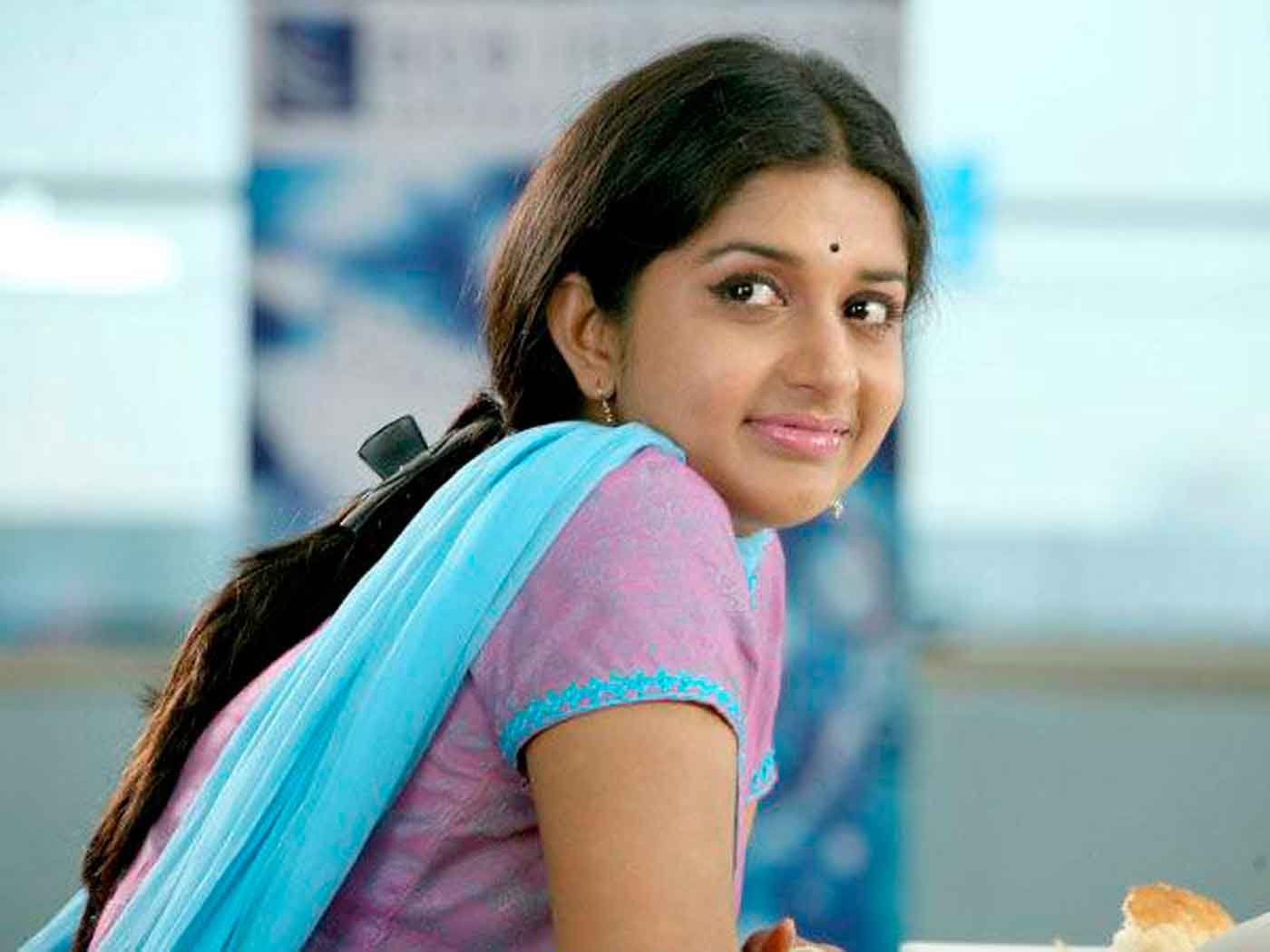
Charu spends much of the film trapped inside her own negativity. She carries emotional baggage, but instead of confronting it, she lets it dominate every interaction. Whenever her friends try to enjoy themselves, her pessimism and defensive attitude pull everyone back down.
Her emotional walls make sense initially, but the film stretches them for so long that empathy slowly turns into frustration.
Geetha – Seethamma Vakitlo Sirimalle Chettu (Samantha Ruth Prabhu)
Geetha often feels less like a fully developed adult and more like an exaggerated romantic fantasy. Her constant giggling, exaggerated expressions, and childlike reactions reduce what could have been an engaging character into someone who rarely displays emotional maturity. Instead of giving her meaningful agency, the film leans heavily on innocence as her defining personality trait.
The result is a heroine who often feels underwritten despite Samantha’s charming performance.
Samskruthi – Sarileru Neekevvaru (Rashmika Mandanna)
Few commercial heroines have divided audiences quite like Samskruthi. Her loud personality, exaggerated reactions, and hyperactive comedy dominate nearly every scene she’s in. While the film clearly intends these moments to be humorous, many of them become overwhelming instead.
The train sequence remains one of the film’s most criticised moments. The false implication of sexual harassment is treated as slapstick comedy, an approach that feels deeply insensitive, especially given the seriousness of such accusations.
Instead of making the audience laugh, the sequence leaves many viewers uncomfortable.
When Strong Writing Matters
None of these characters are frustrating because they’re outspoken, ambitious, or independent. They’re frustrating because the writing often mistakes poor communication, emotional manipulation, exaggerated immaturity, or toxic behaviour for personality.
South cinema has also given us brilliantly written women, from Devasena in Baahubali and Sita Mahalakshmi in Sita Ramam to Chitra in Pelli Choopulu and Bhanu in Care of Kancharapalem. Those characters prove that strength doesn’t require arrogance, and humour doesn’t require emotional irresponsibility.
A well-written heroine doesn’t need to be perfect. She simply needs to feel human.